
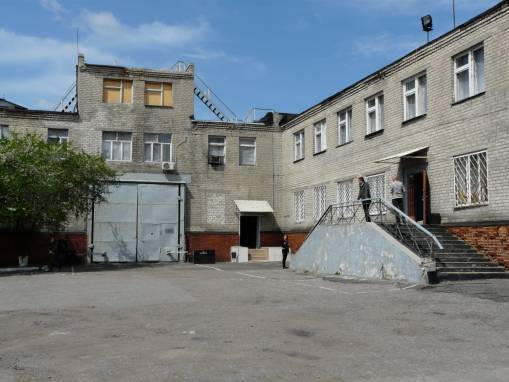
Makiivka Penal Colony No. 32
Makiivka, Donetsk Oblast
Temporarily occupied territories
Penal colony
Active
Makeyevka Penal Colony No. 32, a medium-security facility for men serving their first prison sentence, is located in the so-called “Donetsk People’s Republic” (DPR) in occupied Donetsk Oblast, Ukraine. It is designed for 1,800 inmates. The facility is divided into industrial (production workshops) and residential (administrative building, barracks, dining hall, chapel) zones. Since September 2014, it has been under so-called DPR control. The colony has faced shelling, notably in August 2014, when four inmates were killed and six were injured due to strikes on residential areas. From 2015–2016, so-called DPR armed groups reportedly stationed military equipment and fired from the colony’s territory, according to Donbas SOS.
Since 2017, the colony has held individuals convicted by so-called DPR “courts” for crimes related to the armed conflict, including former members of illegal armed groups. Ukrainian prisoners of war (POWs) and civilians, labeled as “political prisoners,” are detained in a separate Barrack No. 9, isolated from other inmates. These prisoners face sentences for charges like espionage, treason, terrorism, or attempted assassination of so-called DPR officials. Between 2017 and December 2019, at least 55 such prisoners were held in Barrack No. 9, transferred from Donetsk SIZO (pre-trial detention center) or the “Izolyatsia” facility. Some POWs were also moved from Makeyevka Colony No. 97 to Donetsk SIZO before being imprisoned here, with releases occurring during exchanges on December 29, 2019.
Ukrainian political prisoners in Barrack No. 9 face harsh conditions distinct from those of other inmates. Upon arrival, they undergo a two-week “quarantine” in a disciplinary isolator (SHIZO), a small cell in a separate building. During periodic searches by the “ROZNAZ” unit (a special guard squad for suppressing riots), beatings are reported. Former prisoners describe physical abuse by inmates collaborating with the administration, including the “zavkhoz” (head inmate) and his assistants, who enforce discipline. One ex-POW recounted:
“I beat the zavkhoz… for his treatment of the guys. He was cruel, insulted them, and slapped them. I provoked him, knocked out two teeth, and split his eyebrow. They cut my head in return.”
Disciplinary violations lead to placement in SHIZO, where prisoners cannot sit or lie on bunks during the day and lack access to cigarettes or television.
Medical care is inadequate, with formal check-ups provided only when necessary. The colony’s doctor, Serhiy Nerchuk, reportedly prescribes salted boiled water for almost everything, despite some prisoners having chronic conditions requiring regular treatment. Medications are occasionally received through family deliveries from so-called DPR-controlled areas. Still, prisoners’ health deteriorates due to insufficient care. Former detainees report worsening chronic illnesses and untreated injuries, exacerbating their physical condition.
Food is provided three times per day, but it is often minimal and insufficient to meet nutritional needs. Meals are consumed in a small, unequipped room in Barrack No. 9, forcing prisoners to eat standing up. Water is available twice daily for 20 minutes in a room with a toilet and sinks. Weekly showers are provided in a separate bathhouse. Barrack No. 9 has a sleeping area with bunk beds on the second floor and a small courtyard (“lokalka”) enclosed by bars for daily walks. Prisoners and their families, using personal funds to buy materials and coal, have partially maintained the barrack and courtyard. Overcrowding and inadequate sanitation facilities exacerbate the conditions.
Prisoners in Barrack No. 9 face psychological abuse from collaborating inmates, including insults and physical slaps, contributing to a hostile environment. The isolated nature of the barrack prevents contact with other inmates, increasing feelings of alienation. Sleep deprivation occurs due to frequent searches and disciplinary measures. Access to the outside world is severely restricted; the International Committee of the Red Cross (ICRC) and OSCE have no access, preventing communication or aid from Ukraine-controlled territories. Prisoners with relatives in so-called DPR areas can have brief visits every few weeks and make biweekly calls via the “Phoenix” mobile network, but only under supervision via speakerphone. The lack of external support fosters despair, though mutual support among prisoners helps some cope.
“I beat the zavkhoz… for his treatment of the guys. He was cruel, insulted them, and slapped them. I provoked him, knocked out two teeth, and split his eyebrow. They cut my head in return,” said a former POW, describing abuse by a collaborating inmate.
Some prisoners were released during exchanges on December 27, 2017, and December 29, 2019. As of late 2020, at least 23 Ukrainian political prisoners remained in the colony. From 2014 to 2019, the facility was managed by Yuriy Hnativ; since 2020, it has been led by L. Vorobey.
Overview
Makeyevka Penal Colony No. 32, a medium-security facility for men serving their first prison sentence, is located in the so-called “Donetsk People’s Republic” (DPR) in occupied Donetsk Oblast, Ukraine. It is designed for 1,800 inmates. The facility is divided into industrial (production workshops) and residential (administrative building, barracks, dining hall, chapel) zones. Since September 2014, it has been under so-called DPR control. The colony has faced shelling, notably in August 2014, when four inmates were killed and six were injured due to strikes on residential areas. From 2015–2016, so-called DPR armed groups reportedly stationed military equipment and fired from the colony’s territory, according to Donbas SOS.
Since 2017, the colony has held individuals convicted by so-called DPR “courts” for crimes related to the armed conflict, including former members of illegal armed groups. Ukrainian prisoners of war (POWs) and civilians, labeled as “political prisoners,” are detained in a separate Barrack No. 9, isolated from other inmates. These prisoners face sentences for charges like espionage, treason, terrorism, or attempted assassination of so-called DPR officials. Between 2017 and December 2019, at least 55 such prisoners were held in Barrack No. 9, transferred from Donetsk SIZO (pre-trial detention center) or the “Izolyatsia” facility. Some POWs were also moved from Makeyevka Colony No. 97 to Donetsk SIZO before being imprisoned here, with releases occurring during exchanges on December 29, 2019.
Torture & Abuse
Ukrainian political prisoners in Barrack No. 9 face harsh conditions distinct from those of other inmates. Upon arrival, they undergo a two-week “quarantine” in a disciplinary isolator (SHIZO), a small cell in a separate building. During periodic searches by the “ROZNAZ” unit (a special guard squad for suppressing riots), beatings are reported. Former prisoners describe physical abuse by inmates collaborating with the administration, including the “zavkhoz” (head inmate) and his assistants, who enforce discipline. One ex-POW recounted:
“I beat the zavkhoz… for his treatment of the guys. He was cruel, insulted them, and slapped them. I provoked him, knocked out two teeth, and split his eyebrow. They cut my head in return.”
Disciplinary violations lead to placement in SHIZO, where prisoners cannot sit or lie on bunks during the day and lack access to cigarettes or television.
Medical Care
Medical care is inadequate, with formal check-ups provided only when necessary. The colony’s doctor, Serhiy Nerchuk, reportedly prescribes salted boiled water for almost everything, despite some prisoners having chronic conditions requiring regular treatment. Medications are occasionally received through family deliveries from so-called DPR-controlled areas. Still, prisoners’ health deteriorates due to insufficient care. Former detainees report worsening chronic illnesses and untreated injuries, exacerbating their physical condition.
Food & Sanitation
Food is provided three times per day, but it is often minimal and insufficient to meet nutritional needs. Meals are consumed in a small, unequipped room in Barrack No. 9, forcing prisoners to eat standing up. Water is available twice daily for 20 minutes in a room with a toilet and sinks. Weekly showers are provided in a separate bathhouse. Barrack No. 9 has a sleeping area with bunk beds on the second floor and a small courtyard (“lokalka”) enclosed by bars for daily walks. Prisoners and their families, using personal funds to buy materials and coal, have partially maintained the barrack and courtyard. Overcrowding and inadequate sanitation facilities exacerbate the conditions.
Psychological Pressure
Prisoners in Barrack No. 9 face psychological abuse from collaborating inmates, including insults and physical slaps, contributing to a hostile environment. The isolated nature of the barrack prevents contact with other inmates, increasing feelings of alienation. Sleep deprivation occurs due to frequent searches and disciplinary measures. Access to the outside world is severely restricted; the International Committee of the Red Cross (ICRC) and OSCE have no access, preventing communication or aid from Ukraine-controlled territories. Prisoners with relatives in so-called DPR areas can have brief visits every few weeks and make biweekly calls via the “Phoenix” mobile network, but only under supervision via speakerphone. The lack of external support fosters despair, though mutual support among prisoners helps some cope.
Testimonies & Reports
“I beat the zavkhoz… for his treatment of the guys. He was cruel, insulted them, and slapped them. I provoked him, knocked out two teeth, and split his eyebrow. They cut my head in return,” said a former POW, describing abuse by a collaborating inmate.
Some prisoners were released during exchanges on December 27, 2017, and December 29, 2019. As of late 2020, at least 23 Ukrainian political prisoners remained in the colony. From 2014 to 2019, the facility was managed by Yuriy Hnativ; since 2020, it has been led by L. Vorobey.
News
see more

ICRC confirms it has had no access to Ukrainian POWs for two years
Russia has denied the International Committee of the Red Cross (ICRC) access to Ukrainian prisoners of war held in Russian detention since 2024. “We can confirm the lack of access to POWs in Russia since 2024,” an ICRC spokesperson told Reuters on September 18.
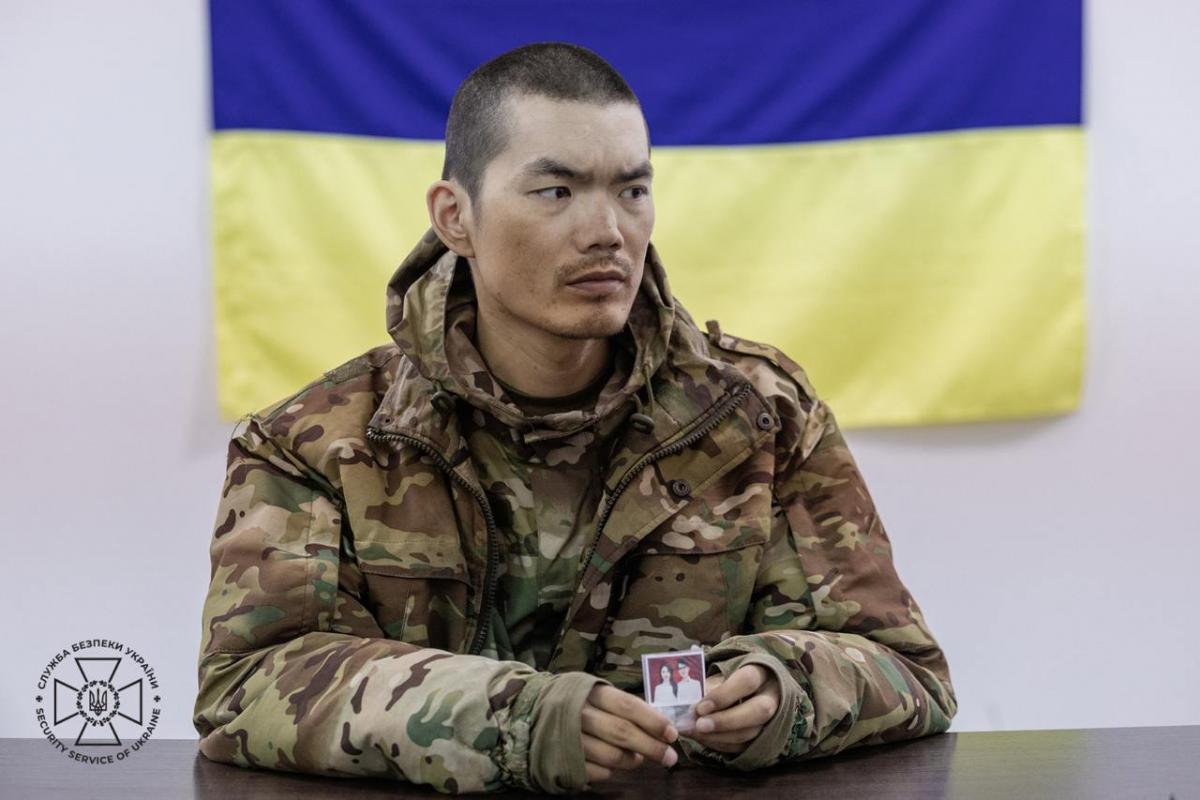
Citizens of 51 Countries Held as Prisoners of War in Ukraine
Ukraine’s Coordination Headquarters for the Treatment of Prisoners of War and the Ministry of Foreign Affairs of Ukraine have announced the launch of StopRussianRecruiters.org, an information platform documenting and exposing Russia’s deceptive recruitment of foreign nationals into its armed forces. The project also provides information about foreign prisoners of war held in Ukraine and calls on the governments of their respective countries to take diplomatic action to secure their return.
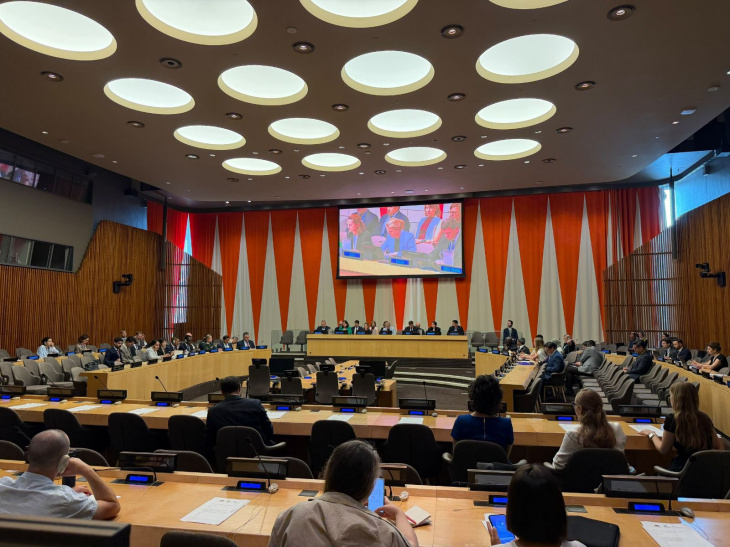
The UN Security Council holds an Arria-formula meeting on Ukrainian POWs
On August 10, the UN Security Council held an Arria-formula meeting at UN Headquarters in New York, dedicated to Russia's systematic violations of international humanitarian law against Ukrainian prisoners of war, civilian detainees, and foreign nationals. The event was convened by Latvia and the United Kingdom at Ukraine's initiative.
questions & answers
You can make a difference
Have a question, a message, or something important to share?
Whether it’s information, a concern, or a word of support, we want to hear from you.
Every voice matters.