
Russian medics torture prisoners of war: a new study by human rights defenders
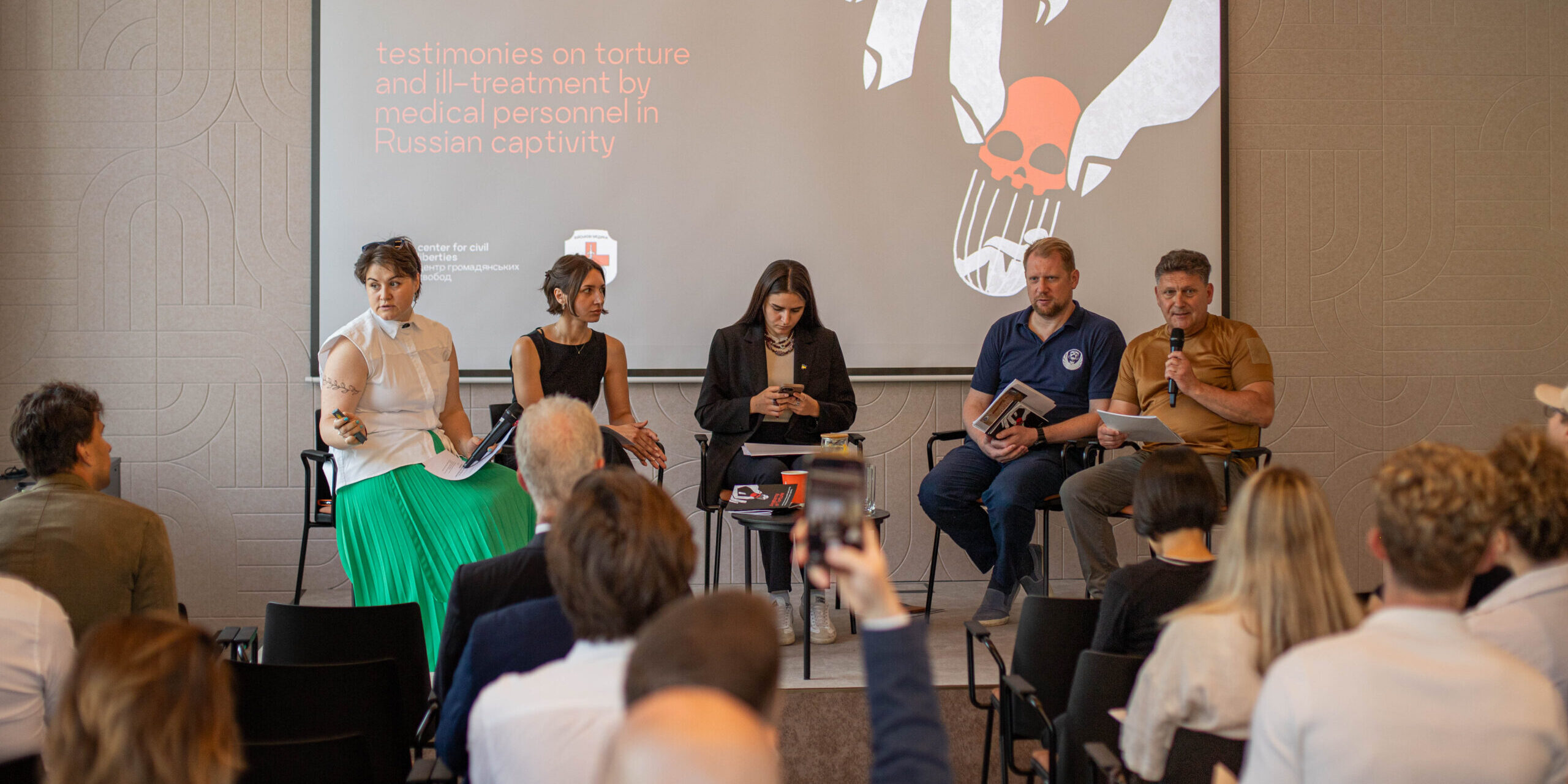
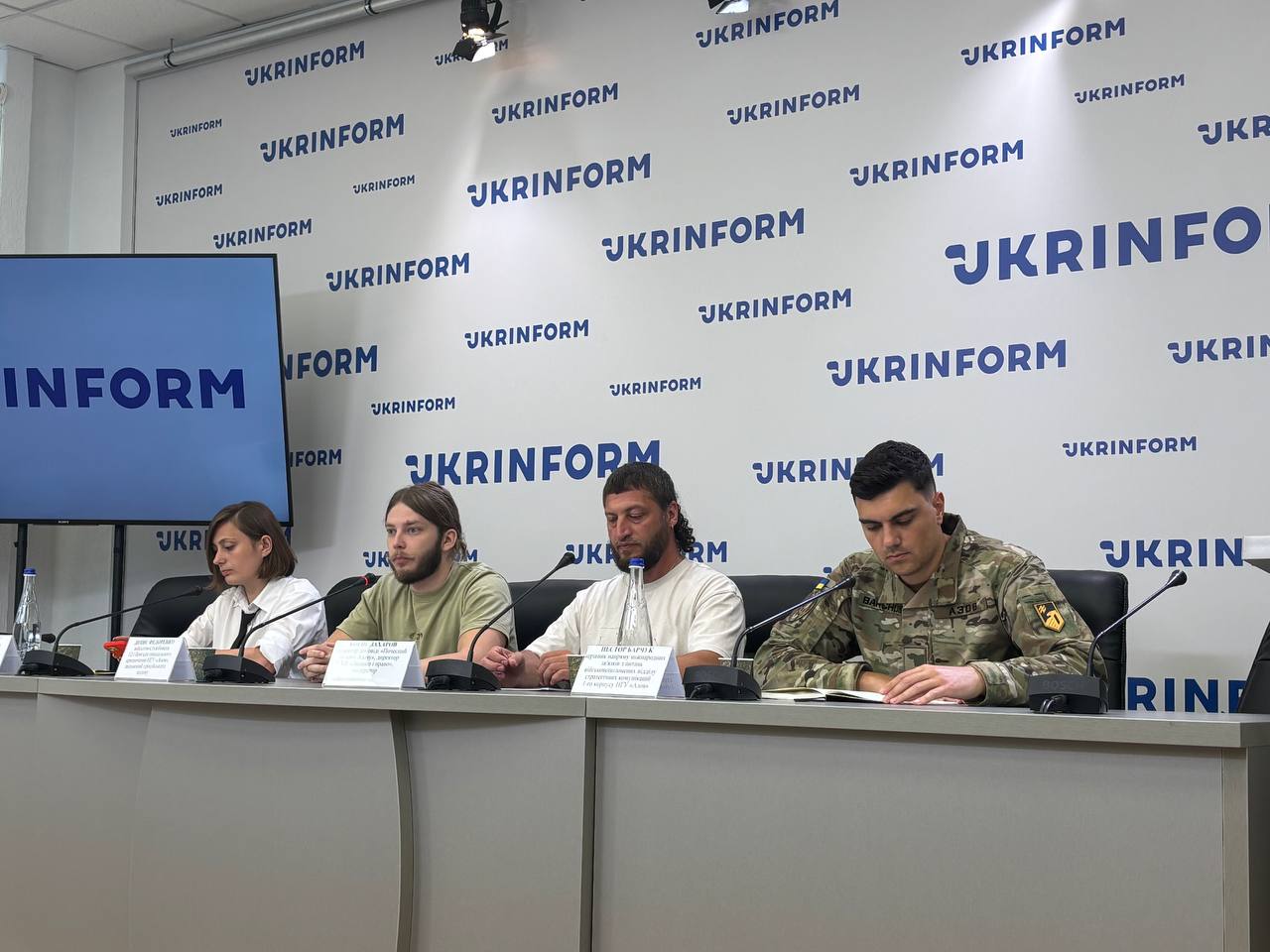
On 24 June, the Center for Civil Liberties presented the analytical study “Anatomy of Torture” in Kyiv. The document examines the role of Russian medical personnel in the torture of Ukrainian prisoners of war and illegally detained civilians.
The report was prepared jointly with the NGO “Military Medics of Ukraine.” It is based on testimonies from people who have since been released from Russian captivity, along with a legal assessment of the documented cases. The authors stress that medicine in Russian places of detention has become one of the least visible — yet entirely systemic — instruments of violence against Ukrainians.
According to the human rights defenders, this is not a matter of isolated acts of cruelty or the personal “excesses” of individual doctors, but the result of a deliberate state policy. The cases of improper medical treatment are far too numerous to be dismissed as coincidence.
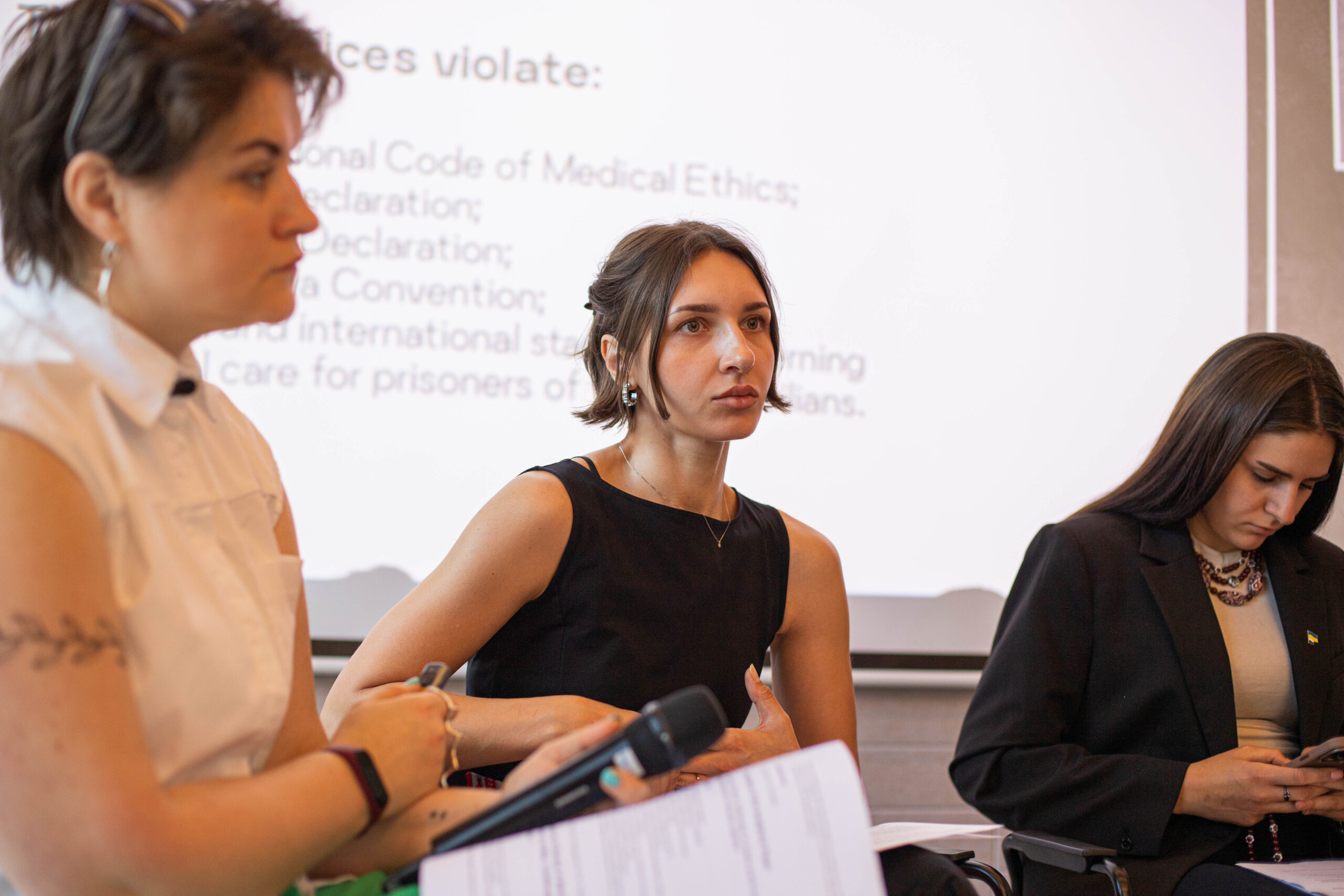
The documented violations breach several international norms at once — the Declaration of Geneva and the International Code of Medical Ethics of the World Medical Association, the Geneva Convention relative to the Treatment of Prisoners of War, and at times even Russia’s own domestic legislation.
A separate part of the presentation was devoted to personal stories. Anastasiia Savova, daughter of Oleksandr Savov — who died a few months after returning from captivity — spoke about the lasting consequences of imprisonment. “Release from captivity does not mean the end of the crime,” she emphasized.
Sofiia Krokhmaliuk is the daughter of Oleksandr Krokhmaliuk, head of the “Azov” medical service, who died in captivity as a result of torture.
“Now I know for certain that my father is dead. And not just dead — he was murdered. I know exactly who did it. I know his face. He looks like an ordinary person, a little older than me. He has a family, he has a daughter. I often think that on the day he killed my father, he probably went home, had dinner with his family, and watched TV. The most horrifying part is that this [the death of Sofiia’s father — ed. note] was not a mistake. We know of at least three servicemen who were held in Rostov and whom he killed. We cannot even bring their bodies back — their bodies are still in Russia to this day. My father’s body was returned to Ukraine. When it was returned, it had been severely mutilated. After his death, his body was disfigured to such an extent that virtually only his bones remained. Yet even these remains testify to one thing: he did not die from illness or natural causes. He was murdered,” Sofiia said.
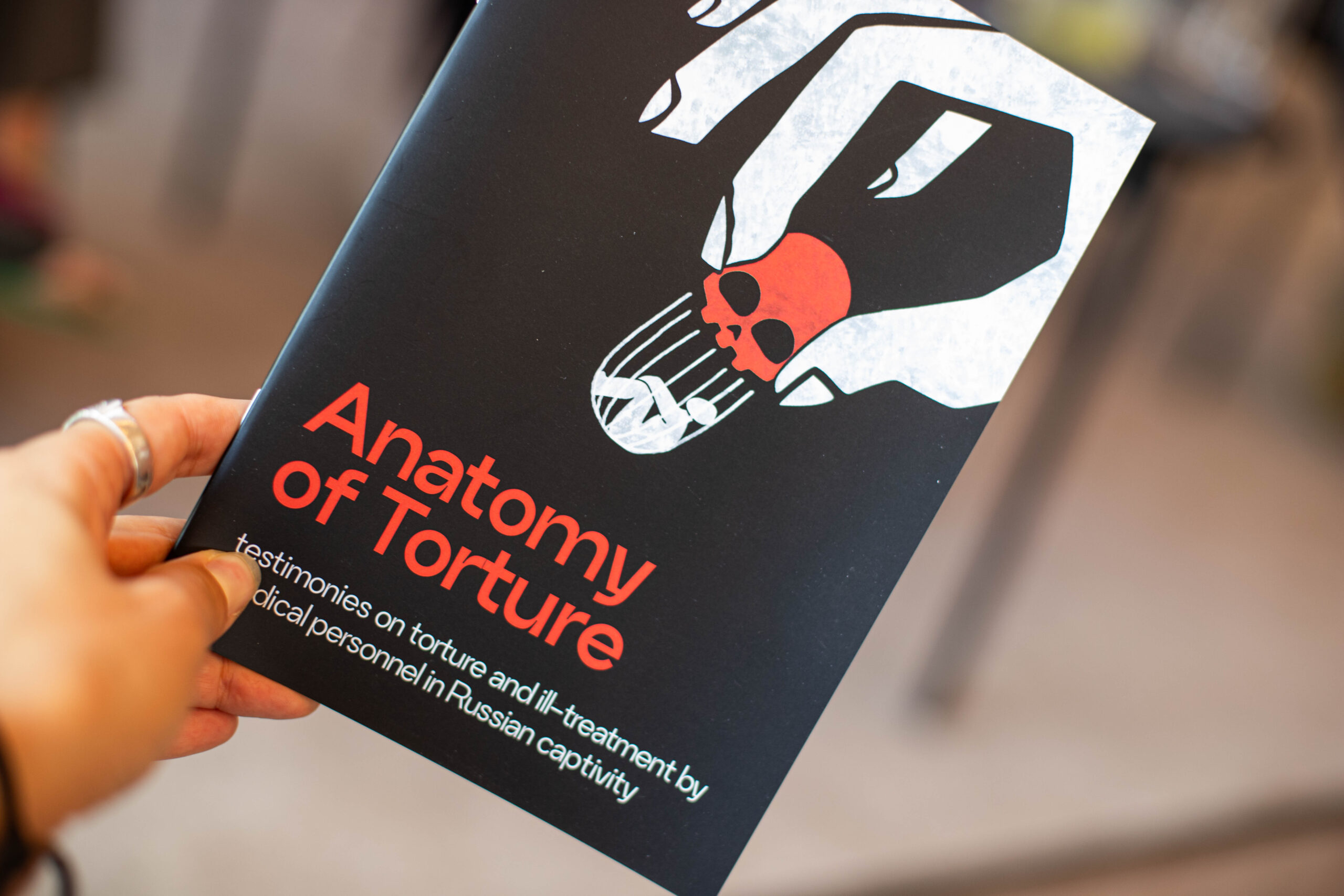
The full text of the analytical study “Anatomy of Torture” is available at the link.
News
see more
The UN Security Council holds an Arria-formula meeting on Ukrainian POWs
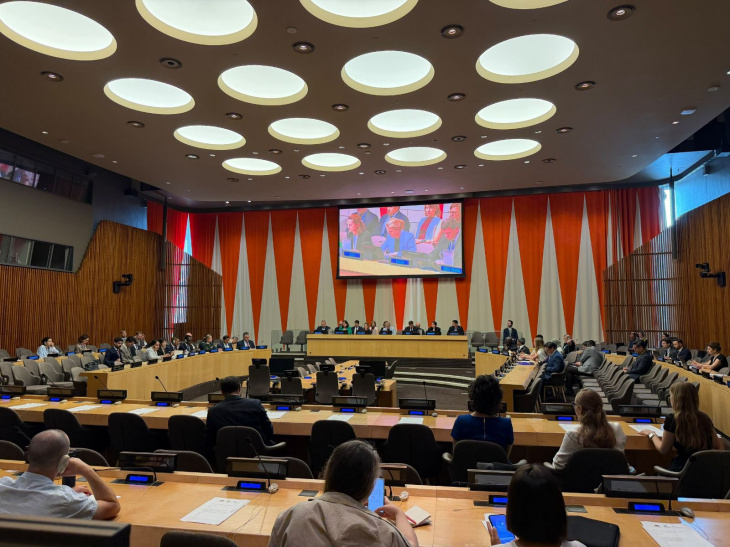
On August 10, the UN Security Council held an Arria-formula meeting at UN Headquarters in New York, dedicated to Russia's systematic violations of international humanitarian law against Ukrainian prisoners of war, civilian detainees, and foreign nationals. The event was convened by Latvia and the United Kingdom at Ukraine's initiative.
Russia forms military unit from Ukrainian POWs in violation of the Geneva Convention
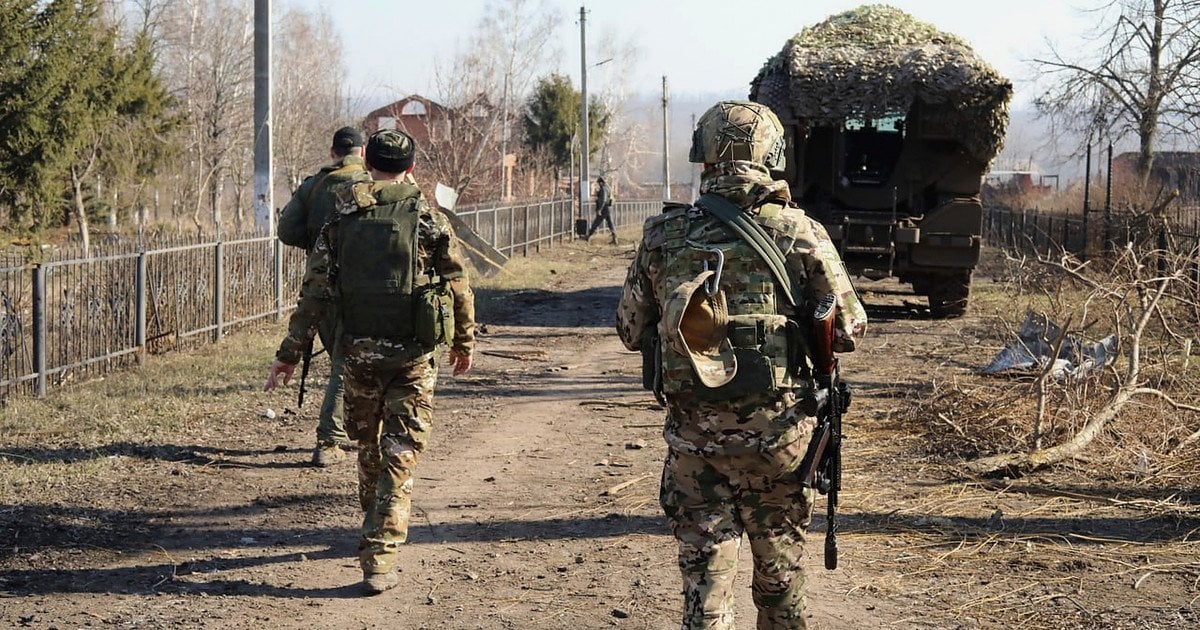
Russia has formed a new military unit made up of Ukrainian prisoners of war and former servicemen of the Armed Forces of Ukraine. The creation of the so-called "First Ukrainian Volunteer Special Purpose Brigade" became known on August 6. The unit was incorporated into the "Volunteer Corps" of Russia's Ministry of Defense.
Fourth anniversary of the Olenivka attack: memorial installation unveiled in Kyiv
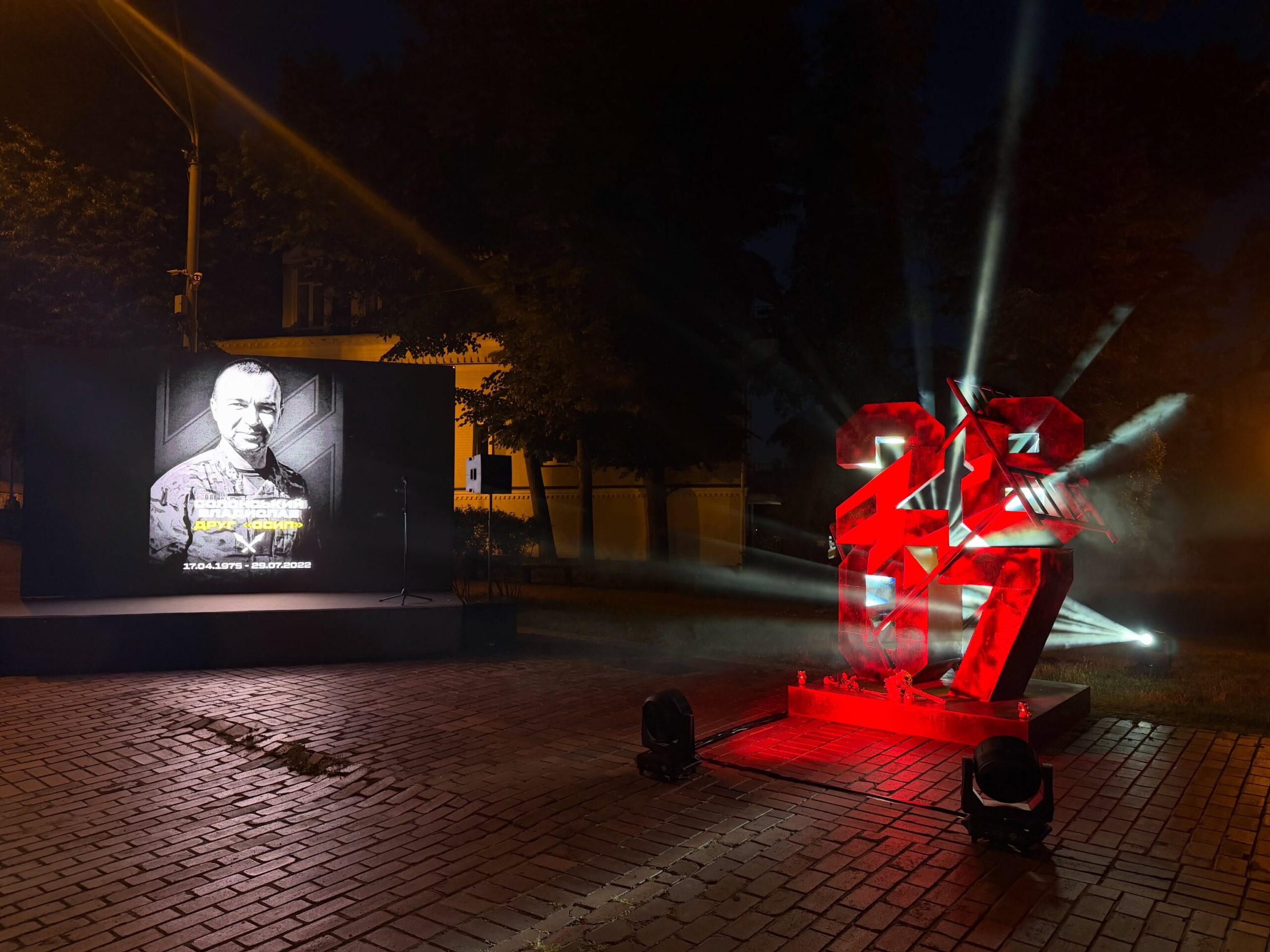
A permanent memorial installation commemorating the victims of the Russian terrorist attack in Olenivka has been unveiled at Mykhailivska Square in Kyiv, the Association of Azovstal Defenders’ Families announced.
questions & answers
You can make a difference
Have a question, a message, or something important to share?
Whether it’s information, a concern, or a word of support, we want to hear from you.
Every voice matters.