
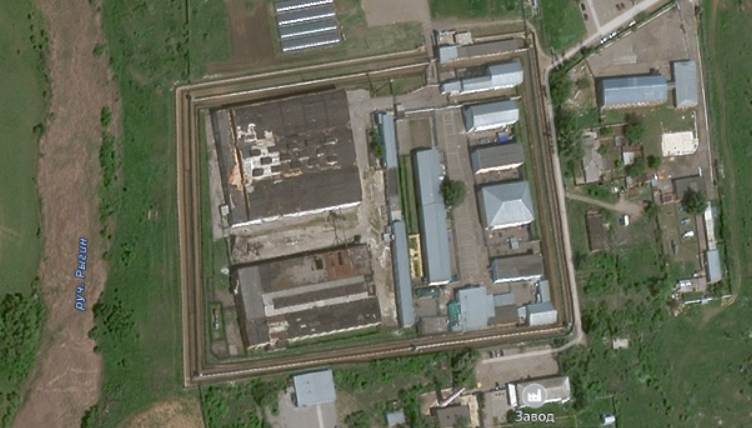
Kamensk-Shakhtinsky Penal Colony No. 12
Kamensk-Shakhtinsky, Rostov Oblast
Russia
Penal colony
Active
Overview
Penal Colony No. 12 is located in Kamensk-Shakhtinsky, Rostov Oblast, Russian Federation (94 Morskaya Street). It is one of the closest colonies to the Ukrainian border and has, in recent months, regularly received Ukrainian servicemen as prisoners of war.
In March 2023, all inmates were temporarily transferred to other facilities, allegedly for renovation. Later reports suggested that some colonies in Rostov Oblast were being cleared for military use. Testimonies from former prisoners confirm that Colony No. 12 serves as a demonstration camp for Ukrainian POWs.
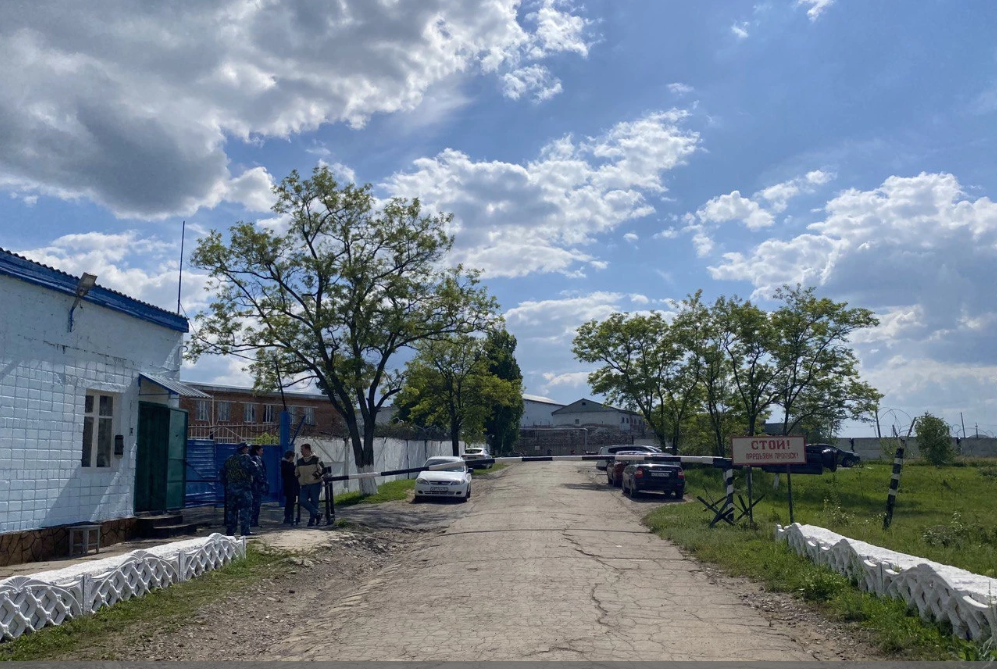
Torture and Abuse
New arrivals underwent the so-called “reception” ritual: prisoners had to pass through a corridor of guards who struck them with batons.
In the “quarantine” section, prisoners spent most of the time standing on the first floor, while in the evenings they were allowed on the second floor “to rest.” Each movement upstairs was accompanied by beatings. One witness showed a scar on his head caused by hitting a metal door after a guard intentionally shoved him.
In the “unit,” where prisoners were transferred after quarantine, conditions were slightly better: rooms with windows, access to water, and toilets. However, beatings continued systematically. In the disciplinary isolation unit (SHIZO), sitting was prohibited; violators were taken to the corridor and beaten. Any exit from the cell was accompanied by violence.
Particularly illustrative were incidents in the medical room: prisoners received baton strikes while being given pills. One doctor severely beat a patient with a heart condition instead of providing help.
Medical Assistance
Medical assistance was punitive. During a dysentery outbreak, prisoners were beaten in the infirmary when receiving medication, supposedly to prevent them from drinking tap water. There is a documented case in which a doctor beat a heart patient while mocking him.
Food and Sanitation
Meals were served in the dining hall. Cooking was performed by selected prisoners. Bread was okay, but the time for eating was only two minutes, causing prisoners to often burn their mouths. In SHIZO, conditions were harsh, though basic hygiene items were provided.
Psychological Pressure
Prisoners were forced to participate in humiliating rituals, read Russian classics aloud for others, and endure beatings as an “integral part of the regime.” Colony No. 12 was intentionally made a demonstration site — wounded, disabled, and elderly prisoners were removed, as the administration did not want to keep them.
Testimonies
Former prisoners of war shared their stories with the Media initiative for human rights:
- “Every time we went upstairs, beatings followed. One falls – they lift him and beat him again.”
- “In the infirmary, they ‘treated’ us: you take a pill and get 3–4 baton strikes on your back and arms.”
- “A doctor beat our cellmate with a heart condition, mocking him: ‘So, I thinned your blood?’”
- “We had only 2 minutes to eat – everything was hot, we constantly walked with scalded mouths.”
Penal Colony No. 12 is located in Kamensk-Shakhtinsky, Rostov Oblast, Russian Federation (94 Morskaya Street). It is one of the closest colonies to the Ukrainian border and has, in recent months, regularly received Ukrainian servicemen as prisoners of war.
In March 2023, all inmates were temporarily transferred to other facilities, allegedly for renovation. Later reports suggested that some colonies in Rostov Oblast were being cleared for military use. Testimonies from former prisoners confirm that Colony No. 12 serves as a demonstration camp for Ukrainian POWs.
New arrivals underwent the so-called “reception” ritual: prisoners had to pass through a corridor of guards who struck them with batons.
In the “quarantine” section, prisoners spent most of the time standing on the first floor, while in the evenings they were allowed on the second floor “to rest.” Each movement upstairs was accompanied by beatings. One witness showed a scar on his head caused by hitting a metal door after a guard intentionally shoved him.
In the “unit,” where prisoners were transferred after quarantine, conditions were slightly better: rooms with windows, access to water, and toilets. However, beatings continued systematically. In the disciplinary isolation unit (SHIZO), sitting was prohibited; violators were taken to the corridor and beaten. Any exit from the cell was accompanied by violence.
Particularly illustrative were incidents in the medical room: prisoners received baton strikes while being given pills. One doctor severely beat a patient with a heart condition instead of providing help.
Medical assistance was punitive. During a dysentery outbreak, prisoners were beaten in the infirmary when receiving medication, supposedly to prevent them from drinking tap water. There is a documented case in which a doctor beat a heart patient while mocking him.
Meals were served in the dining hall. Cooking was performed by selected prisoners. Bread was okay, but the time for eating was only two minutes, causing prisoners to often burn their mouths. In SHIZO, conditions were harsh, though basic hygiene items were provided.
Prisoners were forced to participate in humiliating rituals, read Russian classics aloud for others, and endure beatings as an “integral part of the regime.” Colony No. 12 was intentionally made a demonstration site — wounded, disabled, and elderly prisoners were removed, as the administration did not want to keep them.
Former prisoners of war shared their stories with the Media initiative for human rights:
- “Every time we went upstairs, beatings followed. One falls – they lift him and beat him again.”
- “In the infirmary, they ‘treated’ us: you take a pill and get 3–4 baton strikes on your back and arms.”
- “A doctor beat our cellmate with a heart condition, mocking him: ‘So, I thinned your blood?’”
- “We had only 2 minutes to eat – everything was hot, we constantly walked with scalded mouths.”
News
see more
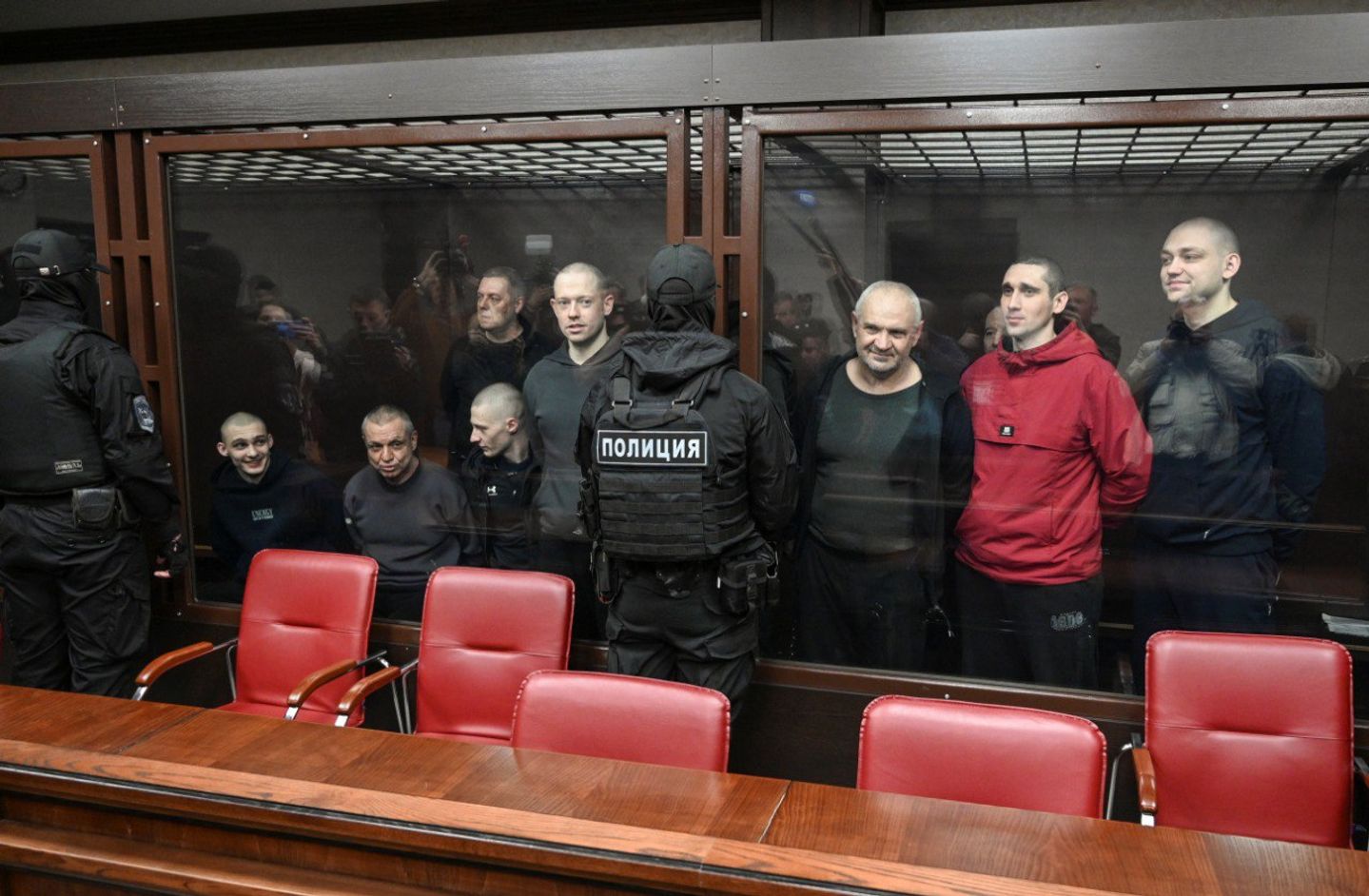
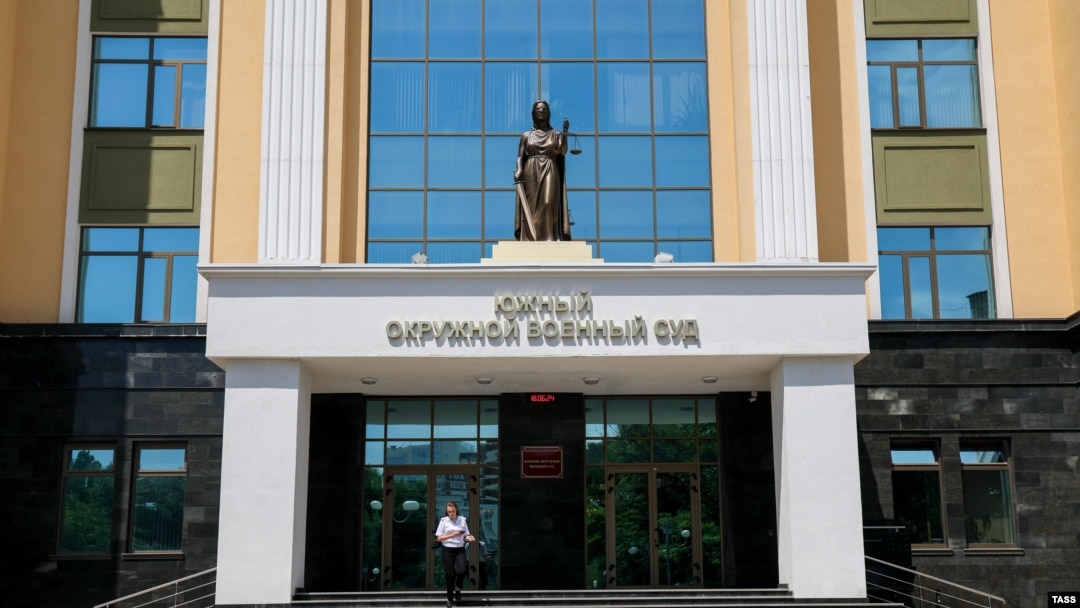
Rostov Court sentences three more «Azov» prisoners of war
The Southern District Military Court in Rostov-on-Don, Russia, has handed down verdicts against three prisoners of war from the «Azov» Brigade who defended the Azovstal steel plant in Mariupol. This was reported by Mediazona. All three prisoners of war face charges related to their service in «Azov», which Russia has designated a terrorist organization.
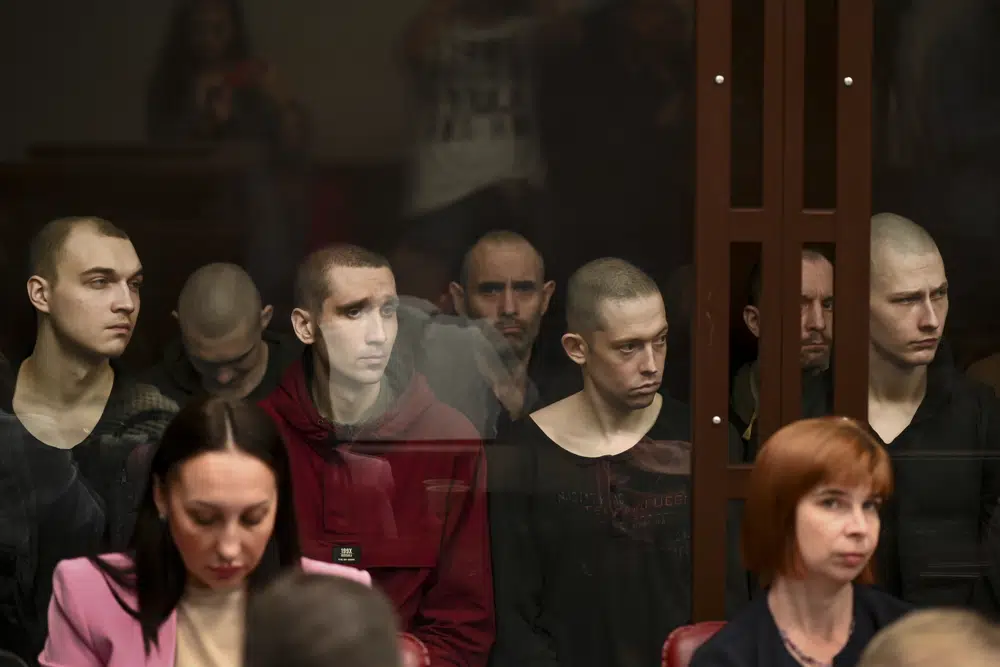
UN Commission: Russia’s unlawful trials of Ukrainians constitute war crimes
Fabricated evidence, unfair trials, testimonies extracted under torture, and other serious violations have been documented by the UN Independent International Commission of Inquiry on Ukraine. The Commission examined trials conducted by the Russian Federation in the context of its full-scale invasion of Ukraine and concluded that Russian courts have violated international humanitarian law, which constitutes a war crime.
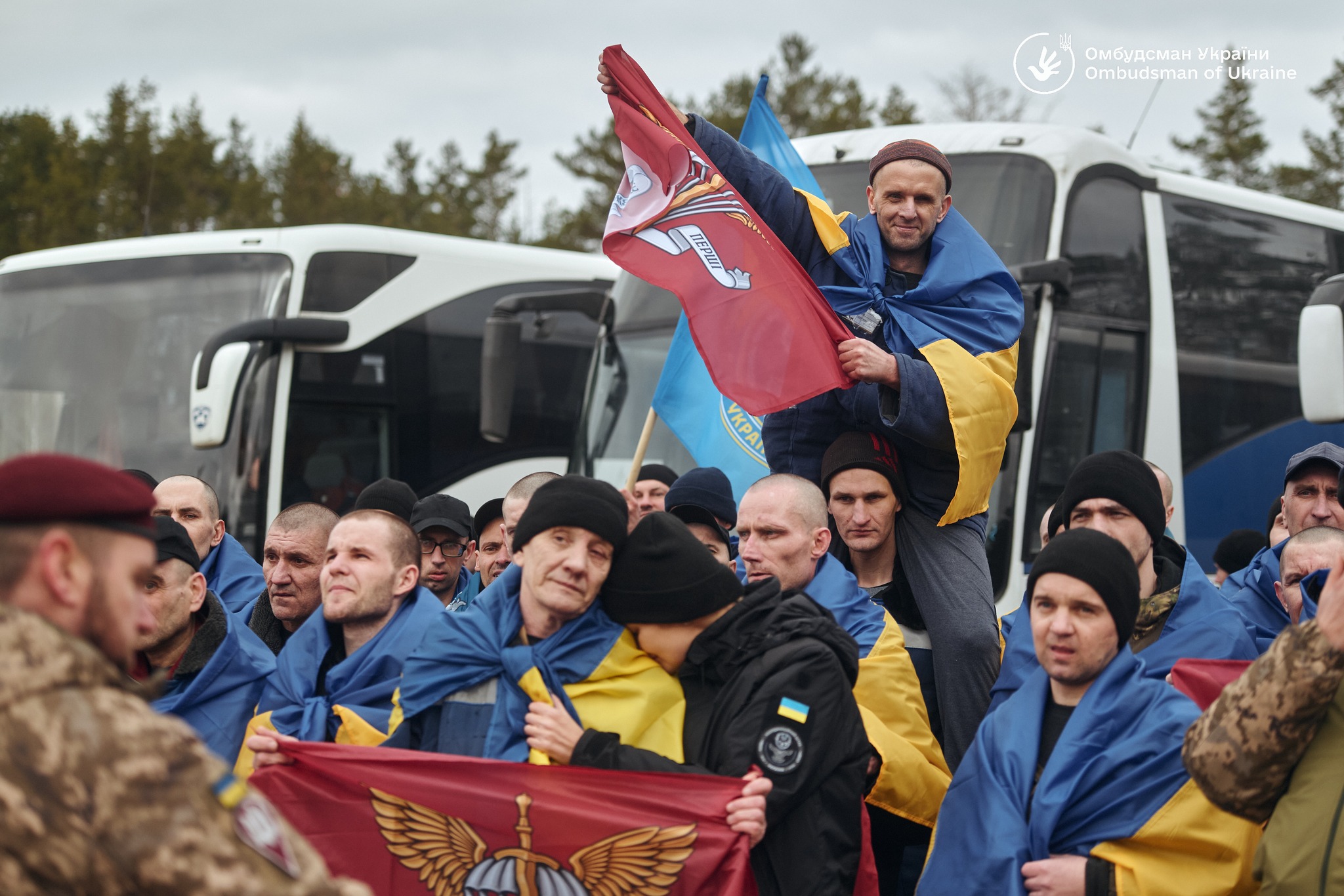
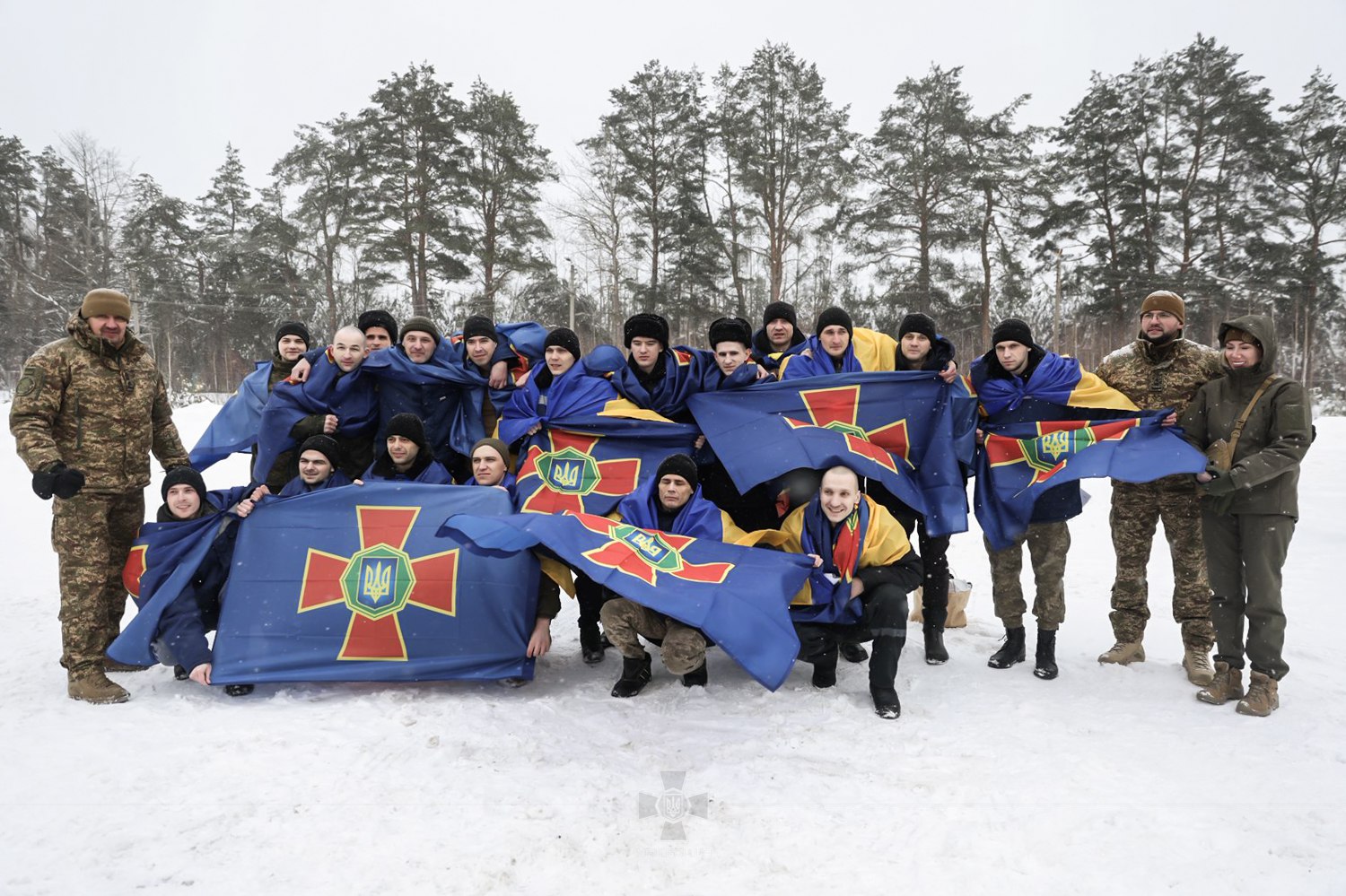
POW exchange: 500 servicemen and two civilians returned to Ukraine under agreements reached in Geneva
On 5-6 March 2026, a two-day exchange of prisoners of war took place between Ukraine and Russia. On the first day, 200 military personnel returned to Ukraine, and on the second day, another 300. Separately, two civilians were also returned. The exchange was made possible by agreements reached in Geneva with the mediation of the United States.
questions & answers
You can make a difference
Have a question, a message, or something important to share?
Whether it’s information, a concern, or a word of support, we want to hear from you.
Every voice matters.