
First POW exchange in 4 months: 157 servicemen and civilians return to Ukraine
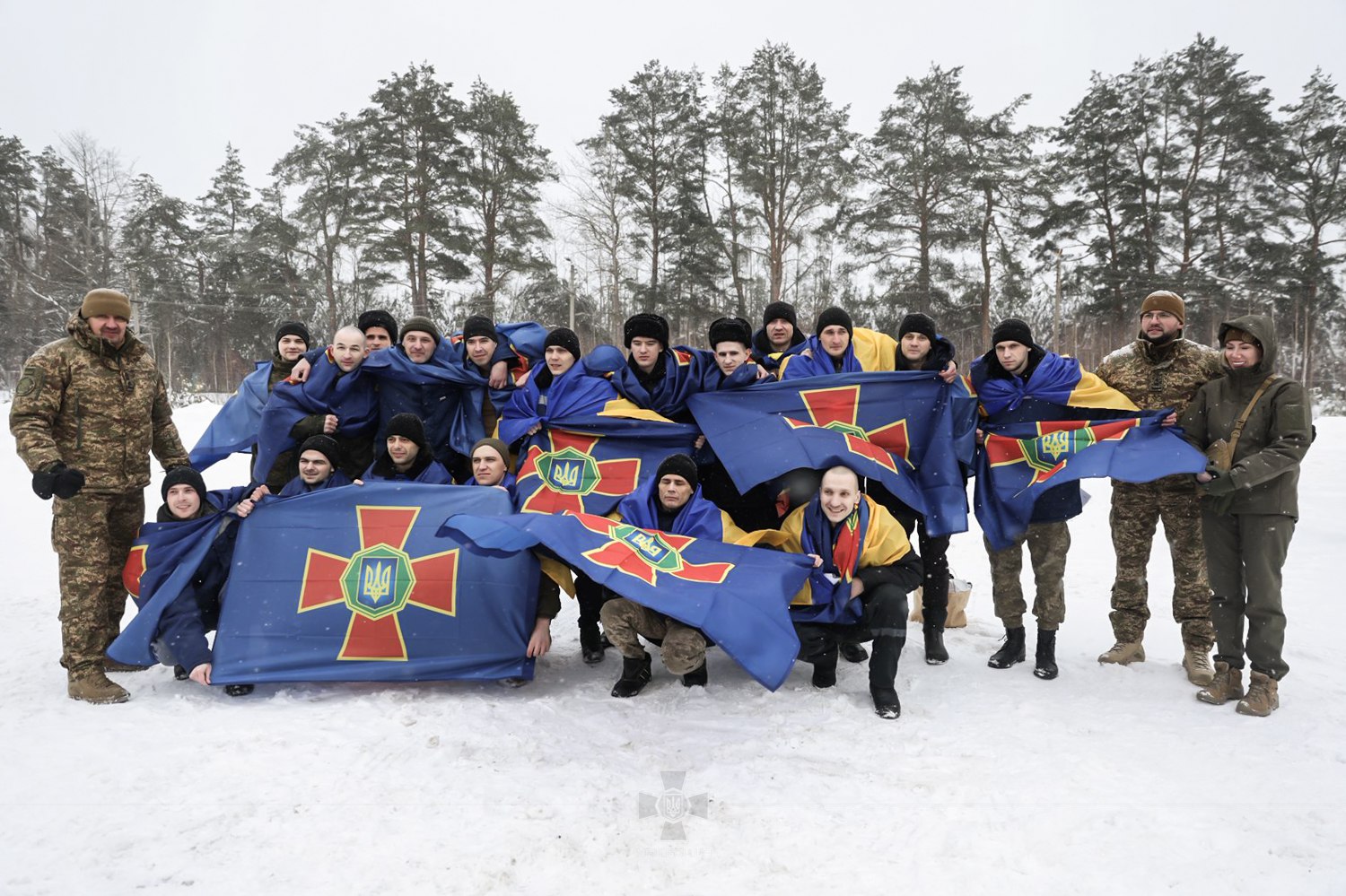
In a POW exchange conducted on February 5, 2026, 150 military members and seven Ukrainian civilians were released from Russian captivity
The exchange followed an announcement by Steve Witkoff, U.S. Special Presidential Envoy. He reported that an agreement to exchange 314 prisoners was reached during trilateral negotiations between Ukraine, Russia, and the U.S. in the United Arab Emirates.
President of Ukraine Volodymyr Zelenskyy expressed his gratitude to those working on the exchanges and to the military personnel contributing to the “exchange fund.”
“We are bringing our people home—157 Ukrainians. Warriors from the Armed Forces, National Guard, and the State Border Guard Service. Soldiers, sergeants, and officers. Along with our defenders, civilians are also returning. Most of them had been in captivity since 2022. Today’s exchange came after a long pause, and it is critical that we were able to make it happen,” Zelenskyy added.
The Coordination Headquarters for the Treatment of Prisoners of War extended its thanks to the U.S. and the UAE for their assistance in organizing the swap. They noted that the majority of the released defenders were captured during the defense of Mariupol. The National Guard servicemen captured during the occupation of the Chornobyl Nuclear Power Plant were also among those returned.
Among those released are also four service members of the 12th Special Forces Brigade “Azov” and five service members of the 15th Brigade “Kara-Dag.” This was reported by Colonel Denys “Redis” Prokopenko, commander of the 1st National Guard Corps “Azov.”
“Welcome home, brothers-in-arms. The ordeals you had to endure are unimaginable. You demonstrated the strength and power of the Azov spirit and did not break under the enemy’s colossal pressure. Thank you for your courage and loyalty to Ukraine,” Denys Prokopenko added.
He also noted that over 700 Azov fighters remain in Russian captivity, where they have been held for nearly four years.
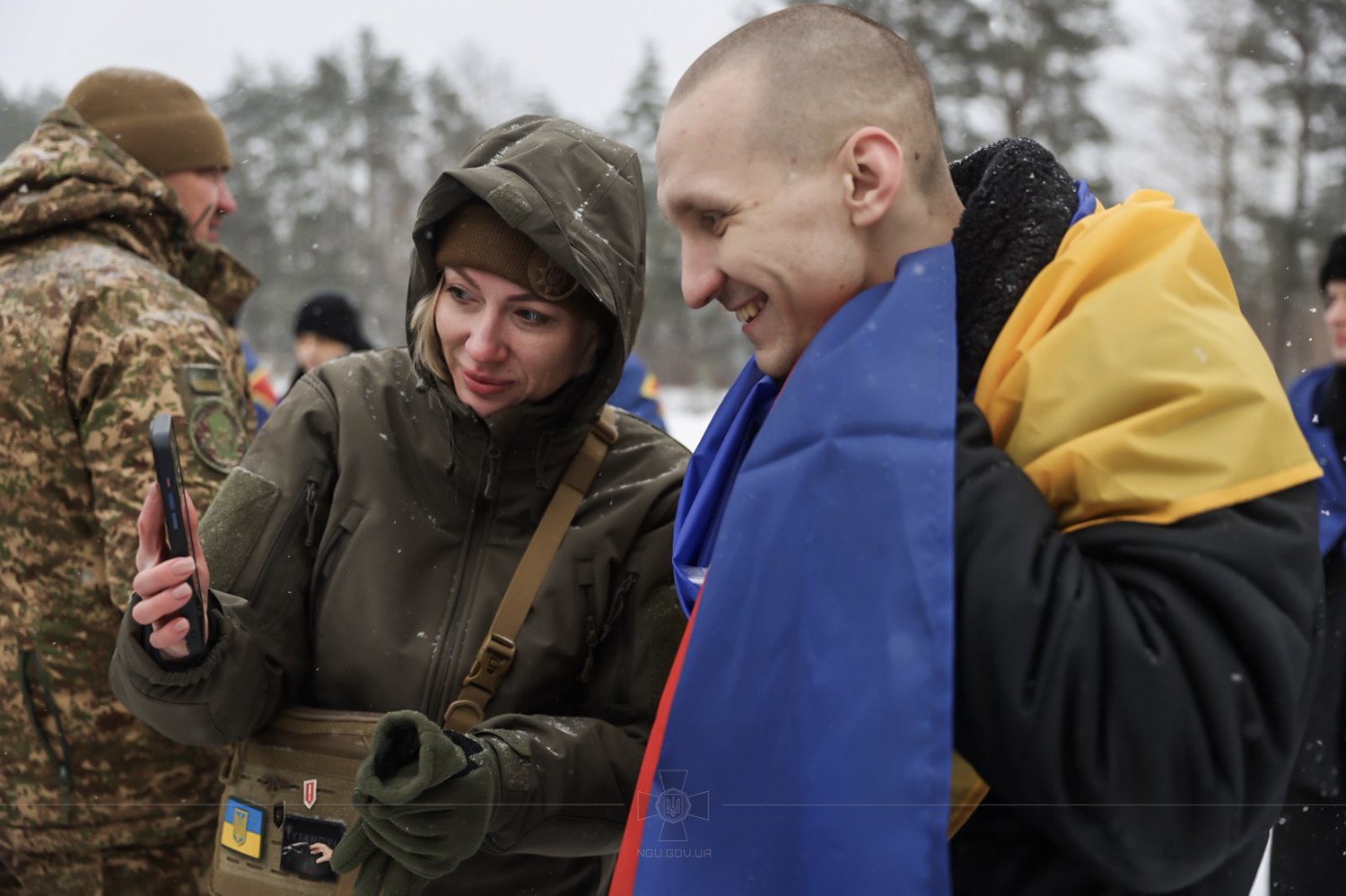
A notable aspect of this exchange is the return of several unlawfully sentenced Ukrainians. The youngest among them is 23 years old. A Russian court had sentenced him to life imprisonment. Ukraine’s Ombudsman, Dmytro Lubinets, stated that his team was on-site to monitor compliance with the Geneva Conventions. He added:
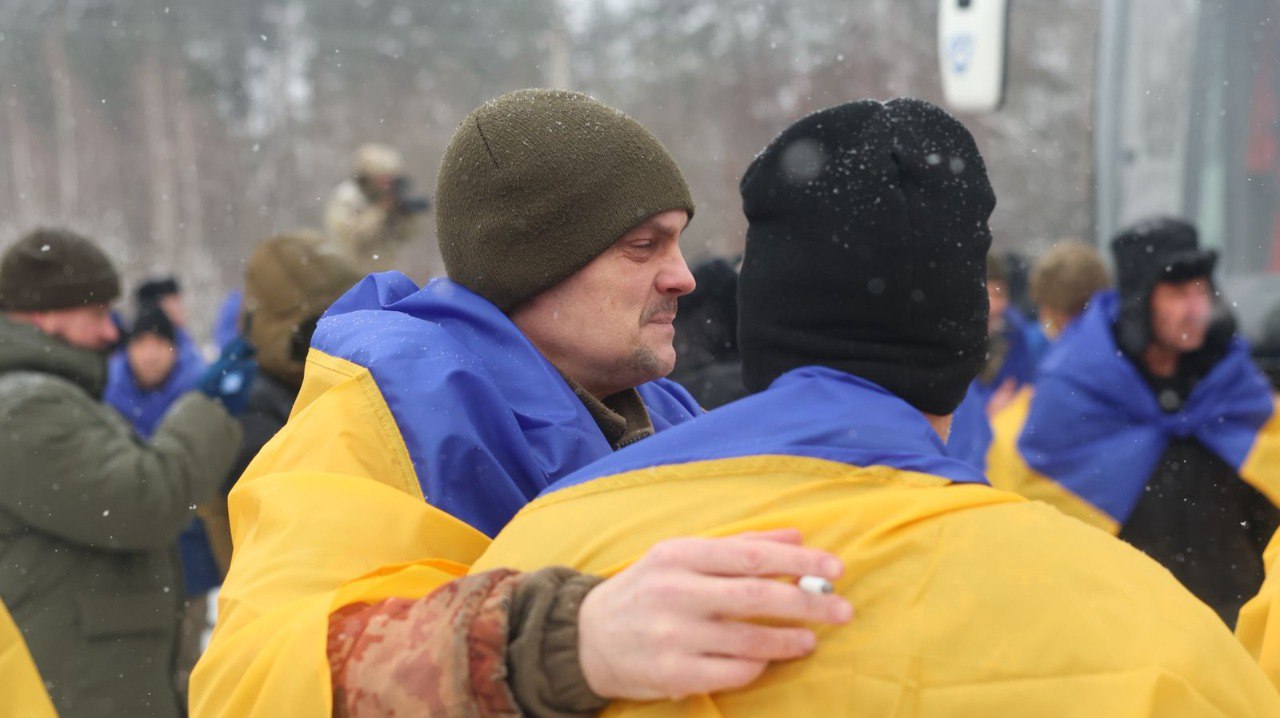
“Overall, those released are in a fragile psychological state, but they are all incredibly happy to be home. Some are critically underweight.”
The previous POW exchange took place on October 2, 2025. After that, there were no returns for a long time. President Zelenskyy previously noted that the Russians had halted the exchanges because “they didn’t feel that it gave them anything.”
News
see more
ICRC confirms it has had no access to Ukrainian POWs for two years
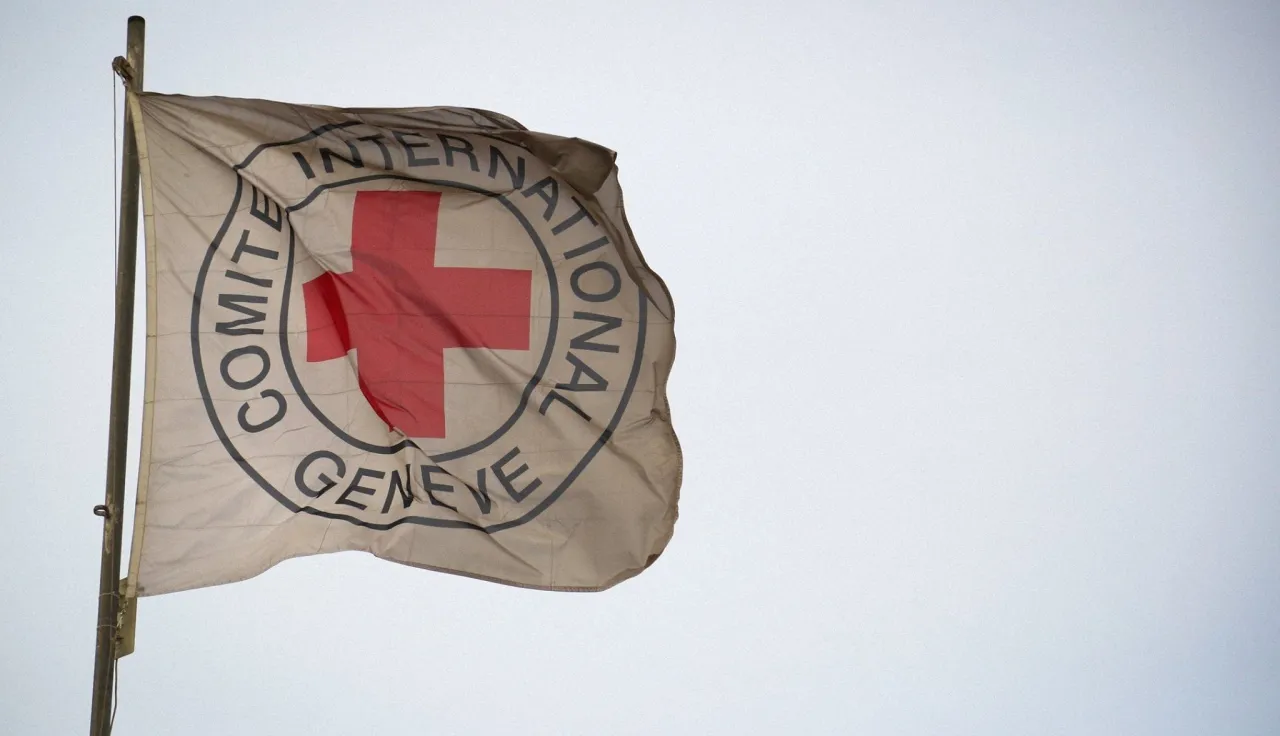
Russia has denied the International Committee of the Red Cross (ICRC) access to Ukrainian prisoners of war held in Russian detention since 2024. “We can confirm the lack of access to POWs in Russia since 2024,” an ICRC spokesperson told Reuters on September 18.
Citizens of 51 Countries Held as Prisoners of War in Ukraine
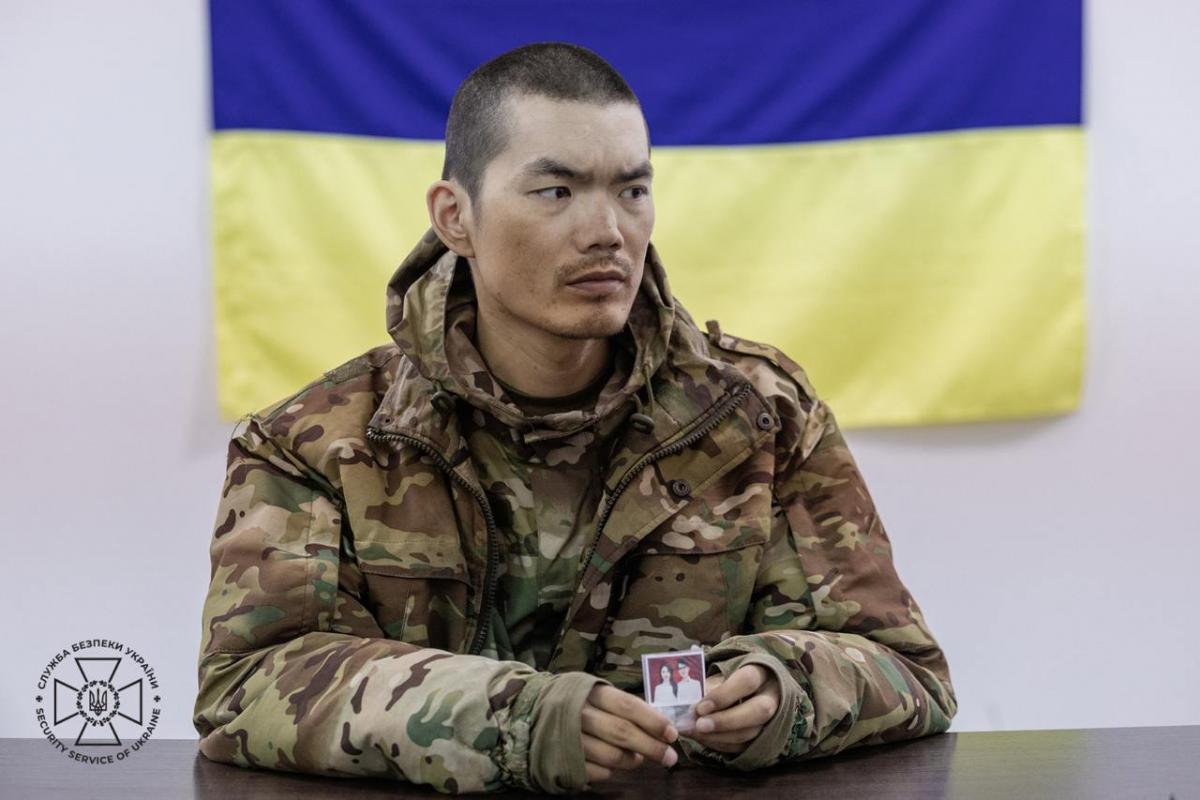
Ukraine’s Coordination Headquarters for the Treatment of Prisoners of War and the Ministry of Foreign Affairs of Ukraine have announced the launch of StopRussianRecruiters.org, an information platform documenting and exposing Russia’s deceptive recruitment of foreign nationals into its armed forces. The project also provides information about foreign prisoners of war held in Ukraine and calls on the governments of their respective countries to take diplomatic action to secure their return.
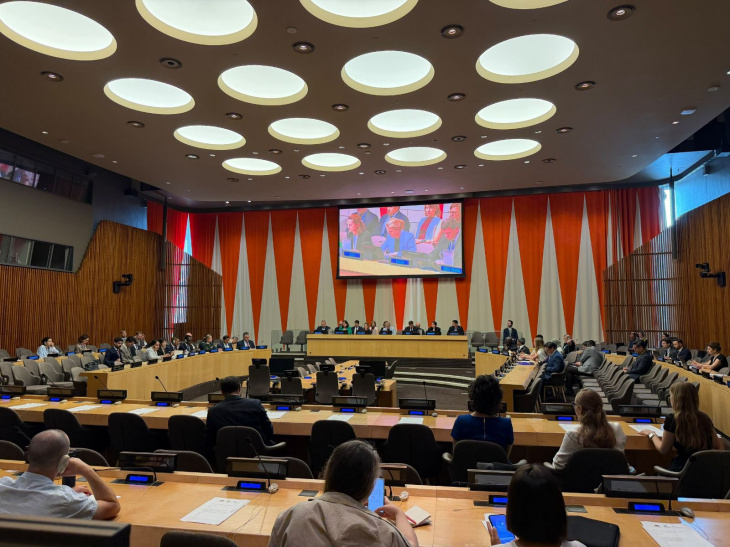
The UN Security Council holds an Arria-formula meeting on Ukrainian POWs
On August 10, the UN Security Council held an Arria-formula meeting at UN Headquarters in New York, dedicated to Russia's systematic violations of international humanitarian law against Ukrainian prisoners of war, civilian detainees, and foreign nationals. The event was convened by Latvia and the United Kingdom at Ukraine's initiative.
questions & answers
You can make a difference
Have a question, a message, or something important to share?
Whether it’s information, a concern, or a word of support, we want to hear from you.
Every voice matters.