
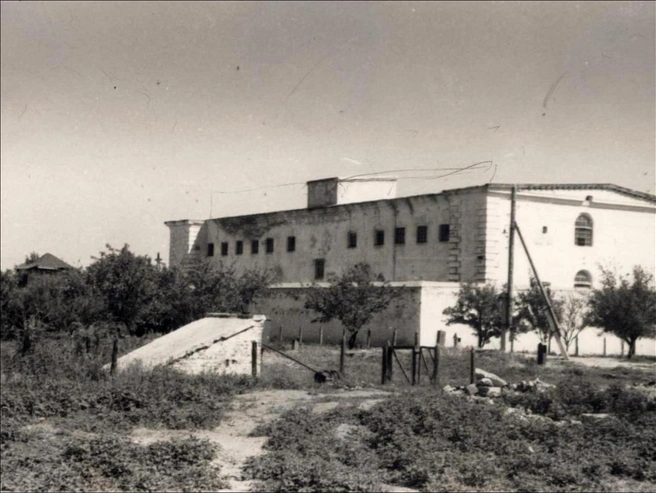
Taganrog Pre-Trial Detention Centre No. 2
Rostov Oblast, Taganrog
Russia
Pre-Trial Detention Centre
Active
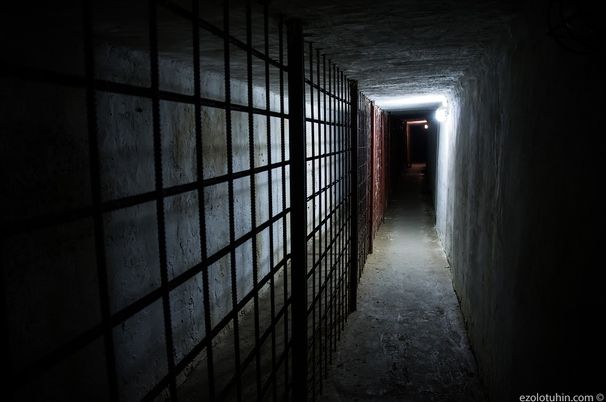
Taganrog’s Pre-Trial Detention Centre No. 2 is widely regarded as one of the most inhumane and brutal facilities for Ukrainian prisoners of war. In April 2022, the first batch of captured Ukrainian fighters was sent in – and the terrifying machine of torture, interrogations and death has not stopped since.
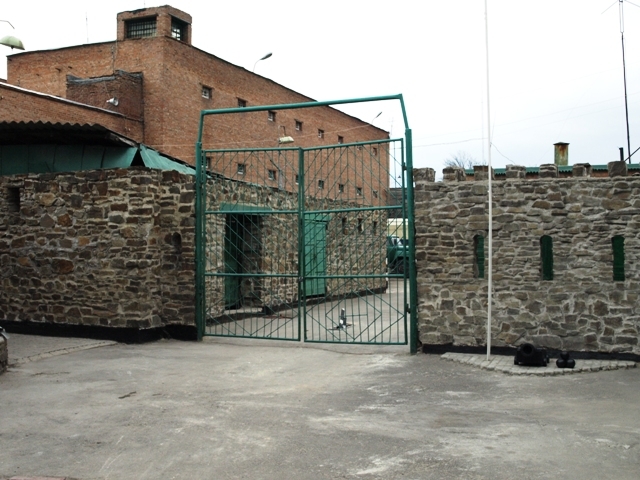
This facility consists of a couple of 3 or 4-storey brick buildings. Administrative offices occupy the first floors, the others are inhabited by inmates, held either in solitary confinement or 8-man prison cells.
According to some prisoners of war, upon arrival, there was a so-called admission. Loud music was playing in the yard (in particular, the song ‘Katyusha’), and after the car stopped, screams and the sound of blows were heard. The prisoners were forcibly dragged out of the vehicle while they continued to be beaten. The witness, who was unable to leave the car on his own due to stiff legs, was dragged out by his jacket and thrown headfirst, causing him to lose consciousness.
Further processing was accompanied by massive beatings. According to the witness, he received ‘hundreds of blows to the head’, with blows inflicted with fists, stun guns, and rubber batons. The prisoners were also blindfolded. Persons who were unable to run due to physical weakness or injuries were beaten particularly violently.
It is also reported that the conditions of the ‘admission corridor’ were organised in such a way as to form a ‘gauntlet’ of special forces fighters who struck anyone who passed by. After the admission, the violence continued: regular beatings twice a day during cell searches and, most brutally, during interrogations. According to prisoners, torture included tying them to electric chairs, hanging them upside down, hitting them with hammers, mock executions, and electric shocks to vulnerable parts of the body.
In Detention Center No. 2 in Taganrog, there was a large furnace used to intimidate prisoners. “They threw me into a room where I saw the furnace. A very large furnace where, it seemed, you could place a coffin and it would burn,” said marine infantrywoman Inha Chekinda, who also recounted the story of her sister in arms:
“When my sister-in-law was returned to the cell, she said that she was taken to a room with a furnace. The same room where a human can be shoved whole and burned. The furnace was on and burning. At first, this lieutenant hit her 40 times, and then, together with a Kadyrovite, they started to shove her into this furnace. One took her by one leg and the other by the other. And they began to push her into this furnace. Then I remembered the scream I heard. I asked, “How did they manage to shove you in completely?” She replied that she doesn’t even remember that moment because she blacked out. She only felt the fire touching her face.They didn’t shove her in completely; they wanted to break her,” Inha added.
The provision of medical care is minimal. One of the ex-POWs recalls that after being severely beaten to the point where they could no longer stand, a medic was called. However, medical “help” was limited to providing inmates with smelling salts to regain consciousness.
Typically, when an inmate requests medical help, they are just beaten by guards, and no help is provided whatsoever. One of the former POWs says that there was never a doctor in the colony – only a paramedic who came to ask about the symptoms and provided no medicine whatsoever. If a person’s condition was serious, an ambulance was called from the local hospital, but it often arrived with a significant delay, sometimes only the next day. According to the testimonies, at least one of the prisoners died because of this delay.
According to former inmates, a typical meal in the Taganrog Pre-Trial Detention Centre consisted of about four and a half spoons. For example, a portion of pasta contained 15 pasta noodles. Sometimes prisoners were given fish, but it was mixed with bones and entrails. Some did not eat during the day, saving their rations for dinner in order to feel full enough to sleep properly. Portions were so small that getting 300-400 calories a day was considered very lucky.
At some point, prisoners of war were tortured by hunger. According to one of the testimonies, they were fed once a day with cabbage broth and quarter pieces of bread. Other meals included sauerkraut with water, semolina with raw herring or shortening. Food is so scarce that prisoners have no choice but to eat shells, scales, and tails.
“On the third week of my stay, they installed a radio. We were happy that we would be able to listen to some news, to learn something. But no, we were listening to these low-grade songs about Donbas. This is what is called psychological torture. I was already going crazy, and then they turned on the radio at full volume. Sometimes they turned on the music for the whole day”, says the former prisoner.
Over time, prisoners began to get used to the harsh conditions, but they could not get used to the unknown. A lot of times, prisoners were blindfolded and prohibited from looking out windows.
“When you are taken out into the corridor, you don’t know what will happen next. You don’t know whether you’re going to be beaten badly or not. We were taken to the cells, and we constantly heard screams – someone was always being beaten somewhere. It happened that constant screams were heard for 15-20 minutes. Then, a person could not stand, and they were thrown into the cell, almost unconscious. It was psychologically hard”, says the former prisoner.
“There was no soap, no toilet paper. At first, we had one cup for two people to drink from and wash ourselves with” – former prisoner.
“When you arrive in Taganrog, they electrocute you, beat you like a cutlet and kick you. Whether you shout ‘I’ll sign everything’ or not, they just beat you without asking. You do 200-500 squats. You can’t do squats anymore because of the inflammation in your muscles, but you do them” – former prisoner.
“There was a man in the cell with me, he was taken for interrogation every day, they [torturers] were Abkhazians, and he was beaten. They said they would beat him until he signed a confession. They drowned him in water, threw a rag on his face and poured water over him. They did this every day, and eventually he signed a confession. Then the investigator told him that he had made it up, but it was necessary” – prisoner of war.
ENG subtitles
Overview
Taganrog’s Pre-Trial Detention Centre No. 2 is widely regarded as one of the most inhumane and brutal facilities for Ukrainian prisoners of war. In April 2022, the first batch of captured Ukrainian fighters was sent in – and the terrifying machine of torture, interrogations and death has not stopped since.
This facility consists of a couple of 3 or 4-storey brick buildings. Administrative offices occupy the first floors, the others are inhabited by inmates, held either in solitary confinement or 8-man prison cells.
Torture & Abuse
According to some prisoners of war, upon arrival, there was a so-called admission. Loud music was playing in the yard (in particular, the song ‘Katyusha’), and after the car stopped, screams and the sound of blows were heard. The prisoners were forcibly dragged out of the vehicle while they continued to be beaten. The witness, who was unable to leave the car on his own due to stiff legs, was dragged out by his jacket and thrown headfirst, causing him to lose consciousness.
Further processing was accompanied by massive beatings. According to the witness, he received ‘hundreds of blows to the head’, with blows inflicted with fists, stun guns, and rubber batons. The prisoners were also blindfolded. Persons who were unable to run due to physical weakness or injuries were beaten particularly violently.
It is also reported that the conditions of the ‘admission corridor’ were organised in such a way as to form a ‘gauntlet’ of special forces fighters who struck anyone who passed by. After the admission, the violence continued: regular beatings twice a day during cell searches and, most brutally, during interrogations. According to prisoners, torture included tying them to electric chairs, hanging them upside down, hitting them with hammers, mock executions, and electric shocks to vulnerable parts of the body.
In Detention Center No. 2 in Taganrog, there was a large furnace used to intimidate prisoners. “They threw me into a room where I saw the furnace. A very large furnace where, it seemed, you could place a coffin and it would burn,” said marine infantrywoman Inha Chekinda, who also recounted the story of her sister in arms:
“When my sister-in-law was returned to the cell, she said that she was taken to a room with a furnace. The same room where a human can be shoved whole and burned. The furnace was on and burning. At first, this lieutenant hit her 40 times, and then, together with a Kadyrovite, they started to shove her into this furnace. One took her by one leg and the other by the other. And they began to push her into this furnace. Then I remembered the scream I heard. I asked, “How did they manage to shove you in completely?” She replied that she doesn’t even remember that moment because she blacked out. She only felt the fire touching her face.They didn’t shove her in completely; they wanted to break her,” Inha added.
Medical Care
The provision of medical care is minimal. One of the ex-POWs recalls that after being severely beaten to the point where they could no longer stand, a medic was called. However, medical “help” was limited to providing inmates with smelling salts to regain consciousness.
Typically, when an inmate requests medical help, they are just beaten by guards, and no help is provided whatsoever. One of the former POWs says that there was never a doctor in the colony – only a paramedic who came to ask about the symptoms and provided no medicine whatsoever. If a person’s condition was serious, an ambulance was called from the local hospital, but it often arrived with a significant delay, sometimes only the next day. According to the testimonies, at least one of the prisoners died because of this delay.
Food & Sanitation
According to former inmates, a typical meal in the Taganrog Pre-Trial Detention Centre consisted of about four and a half spoons. For example, a portion of pasta contained 15 pasta noodles. Sometimes prisoners were given fish, but it was mixed with bones and entrails. Some did not eat during the day, saving their rations for dinner in order to feel full enough to sleep properly. Portions were so small that getting 300-400 calories a day was considered very lucky.
At some point, prisoners of war were tortured by hunger. According to one of the testimonies, they were fed once a day with cabbage broth and quarter pieces of bread. Other meals included sauerkraut with water, semolina with raw herring or shortening. Food is so scarce that prisoners have no choice but to eat shells, scales, and tails.
Psychological Pressure
“On the third week of my stay, they installed a radio. We were happy that we would be able to listen to some news, to learn something. But no, we were listening to these low-grade songs about Donbas. This is what is called psychological torture. I was already going crazy, and then they turned on the radio at full volume. Sometimes they turned on the music for the whole day”, says the former prisoner.
Over time, prisoners began to get used to the harsh conditions, but they could not get used to the unknown. A lot of times, prisoners were blindfolded and prohibited from looking out windows.
“When you are taken out into the corridor, you don’t know what will happen next. You don’t know whether you’re going to be beaten badly or not. We were taken to the cells, and we constantly heard screams – someone was always being beaten somewhere. It happened that constant screams were heard for 15-20 minutes. Then, a person could not stand, and they were thrown into the cell, almost unconscious. It was psychologically hard”, says the former prisoner.
Testimonies & Reports
“There was no soap, no toilet paper. At first, we had one cup for two people to drink from and wash ourselves with” – former prisoner.
“When you arrive in Taganrog, they electrocute you, beat you like a cutlet and kick you. Whether you shout ‘I’ll sign everything’ or not, they just beat you without asking. You do 200-500 squats. You can’t do squats anymore because of the inflammation in your muscles, but you do them” – former prisoner.
“There was a man in the cell with me, he was taken for interrogation every day, they [torturers] were Abkhazians, and he was beaten. They said they would beat him until he signed a confession. They drowned him in water, threw a rag on his face and poured water over him. They did this every day, and eventually he signed a confession. Then the investigator told him that he had made it up, but it was necessary” – prisoner of war.
Video testimony
ENG subtitles
News
see more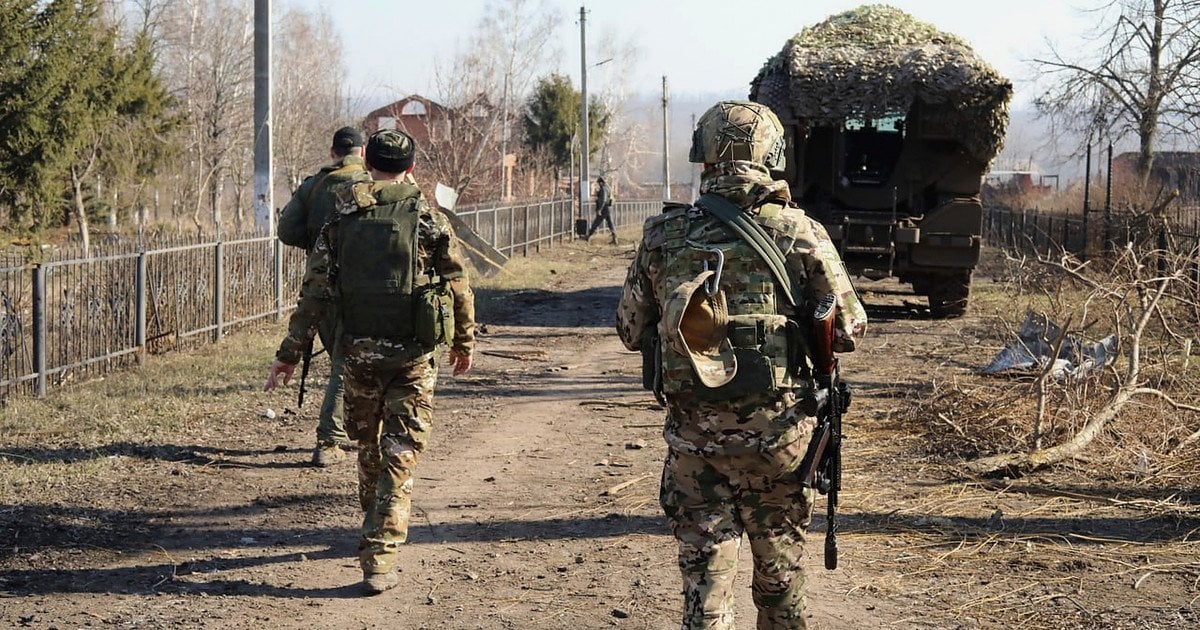

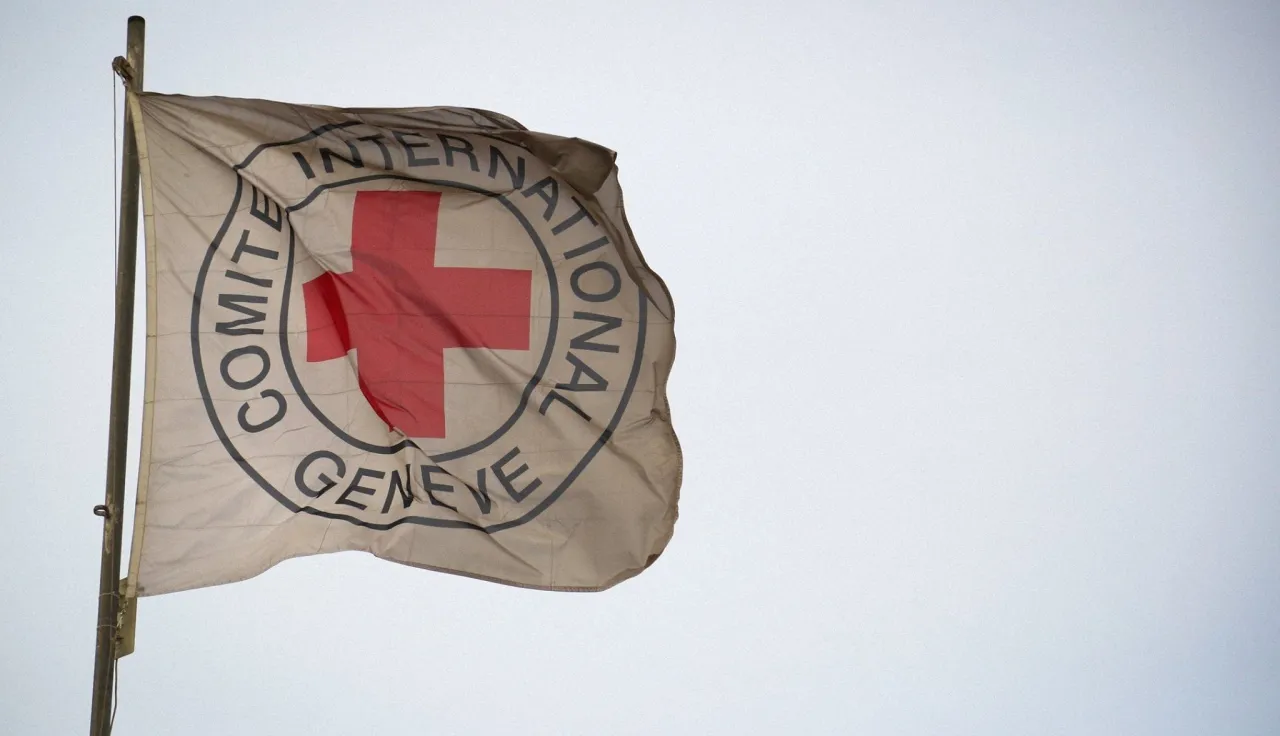
ICRC confirms it has had no access to Ukrainian POWs for two years
Russia has denied the International Committee of the Red Cross (ICRC) access to Ukrainian prisoners of war held in Russian detention since 2024. “We can confirm the lack of access to POWs in Russia since 2024,” an ICRC spokesperson told Reuters on September 18.
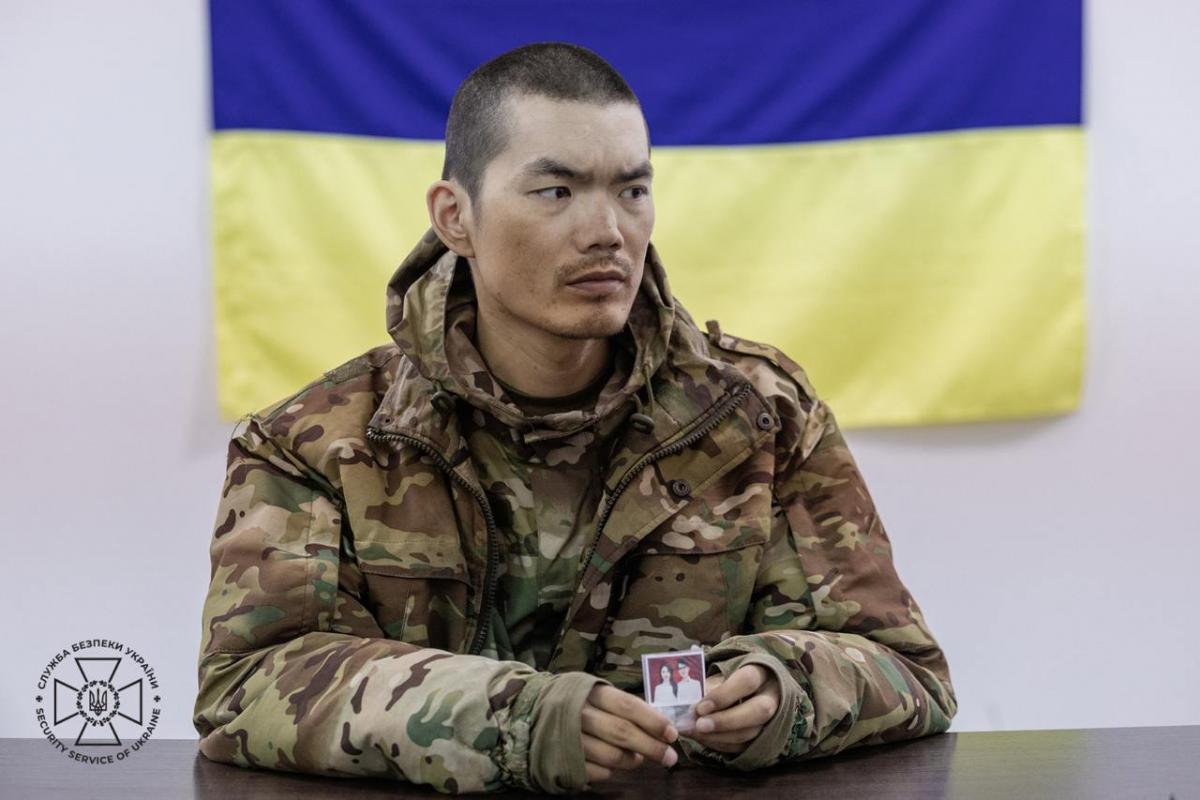
Citizens of 51 Countries Held as Prisoners of War in Ukraine
Ukraine’s Coordination Headquarters for the Treatment of Prisoners of War and the Ministry of Foreign Affairs of Ukraine have announced the launch of StopRussianRecruiters.org, an information platform documenting and exposing Russia’s deceptive recruitment of foreign nationals into its armed forces. The project also provides information about foreign prisoners of war held in Ukraine and calls on the governments of their respective countries to take diplomatic action to secure their return.
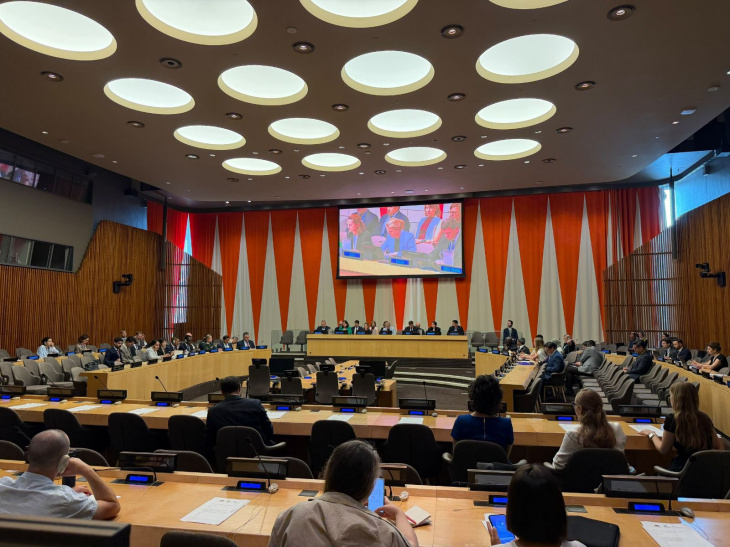
The UN Security Council holds an Arria-formula meeting on Ukrainian POWs
On August 10, the UN Security Council held an Arria-formula meeting at UN Headquarters in New York, dedicated to Russia's systematic violations of international humanitarian law against Ukrainian prisoners of war, civilian detainees, and foreign nationals. The event was convened by Latvia and the United Kingdom at Ukraine's initiative.
questions & answers
You can make a difference
Have a question, a message, or something important to share?
Whether it’s information, a concern, or a word of support, we want to hear from you.
Every voice matters.