
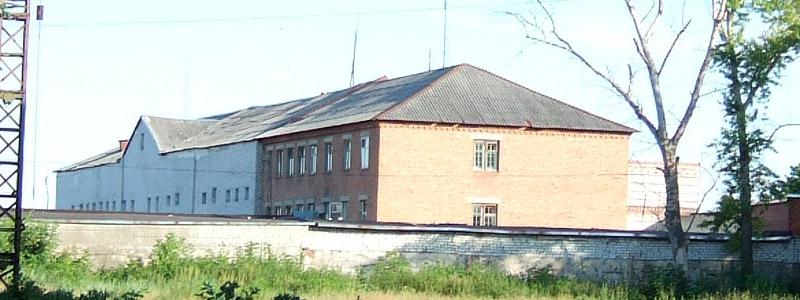
Stary Oskol Pre-Trial Detention Centre No. 2
Belgorod Oblast, Stary Oskol
Russia
Pre-Trial Detention Centre
Active
Pre-Trial Detention Centre No. 2 in Stary Oskol is a Russian pre-trial detention facility used to imprison both Ukrainian civilians and prisoners of war, including defenders from Azovstal. Testimonies reveal that this facility operates as a repressive and violent system – prisoners endure overcrowding, routine beatings, lack of medical care, and psychological torment.
Upon arrival, prisoners undergo brutal “admissions” involving beatings with batons, fists, feet, and stun guns. Certain guards used tactical gloves to inflict maximum pain. Some prisoners were hanged upside-down, subjected to electric shocks, and beaten in ways intended to leave no visible injuries. During daily “walks,” prisoners were pushed against walls and beaten in the ribs, kidneys, and legs.
The most extreme abuse was inflicted on Azov fighters and other professional military personnel.
“Re-education” involved groups of guards storming cells and violently beating prisoners until they crawled under bunks. This would continue for weeks or months after arrival.
A tiny “rubber cell” with padded walls, no toilet, and no furniture was used for total isolation. Detainees were held there naked for up to 16 hours or more, denied bathroom access, and subjected to stun gun torture.
Medical assistance was systematically denied. Prisoners requesting medicine were hit with stun guns as punishment. Some POWs avoided mentioning health issues for fear of retribution from guards. One prisoner of war with shrapnel injuries and a non-functioning arm was denied treatment. Russian medical staff told him to wait until “you get home – let them deal with it”.
“What concerns medical staff is that they are all evil there. They hated us and said various negative things. Healthcare professionals should not behave in that manner,” the former POW told the Center for Civil Society in an analytical report “Anatomy of Torture”.
“Our guy who was in Staryi Oskol suffered from a fungal infection, which started either on the leg or under his knee, and then spread to the face and neck. This is how big the infected area was. But during the 16–17 months I was there, not a single healthcare worker helped him at all. So, he was tortured by his disease for over a year. And this means constant itching and purulent skin diseases that become wet and continuously secrete toxins. It sticks to clothing and is associated with constantly dirty bedding. And it was not one doctor who did it, but the entire healthcare service at the pre-trial detention center.”
Meals were sparse and nutritionally insufficient: prisoners received porridge and watery soup three times a day, and black bread often contained mould and sand. Showering occurred once a week for 40-60 seconds. Stun guns were sometimes used during bathing.
The cells were overcrowded and unheated. Eight people were placed in six-person cells. The windows had gaps, creating extreme cold in winter and heat in summer. Mould was present in every cell.
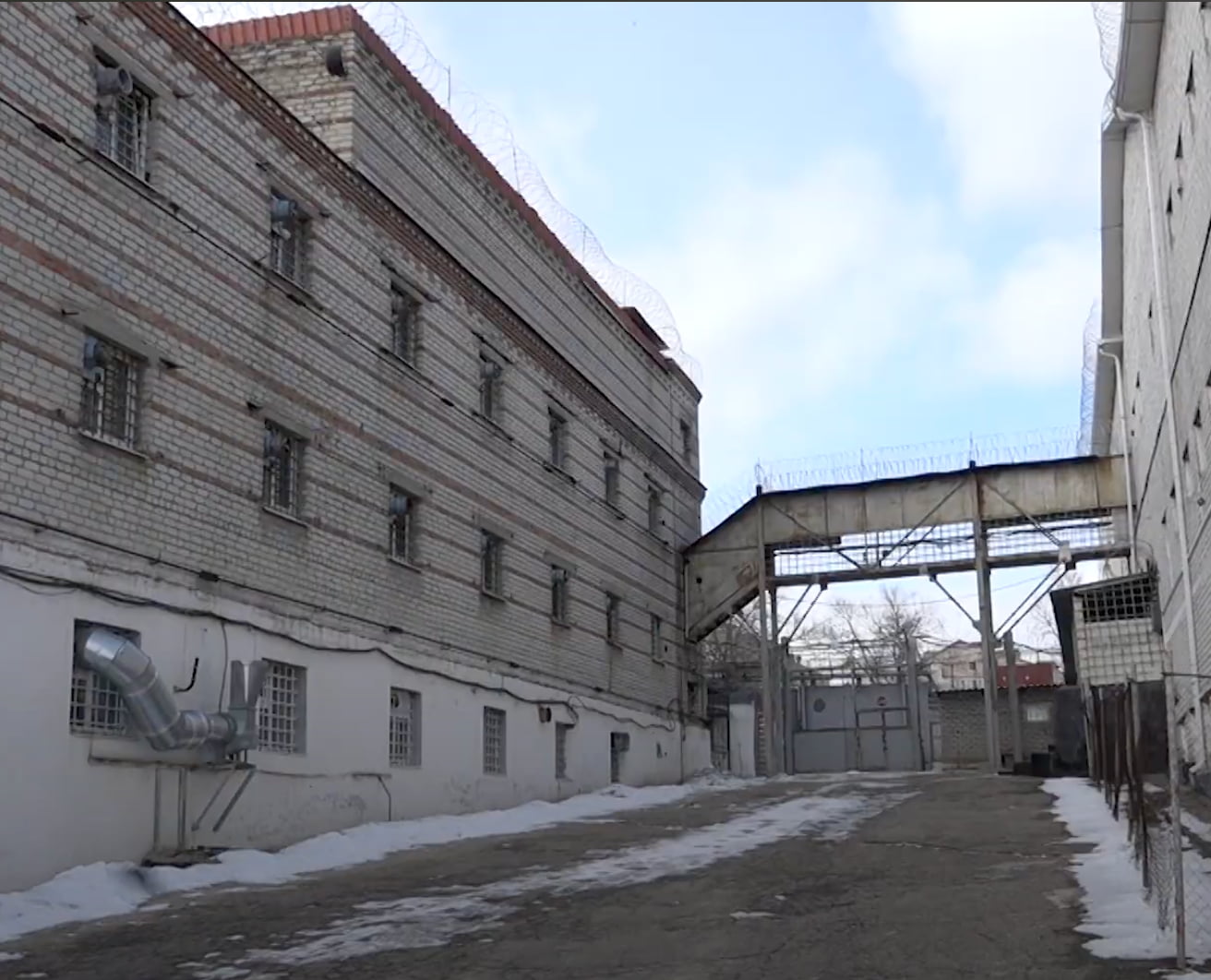
Detainees were often blindfolded and told they were going to be exchanged, only to be mocked and beaten. Solitary confinement was used as coercion: prisoners were isolated, intimidated, and threatened with decades-long prison sentences unless they cooperated.
Prisoners were required to use a formal address toward all staff and rehearse reporting protocols. Mistakes were punished with beatings. Frequent unannounced inspections required prisoners to strip and stand in humiliating positions.
“They lead you naked into the ‘rubber room,’ and you stand there for 16 hours. When they come in, they shock you with a stun gun… You’re not even allowed to use the toilet” – Oleksandr from the Kharkiv region.
“His arm was cold, with no circulation. His nerves must have been damaged. Some shrapnel was lodged in his hand, but the Russian doctors refused to remove it. ‘Let them deal with you after you go home,’ they told him” – Oleksandr from the Kharkiv region.
Overview
Pre-Trial Detention Centre No. 2 in Stary Oskol is a Russian pre-trial detention facility used to imprison both Ukrainian civilians and prisoners of war, including defenders from Azovstal. Testimonies reveal that this facility operates as a repressive and violent system – prisoners endure overcrowding, routine beatings, lack of medical care, and psychological torment.
Torture & Abuse
Upon arrival, prisoners undergo brutal “admissions” involving beatings with batons, fists, feet, and stun guns. Certain guards used tactical gloves to inflict maximum pain. Some prisoners were hanged upside-down, subjected to electric shocks, and beaten in ways intended to leave no visible injuries. During daily “walks,” prisoners were pushed against walls and beaten in the ribs, kidneys, and legs.
The most extreme abuse was inflicted on Azov fighters and other professional military personnel.
“Re-education” involved groups of guards storming cells and violently beating prisoners until they crawled under bunks. This would continue for weeks or months after arrival.
A tiny “rubber cell” with padded walls, no toilet, and no furniture was used for total isolation. Detainees were held there naked for up to 16 hours or more, denied bathroom access, and subjected to stun gun torture.
Medical Care
Medical assistance was systematically denied. Prisoners requesting medicine were hit with stun guns as punishment. Some POWs avoided mentioning health issues for fear of retribution from guards. One prisoner of war with shrapnel injuries and a non-functioning arm was denied treatment. Russian medical staff told him to wait until “you get home – let them deal with it”.
“What concerns medical staff is that they are all evil there. They hated us and said various negative things. Healthcare professionals should not behave in that manner,” the former POW told the Center for Civil Society in an analytical report “Anatomy of Torture”.
“Our guy who was in Staryi Oskol suffered from a fungal infection, which started either on the leg or under his knee, and then spread to the face and neck. This is how big the infected area was. But during the 16–17 months I was there, not a single healthcare worker helped him at all. So, he was tortured by his disease for over a year. And this means constant itching and purulent skin diseases that become wet and continuously secrete toxins. It sticks to clothing and is associated with constantly dirty bedding. And it was not one doctor who did it, but the entire healthcare service at the pre-trial detention center.”
Food & Sanitation
Meals were sparse and nutritionally insufficient: prisoners received porridge and watery soup three times a day, and black bread often contained mould and sand. Showering occurred once a week for 40-60 seconds. Stun guns were sometimes used during bathing.
The cells were overcrowded and unheated. Eight people were placed in six-person cells. The windows had gaps, creating extreme cold in winter and heat in summer. Mould was present in every cell.
Psychological Pressure
Detainees were often blindfolded and told they were going to be exchanged, only to be mocked and beaten. Solitary confinement was used as coercion: prisoners were isolated, intimidated, and threatened with decades-long prison sentences unless they cooperated.
Prisoners were required to use a formal address toward all staff and rehearse reporting protocols. Mistakes were punished with beatings. Frequent unannounced inspections required prisoners to strip and stand in humiliating positions.
Testimonies & Reports
“They lead you naked into the ‘rubber room,’ and you stand there for 16 hours. When they come in, they shock you with a stun gun… You’re not even allowed to use the toilet” – Oleksandr from the Kharkiv region.
“His arm was cold, with no circulation. His nerves must have been damaged. Some shrapnel was lodged in his hand, but the Russian doctors refused to remove it. ‘Let them deal with you after you go home,’ they told him” – Oleksandr from the Kharkiv region.
News
see more
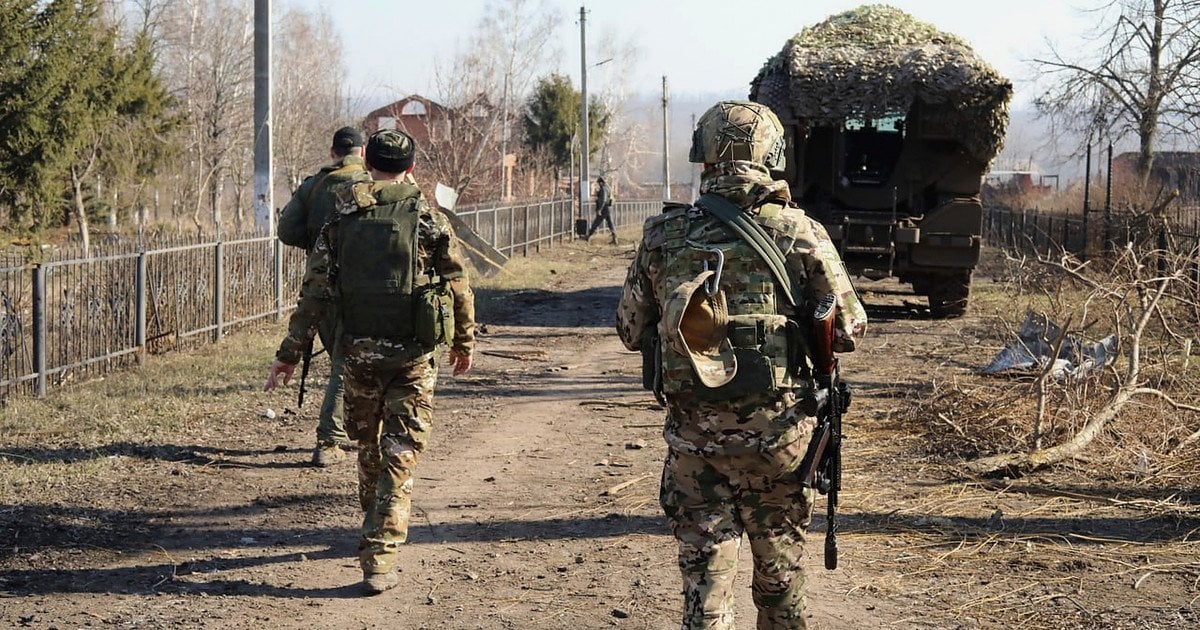
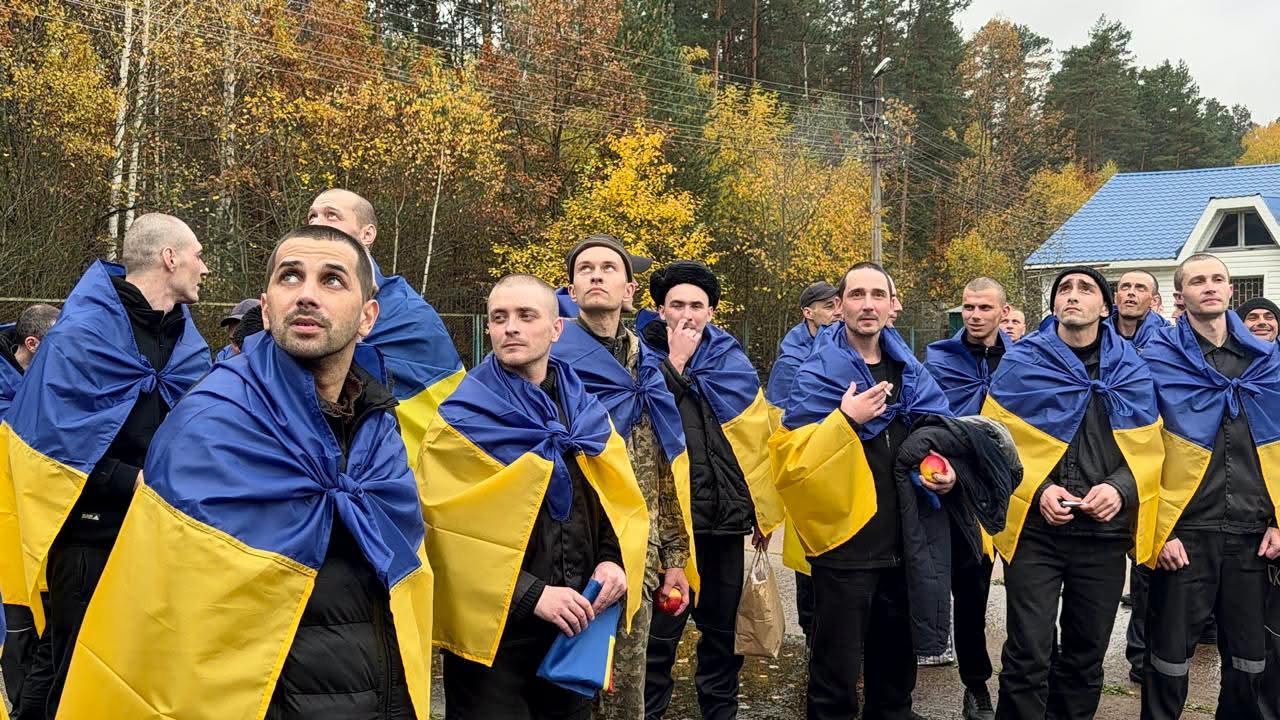
Ukraine brings home 270 Ukrainians from Russian captivity, including 35 Azov POWs
On 23 October, 270 Ukrainians were returned from Russian captivity: 261 servicemen and 9 civilians. Those released include members of the Navy, Land Forces, Air Assault Forces, State Special Transport Service, Territorial Defence Forces, Special Operations Forces and Military Law Enforcement Service, as well as the National Guard, the State Border Guard Service and a rescuer from the State Emergency Service.

ICRC confirms it has had no access to Ukrainian POWs for two years
Russia has denied the International Committee of the Red Cross (ICRC) access to Ukrainian prisoners of war held in Russian detention since 2024. “We can confirm the lack of access to POWs in Russia since 2024,” an ICRC spokesperson told Reuters on September 18.
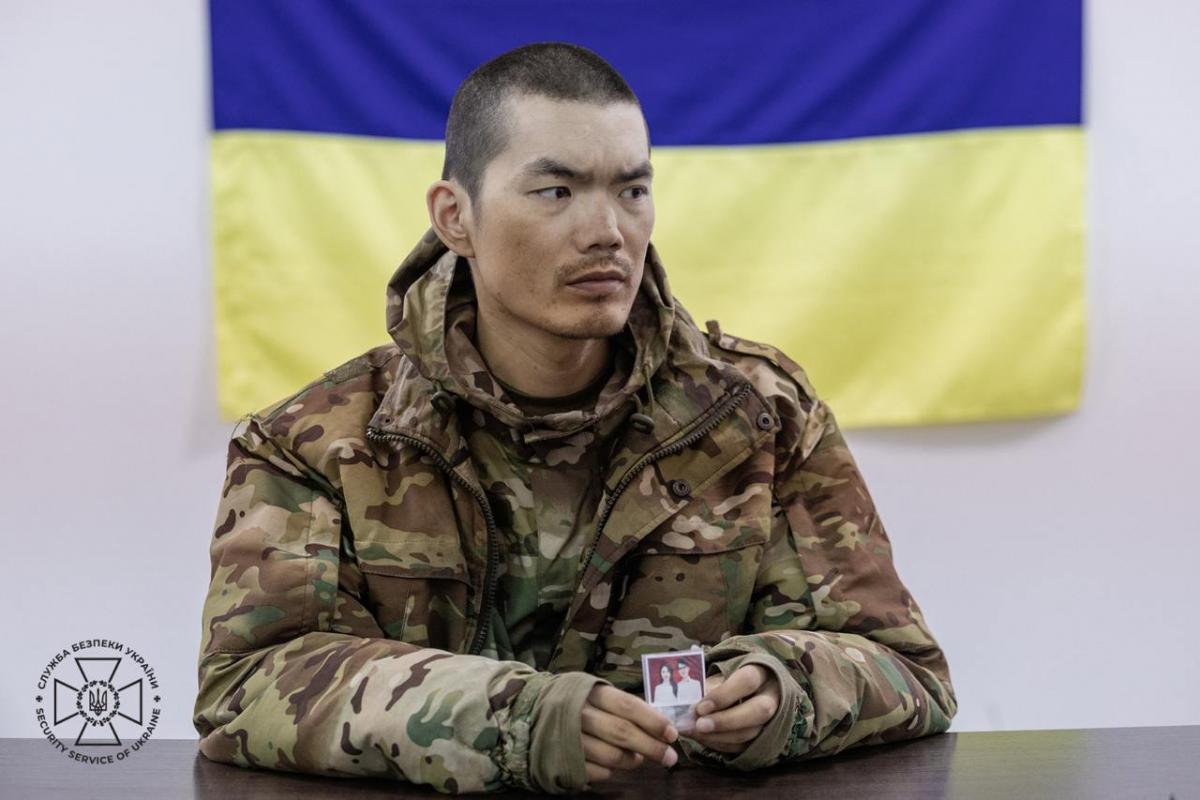
Citizens of 51 Countries Held as Prisoners of War in Ukraine
Ukraine’s Coordination Headquarters for the Treatment of Prisoners of War and the Ministry of Foreign Affairs of Ukraine have announced the launch of StopRussianRecruiters.org, an information platform documenting and exposing Russia’s deceptive recruitment of foreign nationals into its armed forces. The project also provides information about foreign prisoners of war held in Ukraine and calls on the governments of their respective countries to take diplomatic action to secure their return.
questions & answers
You can make a difference
Have a question, a message, or something important to share?
Whether it’s information, a concern, or a word of support, we want to hear from you.
Every voice matters.