
Sokolohirsk (former Pervomaisk) Converted Detention Site
Luhansk Oblast, Sokolohirsk (former Pervomaisk)
Temporarily occupied territories
Converted Detention Site
Unknown
A makeshift detention facility operated in a former shoe factory (“Salama”) in Sokolohirsk (former Pervomaisk), Luhansk Oblast, under the control of Wagner Group forces. Ukrainian POWs were held in underground cells. Conditions were unhygienic, overcrowded, and degrading. While some basic routines (like feeding) were preserved, POWs were subjected to selective torture, psychological manipulation, and inhumane living standards.
Torture was selectively applied – members of Azov and Aidar units were subjected to physical torture, likely due to their reputation as strong and disciplined fighters. We lack details of specific torture methods at this site, but the conditions themselves point to harsh and degrading treatment.
There is no direct information about medical care or assistance in the Pervomaisk facility. However, given the overcrowding, poor sanitation, and malnutrition, it is unlikely that adequate care was provided.
Food and water were provided, but grossly insufficient. Prisoners received one military ration for every three men. This amounted to approximately 50g of crackers and 250g of canned food per person daily. Water was rationed inconsistently – initially one litre per day per person, later reduced to half a litre as more people were crammed into the same space.
Sanitary conditions were appalling. Cells measuring just 13 square meters sometimes held up to 20 prisoners at a time. Cells were damp and mould-infested, with water dripping from the ceiling. Prisoners slept on metal racks, wooden pallets, or directly on cardboard placed on the floor.
Wagner personnel used psychological manipulation to demoralise prisoners. They were regularly fed disinformation or distorted facts about the war. Detainees were routinely told that Ukrainian cities, such as Zaporizhzhia, had been annexed by Russia. Access to reliable news was restricted entirely, so prisoners depended on newly arrived captives as the only source of information about the outside world.
“There were up to 20 men in a 13-square-meter cell. We slept on the concrete floor or pallets. The cell was damp and infested with mold, with water dripping from the ceiling. We put cardboard boxes on the floor. Some cells had shelving units.” — Oleksandr Makarevych, service member of the 72nd Black Zaporozhians Separate Mechanized Brigade.
“They fed us regularly, but the portions were extremely small. One military ration for three men. On average, that meant about 50 grams of crackers and 250 grams of canned food per person per day. It was usually some kind of porridge with meat or peas. It was random.” — Oleksandr Makarevych, service member of the 72nd Black Zaporozhians Separate Mechanized Brigade
Overview
A makeshift detention facility operated in a former shoe factory (“Salama”) in Sokolohirsk (former Pervomaisk), Luhansk Oblast, under the control of Wagner Group forces. Ukrainian POWs were held in underground cells. Conditions were unhygienic, overcrowded, and degrading. While some basic routines (like feeding) were preserved, POWs were subjected to selective torture, psychological manipulation, and inhumane living standards.
Torture & Abuse
Torture was selectively applied – members of Azov and Aidar units were subjected to physical torture, likely due to their reputation as strong and disciplined fighters. We lack details of specific torture methods at this site, but the conditions themselves point to harsh and degrading treatment.
Medical Care
There is no direct information about medical care or assistance in the Pervomaisk facility. However, given the overcrowding, poor sanitation, and malnutrition, it is unlikely that adequate care was provided.
Food & Sanitation
Food and water were provided, but grossly insufficient. Prisoners received one military ration for every three men. This amounted to approximately 50g of crackers and 250g of canned food per person daily. Water was rationed inconsistently – initially one litre per day per person, later reduced to half a litre as more people were crammed into the same space.
Sanitary conditions were appalling. Cells measuring just 13 square meters sometimes held up to 20 prisoners at a time. Cells were damp and mould-infested, with water dripping from the ceiling. Prisoners slept on metal racks, wooden pallets, or directly on cardboard placed on the floor.
Psychological Pressure
Wagner personnel used psychological manipulation to demoralise prisoners. They were regularly fed disinformation or distorted facts about the war. Detainees were routinely told that Ukrainian cities, such as Zaporizhzhia, had been annexed by Russia. Access to reliable news was restricted entirely, so prisoners depended on newly arrived captives as the only source of information about the outside world.
Testimonies & Reports
“There were up to 20 men in a 13-square-meter cell. We slept on the concrete floor or pallets. The cell was damp and infested with mold, with water dripping from the ceiling. We put cardboard boxes on the floor. Some cells had shelving units.” — Oleksandr Makarevych, service member of the 72nd Black Zaporozhians Separate Mechanized Brigade.
“They fed us regularly, but the portions were extremely small. One military ration for three men. On average, that meant about 50 grams of crackers and 250 grams of canned food per person per day. It was usually some kind of porridge with meat or peas. It was random.” — Oleksandr Makarevych, service member of the 72nd Black Zaporozhians Separate Mechanized Brigade
News
see more

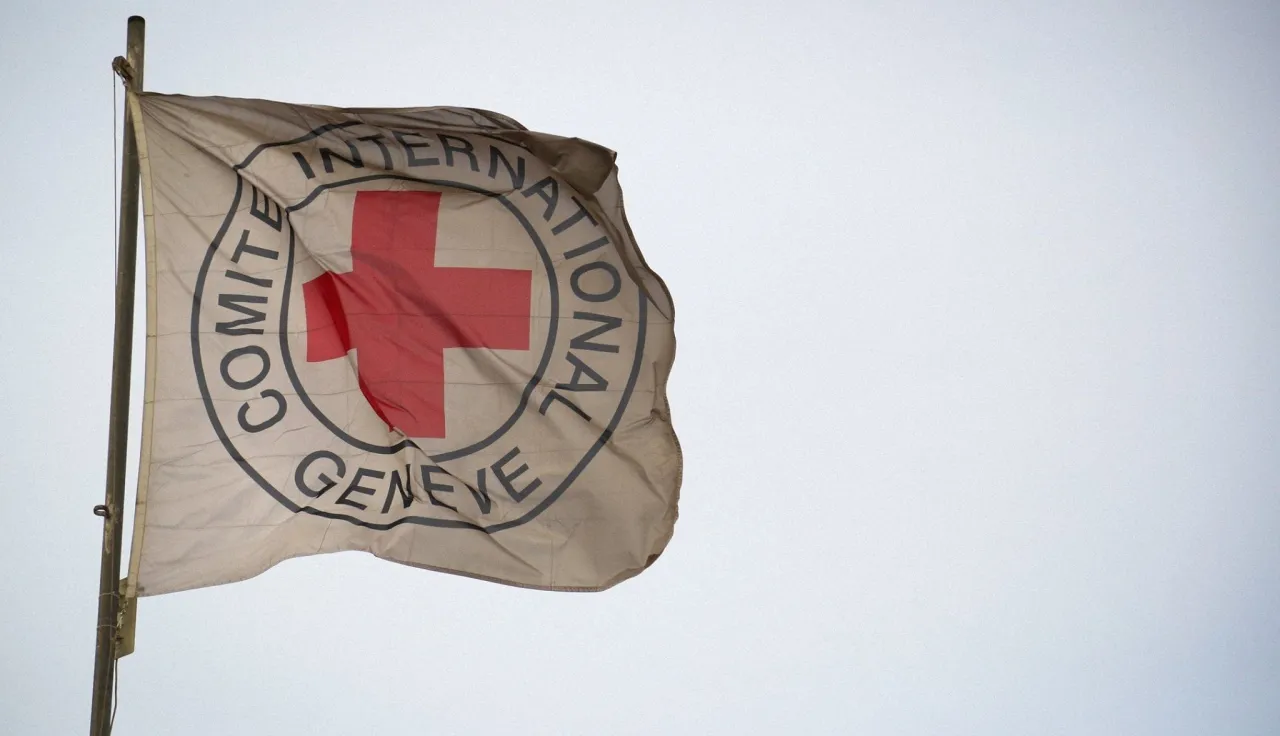
ICRC confirms it has had no access to Ukrainian POWs for two years
Russia has denied the International Committee of the Red Cross (ICRC) access to Ukrainian prisoners of war held in Russian detention since 2024. “We can confirm the lack of access to POWs in Russia since 2024,” an ICRC spokesperson told Reuters on September 18.
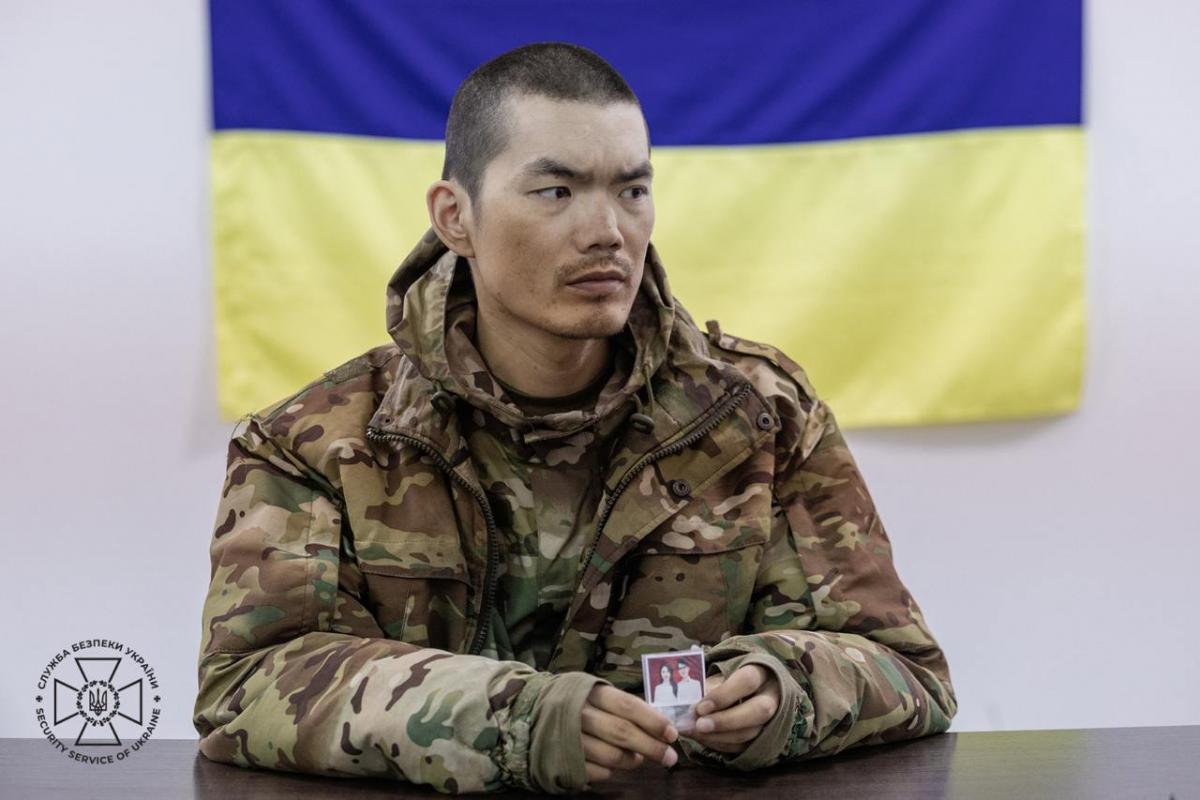
Citizens of 51 Countries Held as Prisoners of War in Ukraine
Ukraine’s Coordination Headquarters for the Treatment of Prisoners of War and the Ministry of Foreign Affairs of Ukraine have announced the launch of StopRussianRecruiters.org, an information platform documenting and exposing Russia’s deceptive recruitment of foreign nationals into its armed forces. The project also provides information about foreign prisoners of war held in Ukraine and calls on the governments of their respective countries to take diplomatic action to secure their return.
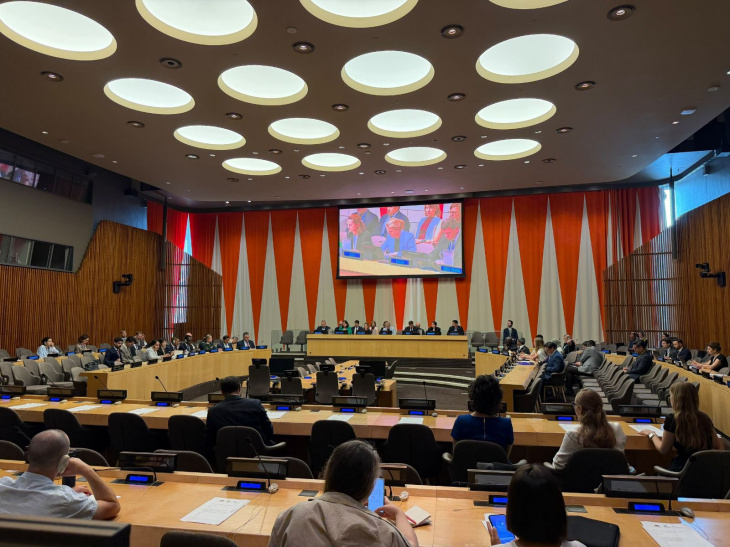
The UN Security Council holds an Arria-formula meeting on Ukrainian POWs
On August 10, the UN Security Council held an Arria-formula meeting at UN Headquarters in New York, dedicated to Russia's systematic violations of international humanitarian law against Ukrainian prisoners of war, civilian detainees, and foreign nationals. The event was convened by Latvia and the United Kingdom at Ukraine's initiative.
questions & answers
You can make a difference
Have a question, a message, or something important to share?
Whether it’s information, a concern, or a word of support, we want to hear from you.
Every voice matters.