
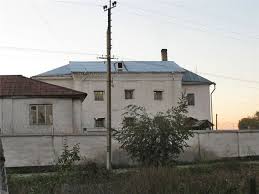
Galich Pre-trial Detention Centre No. 2
Galich, Kostroma Oblast
Russia
Pre-Trial Detention Centre
Active
Pre-trial detention centre No. 2 in the city of Galich, Kostroma oblast, is a place where Russians hold both prisoners of war and illegally detained Ukrainian civilians.
Prisoners released from this detention centre say that beatings and torture were systematic and widespread. The FSB personnel were rotated monthly, and they used violence against the POWs, using whatever means were at hand (sticks, whips, wooden hammers, sledgehammers, etc).
Torture and abuse were commonplace in this institution, as in other places of detention. Among the methods of torture used in SIZO-2 Galich were:
- severe beatings,
- electric shock,
- suffocation with plastic bags,
- waterboarding,
- burning the ears with a lighter,
- sexual violence.
If any of the prisoners were found to have tattoos with Ukrainian symbols, they were forced to cut them out with a knife or wire. The prisoners also underwent gruelling interrogations, which could last from 8 a.m. to 11 p.m. without days off.
At first, interrogations were conducted by the military, and then by investigators and special forces.
Due to ill-treatment, a number of prisoners attempted suicide. However, they were constantly monitored, and any attempt to take their own lives led to guards entering the cell and beating everyone inside.
According to the recollections of former prisoners, there was no doctor in the pre-trial detention centre. Adequate medical care was unavailable. Given the systematic beatings and starvation, treatment and qualified care were extremely necessary for the prisoners.
Often, the prison guards wouldn’t let the prisoners go to the toilet at night. To get permission, the prisoners had to do physical exercises.
The food was poor and insufficient. According to the testimony, one prisoner of war lost weight from 75 kg to 44 kg. But before the exchange, prison staff started to fatten them up.
In addition to physical violence, detention centre staff also subjected prisoners to psychological pressure. POWs were systematically misinformed, being told that Ukraine refused to take them back and that their family members had moved to Russia and changed their citizenship. Also, contrary to the Geneva Convention, it was forbidden for the prisoners to write letters to their loved ones.
“People are starting to go crazy because of hunger. Especially the older ones, the younger ones are coping better. You don’t have any control over yourself there. After one of the suicide attempts among the men, representatives of the FSB, who were responsible for us there, arrived. He came in and said, “Without permission, you won’t die here,” – recalled combat medic Dmytro Seliutin.
“I found myself in the worst hell imaginable. When you can’t do anything and people beat you 3-4 times a day, shock you with stun guns, torture you. They beat us every day for a year and nine months. Every day, it was scary to even go for a walk or go out for a check-up, because they simply did whatever they wanted. They broke my ribs and spine,” recalled freed prisoner Oleksandr Muzyka.
Overview
Pre-trial detention centre No. 2 in the city of Galich, Kostroma oblast, is a place where Russians hold both prisoners of war and illegally detained Ukrainian civilians.
Prisoners released from this detention centre say that beatings and torture were systematic and widespread. The FSB personnel were rotated monthly, and they used violence against the POWs, using whatever means were at hand (sticks, whips, wooden hammers, sledgehammers, etc).
Torture & abuse
Torture and abuse were commonplace in this institution, as in other places of detention. Among the methods of torture used in SIZO-2 Galich were:
- severe beatings,
- electric shock,
- suffocation with plastic bags,
- waterboarding,
- burning the ears with a lighter,
- sexual violence.
If any of the prisoners were found to have tattoos with Ukrainian symbols, they were forced to cut them out with a knife or wire. The prisoners also underwent gruelling interrogations, which could last from 8 a.m. to 11 p.m. without days off.
At first, interrogations were conducted by the military, and then by investigators and special forces.
Due to ill-treatment, a number of prisoners attempted suicide. However, they were constantly monitored, and any attempt to take their own lives led to guards entering the cell and beating everyone inside.
Medical care
According to the recollections of former prisoners, there was no doctor in the pre-trial detention centre. Adequate medical care was unavailable. Given the systematic beatings and starvation, treatment and qualified care were extremely necessary for the prisoners.
Food & Sanitation
Often, the prison guards wouldn’t let the prisoners go to the toilet at night. To get permission, the prisoners had to do physical exercises.
The food was poor and insufficient. According to the testimony, one prisoner of war lost weight from 75 kg to 44 kg. But before the exchange, prison staff started to fatten them up.
Psychological Pressure
In addition to physical violence, detention centre staff also subjected prisoners to psychological pressure. POWs were systematically misinformed, being told that Ukraine refused to take them back and that their family members had moved to Russia and changed their citizenship. Also, contrary to the Geneva Convention, it was forbidden for the prisoners to write letters to their loved ones.
Testimonies & Reports
“People are starting to go crazy because of hunger. Especially the older ones, the younger ones are coping better. You don’t have any control over yourself there. After one of the suicide attempts among the men, representatives of the FSB, who were responsible for us there, arrived. He came in and said, “Without permission, you won’t die here,” – recalled combat medic Dmytro Seliutin.
“I found myself in the worst hell imaginable. When you can’t do anything and people beat you 3-4 times a day, shock you with stun guns, torture you. They beat us every day for a year and nine months. Every day, it was scary to even go for a walk or go out for a check-up, because they simply did whatever they wanted. They broke my ribs and spine,” recalled freed prisoner Oleksandr Muzyka.
News
see more
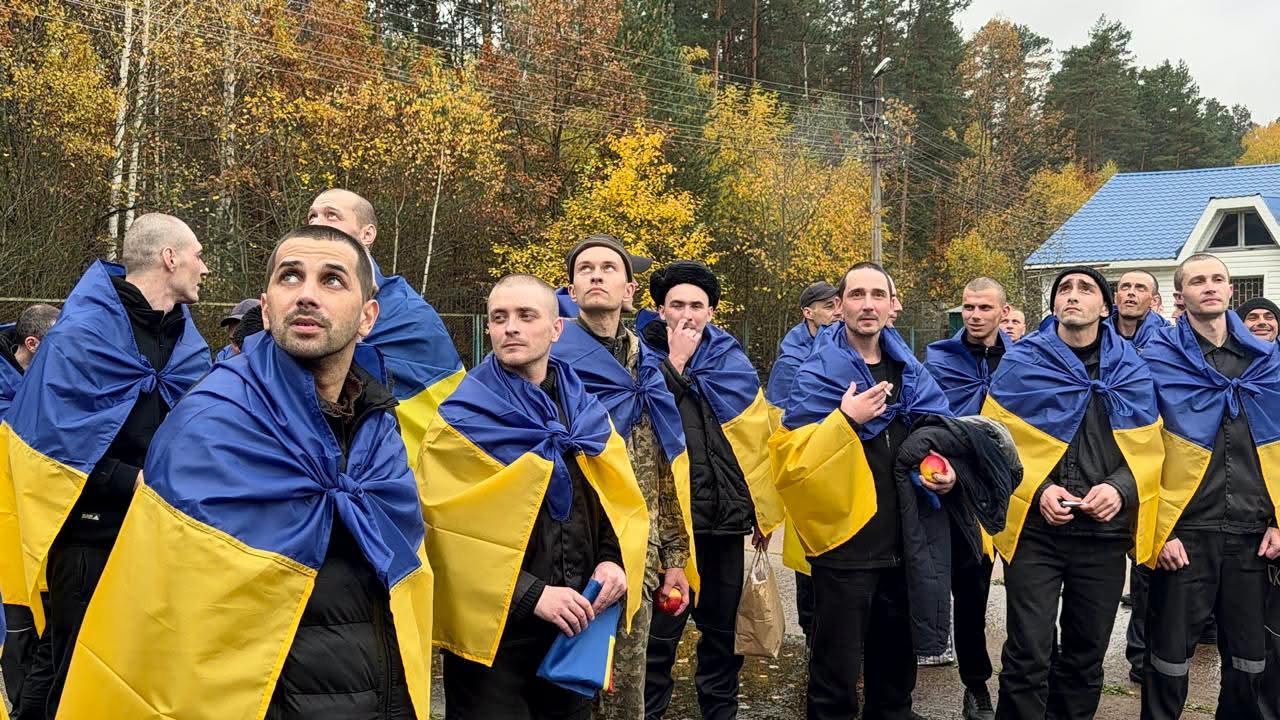
Ukraine brings home 270 Ukrainians from Russian captivity, including 35 Azov POWs
On 23 October, 270 Ukrainians were returned from Russian captivity: 261 servicemen and 9 civilians. Those released include members of the Navy, Land Forces, Air Assault Forces, State Special Transport Service, Territorial Defence Forces, Special Operations Forces and Military Law Enforcement Service, as well as the National Guard, the State Border Guard Service and a rescuer from the State Emergency Service.

ICRC confirms it has had no access to Ukrainian POWs for two years
Russia has denied the International Committee of the Red Cross (ICRC) access to Ukrainian prisoners of war held in Russian detention since 2024. “We can confirm the lack of access to POWs in Russia since 2024,” an ICRC spokesperson told Reuters on September 18.
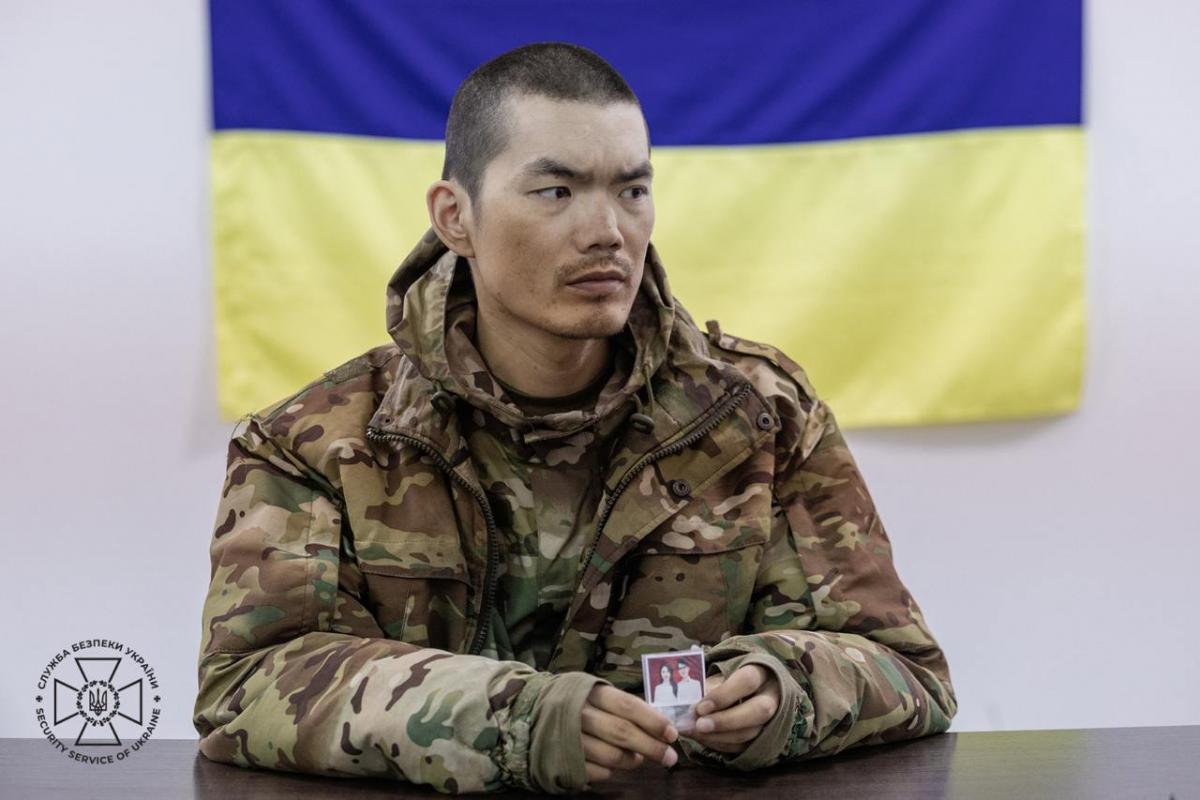
Citizens of 51 Countries Held as Prisoners of War in Ukraine
Ukraine’s Coordination Headquarters for the Treatment of Prisoners of War and the Ministry of Foreign Affairs of Ukraine have announced the launch of StopRussianRecruiters.org, an information platform documenting and exposing Russia’s deceptive recruitment of foreign nationals into its armed forces. The project also provides information about foreign prisoners of war held in Ukraine and calls on the governments of their respective countries to take diplomatic action to secure their return.
questions & answers
You can make a difference
Have a question, a message, or something important to share?
Whether it’s information, a concern, or a word of support, we want to hear from you.
Every voice matters.