
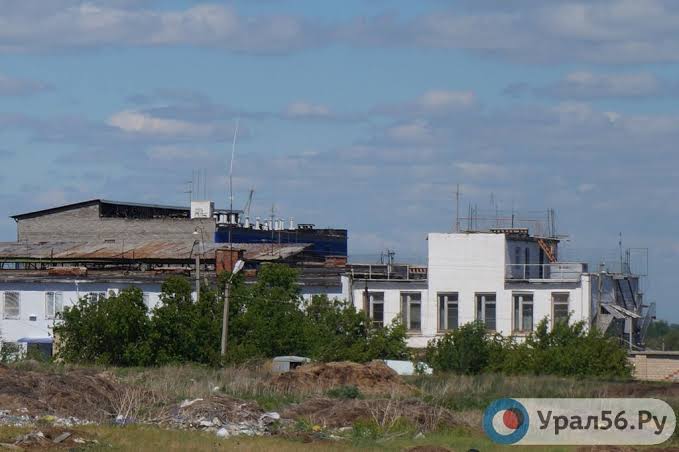
Orsk Pre-Trial Detention Centre No. 2
Stepnoy Settlement, Orsk, Orenburg Oblast, Russia
Russia
Pre-trial Detention Center
Active
SIZO No. 2 in Orsk, Orenburg Oblast, is one of the facilities where Ukrainian prisoners of war have been held near the border with Kazakhstan. According to testimonies from released POWs, the administration enforced a regime of strict control, psychological pressure, and degrading movement procedures.
Prisoners were required to move around the facility only in the so-called “dolphin position” – with their hands raised behind their backs and their heads bent forward almost to waist level.
According to Azov service member and former prisoner of war Serhii Bentsa, the “reception procedure” upon arrival at SIZO No. 2 in Orsk was less violent than in some other places of captivity. Nevertheless, the facility remained a site of systematic humiliation and cruel treatment.
Whenever prisoners of war were escorted through the detention center, they were forced to maintain the “dolphin position,” which caused physical pain and served as a constant method of control and degradation.
In 2025, according to Bentsa’s testimony for Free Radio, an officer of Russia’s Federal Security Service (FSB) attempted to coerce him into falsely incriminating himself and accepting responsibility for a fabricated crime. After he refused, he was subjected to physical violence.
“At first, the interrogation was calm. I stood facing the wall in the corner and answered general questions. Then the FSB officer started beating me with special equipment and kicking me. He choked me and shouted at me to look him in the eyes. I guess he wanted to see fear.”
According to the former POW, after the beating the FSB officer offered him the opportunity to confess to any crime in order to improve the officer’s performance statistics.
“Just anything. He said it didn’t matter what. He told me it would improve his performance rating and earn him a bonus. I refused. After that, he hit me several more times.”
No reliable information is currently available in open sources regarding the provision or denial of medical care at SIZO No. 2 in Orsk.
According to released Ukrainian prisoners of war, detainees were regularly transferred from one cell to another. Some cells were so cold that prisoners were almost constantly ill.
One of the most difficult experiences was spending several months in a two-person cell. The prolonged confinement caused severe psychological strain due to constant isolation and the inability to escape the same environment.
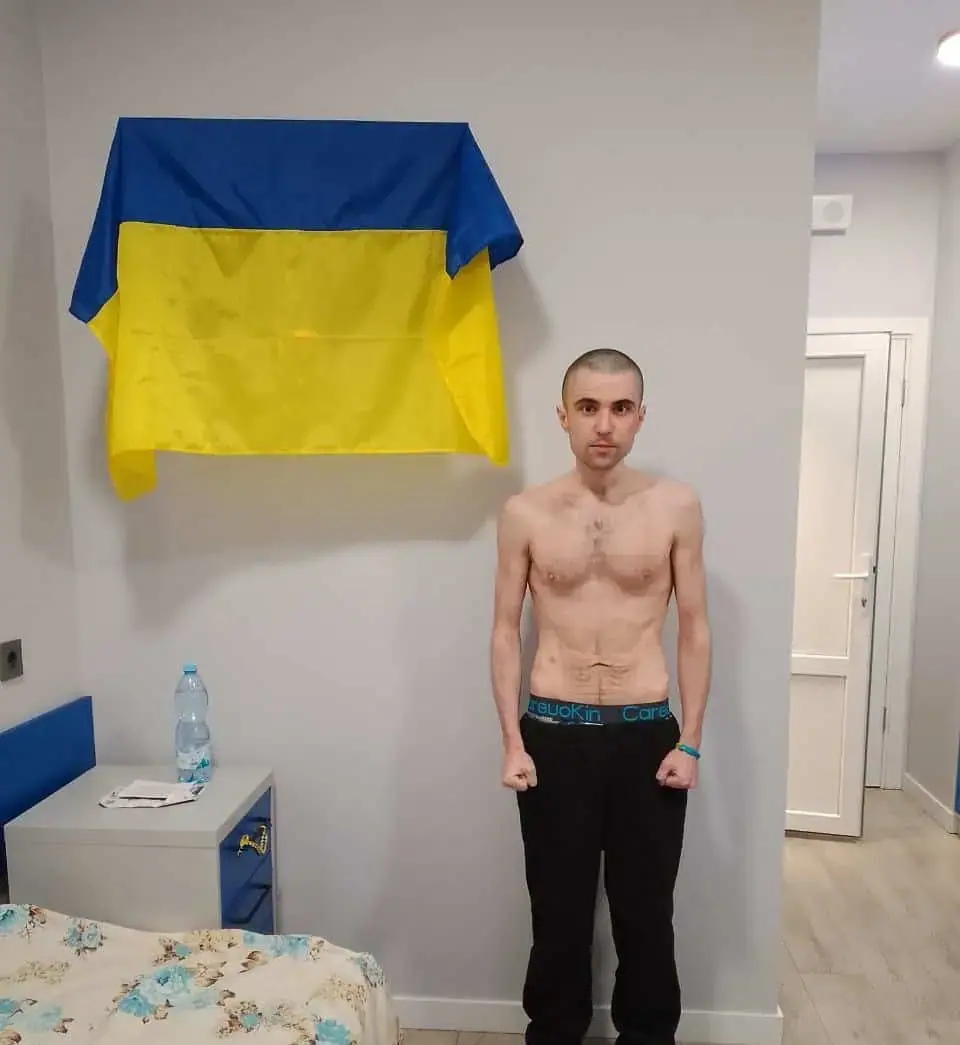
Psychological coercion was widely used at SIZO No. 2. According to former prisoners of war, staff members repeatedly told Ukrainian detainees that Ukraine no longer existed, pressured them to refuse future prisoner exchanges, and forced them to memorize prayers in Church Slavonic.
“The physical abuse in Orsk wasn’t as severe. The psychological pressure was much worse. They constantly repeated that Ukraine no longer existed. They tried to persuade us to sign refusals of prisoner exchange. They forced us to learn prayers in Church Slavonic language.”
Overview
SIZO No. 2 in Orsk, Orenburg Oblast, is one of the facilities where Ukrainian prisoners of war have been held near the border with Kazakhstan. According to testimonies from released POWs, the administration enforced a regime of strict control, psychological pressure, and degrading movement procedures.
Prisoners were required to move around the facility only in the so-called “dolphin position” – with their hands raised behind their backs and their heads bent forward almost to waist level.
Torture & Abuse
According to Azov service member and former prisoner of war Serhii Bentsa, the “reception procedure” upon arrival at SIZO No. 2 in Orsk was less violent than in some other places of captivity. Nevertheless, the facility remained a site of systematic humiliation and cruel treatment.
Whenever prisoners of war were escorted through the detention center, they were forced to maintain the “dolphin position,” which caused physical pain and served as a constant method of control and degradation.
In 2025, according to Bentsa’s testimony for Free Radio, an officer of Russia’s Federal Security Service (FSB) attempted to coerce him into falsely incriminating himself and accepting responsibility for a fabricated crime. After he refused, he was subjected to physical violence.
“At first, the interrogation was calm. I stood facing the wall in the corner and answered general questions. Then the FSB officer started beating me with special equipment and kicking me. He choked me and shouted at me to look him in the eyes. I guess he wanted to see fear.”
According to the former POW, after the beating the FSB officer offered him the opportunity to confess to any crime in order to improve the officer’s performance statistics.
“Just anything. He said it didn’t matter what. He told me it would improve his performance rating and earn him a bonus. I refused. After that, he hit me several more times.”
Medical Care
No reliable information is currently available in open sources regarding the provision or denial of medical care at SIZO No. 2 in Orsk.
Food & Sanitation
According to released Ukrainian prisoners of war, detainees were regularly transferred from one cell to another. Some cells were so cold that prisoners were almost constantly ill.
One of the most difficult experiences was spending several months in a two-person cell. The prolonged confinement caused severe psychological strain due to constant isolation and the inability to escape the same environment.
Psychological Pressure
Psychological coercion was widely used at SIZO No. 2. According to former prisoners of war, staff members repeatedly told Ukrainian detainees that Ukraine no longer existed, pressured them to refuse future prisoner exchanges, and forced them to memorize prayers in Church Slavonic.
“The physical abuse in Orsk wasn’t as severe. The psychological pressure was much worse. They constantly repeated that Ukraine no longer existed. They tried to persuade us to sign refusals of prisoner exchange. They forced us to learn prayers in Church Slavonic language.”
News
see more
The UN Security Council holds an Arria-formula meeting on Ukrainian POWs
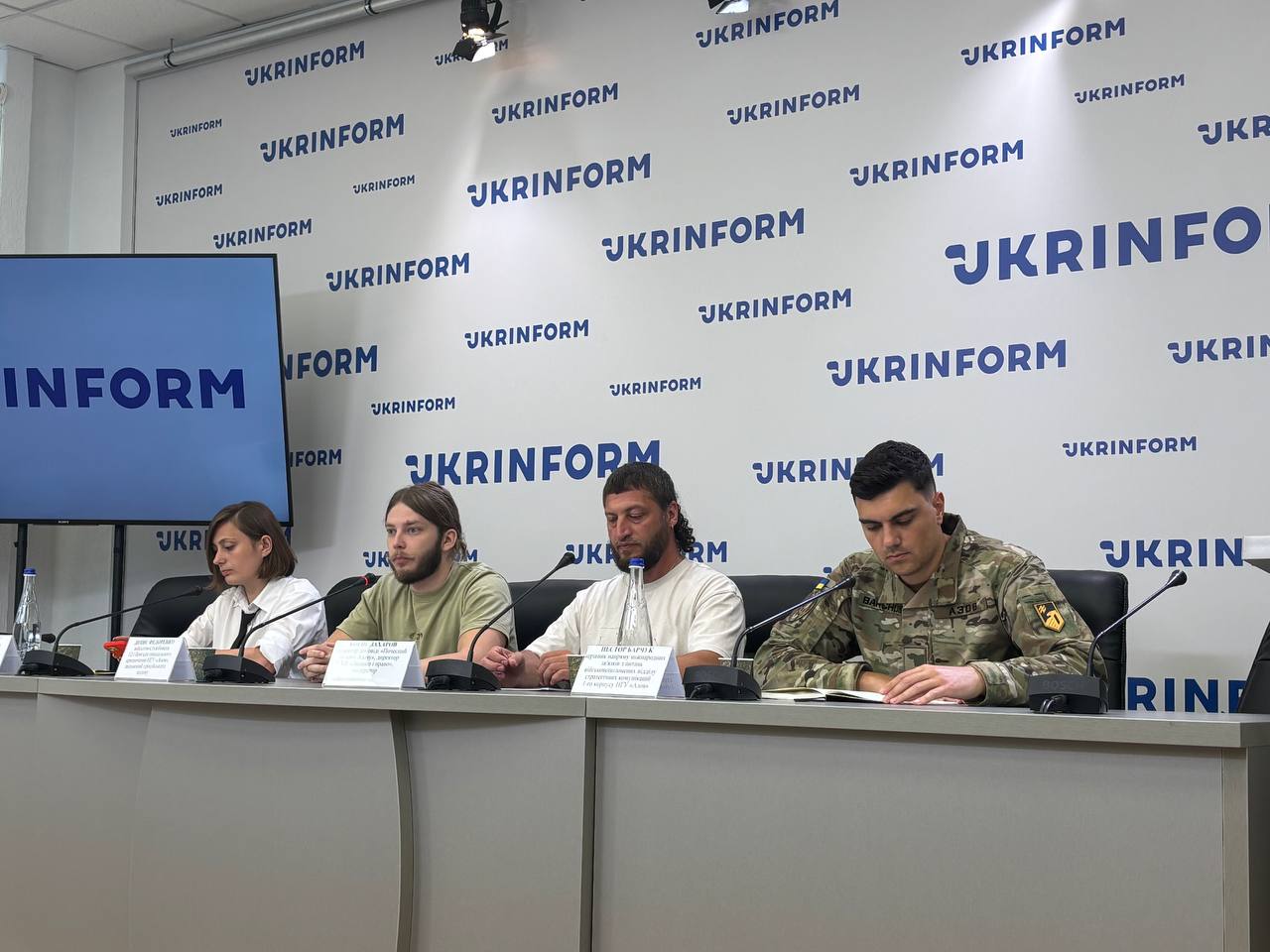
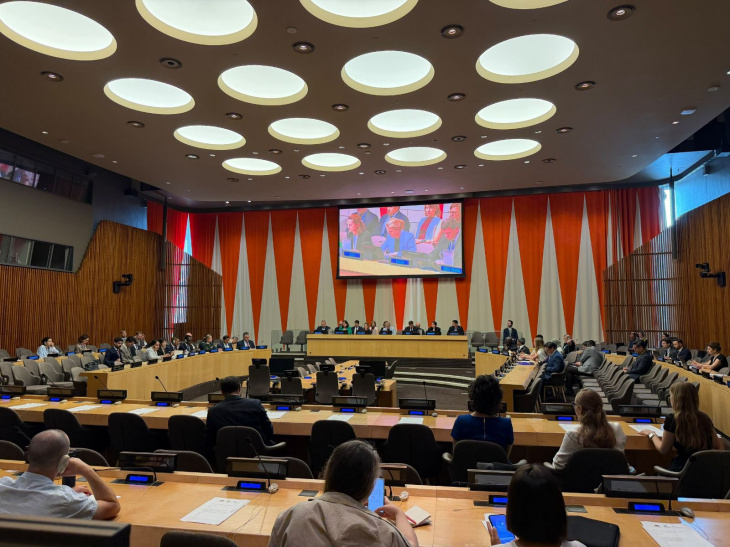
On August 10, the UN Security Council held an Arria-formula meeting at UN Headquarters in New York, dedicated to Russia's systematic violations of international humanitarian law against Ukrainian prisoners of war, civilian detainees, and foreign nationals. The event was convened by Latvia and the United Kingdom at Ukraine's initiative.
Russia forms military unit from Ukrainian POWs in violation of the Geneva Convention
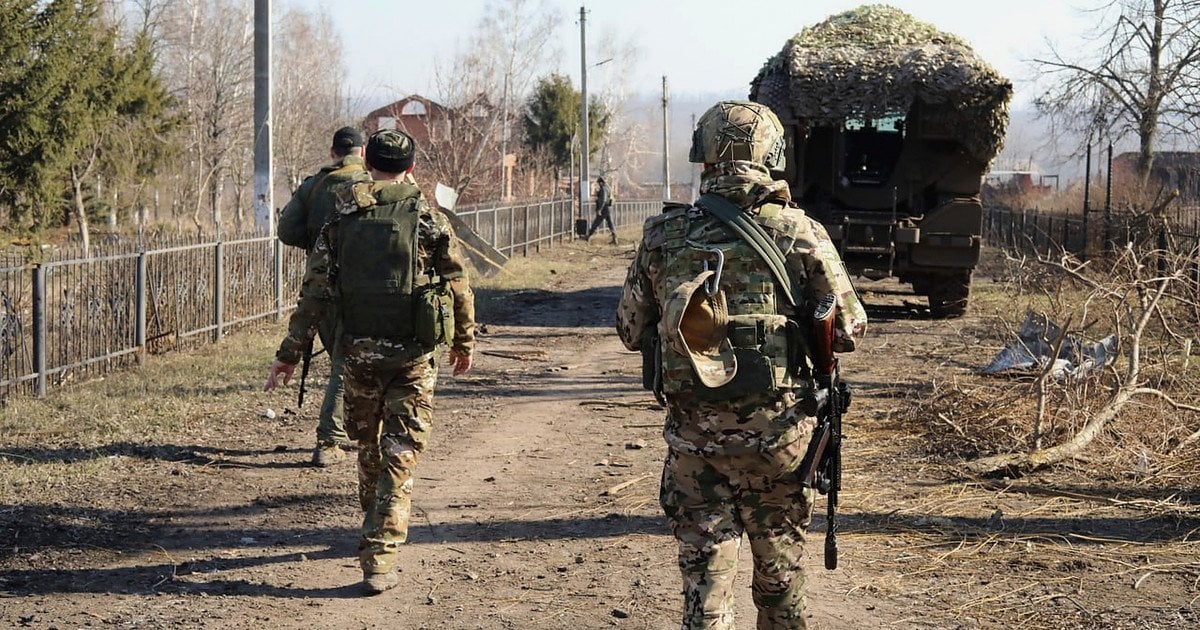
Russia has formed a new military unit made up of Ukrainian prisoners of war and former servicemen of the Armed Forces of Ukraine. The creation of the so-called "First Ukrainian Volunteer Special Purpose Brigade" became known on August 6. The unit was incorporated into the "Volunteer Corps" of Russia's Ministry of Defense.
Fourth anniversary of the Olenivka attack: memorial installation unveiled in Kyiv
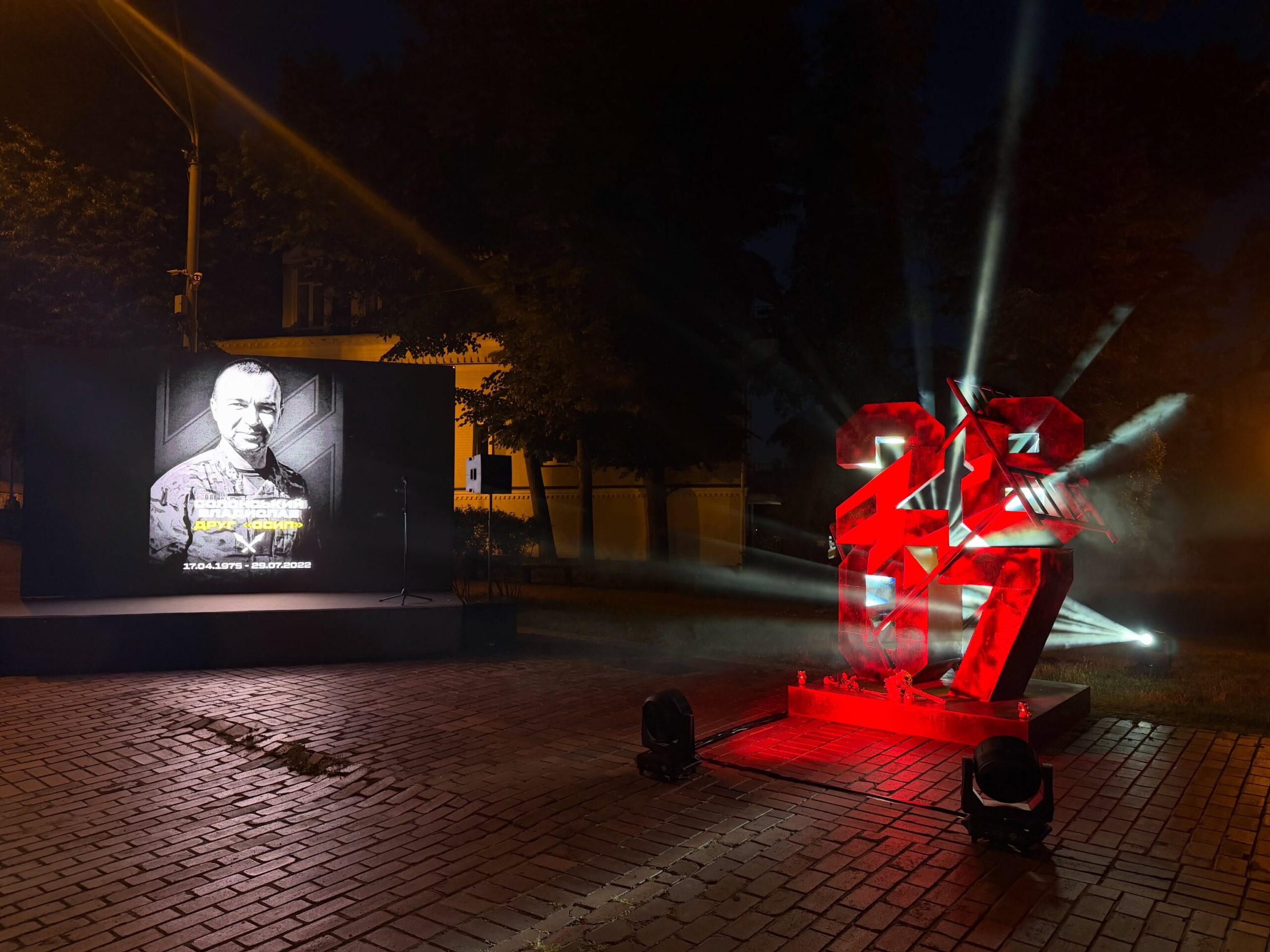
A permanent memorial installation commemorating the victims of the Russian terrorist attack in Olenivka has been unveiled at Mykhailivska Square in Kyiv, the Association of Azovstal Defenders’ Families announced.
questions & answers
You can make a difference
Have a question, a message, or something important to share?
Whether it’s information, a concern, or a word of support, we want to hear from you.
Every voice matters.