
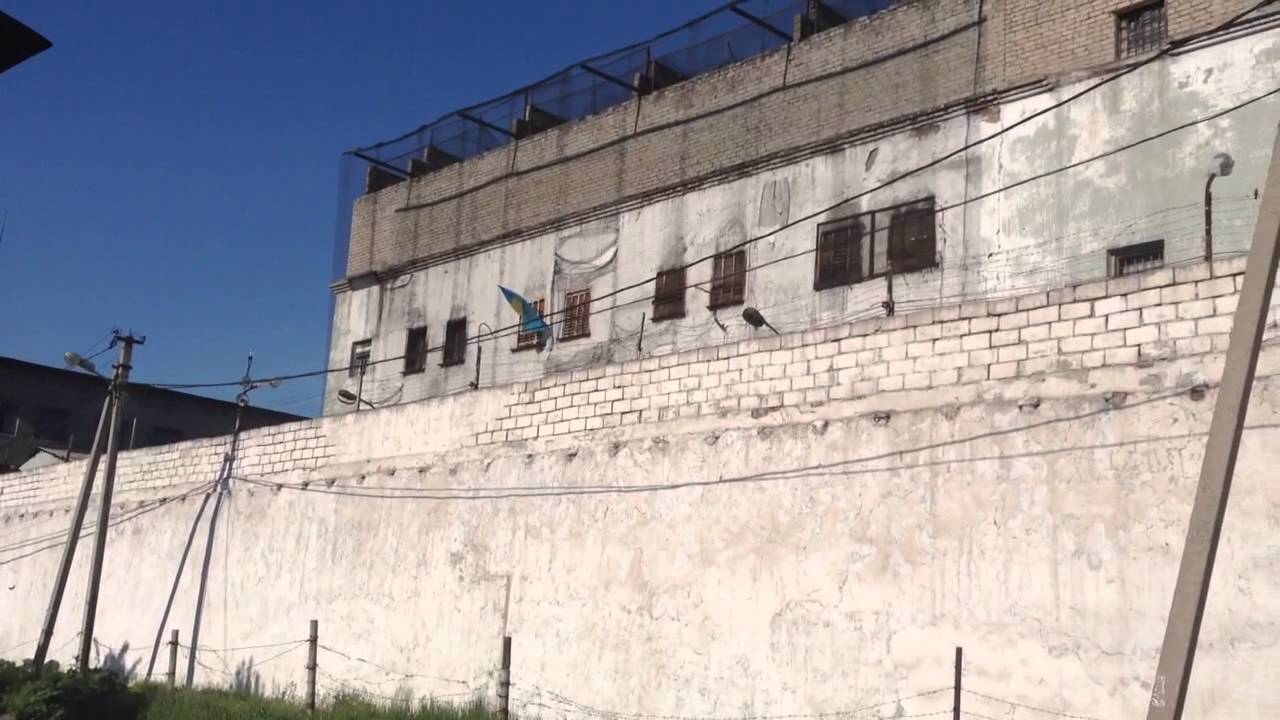
Donetsk Pre-Trial Detention Centre No. 5
Donetsk
Temporarily occupied territories
Pre-Trial Detention Centre
Active
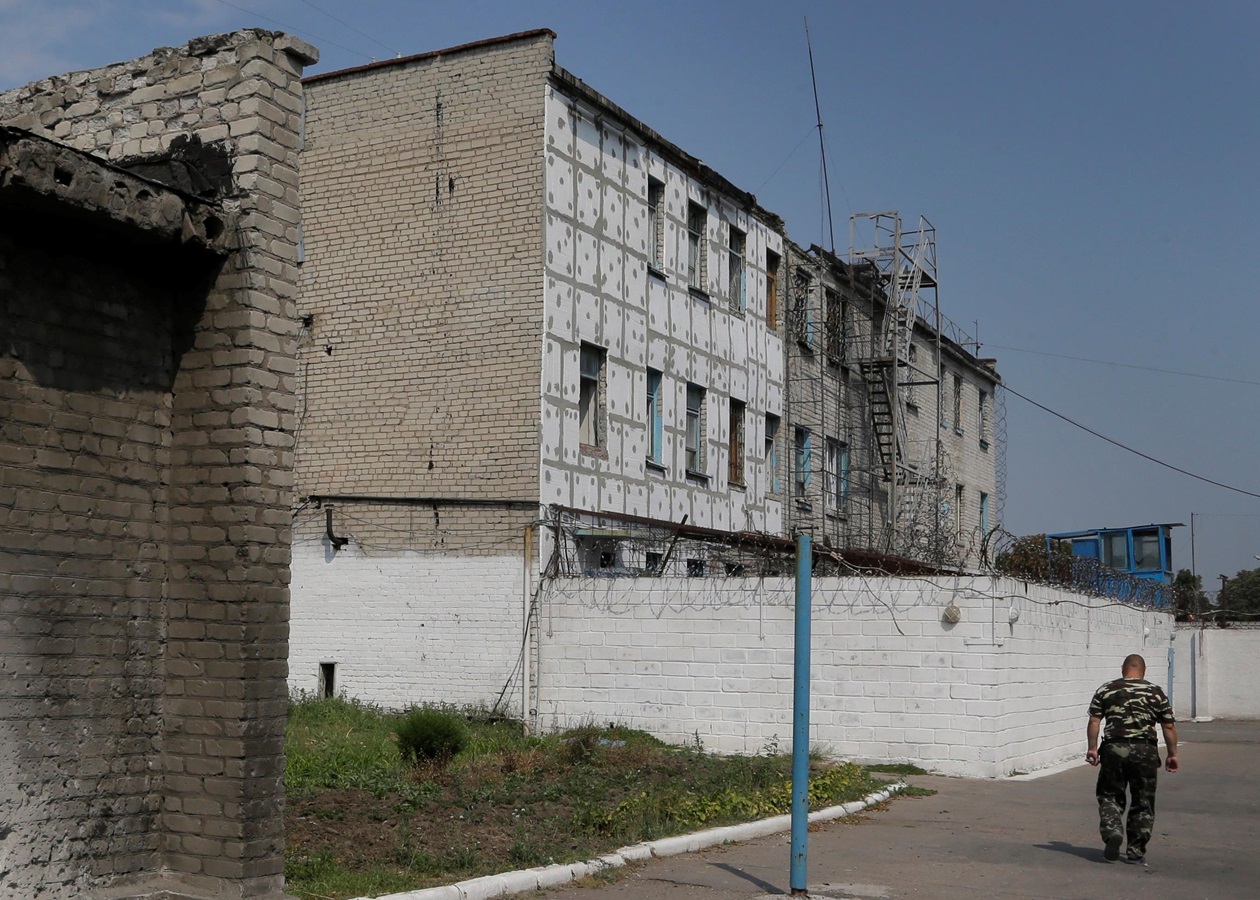
Azov POWs who returned from captivity recall that the conditions in the Donetsk pre-trial detention centre resembled those of the 17th–18th centuries. The cells were overcrowded, and there was not nearly enough space for all the inmates. A cell designed for 10 people could hold 25 prisoners of war. Prisoners are never allowed to go outside for a walk – one can leave the cell only for so-called “investigative or judicial actions”.
Prisoners of war from the Azov Brigade held in the Donetsk pre-trial detention centre are subjected to severe physical abuse. A serviceman of the Armed Forces of Ukraine, who was previously detained in adjacent cells to the Azov fighters, testifies that Azov POWs are routinely beaten, subjected to electric shocks, punched in the genitals, and suspended by their arms and legs. According to his account, some detainees are beaten so extensively that flesh is stripped from their bones, leading to tissue necrosis. Bruising and trauma are visible across the back, legs, and buttocks, which often turn black from injury.
Another Azov serviceman, later released through a prisoner exchange, recounts that during interrogations, pre-written statements are presented as his own, prior to any actual questioning. He further testifies that interrogators insert a needle directly into a combat wound sustained during the defence of Azovstal, attempting to coerce him into recording a video statement denouncing the Azov command.
One of the prisoners of war, who served as a cook in Azov, stated at the “trial” that she was not provided with the necessary medicines in the Donetsk pre-trial detention centre.
Another prisoner recalls that in Donetsk PTDC, up until January 2023, there was barely any medical help provided – there was either no help at all or POWs with serious health conditions would be transferred to a different place, due to complete inability to help them on site. After January 2023, injured prisoners were provided with basic wound cleaning and bandages, seldom antibiotics and medications for diseases.
The diet of detainees in pre-trial detention centres in the initial stages of detention was characterised by relative diversity. Witnesses noted that at first, the quality of food was satisfactory: in particular, kissel and milk pasta made with real milk were served. The main porridge served most often is wheat porridge, which is characterised as “the most typical” for Russian detention facilities.
Over time, the quality and nutritional value of the food deteriorated significantly. However, sometimes they provide compote with berries, which prisoners receive in large quantities in a bowl. It is divided into several meals during the day. In the evening, prisoners consume the rest of the compote with berries, calling it a conditional “fruit salad” that allows them to at least partially get vitamins in the face of a lack of proper nutrition.
One of the former prisoners, exchanged later on, recalls that he developed a habit of wrapping pieces of bread in a piece of cloth, so that crumbs are not lost and can be eaten later throughout the day, so as to somehow sate oneself.
With regards to sanitation, the conditions were especially poor. It’s never been possible to shower, even though for other facilities to have a separate “sanitation day” is a normal practice. As a result, prisoners had to wipe themselves with cold water, which was available every once in three days from the tap, to keep at least some level of cleanliness. Clothing had to be used as towels since none were provided.
In particular, the prisoner is held in complete darkness for seven days in a special basement room, which is known among the military as a “menagerie”. A person is isolated in an observation pit, deprived of any contact with the world and other basic living conditions, which causes serious mental damage.
For prolonged periods of time, prisoners are completely denied food. Long periods of hunger against the background of isolation and constant fear of torture create conditions for deep physical and moral degradation.
In addition, prisoners are taken to mock executions. Such actions are accompanied by psychological pressure, creating uncertainty about one’s own life and constant expectation of death. Cases of mock burials have also been documented. According to a serviceman, once he was put into a coffin, handcuffed, and prepared for burial.
Such actions by the Russian side are forms of psychological terror that grossly violate the norms of international humanitarian law and the Geneva Convention Relative to the Treatment of Prisoners of War.
“Terrorism, physical violence, not enough food, lack of water and various things… Because we had no clothes, we had a very difficult winter. We were constantly sitting in the basement. We could leave the cell only for so-called investigative or judicial actions. No walks were allowed. The last time I saw the sun and the sky was on November 18, before the exchange day, May 6” – Svyatoslav Siryj.
Overview
Azov POWs who returned from captivity recall that the conditions in the Donetsk pre-trial detention centre resembled those of the 17th–18th centuries. The cells were overcrowded, and there was not nearly enough space for all the inmates. A cell designed for 10 people could hold 25 prisoners of war. Prisoners are never allowed to go outside for a walk – one can leave the cell only for so-called “investigative or judicial actions”.
Torture & Abuse
Prisoners of war from the Azov Brigade held in the Donetsk pre-trial detention centre are subjected to severe physical abuse. A serviceman of the Armed Forces of Ukraine, who was previously detained in adjacent cells to the Azov fighters, testifies that Azov POWs are routinely beaten, subjected to electric shocks, punched in the genitals, and suspended by their arms and legs. According to his account, some detainees are beaten so extensively that flesh is stripped from their bones, leading to tissue necrosis. Bruising and trauma are visible across the back, legs, and buttocks, which often turn black from injury.
Another Azov serviceman, later released through a prisoner exchange, recounts that during interrogations, pre-written statements are presented as his own, prior to any actual questioning. He further testifies that interrogators insert a needle directly into a combat wound sustained during the defence of Azovstal, attempting to coerce him into recording a video statement denouncing the Azov command.
Medical Care
One of the prisoners of war, who served as a cook in Azov, stated at the “trial” that she was not provided with the necessary medicines in the Donetsk pre-trial detention centre.
Another prisoner recalls that in Donetsk PTDC, up until January 2023, there was barely any medical help provided – there was either no help at all or POWs with serious health conditions would be transferred to a different place, due to complete inability to help them on site. After January 2023, injured prisoners were provided with basic wound cleaning and bandages, seldom antibiotics and medications for diseases.
Food & Sanitation
The diet of detainees in pre-trial detention centres in the initial stages of detention was characterised by relative diversity. Witnesses noted that at first, the quality of food was satisfactory: in particular, kissel and milk pasta made with real milk were served. The main porridge served most often is wheat porridge, which is characterised as “the most typical” for Russian detention facilities.
Over time, the quality and nutritional value of the food deteriorated significantly. However, sometimes they provide compote with berries, which prisoners receive in large quantities in a bowl. It is divided into several meals during the day. In the evening, prisoners consume the rest of the compote with berries, calling it a conditional “fruit salad” that allows them to at least partially get vitamins in the face of a lack of proper nutrition.
One of the former prisoners, exchanged later on, recalls that he developed a habit of wrapping pieces of bread in a piece of cloth, so that crumbs are not lost and can be eaten later throughout the day, so as to somehow sate oneself.
With regards to sanitation, the conditions were especially poor. It’s never been possible to shower, even though for other facilities to have a separate “sanitation day” is a normal practice. As a result, prisoners had to wipe themselves with cold water, which was available every once in three days from the tap, to keep at least some level of cleanliness. Clothing had to be used as towels since none were provided.
Psychological Pressure
In particular, the prisoner is held in complete darkness for seven days in a special basement room, which is known among the military as a “menagerie”. A person is isolated in an observation pit, deprived of any contact with the world and other basic living conditions, which causes serious mental damage.
For prolonged periods of time, prisoners are completely denied food. Long periods of hunger against the background of isolation and constant fear of torture create conditions for deep physical and moral degradation.
In addition, prisoners are taken to mock executions. Such actions are accompanied by psychological pressure, creating uncertainty about one’s own life and constant expectation of death. Cases of mock burials have also been documented. According to a serviceman, once he was put into a coffin, handcuffed, and prepared for burial.
Such actions by the Russian side are forms of psychological terror that grossly violate the norms of international humanitarian law and the Geneva Convention Relative to the Treatment of Prisoners of War.
Testimonies & Reports
“Terrorism, physical violence, not enough food, lack of water and various things… Because we had no clothes, we had a very difficult winter. We were constantly sitting in the basement. We could leave the cell only for so-called investigative or judicial actions. No walks were allowed. The last time I saw the sun and the sky was on November 18, before the exchange day, May 6” – Svyatoslav Siryj.
News
see more
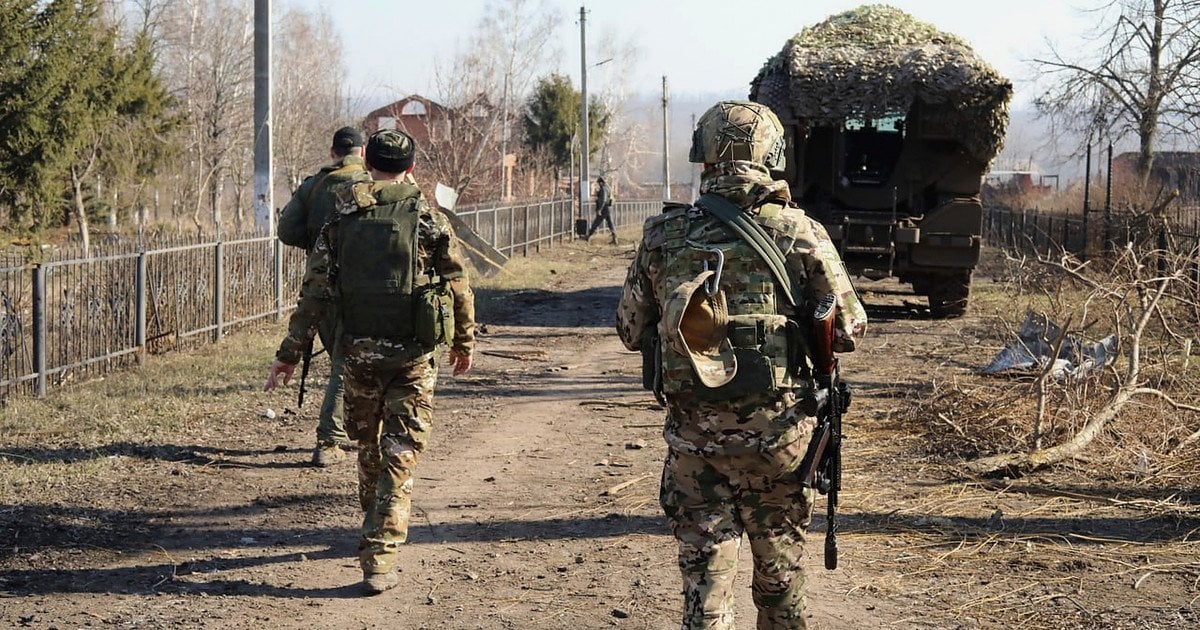
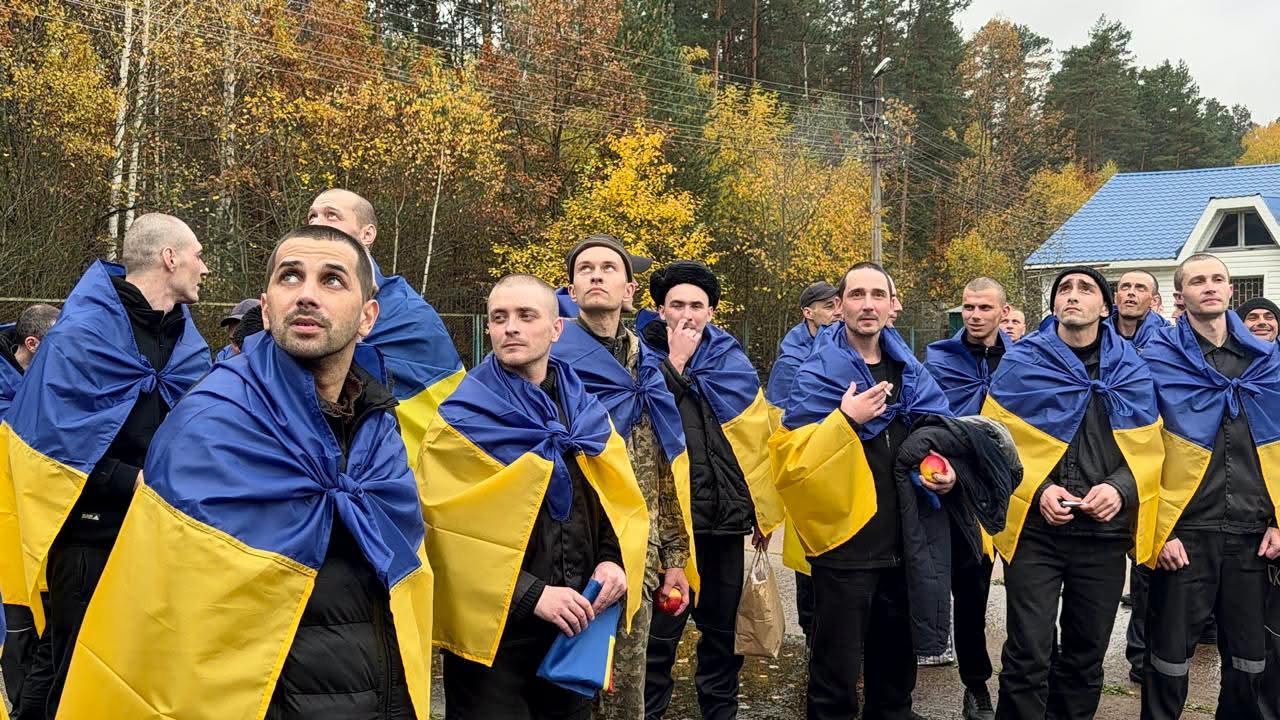
Ukraine brings home 270 Ukrainians from Russian captivity, including 35 Azov POWs
On 23 October, 270 Ukrainians were returned from Russian captivity: 261 servicemen and 9 civilians. Those released include members of the Navy, Land Forces, Air Assault Forces, State Special Transport Service, Territorial Defence Forces, Special Operations Forces and Military Law Enforcement Service, as well as the National Guard, the State Border Guard Service and a rescuer from the State Emergency Service.

ICRC confirms it has had no access to Ukrainian POWs for two years
Russia has denied the International Committee of the Red Cross (ICRC) access to Ukrainian prisoners of war held in Russian detention since 2024. “We can confirm the lack of access to POWs in Russia since 2024,” an ICRC spokesperson told Reuters on September 18.
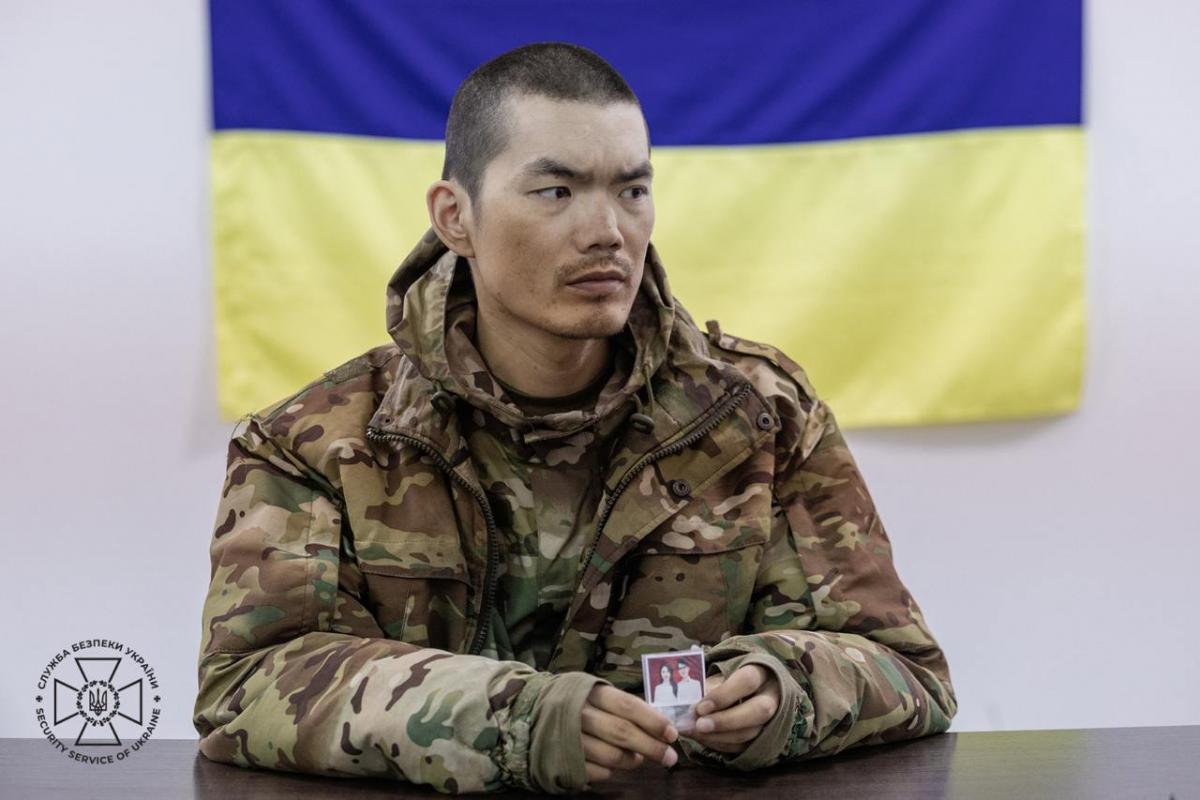
Citizens of 51 Countries Held as Prisoners of War in Ukraine
Ukraine’s Coordination Headquarters for the Treatment of Prisoners of War and the Ministry of Foreign Affairs of Ukraine have announced the launch of StopRussianRecruiters.org, an information platform documenting and exposing Russia’s deceptive recruitment of foreign nationals into its armed forces. The project also provides information about foreign prisoners of war held in Ukraine and calls on the governments of their respective countries to take diplomatic action to secure their return.
questions & answers
You can make a difference
Have a question, a message, or something important to share?
Whether it’s information, a concern, or a word of support, we want to hear from you.
Every voice matters.