
Prisoners of war and civilians were returned on Ukraine’s Independence Day
On August 24, Ukraine and Russia conducted an exchange of prisoners of war. Eight Ukrainian civilians were also returned. Among those returning home were servicemen from the National Guard, State Border Guard Service, Armed Forces, including soldiers from the Territorial Defense Forces, Air Force, Airborne Forces, and Navy. Almost all of them had been in captivity for more than three years.
According to the Coordination Headquarters for the Treatment of Prisoners of War, the released defenders protected the country in Mariupol, at the Chornobyl nuclear power plant, as well as in the Sumy, Kyiv, Kherson, Mykolaiv, Donetsk, Luhansk, Zaporizhzhia, and Kharkiv oblasts.
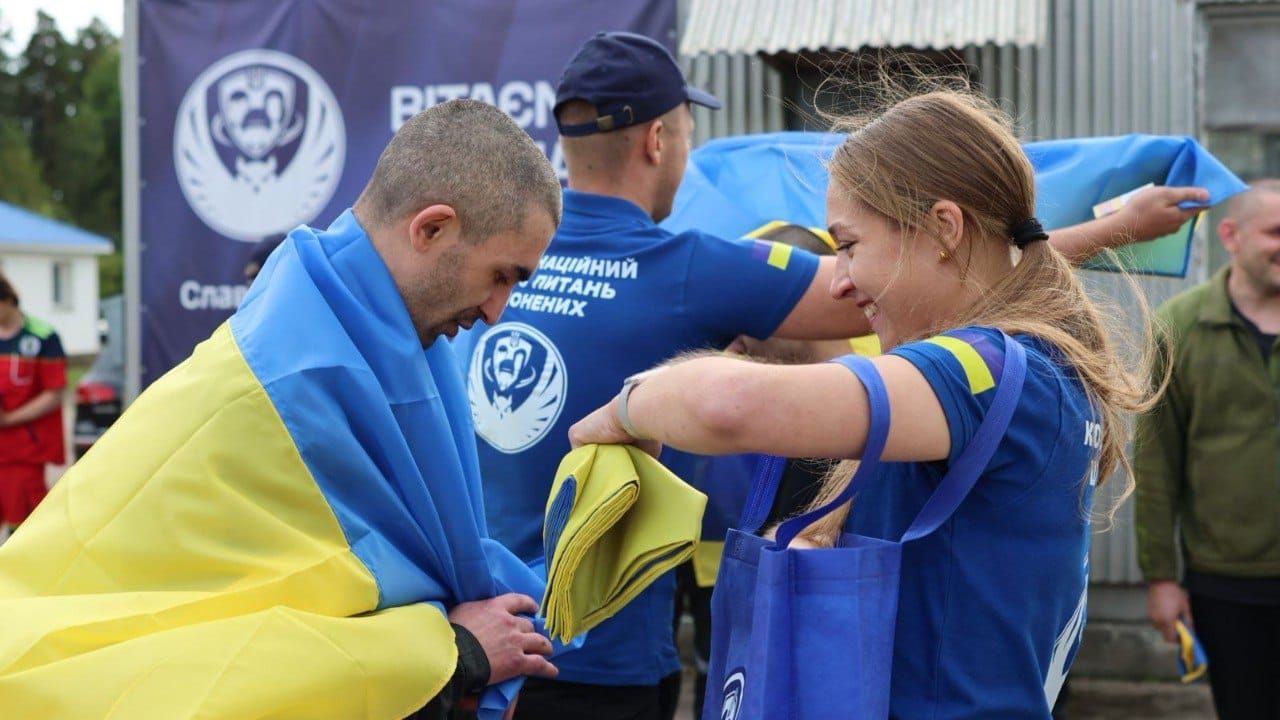
Among the released civilians are former Kherson Mayor Volodymyr Mykolayenko, who was kidnapped by the Russians during the occupation of the city, illegally detained journalists Mark Kaliush and Dmytro Khilyuk, and Serhiy Kovalyov, a medic with the volunteer medical battalion ‘Hospitaliers,’ who rescued civilians and military personnel during the siege of Azovstal.
“The exchanges continue. And this is possible thanks to our soldiers, who are replenishing the exchange fund for Ukraine. Our team, which works every day. Our partners, who help. We thank the UAE for its assistance. Thank you to everyone whose work makes it possible for our people to return,” wrote Ukrainian President Volodymyr Zelenskyy.
News
see more
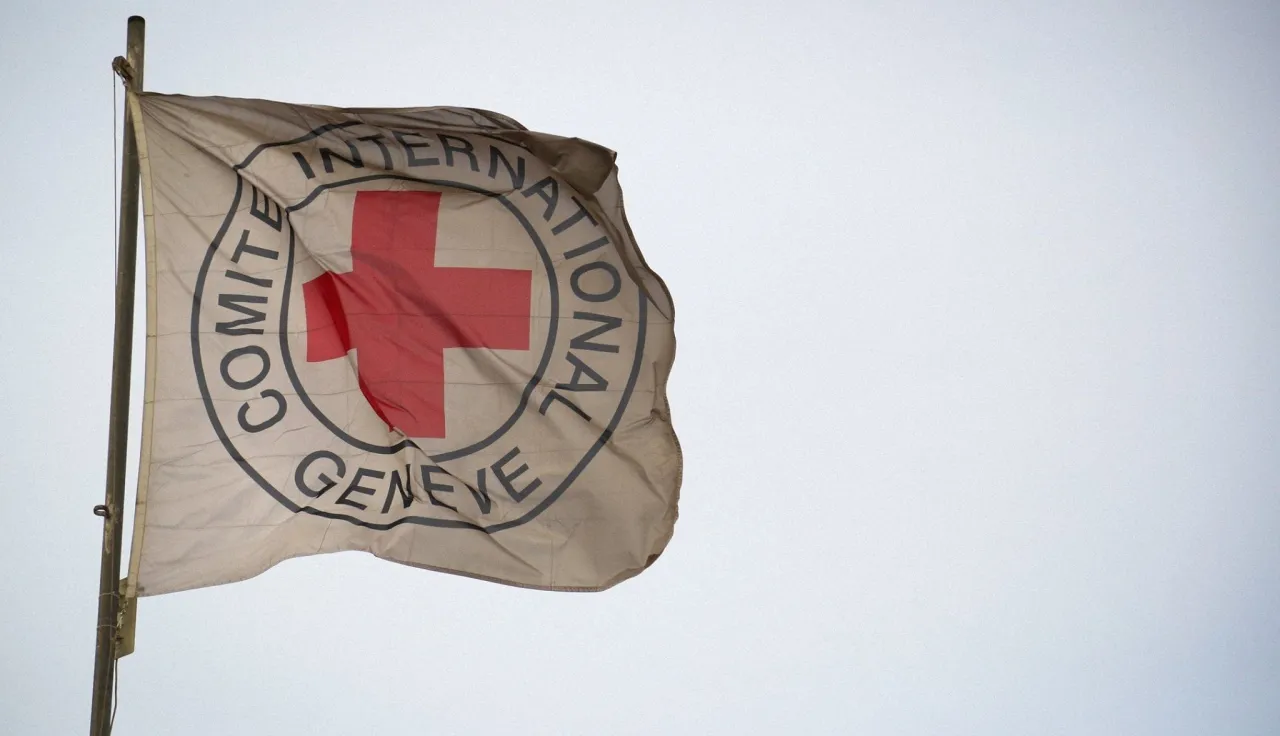
ICRC confirms it has had no access to Ukrainian POWs for two years
Russia has denied the International Committee of the Red Cross (ICRC) access to Ukrainian prisoners of war held in Russian detention since 2024. “We can confirm the lack of access to POWs in Russia since 2024,” an ICRC spokesperson told Reuters on September 18.
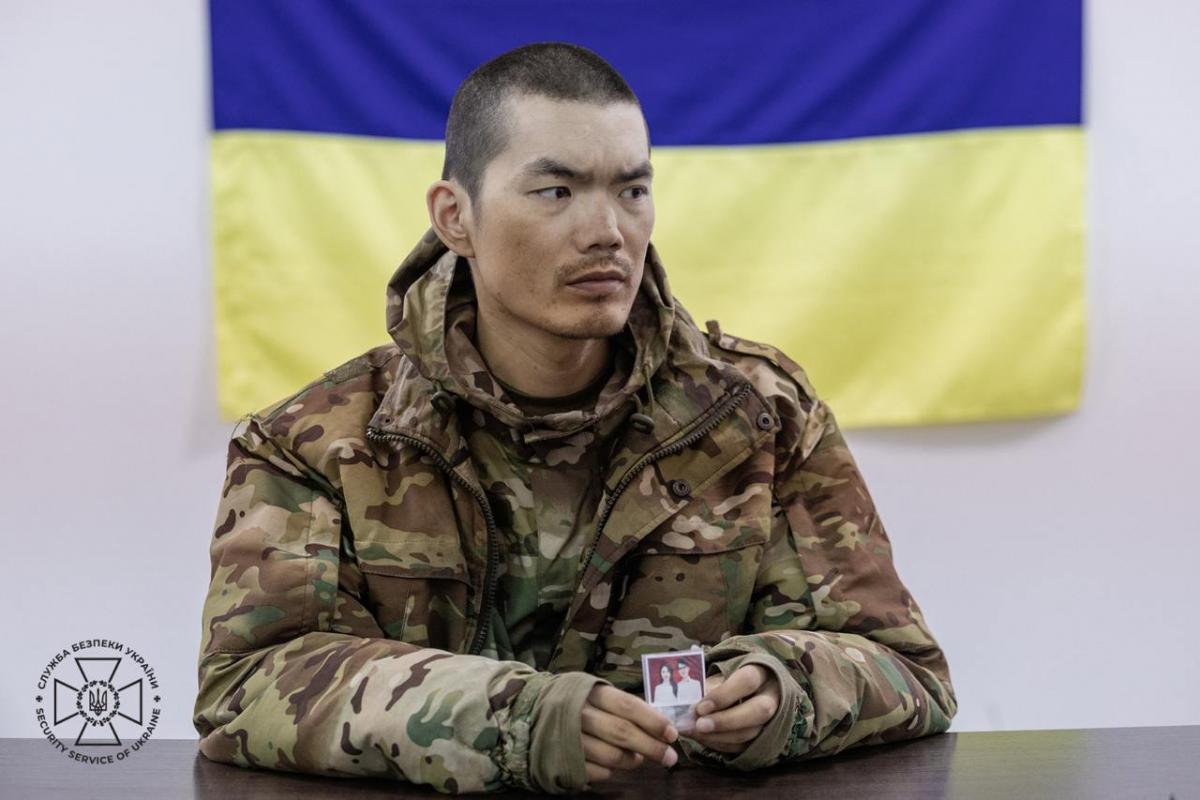
Citizens of 51 Countries Held as Prisoners of War in Ukraine
Ukraine’s Coordination Headquarters for the Treatment of Prisoners of War and the Ministry of Foreign Affairs of Ukraine have announced the launch of StopRussianRecruiters.org, an information platform documenting and exposing Russia’s deceptive recruitment of foreign nationals into its armed forces. The project also provides information about foreign prisoners of war held in Ukraine and calls on the governments of their respective countries to take diplomatic action to secure their return.
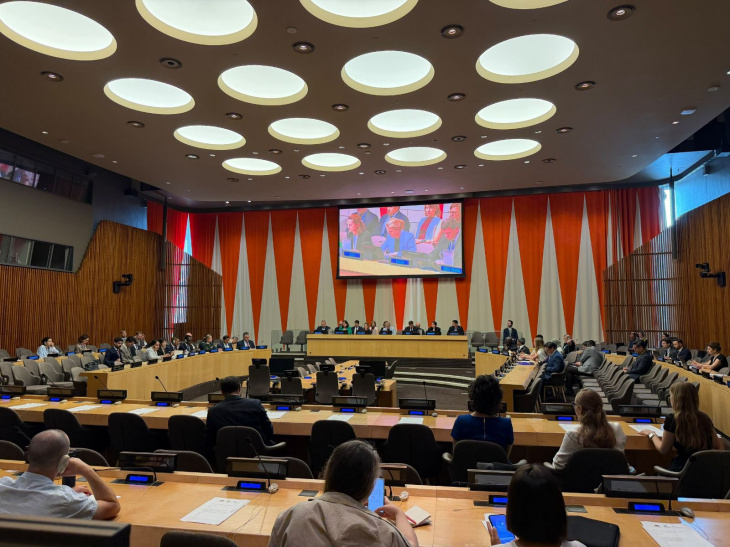
The UN Security Council holds an Arria-formula meeting on Ukrainian POWs
On August 10, the UN Security Council held an Arria-formula meeting at UN Headquarters in New York, dedicated to Russia's systematic violations of international humanitarian law against Ukrainian prisoners of war, civilian detainees, and foreign nationals. The event was convened by Latvia and the United Kingdom at Ukraine's initiative.
questions & answers
You can make a difference
Have a question, a message, or something important to share?
Whether it’s information, a concern, or a word of support, we want to hear from you.
Every voice matters.