
EU imposed sanctions on the heads and staff of colonies where Ukrainian POWs are tortured
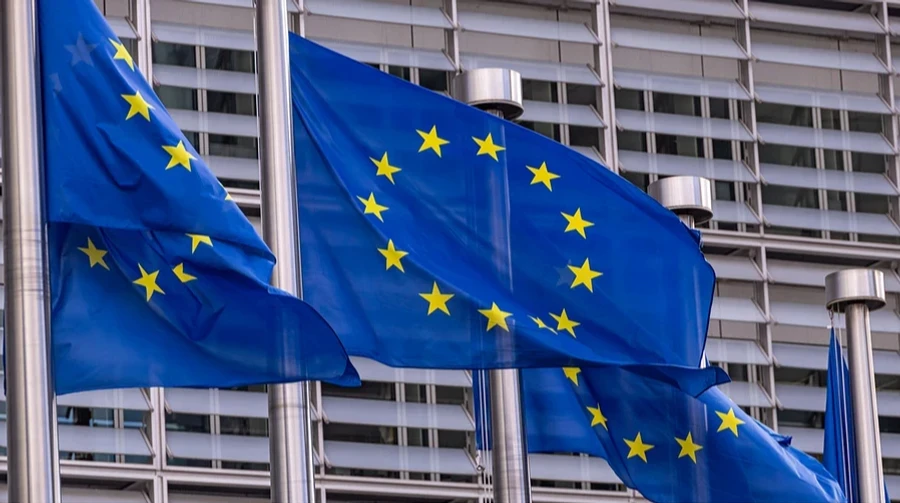
On 13 July, the Council of the European Union adopted a decision imposing restrictive measures on 15 individuals and one entity responsible for violations of the rights of Ukrainian prisoners of war and unlawfully detained civilians. Most of those listed are heads and staff of penal colonies where prisoners are held.
In its statement, the EU strongly condemned Russia’s human rights violations in Ukraine, including summary executions of prisoners of war and civilian detainees, arbitrary detention, the systematic use of torture, and other forms of ill-treatment, including conflict-related sexual violence.
The Council imposed restrictive measures on eight individuals and one legal entity under the EU Global Human Rights Sanctions Regime. Among those listed:
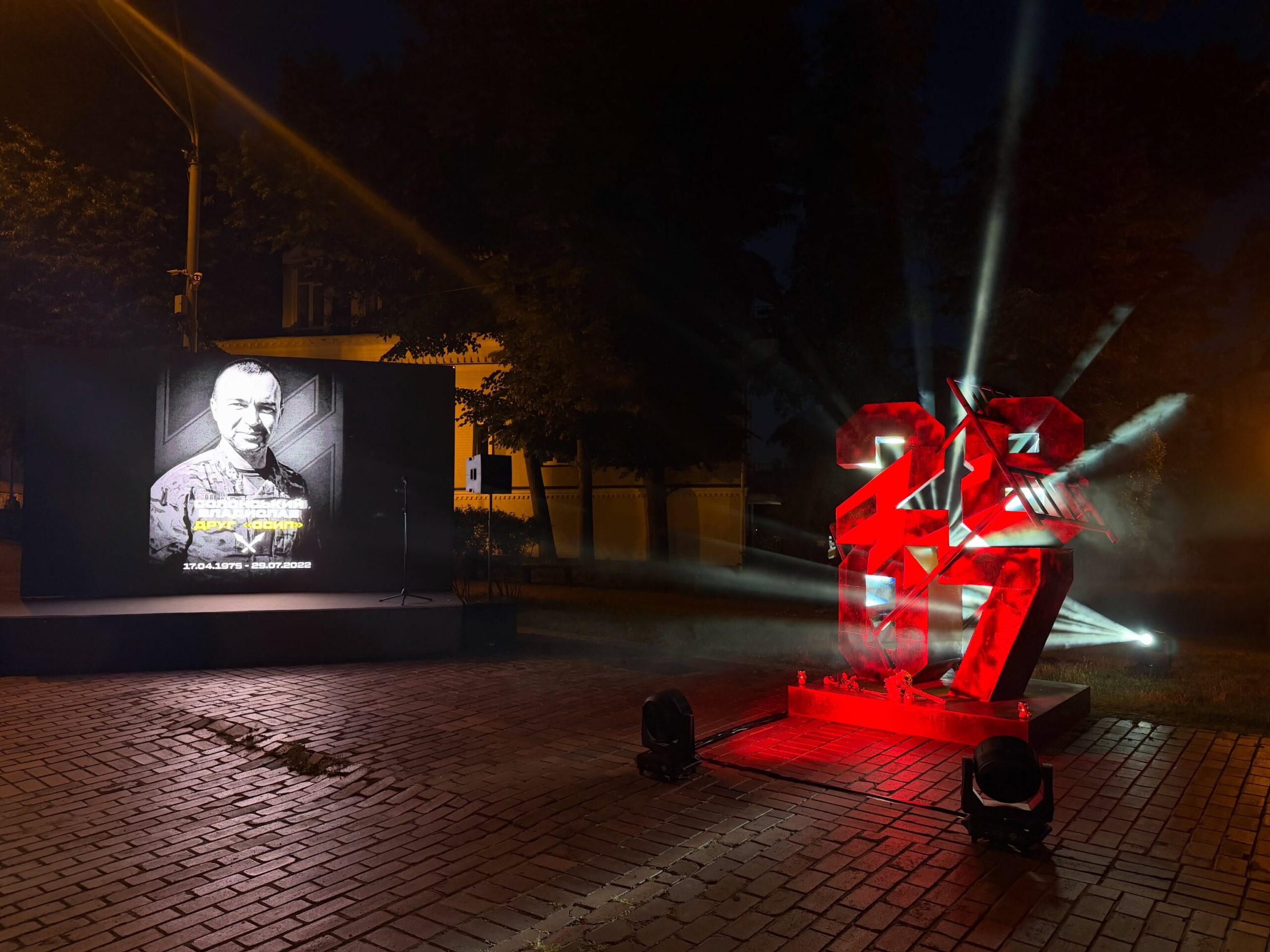
- Dmitry Neelov — first deputy head of the Olenivka prison. Involved in the torture and humiliation of prisoners. He is directly responsible for the mass killing of Ukrainian prisoners on 28–29 July 2022, having deliberately delayed the evacuation of the wounded after the attack. Sanctions were also imposed on other members of the Olenivka prison administration.
- Alexei Khavetsky — head of security at Penal Colony No. 7 in Pakino, where Ukrainian prisoners of war are held. He orchestrated the systematic mistreatment of prisoners: electric shocks, deliberate starvation, sexual violence, and humiliation of prisoners for entertainment.
- Yan Zanevsky — an FSB officer involved in the unlawful detention and torture of civilians in the Kherson region (beatings, strangulation, sexual violence).
The Pre-trial Detention Center-2 in Taganrog (SIZO-2) was also designated as a target of sanctions. Ukrainian prisoners of war and civilians held there were subjected to torture that in some cases led to death. It was in this facility that journalist Viktoriia Roshchyna died, her body showing numerous signs of torture.
For the ill-treatment of prisoners by staff, sanctions were also imposed on Alexander Gnutov, head of Penal Colony No. 10 in Udarny, Mordovia, his five deputy heads, and Galina Mokshanova, head of the colony’s medical unit.
Those listed are subject to an asset freeze, a travel ban preventing entry to the EU, and a prohibition on EU citizens and companies making funds available to them. The EU reiterated its call for unhindered ICRC access to all detainees and for accountability for those responsible.
News
see more
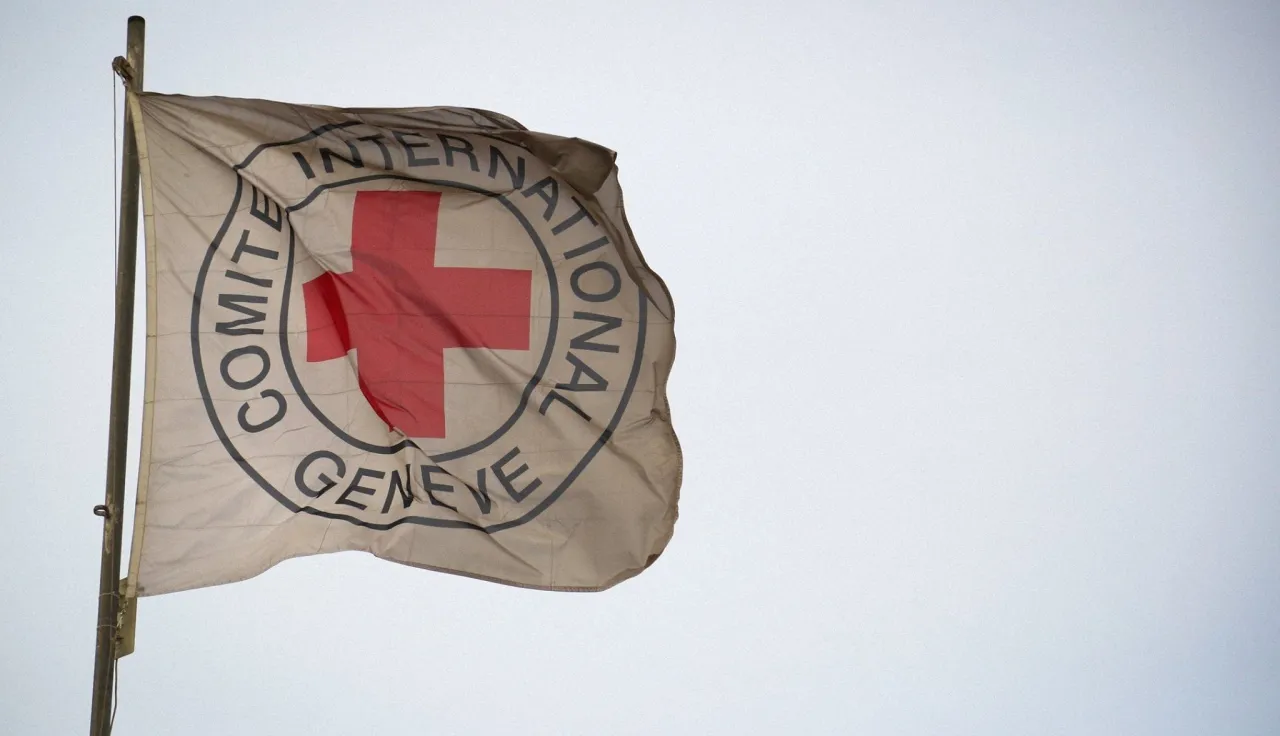
ICRC confirms it has had no access to Ukrainian POWs for two years
Russia has denied the International Committee of the Red Cross (ICRC) access to Ukrainian prisoners of war held in Russian detention since 2024. “We can confirm the lack of access to POWs in Russia since 2024,” an ICRC spokesperson told Reuters on September 18.
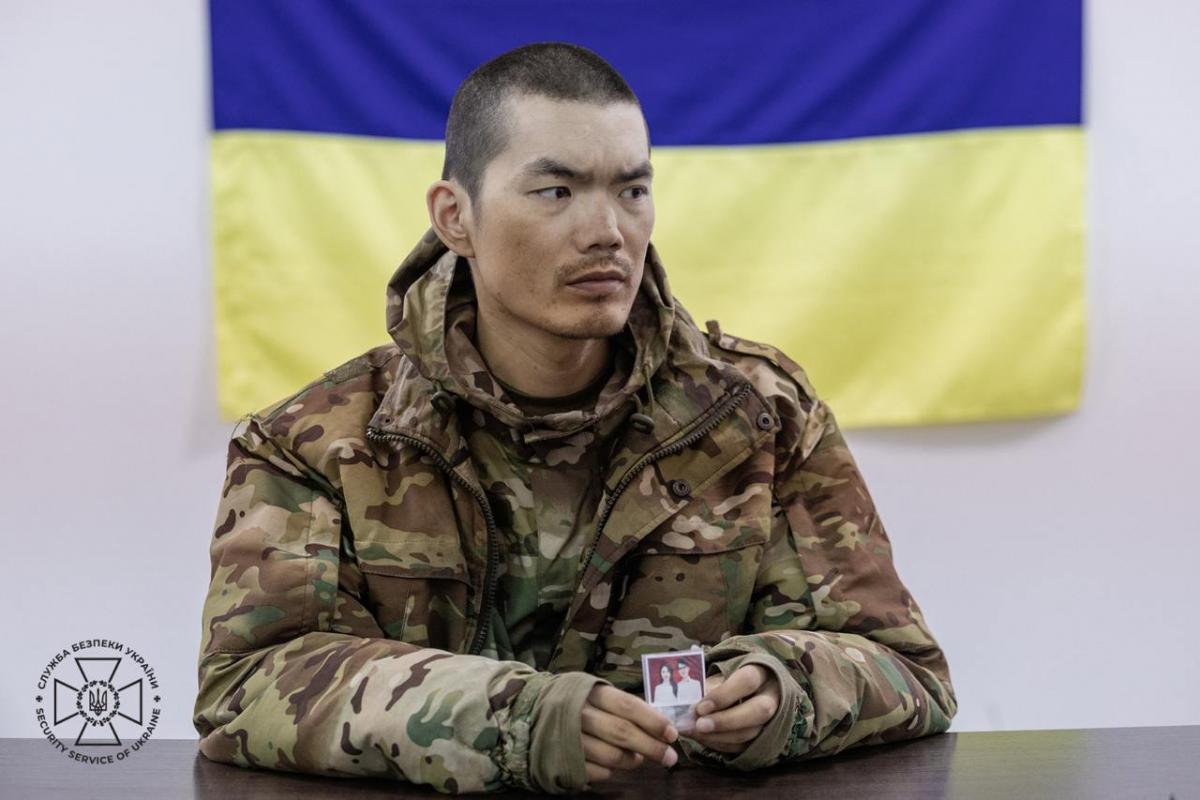
Citizens of 51 Countries Held as Prisoners of War in Ukraine
Ukraine’s Coordination Headquarters for the Treatment of Prisoners of War and the Ministry of Foreign Affairs of Ukraine have announced the launch of StopRussianRecruiters.org, an information platform documenting and exposing Russia’s deceptive recruitment of foreign nationals into its armed forces. The project also provides information about foreign prisoners of war held in Ukraine and calls on the governments of their respective countries to take diplomatic action to secure their return.
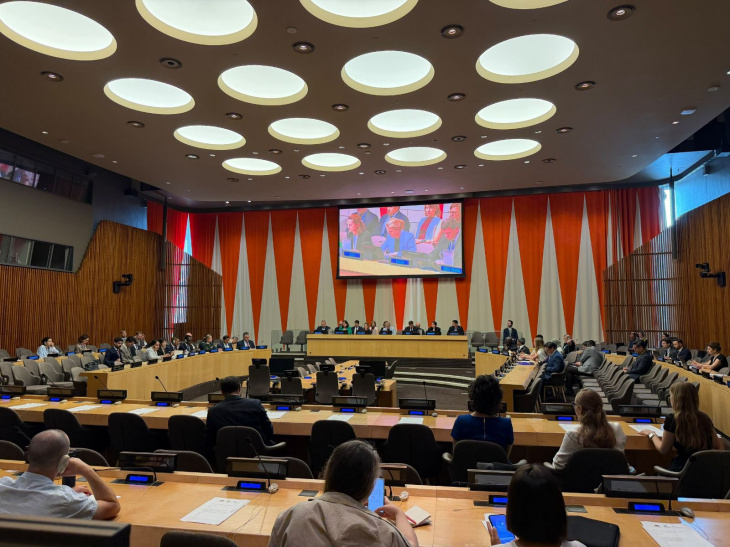
The UN Security Council holds an Arria-formula meeting on Ukrainian POWs
On August 10, the UN Security Council held an Arria-formula meeting at UN Headquarters in New York, dedicated to Russia's systematic violations of international humanitarian law against Ukrainian prisoners of war, civilian detainees, and foreign nationals. The event was convened by Latvia and the United Kingdom at Ukraine's initiative.
questions & answers
You can make a difference
Have a question, a message, or something important to share?
Whether it’s information, a concern, or a word of support, we want to hear from you.
Every voice matters.