
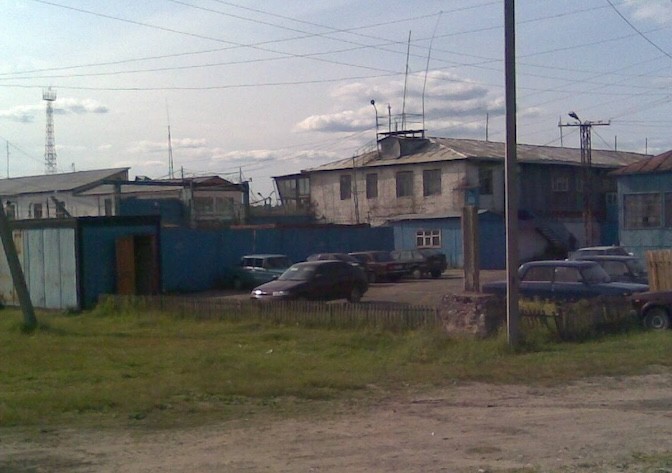
Mordovia Penal Colony No. 10
Republic of Mordovia, Udarny, Zubovo-Polyansky District
Russia
Penal colony
Active
Location
Penal Colony No. 10 in Mordovia (FKU Penal Colony No. 10 UFISN of Russia in the Republic of Mordovia) is a special regime institution where prisoners sentenced to life imprisonment and particularly dangerous recidivists are sent. PC-10 is designed to hold about 850 people, most of whom are currently Ukrainian prisoners of war. Among them are many marines who were captured while defending Mariupol. The colony consists of four blocks. On its territory, there is an industrial block, a canteen, an administrative building, and courtyards for walks.
Conditions of detention
The colony is known for its particularly cruel treatment of POWs. They are subjected to physical and psychological torture, which in some cases has led to the death. It is known that captives are not informed about their whereabouts: when signing documents, the papers were covered so that they could not see the name of the investigator, the name of the colony or even the region.
Torture in Colony No. 10 in Mordovia is extremely widespread:
- beatings with rubber batons, sticks, hands, feet, or whatever is at hand,
- strikes with stun guns,
- mock executions,
- sexual violence,
- beating on the genitals,
- suffocation to the state of unconsciousness,
- setting service dogs on prisoners, leaving them with serious injuries,
- forcing POWs to stand for 18 hours a day.
For the slightest breach of the rules, captives could be beaten even more severely and struck with a taser. During inspections, electric shocks could occur every 10 seconds. Such torture was very common. The wounds of captured servicemen did not have time to heal.
Medical care in the colony in Mordovia was practically absent. Complaints about rotting feet were met with only bandages and furacilin, or even refusal of these.
The lack of proper medical care led to deaths due to:
- general exhaustion of the body,
- malnutrition,
- pneumonia,
- and the consequences of torture.
“This is the worst place I have ever been to. This is the only place where, in front of a medical representative, they beat you so badly that you couldn’t get up,” the former POW told the Center for Civil Society in an analytical report “Anatomy of Torture”.
“There was a guy with epilepsy in my cell in Mordovia. I spent almost a year there, minus two days. Not even once did any medical professional provide medication.”
Most often, former captives recall a medic they called “Doctor Evil” or “Doctor Shocker”. He refused to provide assistance. Instead he tortured and humiliated POWs. If someone complained of pain, “Doctor Evil” would shock them with a taser right where it hurt. Journalists from “Schemes” managed to identify this medic as Ilya Sorokin. Ukrainian law enforcement agencies have announced that he is suspected of torturing Ukrainian prisoners of war.
Other medics also treated prisoners harshly. ‘There were two women, one of whom was very cruel. She said several times that we’d be better off dead or “Well, die then, I don’t give a f***,”’ said a former POW.
When one of the prisoners developed mental health issues, colony staff subjected him to increased beatings.
Later, he was tied to a bed without any assistance. His cellmates tried to help him, asking if he needed to go to the toilet or if he wanted to eat, but he barely responded. The man died in Russian captivity, without waiting for an exchange and without receiving any medical assistance.
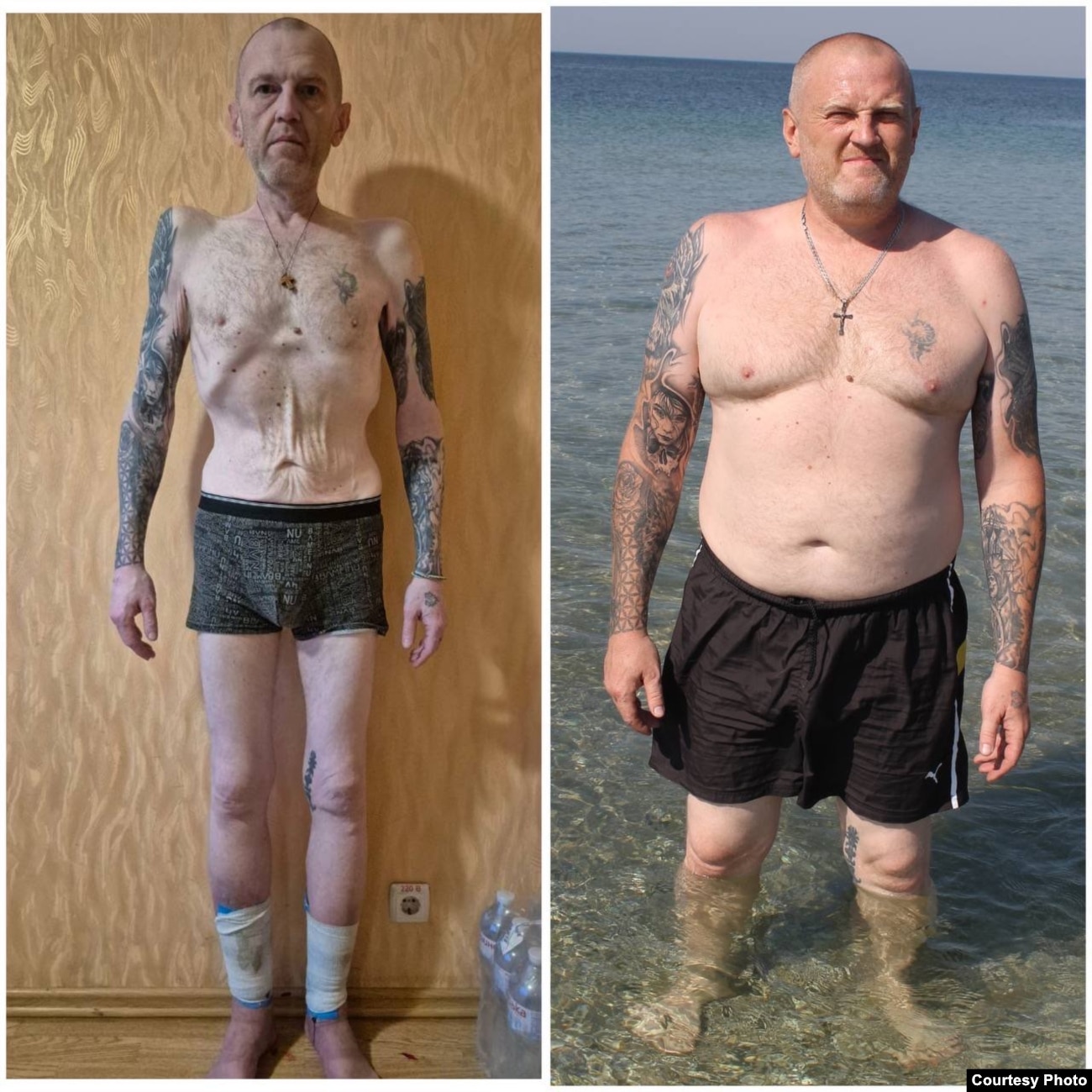
One of the hardest trials for Ukrainian prisoners of war in Mordovian Penal Colony No. 10 was chronic malnutrition. According to a soldier who had been in various colonies, the food in Mordovia was much worse than in Ryazhsk.
Breakfast could consist of as few as 8 noodles in 150 g of water and one and a half slices of bread. To drink water, it was necessary to obtain permission, and the slightest breach of these rules was punished.
As a result of such nutrition, captured servicemen lose dozens of kilograms of weight.
In Penal Colony No. 10, captives are constantly subjected to humiliation and psychological abuse. According to reports, from 6 a.m. to 10 p.m. every day, the radio played the same songs glorifying Russia and humiliating Ukrainians. The Russian anthem was played seven times a day, during which POWs were forced to place their hands on their hearts as a symbol of respect.
Colony staff used offensive language and repeated anti-Ukrainian propaganda, calling captives “Nazis” and “fascists” and saying that they “should be subjected to genocide”.
“In Mordovia, each of us constantly had thoughts of suicide because such terrible conditions were created for us. The only thing that stopped us was the belief that we would be exchanged, that our families and loved ones were waiting for us. We also supported each other because it was our faith and mutual support that kept us going,” says a former prisoner.
“All the staff always wore balaclavas, they tried to hide their faces. Looking at the horror that is happening in Mordovia, I was not surprised that they hide their faces,” he added.
“I can say for sure about my cellmate: he died before my eyes as a result of systematic torture,” recalled another serviceman who was held captive in penal colony No. 10.
Overview
Location
Penal Colony No. 10 in Mordovia (FKU Penal Colony No. 10 UFISN of Russia in the Republic of Mordovia) is a special regime institution where prisoners sentenced to life imprisonment and particularly dangerous recidivists are sent. PC-10 is designed to hold about 850 people, most of whom are currently Ukrainian prisoners of war. Among them are many marines who were captured while defending Mariupol. The colony consists of four blocks. On its territory, there is an industrial block, a canteen, an administrative building, and courtyards for walks.
Conditions of detention
The colony is known for its particularly cruel treatment of POWs. They are subjected to physical and psychological torture, which in some cases has led to the death. It is known that captives are not informed about their whereabouts: when signing documents, the papers were covered so that they could not see the name of the investigator, the name of the colony or even the region.
Torture & Abuse
Torture in Colony No. 10 in Mordovia is extremely widespread:
- beatings with rubber batons, sticks, hands, feet, or whatever is at hand,
- strikes with stun guns,
- mock executions,
- sexual violence,
- beating on the genitals,
- suffocation to the state of unconsciousness,
- setting service dogs on prisoners, leaving them with serious injuries,
- forcing POWs to stand for 18 hours a day.
For the slightest breach of the rules, captives could be beaten even more severely and struck with a taser. During inspections, electric shocks could occur every 10 seconds. Such torture was very common. The wounds of captured servicemen did not have time to heal.
Medical care
Medical care in the colony in Mordovia was practically absent. Complaints about rotting feet were met with only bandages and furacilin, or even refusal of these.
The lack of proper medical care led to deaths due to:
- general exhaustion of the body,
- malnutrition,
- pneumonia,
- and the consequences of torture.
“This is the worst place I have ever been to. This is the only place where, in front of a medical representative, they beat you so badly that you couldn’t get up,” the former POW told the Center for Civil Society in an analytical report “Anatomy of Torture”.
“There was a guy with epilepsy in my cell in Mordovia. I spent almost a year there, minus two days. Not even once did any medical professional provide medication.”
Most often, former captives recall a medic they called “Doctor Evil” or “Doctor Shocker”. He refused to provide assistance. Instead he tortured and humiliated POWs. If someone complained of pain, “Doctor Evil” would shock them with a taser right where it hurt. Journalists from “Schemes” managed to identify this medic as Ilya Sorokin. Ukrainian law enforcement agencies have announced that he is suspected of torturing Ukrainian prisoners of war.
Other medics also treated prisoners harshly. ‘There were two women, one of whom was very cruel. She said several times that we’d be better off dead or “Well, die then, I don’t give a f***,”’ said a former POW.
When one of the prisoners developed mental health issues, colony staff subjected him to increased beatings.
Later, he was tied to a bed without any assistance. His cellmates tried to help him, asking if he needed to go to the toilet or if he wanted to eat, but he barely responded. The man died in Russian captivity, without waiting for an exchange and without receiving any medical assistance.
Food & Sanitation
One of the hardest trials for Ukrainian prisoners of war in Mordovian Penal Colony No. 10 was chronic malnutrition. According to a soldier who had been in various colonies, the food in Mordovia was much worse than in Ryazhsk.
Breakfast could consist of as few as 8 noodles in 150 g of water and one and a half slices of bread. To drink water, it was necessary to obtain permission, and the slightest breach of these rules was punished.
As a result of such nutrition, captured servicemen lose dozens of kilograms of weight.
Psychological Pressure
In Penal Colony No. 10, captives are constantly subjected to humiliation and psychological abuse. According to reports, from 6 a.m. to 10 p.m. every day, the radio played the same songs glorifying Russia and humiliating Ukrainians. The Russian anthem was played seven times a day, during which POWs were forced to place their hands on their hearts as a symbol of respect.
Colony staff used offensive language and repeated anti-Ukrainian propaganda, calling captives “Nazis” and “fascists” and saying that they “should be subjected to genocide”.
Testimonies & Reports
“In Mordovia, each of us constantly had thoughts of suicide because such terrible conditions were created for us. The only thing that stopped us was the belief that we would be exchanged, that our families and loved ones were waiting for us. We also supported each other because it was our faith and mutual support that kept us going,” says a former prisoner.
“All the staff always wore balaclavas, they tried to hide their faces. Looking at the horror that is happening in Mordovia, I was not surprised that they hide their faces,” he added.
“I can say for sure about my cellmate: he died before my eyes as a result of systematic torture,” recalled another serviceman who was held captive in penal colony No. 10.
News
see more
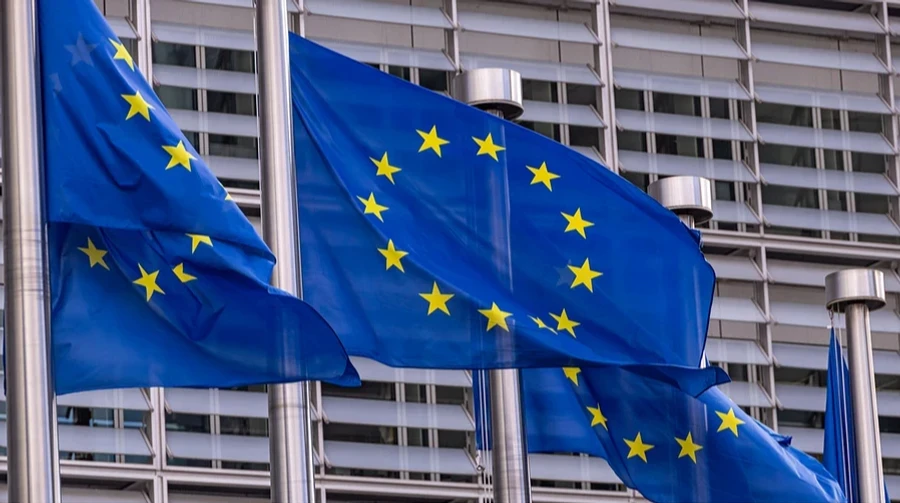
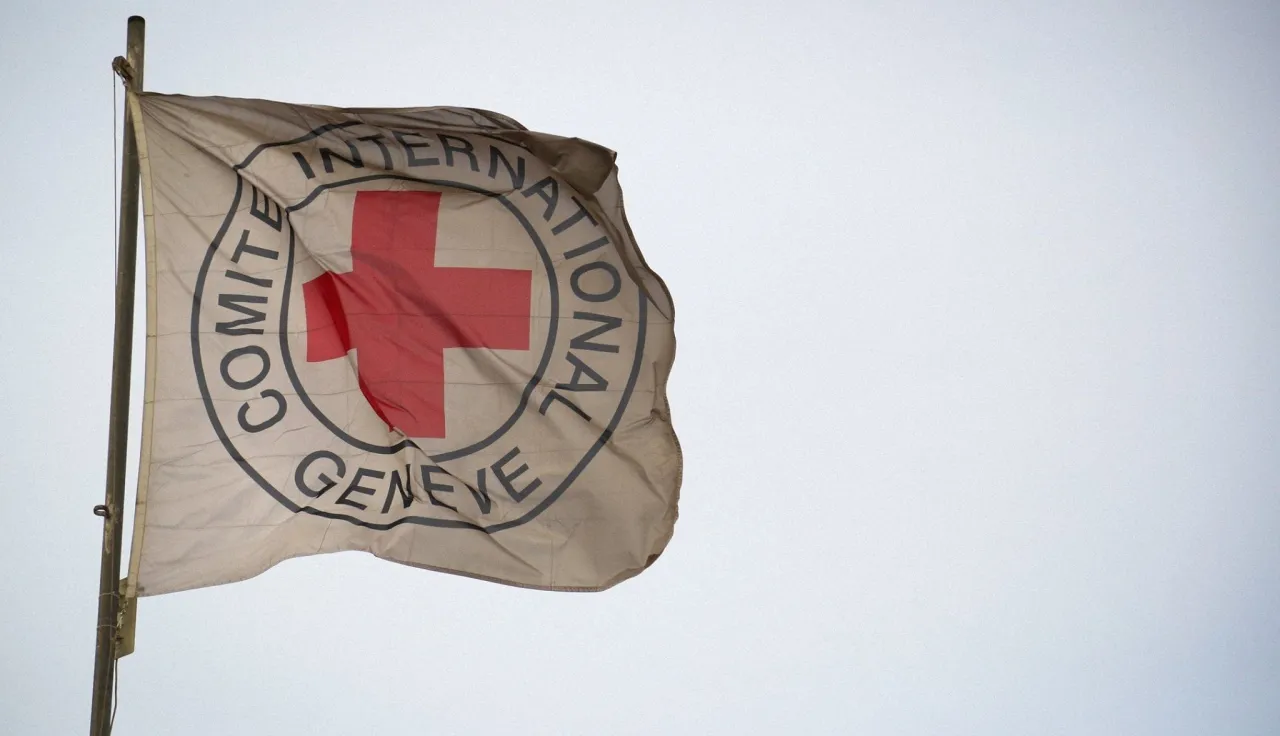
ICRC confirms it has had no access to Ukrainian POWs for two years
Russia has denied the International Committee of the Red Cross (ICRC) access to Ukrainian prisoners of war held in Russian detention since 2024. “We can confirm the lack of access to POWs in Russia since 2024,” an ICRC spokesperson told Reuters on September 18.
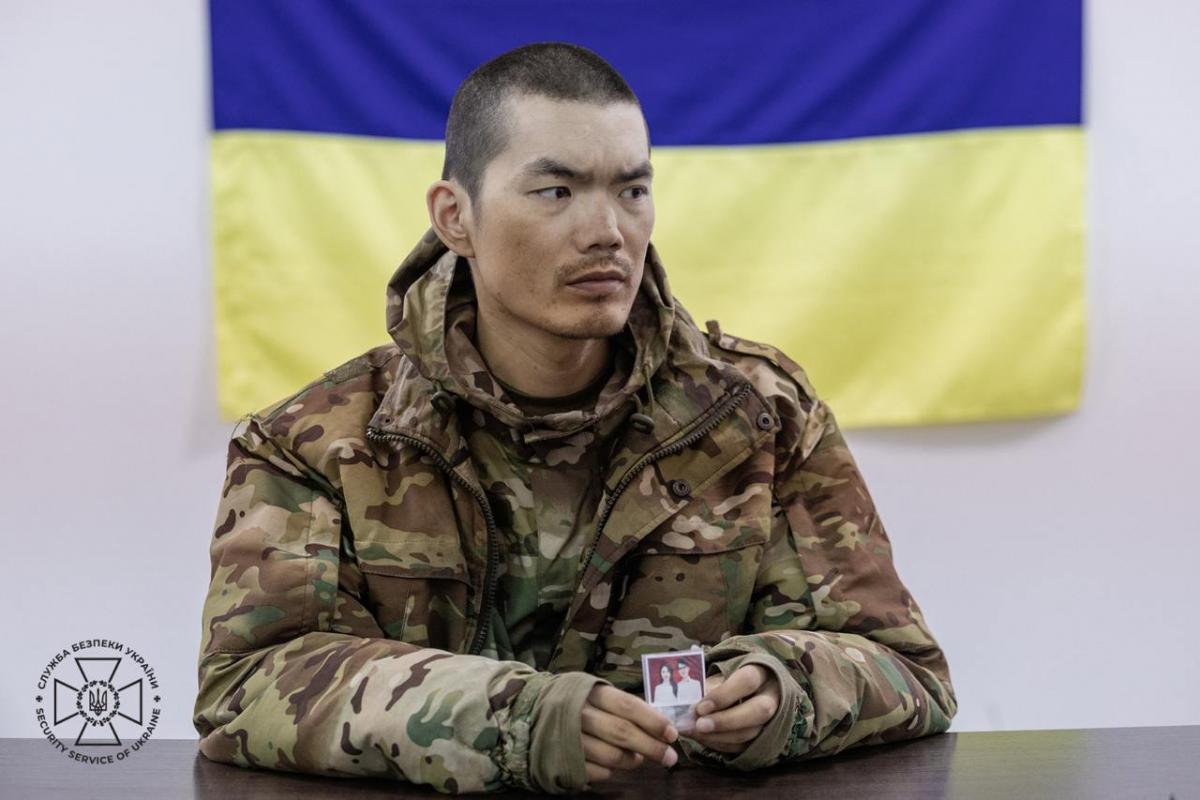
Citizens of 51 Countries Held as Prisoners of War in Ukraine
Ukraine’s Coordination Headquarters for the Treatment of Prisoners of War and the Ministry of Foreign Affairs of Ukraine have announced the launch of StopRussianRecruiters.org, an information platform documenting and exposing Russia’s deceptive recruitment of foreign nationals into its armed forces. The project also provides information about foreign prisoners of war held in Ukraine and calls on the governments of their respective countries to take diplomatic action to secure their return.
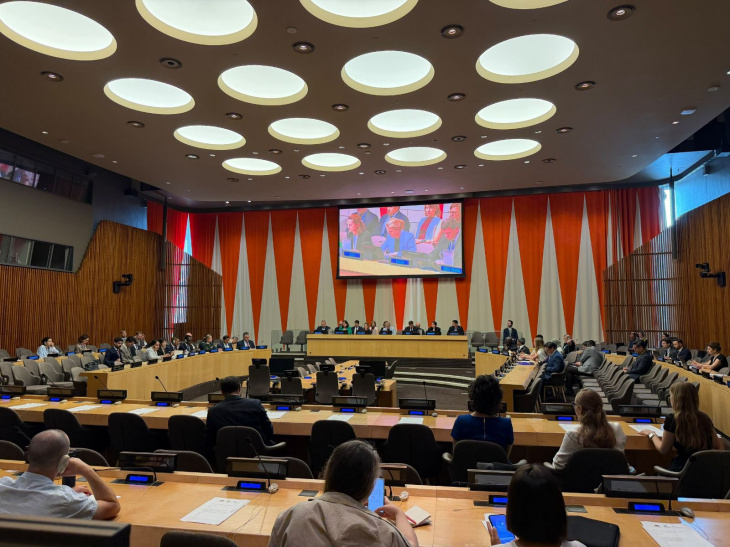
The UN Security Council holds an Arria-formula meeting on Ukrainian POWs
On August 10, the UN Security Council held an Arria-formula meeting at UN Headquarters in New York, dedicated to Russia's systematic violations of international humanitarian law against Ukrainian prisoners of war, civilian detainees, and foreign nationals. The event was convened by Latvia and the United Kingdom at Ukraine's initiative.
questions & answers
You can make a difference
Have a question, a message, or something important to share?
Whether it’s information, a concern, or a word of support, we want to hear from you.
Every voice matters.