
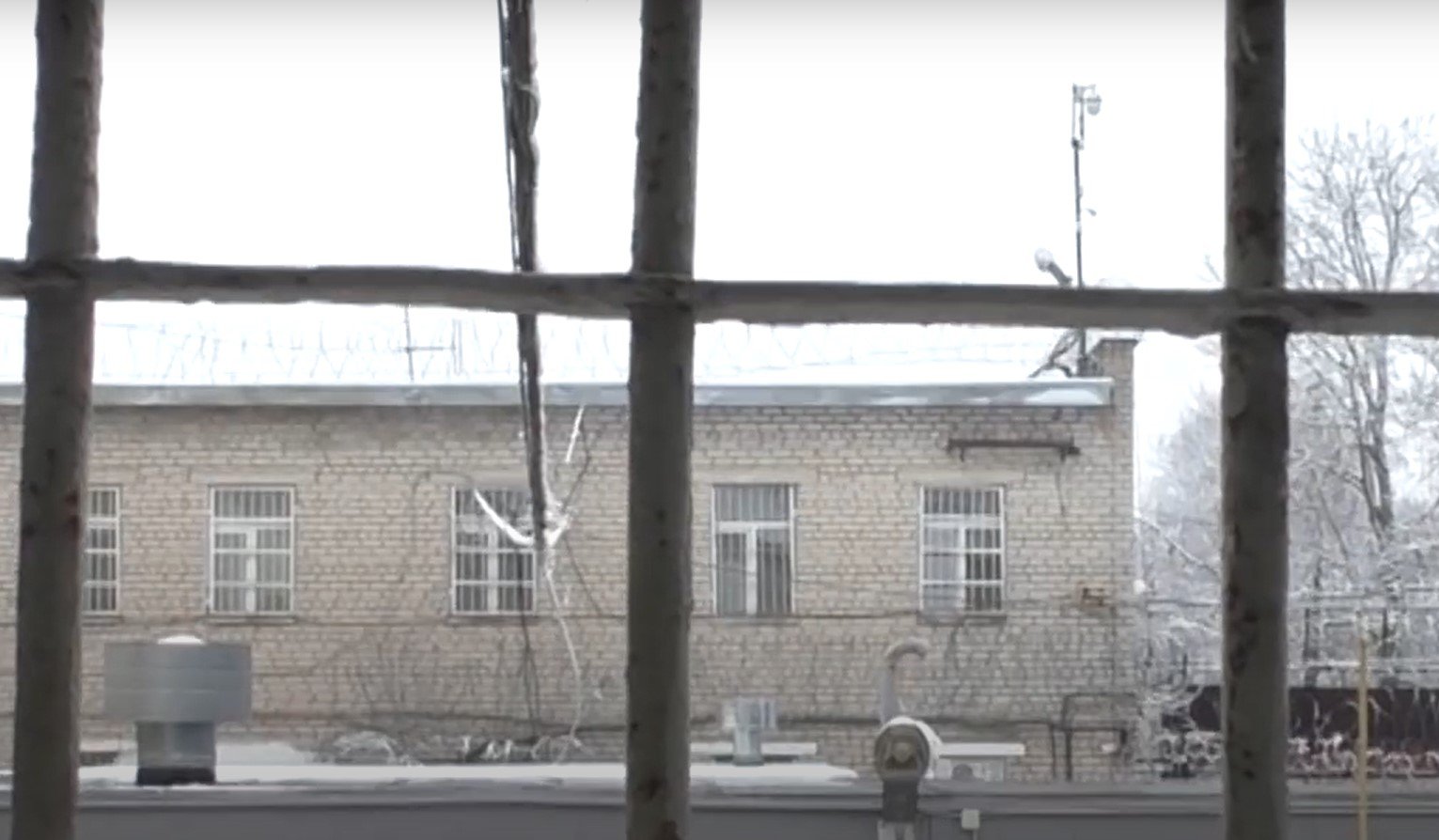
Vyazma Pre-Trial Detention Centre No. 2
Vyazma, Smolensk Oblast
Russia
Pre-Trial Detention Centre
Active
In SIZO-2 Vyazma, as in the vast majority of other Russian prisons, Ukrainian prisoners are treated extremely harshly, subjected to beatings, torture with electric shocks and psychological abuse.
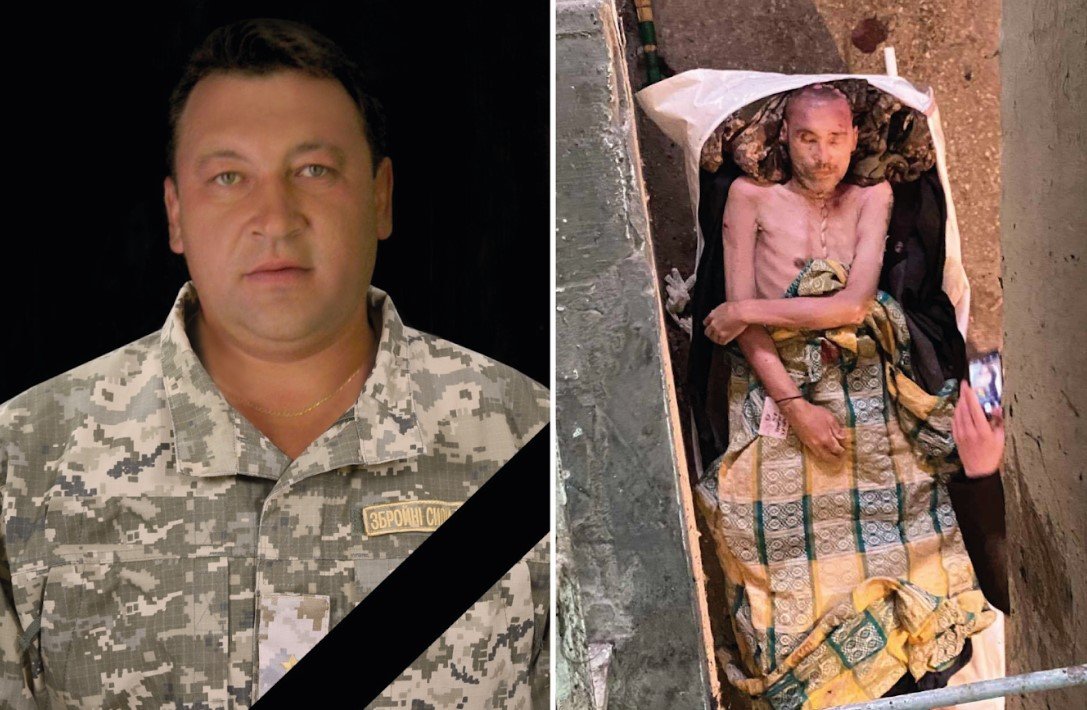
There are known cases of deaths of prisoners who were held in this detention facility and were confirmed by the International Committee of the Red Cross: Oleksandr Hrytsiuk and Vitalii Klochenko.
“Sasha was tall – 180 cm. Before his capture, he weighed 110 kg and was physically healthy. All that was left of him was skin and bones. His head was all bruised, his nose was crooked, and his index fingers had no nails. I don’t know if they were pulled out or knocked off. There were signs of torture all over his body,” said the wife of the deceased POW, Oleksandr.
According to testimony, torture and beatings were common in Detention Centre No. 2. Ukrainian prisoners were beaten daily, had their teeth knocked out, and suffered serious injuries from batons, stun guns, and anything else that came to the guards’ hands. The health of the prisoners was not taken into account.
Former captive border guard Oleksiy Kretsu told Texty.org.ua that marines, stormtroopers, snipers and machine gunners were treated particularly brutally. One of them was beaten so severely that even the loud music turned on by the Russian prisoners could not drown out his screams.
The prisoners were demanded to testify about the alleged ‘atrocities’ committed by the Armed Forces of Ukraine against civilians. However, they could not say anything because they had not witnessed any crimes. Because of this, the investigator came up with a punishment for them – ‘counting game’. All day long, the prisoners were forced to stand in one position, and at night, lying in bed, each had to take turns calling out its number. And so it went on continuously for three nights in a row. Oleksiy Kretsu recalled that one of the captives could not take it and lost his mind. He was taken away for a while and returned completely bruised and in a state of depressed consciousness – he was given pills that turned him into a ‘vegetable’.
Proper medical care was practically absent in SIZO-2. There were cases when a person with tuberculosis was deliberately placed in a cell to infect others. Seriously ill prisoners were transferred to solitary confinement. Conditions there were even worse than in ordinary cells. Many prisoners suffered from tuberculosis, pneumonia and had festering wounds.
Food
The prisoners were fed low-quality food in small portions. This could be groats poured over with boiling water, and often just cold water, mashed green potatoes with fish, or just potato peelings. According to recollections, there was a case when the guards gave the POWs dog food covered with dog hair.
Hygiene
Prisoners were allowed to use the toilet for no more than three minutes. Once every few weeks, the POWs were taken to the bathhouse.
On command, everyone had to undress completely and stand in a ‘dolphin’ position, spreading their legs, bowing their heads and keeping their hands behind their backs. Women who worked in the bathhouse often used physical violence against the prisoners: they beat them on the genitals with shoes, electric shockers and other objects.
Temperature conditions
In winter, the cells were not heated. The temperature in the cell could be +10-12 ℃ at best. In summer, on the contrary, the heating was turned up to the maximum without the possibility of opening the window. The prisoners began to faint from the heat.
The POWs were kept in complete information isolation. The guards deceived them, saying that most of Ukraine had already been occupied, which demoralised them. They were also forced to listen to the Russian anthem several times a day, learn Russian poems and propaganda materials that discredited Ukraine.
The Vyazma media has reported extensively on the signing of cooperation agreements between SIZO No. 2 and the Vyazma Diocese of the Russian Orthodox Church. However, this did not affect the conditions of detention – the abuse of prisoners continued . The only change was that the POWs were given crucifixes and allowed to sign up to read the Bible.
“The treatment was terrible, and the conditions were horrific, simply unbearable. Every single day during the morning check, we were humiliated. The same shocker was used on us without hesitation,” former prisoner Oleksiy Kretsu told Texty.org.ua.
“As I was informed, there was nothing good there. They lived in a basement. They were fed what pigs are fed, and they were given only two spoonfuls. They beat them severely. If a person fell down and lost consciousness, they would hold a stun gun to his ear to bring him back to his senses. And then they continued again,” said the wife of Vitalii Klochenko, who died in SIZO-2 Vyazma.
“In many cases, bodies are returned from this facility. Even confirmed prisoners of war are coming back dead. There was a case where a man was returned with a rag in his head instead of a brain…,” said the sister of Marine Dmytro Prokofiev, who is being held in Vyazma.
Overview
In SIZO-2 Vyazma, as in the vast majority of other Russian prisons, Ukrainian prisoners are treated extremely harshly, subjected to beatings, torture with electric shocks and psychological abuse.
There are known cases of deaths of prisoners who were held in this detention facility and were confirmed by the International Committee of the Red Cross: Oleksandr Hrytsiuk and Vitalii Klochenko.
“Sasha was tall – 180 cm. Before his capture, he weighed 110 kg and was physically healthy. All that was left of him was skin and bones. His head was all bruised, his nose was crooked, and his index fingers had no nails. I don’t know if they were pulled out or knocked off. There were signs of torture all over his body,” said the wife of the deceased POW, Oleksandr.
Torture & abuse
According to testimony, torture and beatings were common in Detention Centre No. 2. Ukrainian prisoners were beaten daily, had their teeth knocked out, and suffered serious injuries from batons, stun guns, and anything else that came to the guards’ hands. The health of the prisoners was not taken into account.
Former captive border guard Oleksiy Kretsu told Texty.org.ua that marines, stormtroopers, snipers and machine gunners were treated particularly brutally. One of them was beaten so severely that even the loud music turned on by the Russian prisoners could not drown out his screams.
The prisoners were demanded to testify about the alleged ‘atrocities’ committed by the Armed Forces of Ukraine against civilians. However, they could not say anything because they had not witnessed any crimes. Because of this, the investigator came up with a punishment for them – ‘counting game’. All day long, the prisoners were forced to stand in one position, and at night, lying in bed, each had to take turns calling out its number. And so it went on continuously for three nights in a row. Oleksiy Kretsu recalled that one of the captives could not take it and lost his mind. He was taken away for a while and returned completely bruised and in a state of depressed consciousness – he was given pills that turned him into a ‘vegetable’.
Medical care
Proper medical care was practically absent in SIZO-2. There were cases when a person with tuberculosis was deliberately placed in a cell to infect others. Seriously ill prisoners were transferred to solitary confinement. Conditions there were even worse than in ordinary cells. Many prisoners suffered from tuberculosis, pneumonia and had festering wounds.
Food & Sanitation
Food
The prisoners were fed low-quality food in small portions. This could be groats poured over with boiling water, and often just cold water, mashed green potatoes with fish, or just potato peelings. According to recollections, there was a case when the guards gave the POWs dog food covered with dog hair.
Hygiene
Prisoners were allowed to use the toilet for no more than three minutes. Once every few weeks, the POWs were taken to the bathhouse.
On command, everyone had to undress completely and stand in a ‘dolphin’ position, spreading their legs, bowing their heads and keeping their hands behind their backs. Women who worked in the bathhouse often used physical violence against the prisoners: they beat them on the genitals with shoes, electric shockers and other objects.
Temperature conditions
In winter, the cells were not heated. The temperature in the cell could be +10-12 ℃ at best. In summer, on the contrary, the heating was turned up to the maximum without the possibility of opening the window. The prisoners began to faint from the heat.
Psychological Pressure
The POWs were kept in complete information isolation. The guards deceived them, saying that most of Ukraine had already been occupied, which demoralised them. They were also forced to listen to the Russian anthem several times a day, learn Russian poems and propaganda materials that discredited Ukraine.
The Vyazma media has reported extensively on the signing of cooperation agreements between SIZO No. 2 and the Vyazma Diocese of the Russian Orthodox Church. However, this did not affect the conditions of detention – the abuse of prisoners continued . The only change was that the POWs were given crucifixes and allowed to sign up to read the Bible.
Testimonies & Reports
“The treatment was terrible, and the conditions were horrific, simply unbearable. Every single day during the morning check, we were humiliated. The same shocker was used on us without hesitation,” former prisoner Oleksiy Kretsu told Texty.org.ua.
“As I was informed, there was nothing good there. They lived in a basement. They were fed what pigs are fed, and they were given only two spoonfuls. They beat them severely. If a person fell down and lost consciousness, they would hold a stun gun to his ear to bring him back to his senses. And then they continued again,” said the wife of Vitalii Klochenko, who died in SIZO-2 Vyazma.
“In many cases, bodies are returned from this facility. Even confirmed prisoners of war are coming back dead. There was a case where a man was returned with a rag in his head instead of a brain…,” said the sister of Marine Dmytro Prokofiev, who is being held in Vyazma.
News
see more
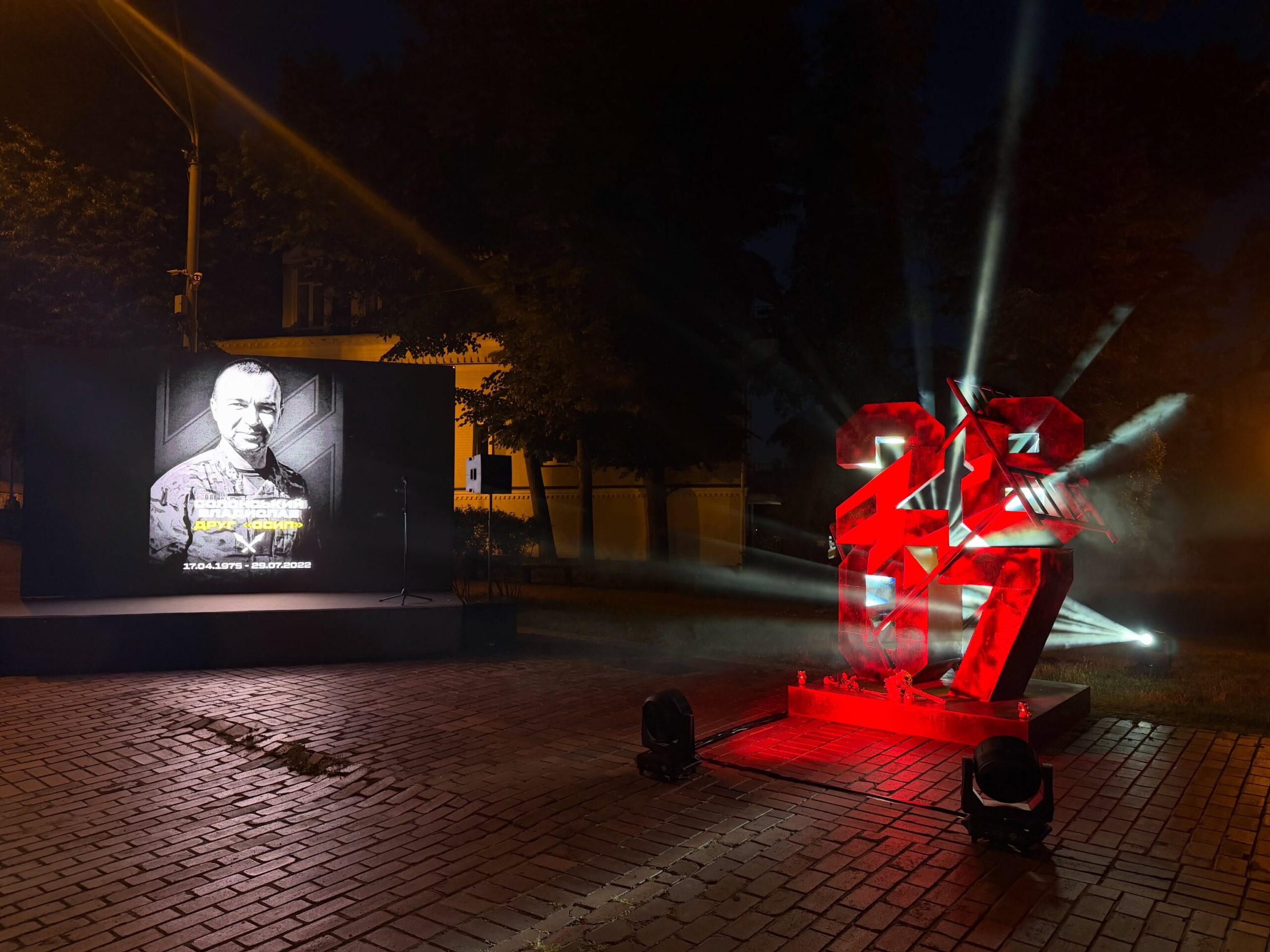
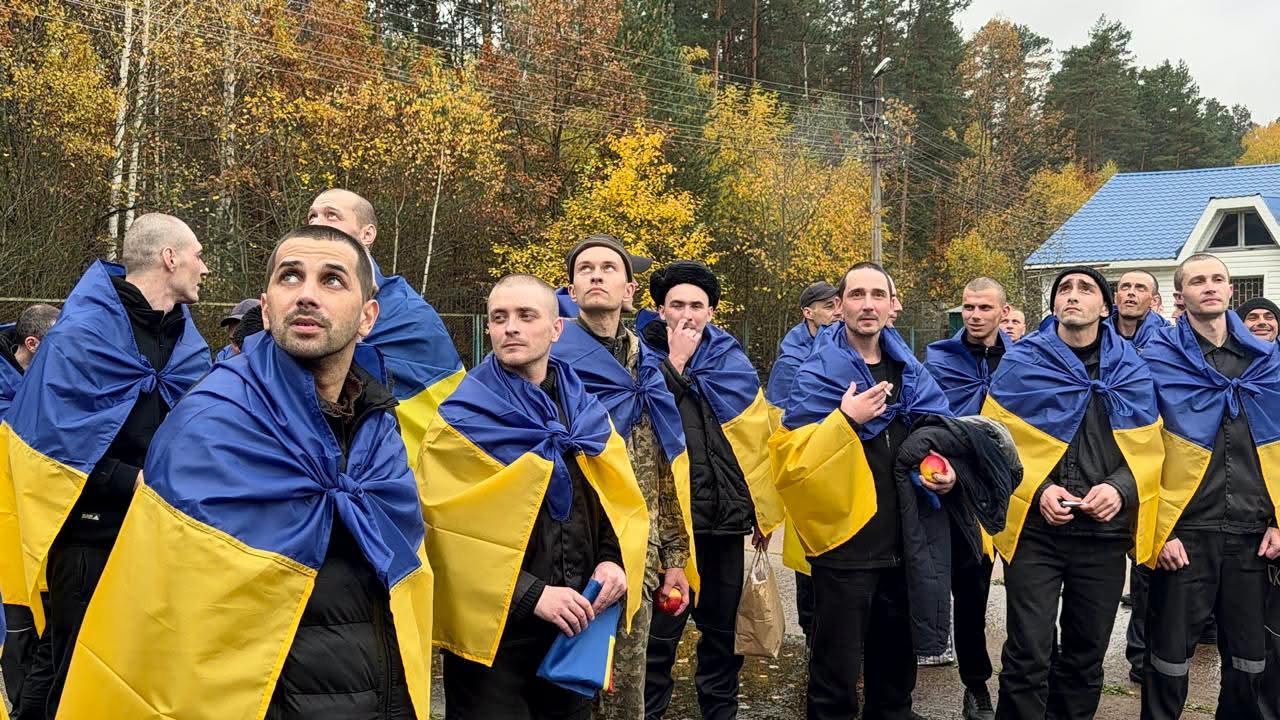
Ukraine brings home 270 Ukrainians from Russian captivity, including 35 Azov POWs
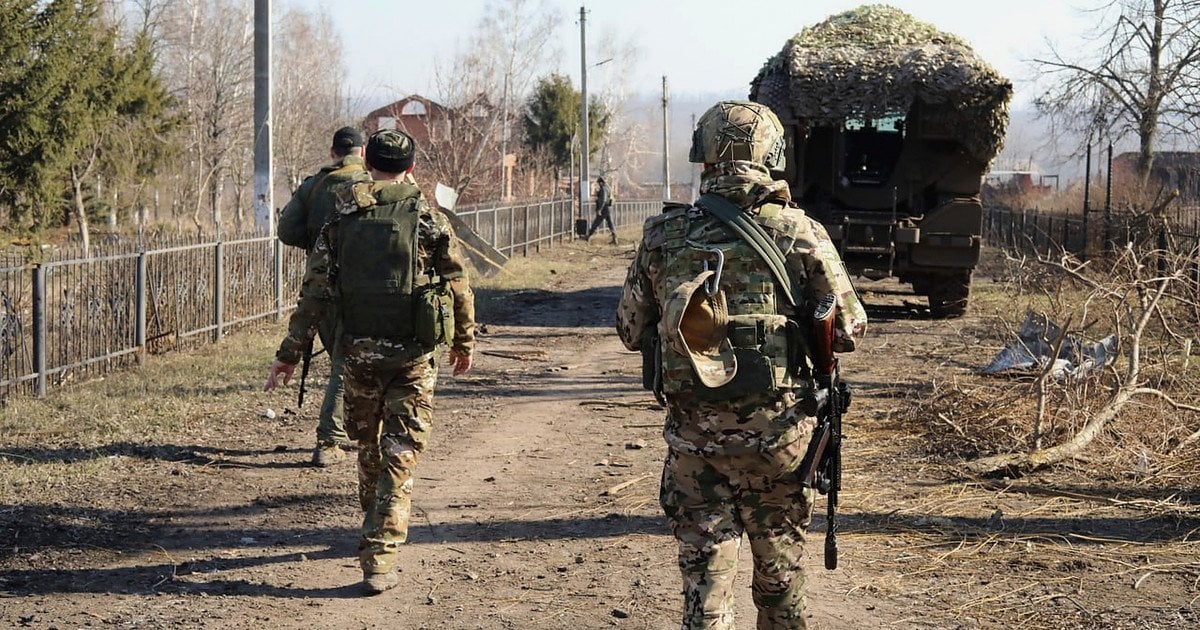
On 23 October, 270 Ukrainians were returned from Russian captivity: 261 servicemen and 9 civilians. Those released include members of the Navy, Land Forces, Air Assault Forces, State Special Transport Service, Territorial Defence Forces, Special Operations Forces and Military Law Enforcement Service, as well as the National Guard, the State Border Guard Service and a rescuer from the State Emergency Service.
ICRC confirms it has had no access to Ukrainian POWs for two years
Russia has denied the International Committee of the Red Cross (ICRC) access to Ukrainian prisoners of war held in Russian detention since 2024. “We can confirm the lack of access to POWs in Russia since 2024,” an ICRC spokesperson told Reuters on September 18.
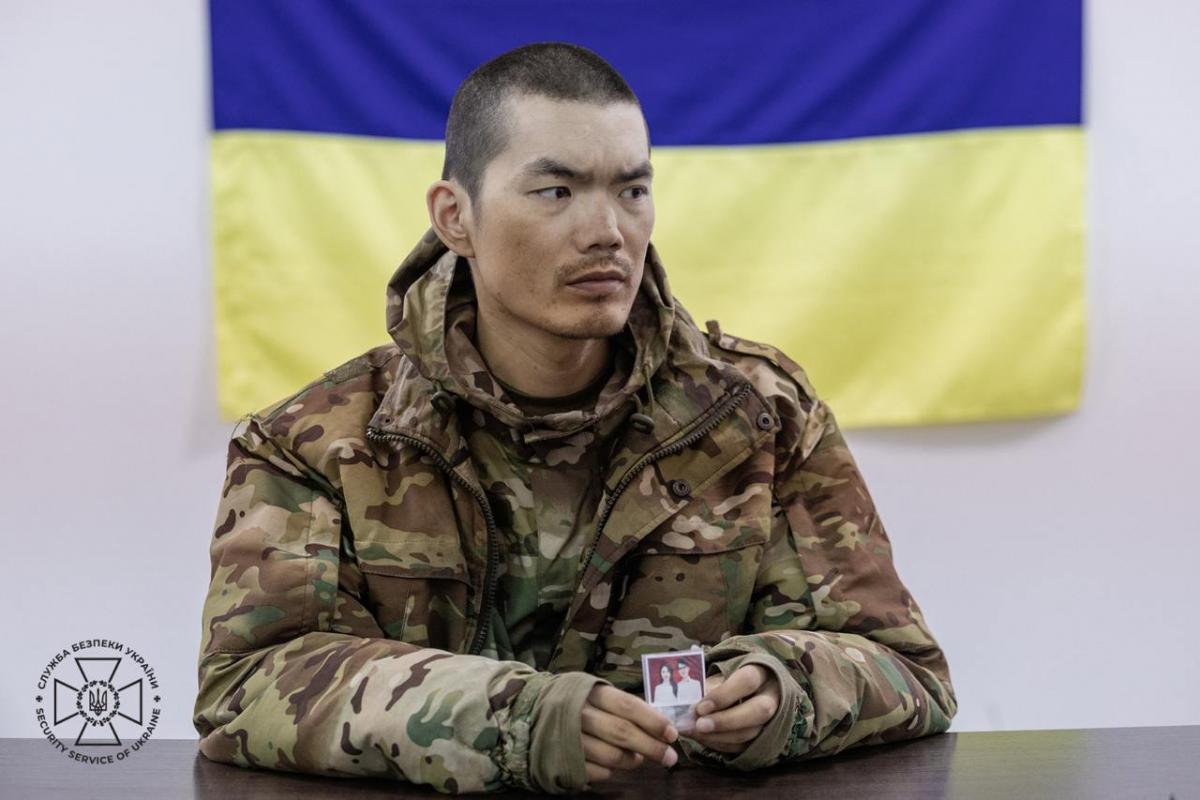
Citizens of 51 Countries Held as Prisoners of War in Ukraine
Ukraine’s Coordination Headquarters for the Treatment of Prisoners of War and the Ministry of Foreign Affairs of Ukraine have announced the launch of StopRussianRecruiters.org, an information platform documenting and exposing Russia’s deceptive recruitment of foreign nationals into its armed forces. The project also provides information about foreign prisoners of war held in Ukraine and calls on the governments of their respective countries to take diplomatic action to secure their return.
questions & answers
You can make a difference
Have a question, a message, or something important to share?
Whether it’s information, a concern, or a word of support, we want to hear from you.
Every voice matters.