
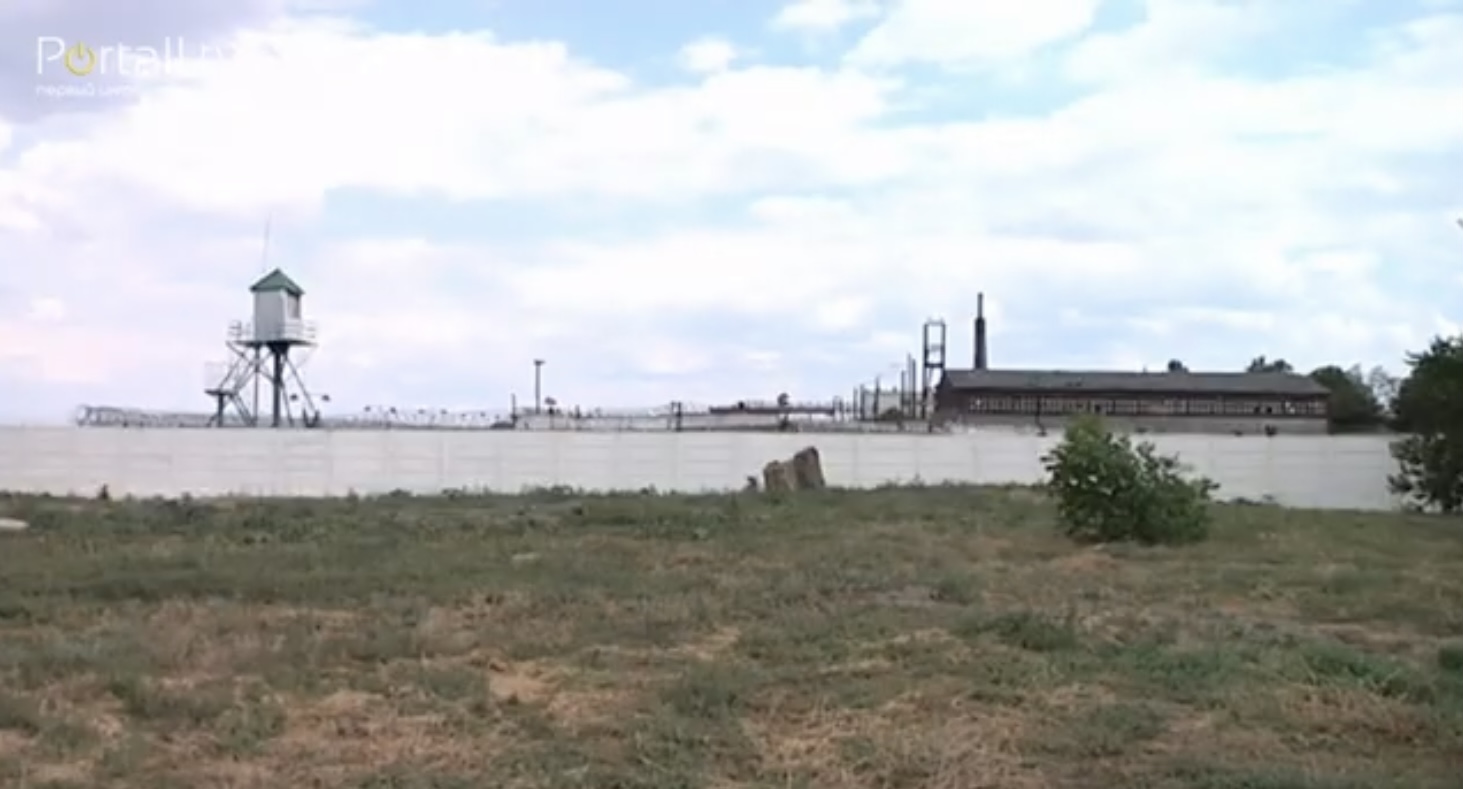
Sukhodilsk Penal Colony No. 36
Luhansk Region, Sukhodilsk
Temporarily occupied territories
Penal colony
Active
Sukhodilsk Penal Colony No. 36 is located in the Russian-occupied city of Sukhodilsk in the Luhansk region. Its occupation name is ‘Penal Colony No. 4 of the Federal Penitentiary Service for the Lugansk People’s Republic.’
The colony has a punishment cell, six two-storey barracks, a woodworking facility and a furniture factory. The colony can hold more than a thousand people. Testimonies from survivors of captivity report regular torture, including electric shocks, beatings, and psychological pressure.
The freed prisoners said that at first they weren’t beaten. But after one incident, everything changed: while eating, one of the prisoners, who had a shrapnel wound to his chest, suddenly felt ill. He died on the spot. As he was carried out of the dining room, the prisoners knelt on one knee, and someone shouted, ‘Heroes never die!’ This angered the colony administration, and after that, violence began to be used against the prisoners.
The colony staff beat the prisoners of war without any reason, including to the state of unconsciousness, using their fists, rubber batons and tasers. This was also documented by the Security Service of Ukraine: two collaborators working in the colony participated in the torture of captives between 2022 and 2025. Based on the evidence gathered, the SBU notified them in absentia of suspicion of committing war crimes.
There is no information available regarding the provision or denial of medical care at Sukhodilsk Penal Colony No. 36. However, despite the lack of evidence, there is a high probability that prisoners did not receive adequate medical care in captivity.
During the summer, POWs were forced to sit for hours under the scorching sun, as they were not allowed to stay in the barracks during the day. Such conditions forced many to agree to work at a furniture factory.
In winter, there was virtually no heating. The air temperature dropped to -27 °C. There was no suitable clothing for such weather – they had torn and worn-out shoes and thin clothes.
After one of the prisoners died while eating, visits to the canteen began to be accompanied by beatings. Prisoners were given only half a minute to eat.
Prisoners of war were beaten with rubber truncheons even for bread found in their rooms.
The POWs were subjected to psychological and ideological pressure, completely isolating them from information and forcing them to listen to lectures about the ‘greatness’ of the Soviet Union and learn songs from that period.
Interrogations were conducted with the use of physical abuse, including electric shocks, to extract confessions. The released prisoner also said that dogs were set on him. Many were forced to sign confessions to crimes they did not commit. According to the testimonies, they were sentenced to terms ranging from 15 to 20 years.
“We got up at five in the morning and did exercises to Soviet songs. If you don’t do the exercises, they beat you,‘ recalled Marine Pavlo Popadyuk. He also said that they were called ’those who interfered with the conduct of a special military operation” rather than prisoners of war, and that the Geneva Convention did not apply to them.
“During interrogations, they forced us to confess to crimes we didn’t commit. They made us sign some papers, and if we refused, they tortured us with a tapik [a military field telephone] and beat us continuously. If you didn’t break after that, they left you alone. But many couldn’t withstand the torture and confessed to things they hadn’t done,” Rostislav, a former prisoner of war, told the Media Initiave for Human Rights.
Overview
Sukhodilsk Penal Colony No. 36 is located in the Russian-occupied city of Sukhodilsk in the Luhansk region. Its occupation name is ‘Penal Colony No. 4 of the Federal Penitentiary Service for the Lugansk People’s Republic.’
The colony has a punishment cell, six two-storey barracks, a woodworking facility and a furniture factory. The colony can hold more than a thousand people. Testimonies from survivors of captivity report regular torture, including electric shocks, beatings, and psychological pressure.
Torture & Abuse
The freed prisoners said that at first they weren’t beaten. But after one incident, everything changed: while eating, one of the prisoners, who had a shrapnel wound to his chest, suddenly felt ill. He died on the spot. As he was carried out of the dining room, the prisoners knelt on one knee, and someone shouted, ‘Heroes never die!’ This angered the colony administration, and after that, violence began to be used against the prisoners.
The colony staff beat the prisoners of war without any reason, including to the state of unconsciousness, using their fists, rubber batons and tasers. This was also documented by the Security Service of Ukraine: two collaborators working in the colony participated in the torture of captives between 2022 and 2025. Based on the evidence gathered, the SBU notified them in absentia of suspicion of committing war crimes.
Medical Care
There is no information available regarding the provision or denial of medical care at Sukhodilsk Penal Colony No. 36. However, despite the lack of evidence, there is a high probability that prisoners did not receive adequate medical care in captivity.
Food & Sanitation
During the summer, POWs were forced to sit for hours under the scorching sun, as they were not allowed to stay in the barracks during the day. Such conditions forced many to agree to work at a furniture factory.
In winter, there was virtually no heating. The air temperature dropped to -27 °C. There was no suitable clothing for such weather – they had torn and worn-out shoes and thin clothes.
After one of the prisoners died while eating, visits to the canteen began to be accompanied by beatings. Prisoners were given only half a minute to eat.
Prisoners of war were beaten with rubber truncheons even for bread found in their rooms.
Psychological Pressure
The POWs were subjected to psychological and ideological pressure, completely isolating them from information and forcing them to listen to lectures about the ‘greatness’ of the Soviet Union and learn songs from that period.
Interrogations were conducted with the use of physical abuse, including electric shocks, to extract confessions. The released prisoner also said that dogs were set on him. Many were forced to sign confessions to crimes they did not commit. According to the testimonies, they were sentenced to terms ranging from 15 to 20 years.
Testimonies & Reports
“We got up at five in the morning and did exercises to Soviet songs. If you don’t do the exercises, they beat you,‘ recalled Marine Pavlo Popadyuk. He also said that they were called ’those who interfered with the conduct of a special military operation” rather than prisoners of war, and that the Geneva Convention did not apply to them.
“During interrogations, they forced us to confess to crimes we didn’t commit. They made us sign some papers, and if we refused, they tortured us with a tapik [a military field telephone] and beat us continuously. If you didn’t break after that, they left you alone. But many couldn’t withstand the torture and confessed to things they hadn’t done,” Rostislav, a former prisoner of war, told the Media Initiave for Human Rights.
News
see more
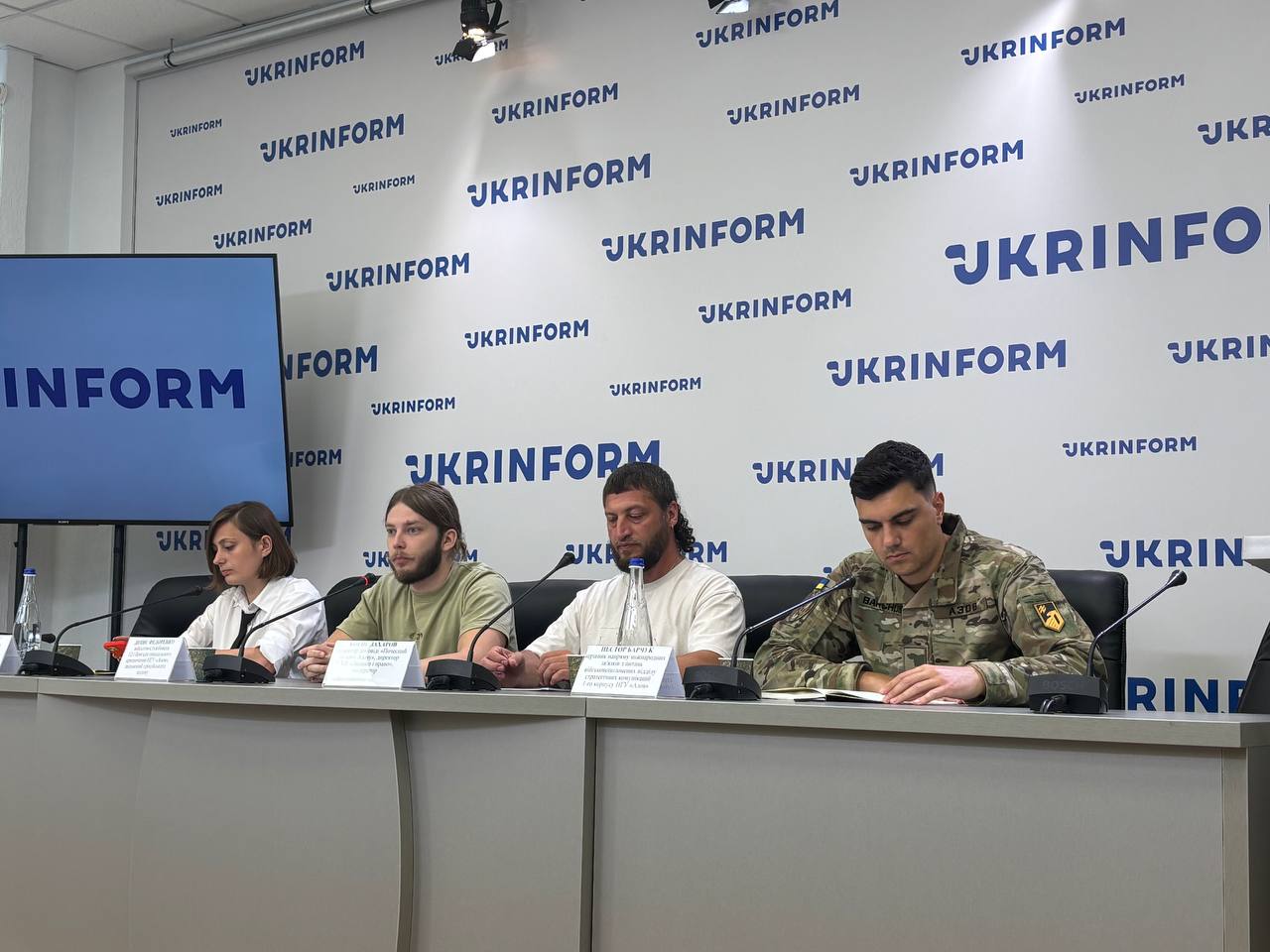
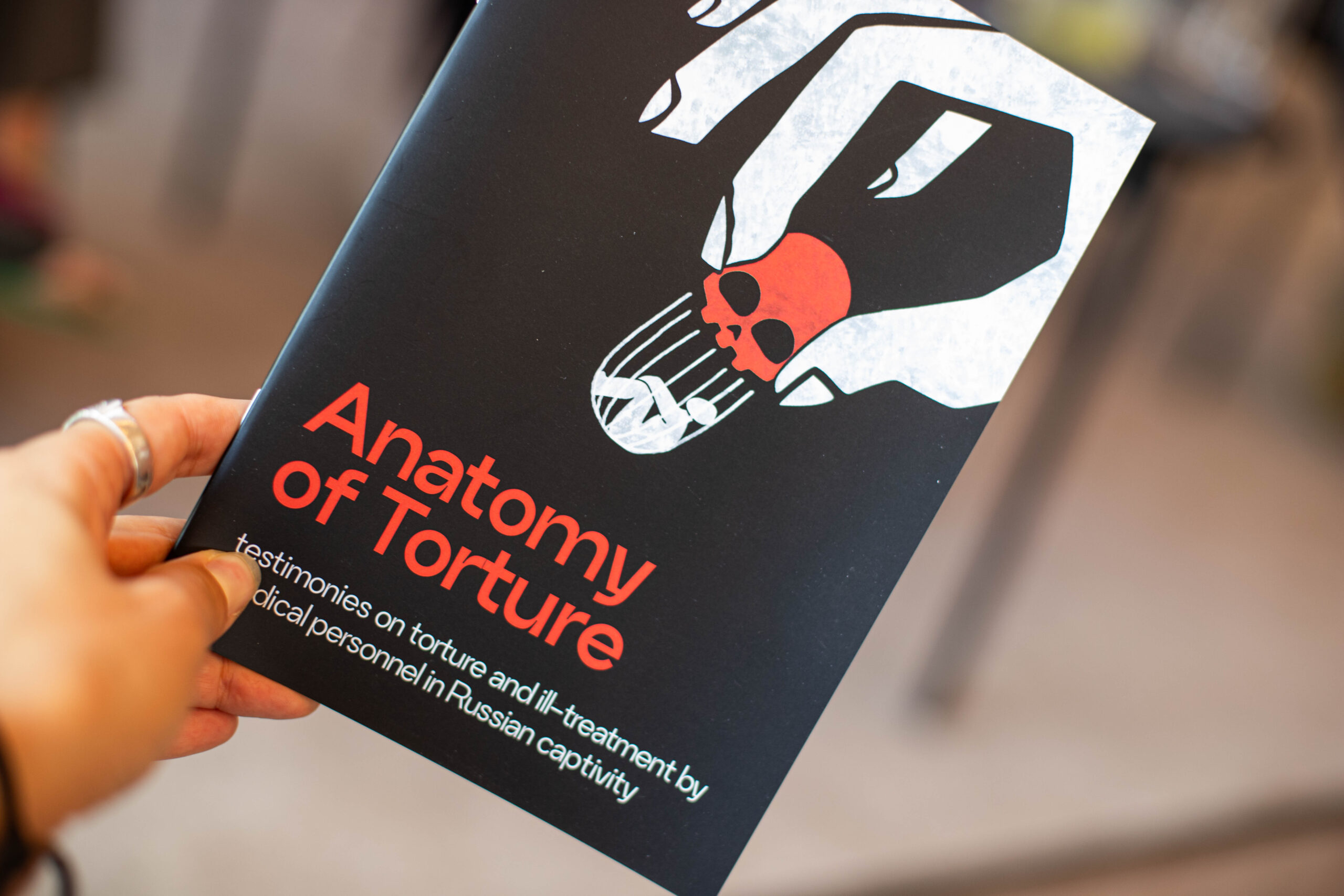
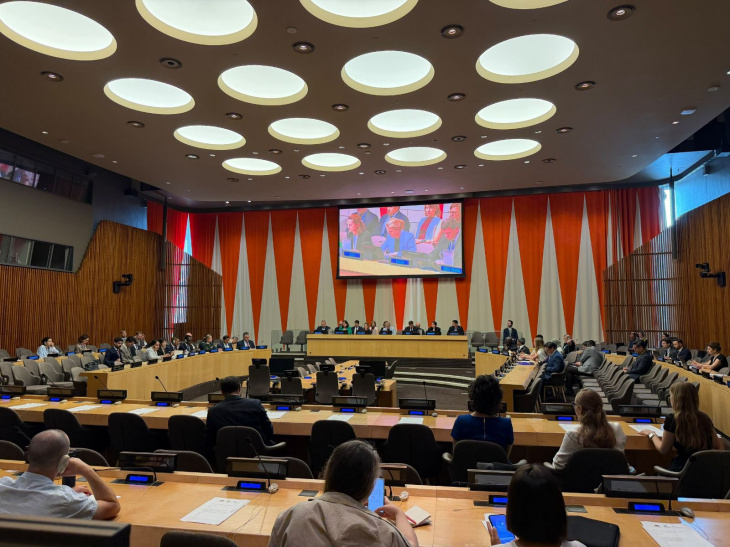
The UN Security Council holds an Arria-formula meeting on Ukrainian POWs
On August 10, the UN Security Council held an Arria-formula meeting at UN Headquarters in New York, dedicated to Russia's systematic violations of international humanitarian law against Ukrainian prisoners of war, civilian detainees, and foreign nationals. The event was convened by Latvia and the United Kingdom at Ukraine's initiative.
Russia forms military unit from Ukrainian POWs in violation of the Geneva Convention
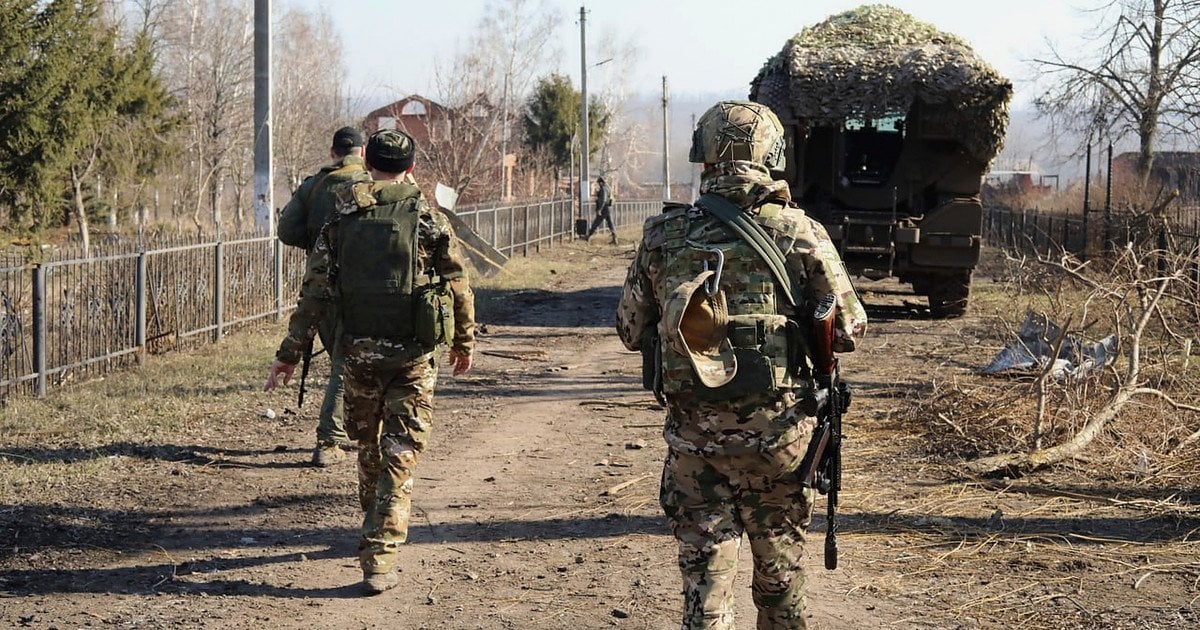
Russia has formed a new military unit made up of Ukrainian prisoners of war and former servicemen of the Armed Forces of Ukraine. The creation of the so-called "First Ukrainian Volunteer Special Purpose Brigade" became known on August 6. The unit was incorporated into the "Volunteer Corps" of Russia's Ministry of Defense.
Fourth anniversary of the Olenivka attack: memorial installation unveiled in Kyiv
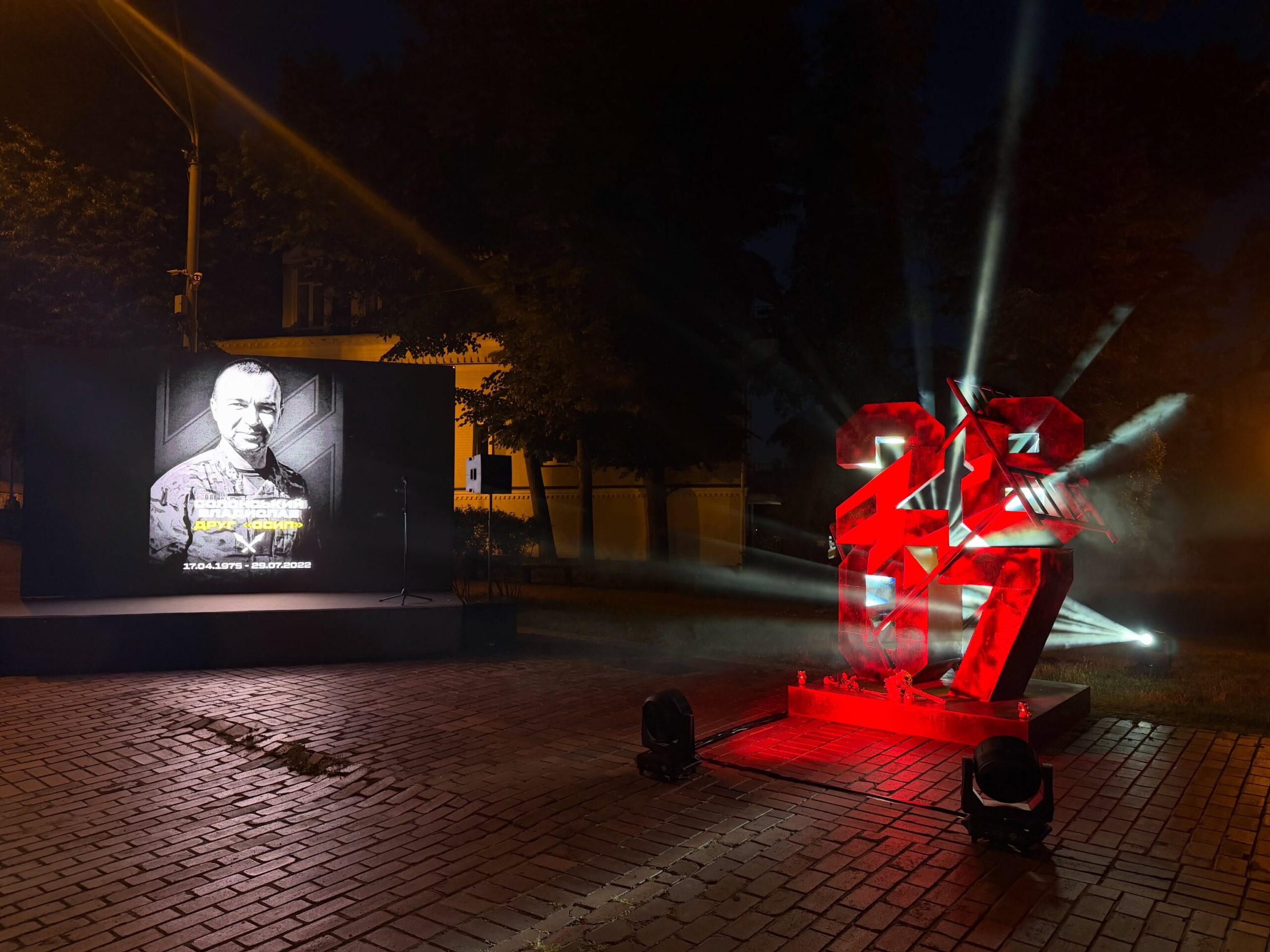
A permanent memorial installation commemorating the victims of the Russian terrorist attack in Olenivka has been unveiled at Mykhailivska Square in Kyiv, the Association of Azovstal Defenders’ Families announced.
questions & answers
You can make a difference
Have a question, a message, or something important to share?
Whether it’s information, a concern, or a word of support, we want to hear from you.
Every voice matters.