
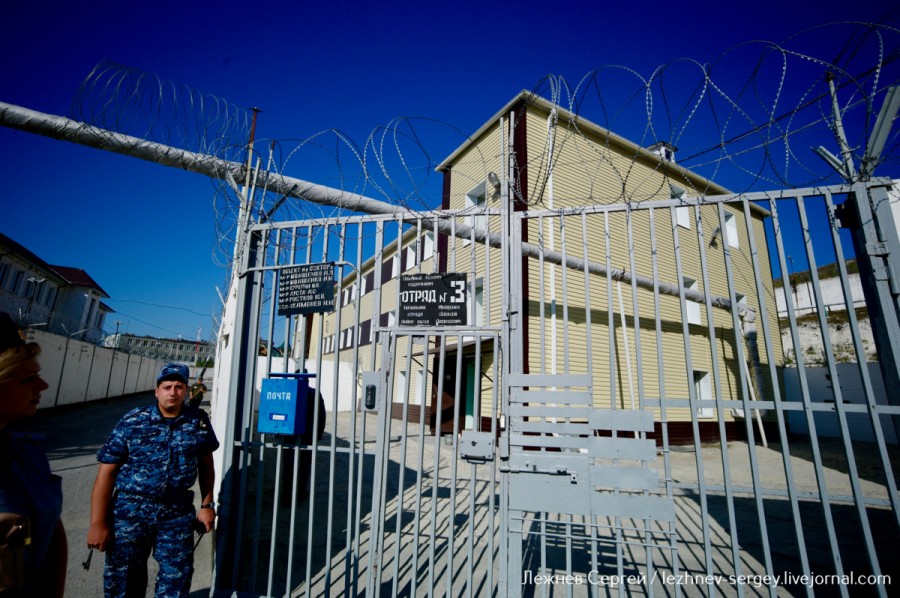
Valuyki Penal Colony No. 7
Valuyki, Belgorod Oblast
Russia
Penal Colony
Active
Correctional Colony No. 7 in Valuyki, Belgorod Oblast, is a strict-regime facility with a capacity of 1,200 people. It holds both prisoners of war and civilians. The place of detention is located 5 km from Penal Colony No. 9, where Ukrainian female prisoners of war are held.
There are several areas on the territory: an industrial and living areas, a punishment cell, and a room for prisoners to take part in court hearings online. The buildings (‘units’) where the prisoners are held have sleeping quarters with bunk beds, toilets, showers, a rest room, and courtyards. The sections are supervised by colony staff, who are mediators between the prisoners and the prison administration.
In Penal Colony No. 7 in Valuyki, Ukrainian POWs are subjected to physical and psychological abuse. This includes beatings with rubber batons and electric shockers, which leave burn wounds. If the guards did not like something, they could punish the POW on duty or even the entire room: they beat them and forced them to do squats, sometimes 250 times.
During rare walks, colony workers set dogs on prisoners of war, and the dogs bit and tore the prisoners’ clothes.
To receive humanitarian aid, including food and clothing, Ukrainian prisoners were forced to work. However, the aid did not reach them. They wore the same clothes for several months. Walks were extremely rare. And when they did happen, the guards set dogs on the prisoners.
“The warden came and said, ‘If you work, you will receive bonuses; if not, you will be punished. So we glued shoelaces onto folders containing personal documents. Later, we found out that these bonuses were humanitarian aid, which never reached us,’ released POW Volodymyr recalled.
Overview
Correctional Colony No. 7 in Valuyki, Belgorod Oblast, is a strict-regime facility with a capacity of 1,200 people. It holds both prisoners of war and civilians. The place of detention is located 5 km from Penal Colony No. 9, where Ukrainian female prisoners of war are held.
There are several areas on the territory: an industrial and living areas, a punishment cell, and a room for prisoners to take part in court hearings online. The buildings (‘units’) where the prisoners are held have sleeping quarters with bunk beds, toilets, showers, a rest room, and courtyards. The sections are supervised by colony staff, who are mediators between the prisoners and the prison administration.
Torture & Abuse
In Penal Colony No. 7 in Valuyki, Ukrainian POWs are subjected to physical and psychological abuse. This includes beatings with rubber batons and electric shockers, which leave burn wounds. If the guards did not like something, they could punish the POW on duty or even the entire room: they beat them and forced them to do squats, sometimes 250 times.
During rare walks, colony workers set dogs on prisoners of war, and the dogs bit and tore the prisoners’ clothes.
Food & Sanitation
To receive humanitarian aid, including food and clothing, Ukrainian prisoners were forced to work. However, the aid did not reach them. They wore the same clothes for several months. Walks were extremely rare. And when they did happen, the guards set dogs on the prisoners.
Testimonies & Reports
“The warden came and said, ‘If you work, you will receive bonuses; if not, you will be punished. So we glued shoelaces onto folders containing personal documents. Later, we found out that these bonuses were humanitarian aid, which never reached us,’ released POW Volodymyr recalled.
News
see more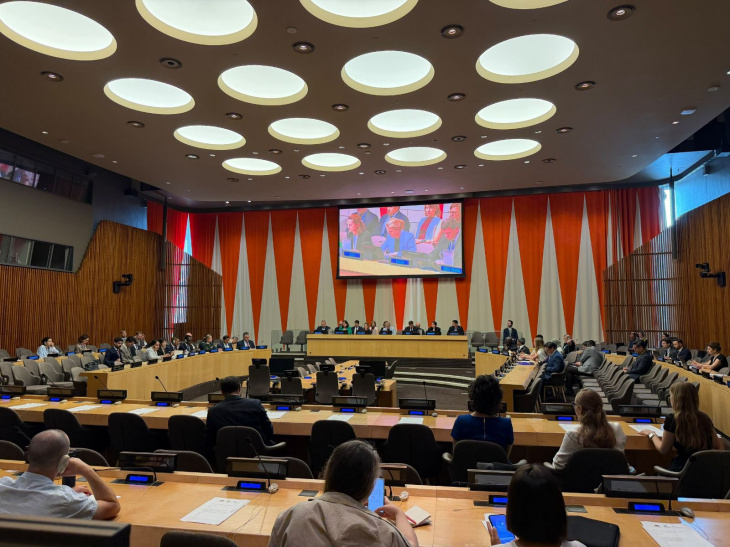
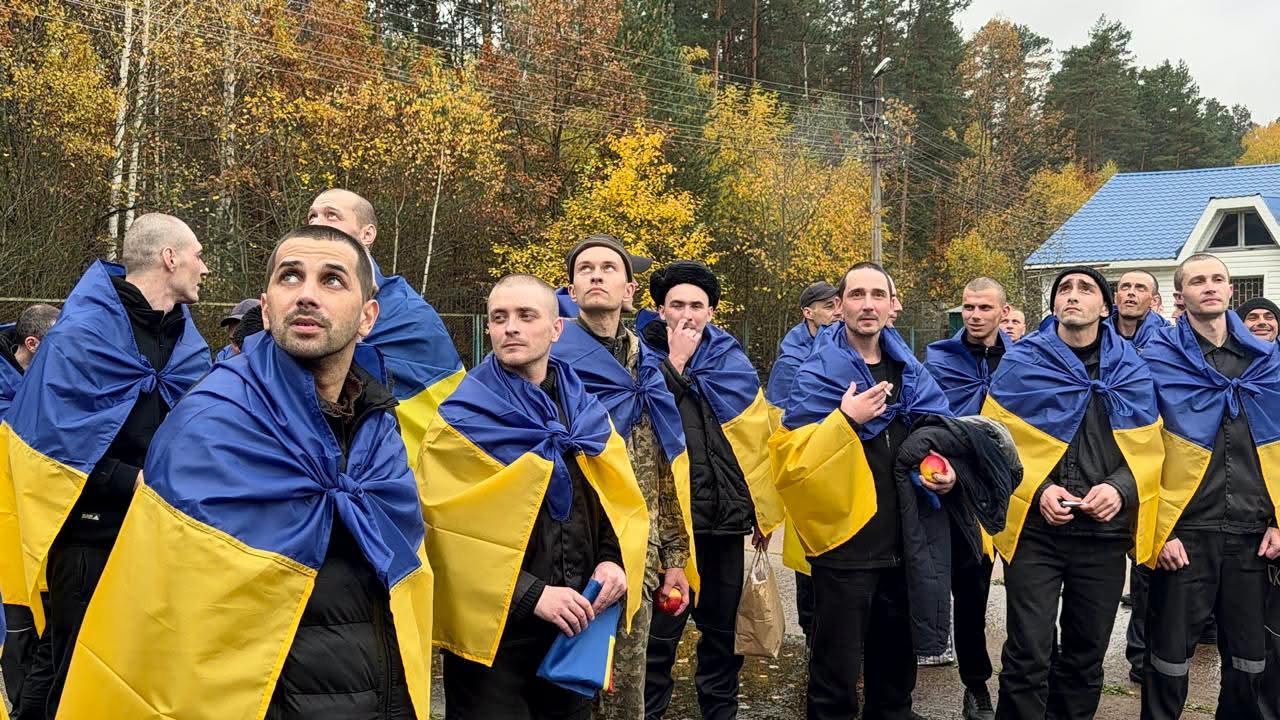
Ukraine brings home 270 Ukrainians from Russian captivity, including 35 Azov POWs
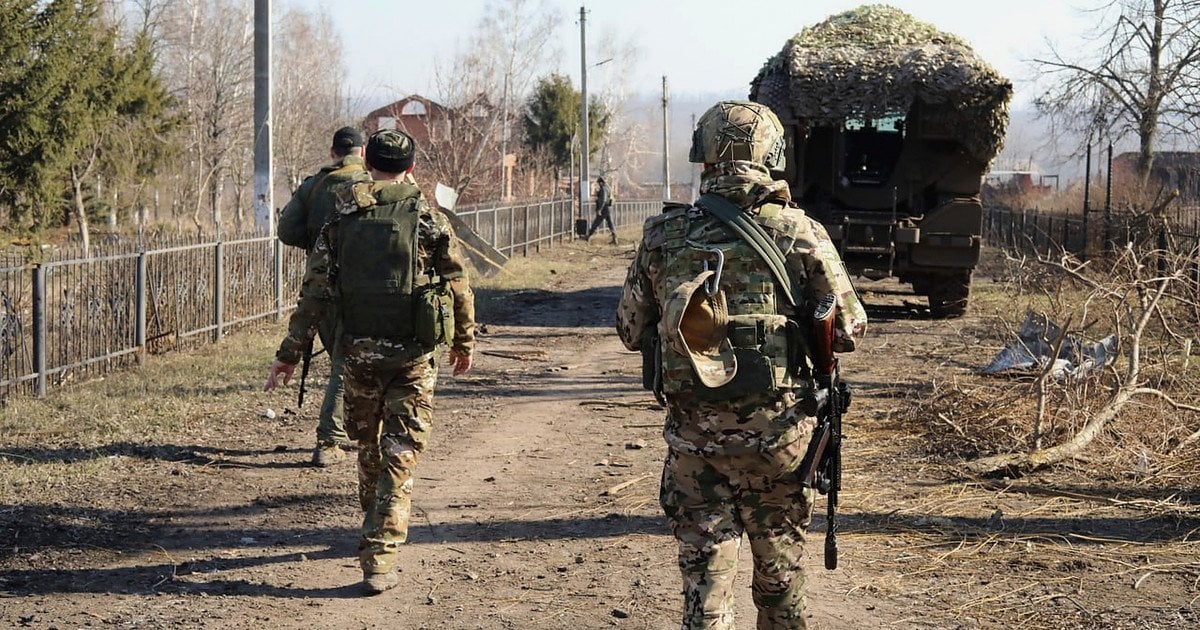
On 23 October, 270 Ukrainians were returned from Russian captivity: 261 servicemen and 9 civilians. Those released include members of the Navy, Land Forces, Air Assault Forces, State Special Transport Service, Territorial Defence Forces, Special Operations Forces and Military Law Enforcement Service, as well as the National Guard, the State Border Guard Service and a rescuer from the State Emergency Service.
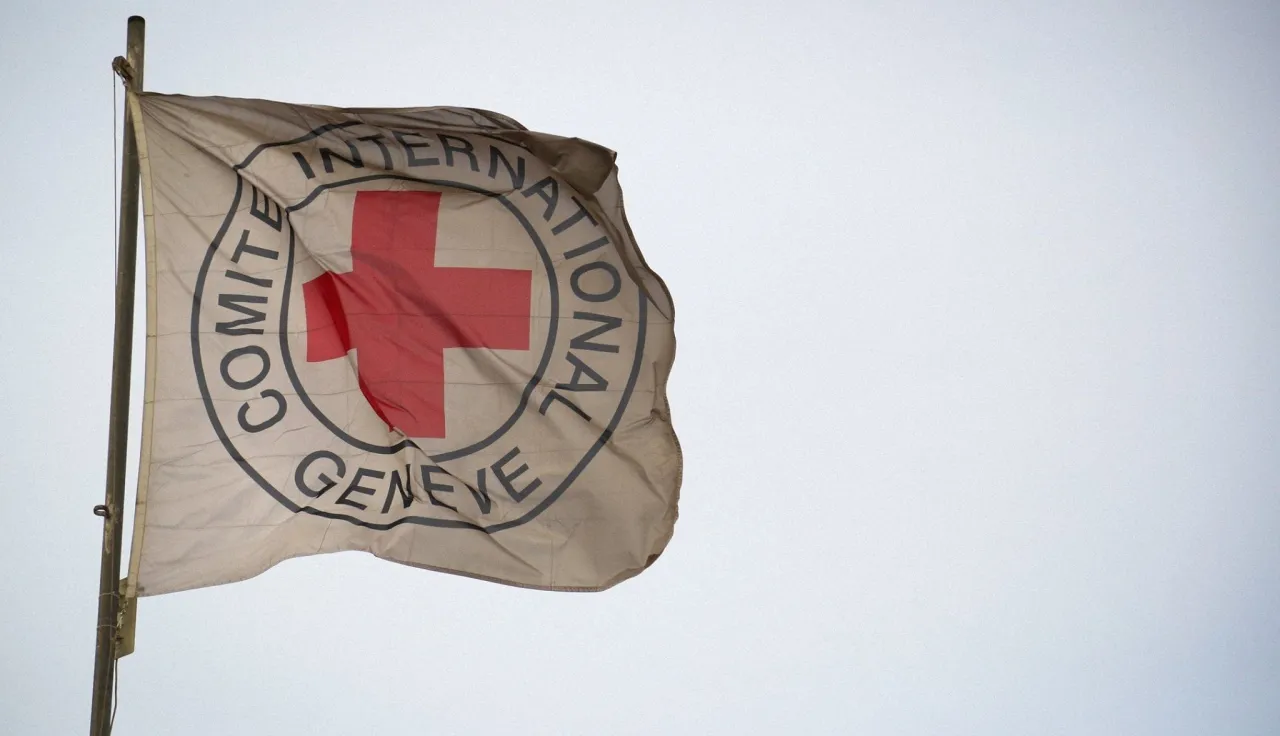
ICRC confirms it has had no access to Ukrainian POWs for two years
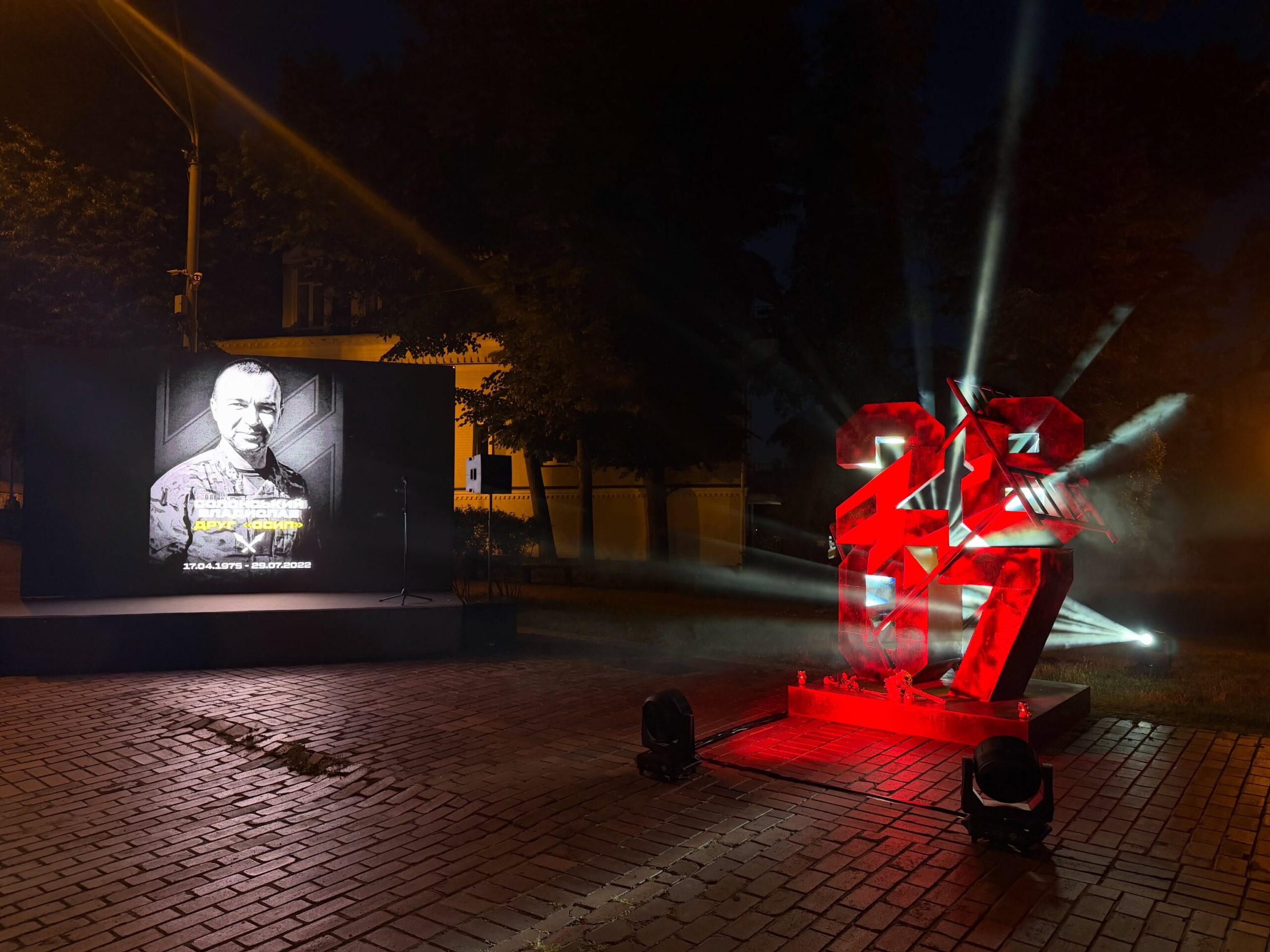
Russia has denied the International Committee of the Red Cross (ICRC) access to Ukrainian prisoners of war held in Russian detention since 2024. “We can confirm the lack of access to POWs in Russia since 2024,” an ICRC spokesperson told Reuters on September 18.
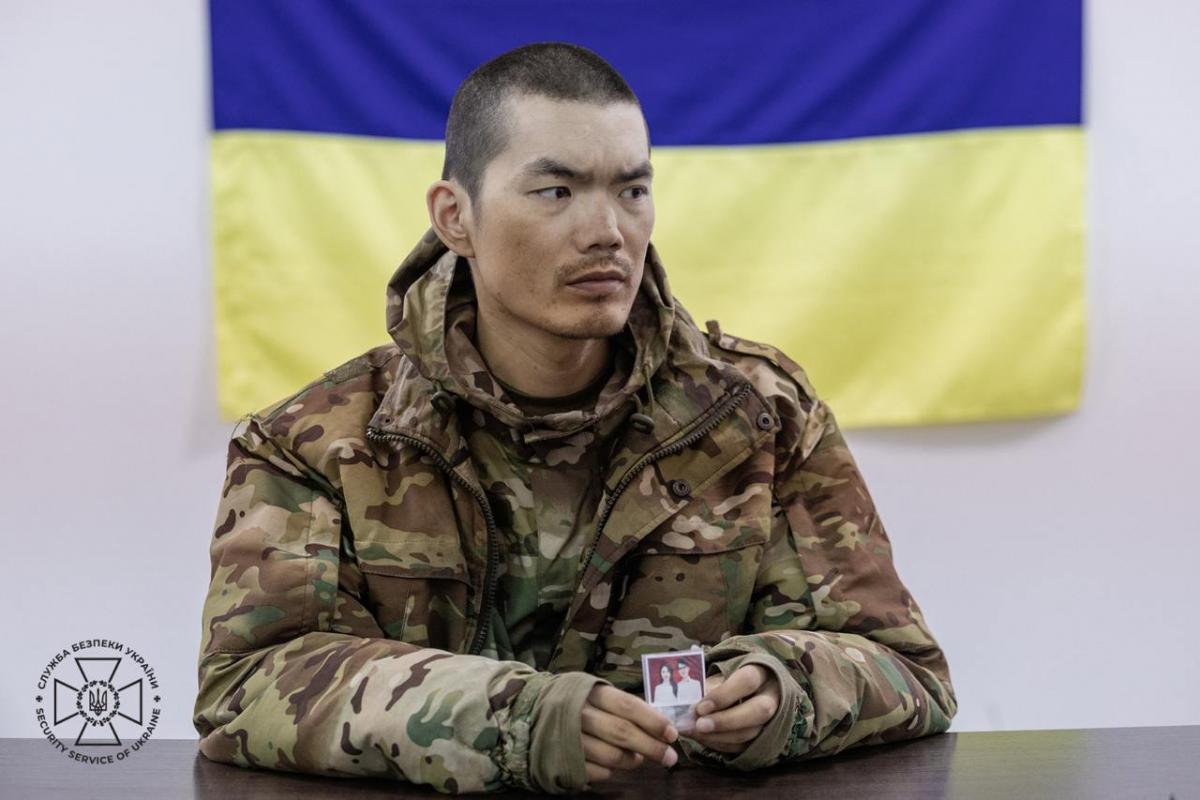
Citizens of 51 Countries Held as Prisoners of War in Ukraine
Ukraine’s Coordination Headquarters for the Treatment of Prisoners of War and the Ministry of Foreign Affairs of Ukraine have announced the launch of StopRussianRecruiters.org, an information platform documenting and exposing Russia’s deceptive recruitment of foreign nationals into its armed forces. The project also provides information about foreign prisoners of war held in Ukraine and calls on the governments of their respective countries to take diplomatic action to secure their return.
questions & answers
You can make a difference
Have a question, a message, or something important to share?
Whether it’s information, a concern, or a word of support, we want to hear from you.
Every voice matters.