
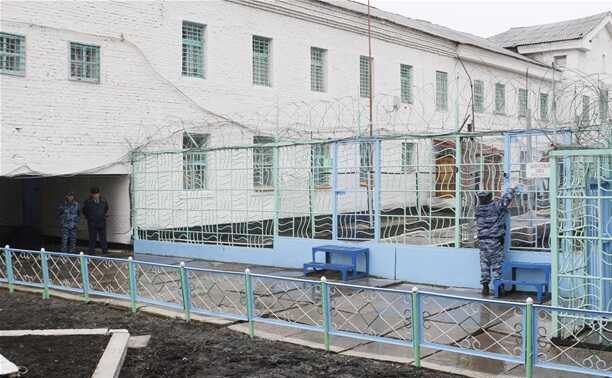
Tula Penal Colony No. 1
Donskoy, Tula Oblast
Russia
Penal Colony
Active
Tula Penal Colony No. 1 in Donskoy is a notorious facility where Ukrainian prisoners of war and civilians experience systematic torture, abuse, and dehumanizing conditions. It is situated 240 km from Moscow and over 600 km from the Ukrainian border. It has held Ukrainians since at least May 2022, with reports of beatings, starvation, and psychological torment leading to severe health issues and deaths. Designed for 1,500 people, the two-story brick building houses around 250 people, including about 50 civilians, in overcrowded cells. Former inmates describe it as worse than previous detention sites.
“Before being transferred to Tula, I was in a pre-trial detention center in Oskol (Stary Oskol, Belgorod Oblast ). I thought that place was the worst that could exist. Then I was moved to Donsk, and I realized it was even worse. Sometimes we thought we wouldn’t survive. Whether a soldier or a civilian, everyone was treated the same way. Worse than animals. Worse than Hitler.” said one POW.
Ukrainians are usually transferred to Donskoy from other Russian facilities, such as the Kursk Pre-Trial Detention Center No. 1 or the Staryi Oskil Pre-Trial Detention Center No. 2, under the pretense of an exchange. During an arrival, the “admission” process involves brutal beatings.
Witnesses describe being lined up and struck with sticks, batons, and electric shockers: “The intake was brutal—they were beaten mercilessly. People were hit with sticks, batons, and stun guns. They were lined up and struck one by one, with no one spared. Even when being taken to change clothes, they were still beaten. Afterward, many could barely walk due to the severe blows to their legs. The wounds were so deep that they began to rot,” said Vasyl, a military POW.
Compared to Kursk, Vitaliy noted milder initial beatings, but escalating terror after two weeks, especially for marines and military personnel.
Violence is standard, including daily cell searches where prisoners are dragged into corridors and beaten with fists, feet, and sticks, often breaking ribs. Beatings avoid the head, possibly due to orders, but occur during walks, haircuts (biweekly), and interrogations by FSB (Federal Security Service) and Investigative Committee officials. UN reports confirm systematic torture, including electric shocks, suffocation, and carvings of “Z” symbols on cheeks.
One POW from western Ukraine had his collarbone broken and teeth knocked out, leading to a suicide attempt thwarted by further abuse. AP investigations reveal autopsies showing brutality as a cause of death in many cases.
Medical assistance is insufficient and often punitive. Complaints about injuries from beatings are ignored, with guards sometimes responding with more violence. For chronic conditions, medication is sporadically provided, and severe wounds (e.g., infections, bleeding) may receive bandages, but only depending on the shift. “Some help, some ignore,” Vitaliy recalled. No doctor is consistently available; paramedics offer little beyond basic checks.
Post-release, many suffer long-term issues: Vasyl developed kidney problems and tuberculosis, while Vitaliy gained three spinal hernias from beatings, exacerbating a prior concussion. 95% of released POWs endured torture, leading to hospitalizations— one man was admitted 36 times, UN data shows. Delays in care have caused deaths, as confirmed by autopsies revealing untreated injuries.
Meals are inadequate, consisting of small portions of porridge, potatoes, tea, and bread. Low-calorie intake causes rapid weight loss and dystrophy; Vitaliy lost over 35 kg (77 lbs) in 11 months. “Everyone loses weight quickly,” Vasyl said, noting constant hunger.
“Due to the small portions (even tea was served in amounts no greater than 100 grams) and the low nutritional value of the meals, the prisoners often experienced severe hunger, and without exception, everyone quickly lost weight. Many of us returned from there with dystrophy,” Vasyl explains.
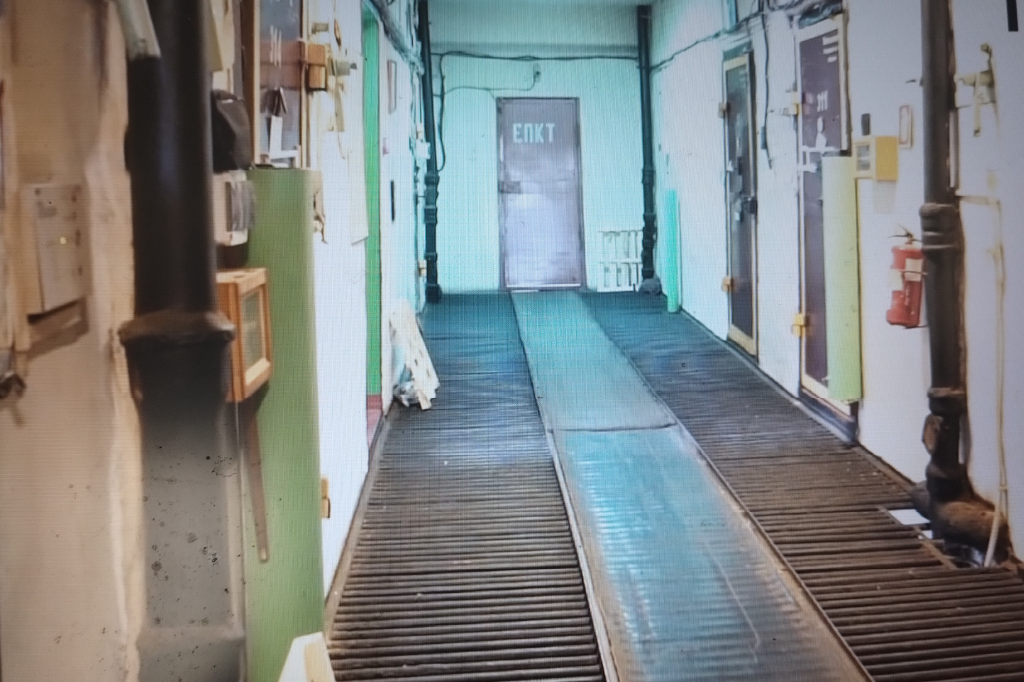
Sanitation is basic: cells have bunks, a table, benches, a toilet, a sink, and a hygiene cabinet. Showers are weekly, lasting 20 minutes, with less abuse than in other facilities. Overcrowding cells for 10-24 people worsens conditions. Starvation is used as torture. There are reports of prisoners dying from malnutrition.
A distinctive feature of the colony in Donsk, compared to the pre-trial detention centers in Kursk or Bryansk, is the impossibility of getting enough sleep, as prisoners are woken at night and forced to stand for two hours. There can be several such wake-ups during the night. ‘It’s good if they give you five hours of sleep,’ recalls former captive Vasyl.”
Prisoners don’t know their location, but some learn it through clues like mail to the ICRC. No ICRC visits were observed; instead, Russian TV crews filmed propaganda claiming Ukraine refuses exchanges. Mutual support and family thoughts prevent despair—Vasyl resisted suicide for his wife and daughter. UN reports highlight “loss of hope and will to live” from such pressure.
“I thought Staryi Oskol was the worst, but Donskoy was even worse. We thought we wouldn’t survive,” said Vasyl, a military POW held in three prisons.
“In Kursk, the special forces were waiting for us in the assembly hall, where everyone was beaten severely. After that, when we ran to the showers, they beat us there, too. There were screams, chaos—it was all in a tense, panic-filled atmosphere. In the Tula colony, they only lightly ‘smacked’ us. The first two weeks were relatively bearable, but then the terror began,” Vitaliy, a civilian captured in Kyiv Oblast.
Overview
Tula Penal Colony No. 1 in Donskoy is a notorious facility where Ukrainian prisoners of war and civilians experience systematic torture, abuse, and dehumanizing conditions. It is situated 240 km from Moscow and over 600 km from the Ukrainian border. It has held Ukrainians since at least May 2022, with reports of beatings, starvation, and psychological torment leading to severe health issues and deaths. Designed for 1,500 people, the two-story brick building houses around 250 people, including about 50 civilians, in overcrowded cells. Former inmates describe it as worse than previous detention sites.
“Before being transferred to Tula, I was in a pre-trial detention center in Oskol (Stary Oskol, Belgorod Oblast ). I thought that place was the worst that could exist. Then I was moved to Donsk, and I realized it was even worse. Sometimes we thought we wouldn’t survive. Whether a soldier or a civilian, everyone was treated the same way. Worse than animals. Worse than Hitler.” said one POW.
Torture & Abuse
Ukrainians are usually transferred to Donskoy from other Russian facilities, such as the Kursk Pre-Trial Detention Center No. 1 or the Staryi Oskil Pre-Trial Detention Center No. 2, under the pretense of an exchange. During an arrival, the “admission” process involves brutal beatings.
Witnesses describe being lined up and struck with sticks, batons, and electric shockers: “The intake was brutal—they were beaten mercilessly. People were hit with sticks, batons, and stun guns. They were lined up and struck one by one, with no one spared. Even when being taken to change clothes, they were still beaten. Afterward, many could barely walk due to the severe blows to their legs. The wounds were so deep that they began to rot,” said Vasyl, a military POW.
Compared to Kursk, Vitaliy noted milder initial beatings, but escalating terror after two weeks, especially for marines and military personnel.
Violence is standard, including daily cell searches where prisoners are dragged into corridors and beaten with fists, feet, and sticks, often breaking ribs. Beatings avoid the head, possibly due to orders, but occur during walks, haircuts (biweekly), and interrogations by FSB (Federal Security Service) and Investigative Committee officials. UN reports confirm systematic torture, including electric shocks, suffocation, and carvings of “Z” symbols on cheeks.
One POW from western Ukraine had his collarbone broken and teeth knocked out, leading to a suicide attempt thwarted by further abuse. AP investigations reveal autopsies showing brutality as a cause of death in many cases.
Medical Care
Medical assistance is insufficient and often punitive. Complaints about injuries from beatings are ignored, with guards sometimes responding with more violence. For chronic conditions, medication is sporadically provided, and severe wounds (e.g., infections, bleeding) may receive bandages, but only depending on the shift. “Some help, some ignore,” Vitaliy recalled. No doctor is consistently available; paramedics offer little beyond basic checks.
Post-release, many suffer long-term issues: Vasyl developed kidney problems and tuberculosis, while Vitaliy gained three spinal hernias from beatings, exacerbating a prior concussion. 95% of released POWs endured torture, leading to hospitalizations— one man was admitted 36 times, UN data shows. Delays in care have caused deaths, as confirmed by autopsies revealing untreated injuries.
Food & Sanitation
Meals are inadequate, consisting of small portions of porridge, potatoes, tea, and bread. Low-calorie intake causes rapid weight loss and dystrophy; Vitaliy lost over 35 kg (77 lbs) in 11 months. “Everyone loses weight quickly,” Vasyl said, noting constant hunger.
“Due to the small portions (even tea was served in amounts no greater than 100 grams) and the low nutritional value of the meals, the prisoners often experienced severe hunger, and without exception, everyone quickly lost weight. Many of us returned from there with dystrophy,” Vasyl explains.
Sanitation is basic: cells have bunks, a table, benches, a toilet, a sink, and a hygiene cabinet. Showers are weekly, lasting 20 minutes, with less abuse than in other facilities. Overcrowding cells for 10-24 people worsens conditions. Starvation is used as torture. There are reports of prisoners dying from malnutrition.
Psychological Pressure
A distinctive feature of the colony in Donsk, compared to the pre-trial detention centers in Kursk or Bryansk, is the impossibility of getting enough sleep, as prisoners are woken at night and forced to stand for two hours. There can be several such wake-ups during the night. ‘It’s good if they give you five hours of sleep,’ recalls former captive Vasyl.”
Prisoners don’t know their location, but some learn it through clues like mail to the ICRC. No ICRC visits were observed; instead, Russian TV crews filmed propaganda claiming Ukraine refuses exchanges. Mutual support and family thoughts prevent despair—Vasyl resisted suicide for his wife and daughter. UN reports highlight “loss of hope and will to live” from such pressure.
Testimonies & Reports
“I thought Staryi Oskol was the worst, but Donskoy was even worse. We thought we wouldn’t survive,” said Vasyl, a military POW held in three prisons.
“In Kursk, the special forces were waiting for us in the assembly hall, where everyone was beaten severely. After that, when we ran to the showers, they beat us there, too. There were screams, chaos—it was all in a tense, panic-filled atmosphere. In the Tula colony, they only lightly ‘smacked’ us. The first two weeks were relatively bearable, but then the terror began,” Vitaliy, a civilian captured in Kyiv Oblast.
News
see more

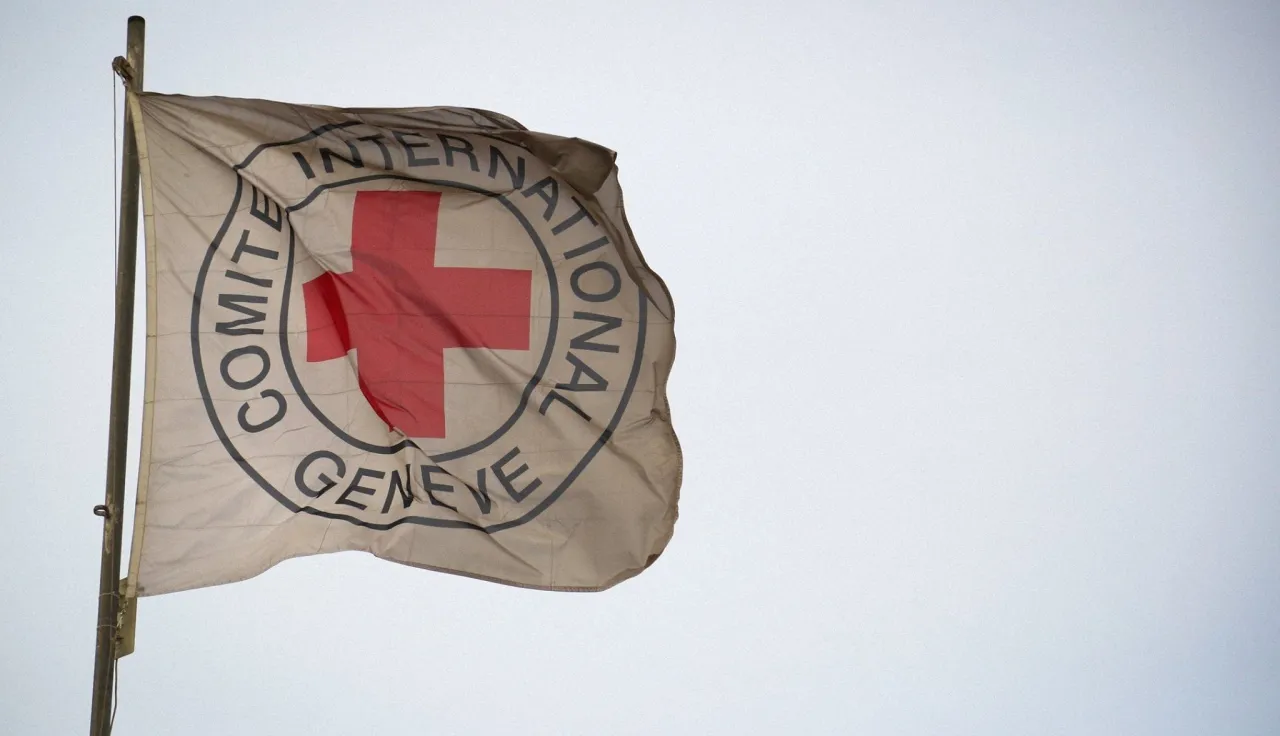
ICRC confirms it has had no access to Ukrainian POWs for two years
Russia has denied the International Committee of the Red Cross (ICRC) access to Ukrainian prisoners of war held in Russian detention since 2024. “We can confirm the lack of access to POWs in Russia since 2024,” an ICRC spokesperson told Reuters on September 18.
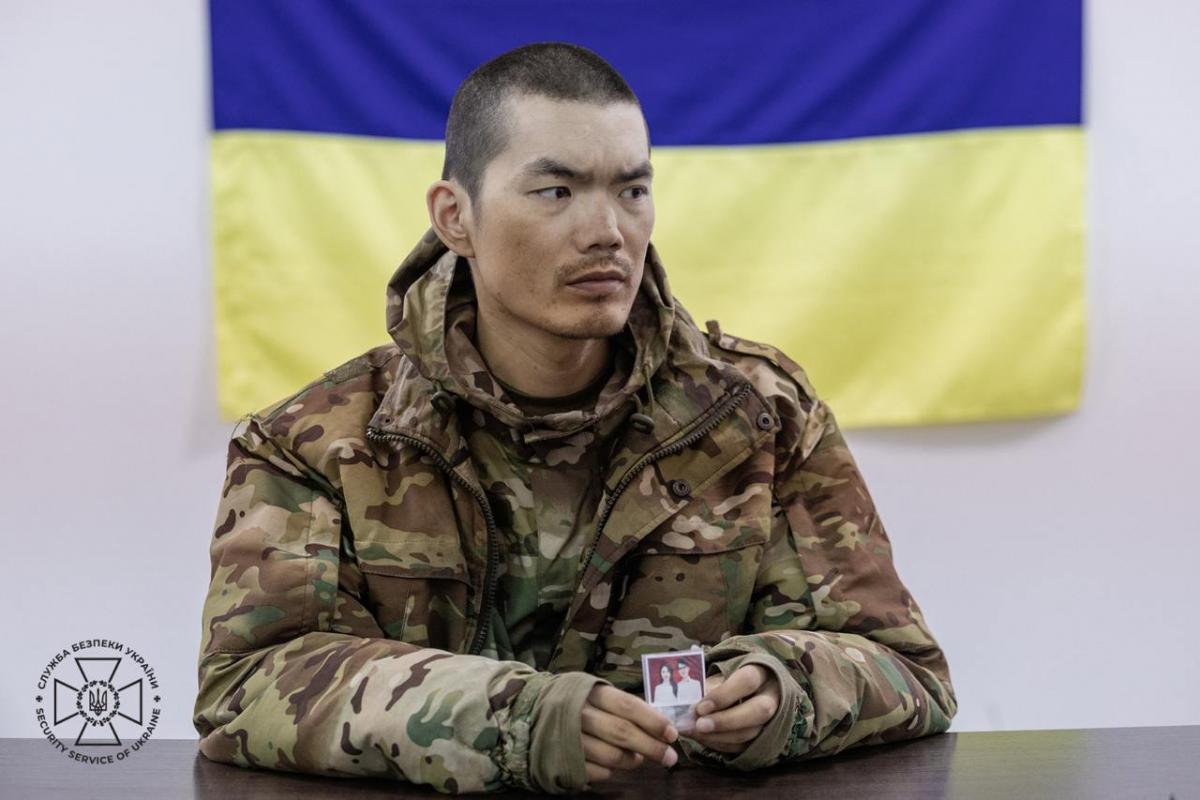
Citizens of 51 Countries Held as Prisoners of War in Ukraine
Ukraine’s Coordination Headquarters for the Treatment of Prisoners of War and the Ministry of Foreign Affairs of Ukraine have announced the launch of StopRussianRecruiters.org, an information platform documenting and exposing Russia’s deceptive recruitment of foreign nationals into its armed forces. The project also provides information about foreign prisoners of war held in Ukraine and calls on the governments of their respective countries to take diplomatic action to secure their return.
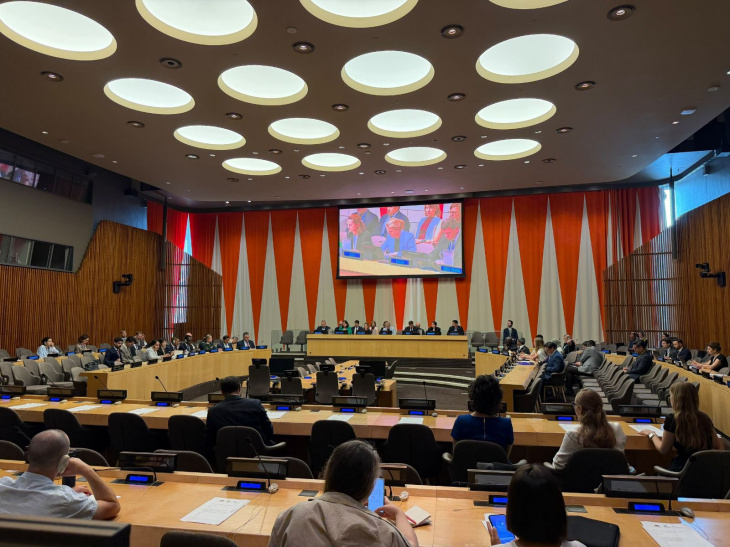
The UN Security Council holds an Arria-formula meeting on Ukrainian POWs
On August 10, the UN Security Council held an Arria-formula meeting at UN Headquarters in New York, dedicated to Russia's systematic violations of international humanitarian law against Ukrainian prisoners of war, civilian detainees, and foreign nationals. The event was convened by Latvia and the United Kingdom at Ukraine's initiative.
questions & answers
You can make a difference
Have a question, a message, or something important to share?
Whether it’s information, a concern, or a word of support, we want to hear from you.
Every voice matters.