
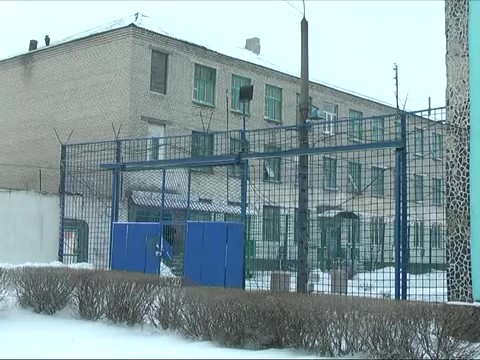
Sverdlovsk Penal Colony No. 38
Luhansk Oblast, Valianivske (Leninske)
Temporarily occupied territories
Penal colony
Active
Sverdlovsk Colony No. 38 is located in the currently occupied village of Valyanivske (Leninske), which is located in the city of Dovzhansk (Sverdlovsk) in the Luhansk region. There are 12 barracks on the territory of the detention facility, three of which were used to hold prisoners of war. These premises were equipped with a cloakroom and a recreation area with a TV. According to the testimonies of those released, physical violence was rarely used in the colony.
A former POW told the Media Initiative for Human Rights that prison staff greeted them with batons in their hands, but there was almost no beating. According to him, the norms of the Geneva Convention relative to the treatment of POWs would have been observed in this colony if they had been allowed to communicate with their families.
Medical care was better than in other detention facilities. A captured Ukrainian medic was allowed to set up his own office and keep medical records of the POWs. He had access to medicines and some medical supplies.
At the same time, there are reports that two prisoners died of pneumonia and stroke at the detention facility. There was also a paralyzed prisoner and another suffering from hypertension. They were taken to Luhansk for examination but were later returned to the colony.
The food in the Sverdlovsk colony was acceptable. Prisoners of war were allowed to shower once a week. They were dressed in black prison uniforms.
As for physical activity, the guards regarded any attempts to engage in physical exercise as suspicious. Exercising was prohibited.
Prisoners were voluntarily involved in work making coffins for Russian dead soldiers. According to testimony, they had to make 100 coffins per week.
Prisoners were forbidden to speak Ukrainian. They could be beaten for communicating in their native language. During roll calls, POWs were forced to listen to the anthem of the so-called Luhansk People’s Republic and later the Russian anthem.
“In captivity, you have to speak only Russian. If you speak Ukrainian, you will immediately get a stick across your back: ‘Only speak Russian, speak Russian,’” Anatolii recalled this in an article for “Slidstvo.Info” after his release from captivity.
Overview
Sverdlovsk Colony No. 38 is located in the currently occupied village of Valyanivske (Leninske), which is located in the city of Dovzhansk (Sverdlovsk) in the Luhansk region. There are 12 barracks on the territory of the detention facility, three of which were used to hold prisoners of war. These premises were equipped with a cloakroom and a recreation area with a TV. According to the testimonies of those released, physical violence was rarely used in the colony.
Torture & Abuse
A former POW told the Media Initiative for Human Rights that prison staff greeted them with batons in their hands, but there was almost no beating. According to him, the norms of the Geneva Convention relative to the treatment of POWs would have been observed in this colony if they had been allowed to communicate with their families.
Medical Care
Medical care was better than in other detention facilities. A captured Ukrainian medic was allowed to set up his own office and keep medical records of the POWs. He had access to medicines and some medical supplies.
At the same time, there are reports that two prisoners died of pneumonia and stroke at the detention facility. There was also a paralyzed prisoner and another suffering from hypertension. They were taken to Luhansk for examination but were later returned to the colony.
Food & Sanitation
The food in the Sverdlovsk colony was acceptable. Prisoners of war were allowed to shower once a week. They were dressed in black prison uniforms.
As for physical activity, the guards regarded any attempts to engage in physical exercise as suspicious. Exercising was prohibited.
Prisoners were voluntarily involved in work making coffins for Russian dead soldiers. According to testimony, they had to make 100 coffins per week.
Psychological Pressure
Prisoners were forbidden to speak Ukrainian. They could be beaten for communicating in their native language. During roll calls, POWs were forced to listen to the anthem of the so-called Luhansk People’s Republic and later the Russian anthem.
Testimonies
“In captivity, you have to speak only Russian. If you speak Ukrainian, you will immediately get a stick across your back: ‘Only speak Russian, speak Russian,’” Anatolii recalled this in an article for “Slidstvo.Info” after his release from captivity.
News
see more
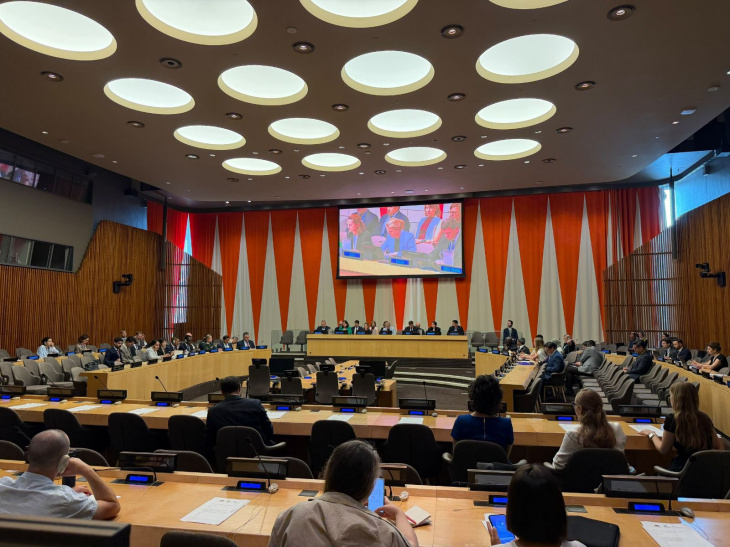
The UN Security Council holds an Arria-formula meeting on Ukrainian POWs
On August 10, the UN Security Council held an Arria-formula meeting at UN Headquarters in New York, dedicated to Russia's systematic violations of international humanitarian law against Ukrainian prisoners of war, civilian detainees, and foreign nationals. The event was convened by Latvia and the United Kingdom at Ukraine's initiative.
Russia forms military unit from Ukrainian POWs in violation of the Geneva Convention
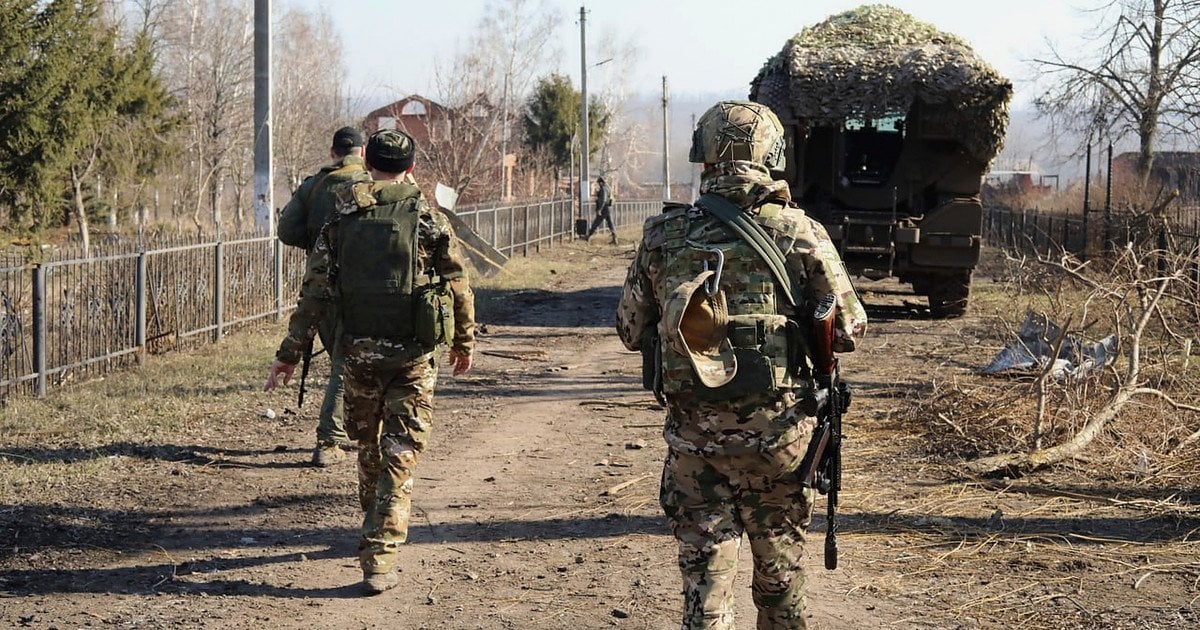
Russia has formed a new military unit made up of Ukrainian prisoners of war and former servicemen of the Armed Forces of Ukraine. The creation of the so-called "First Ukrainian Volunteer Special Purpose Brigade" became known on August 6. The unit was incorporated into the "Volunteer Corps" of Russia's Ministry of Defense.
Fourth anniversary of the Olenivka attack: memorial installation unveiled in Kyiv
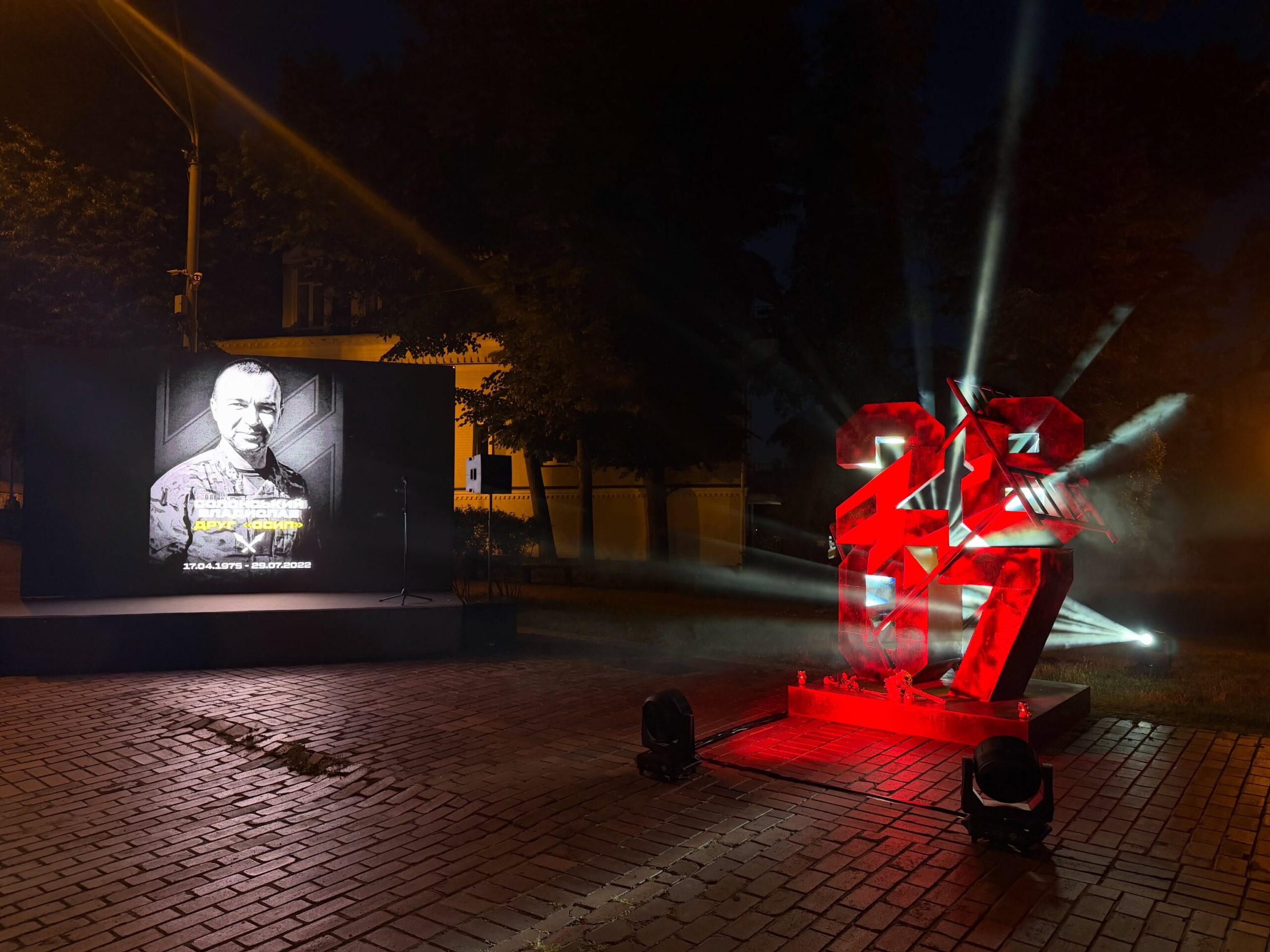
A permanent memorial installation commemorating the victims of the Russian terrorist attack in Olenivka has been unveiled at Mykhailivska Square in Kyiv, the Association of Azovstal Defenders’ Families announced.
questions & answers
You can make a difference
Have a question, a message, or something important to share?
Whether it’s information, a concern, or a word of support, we want to hear from you.
Every voice matters.