
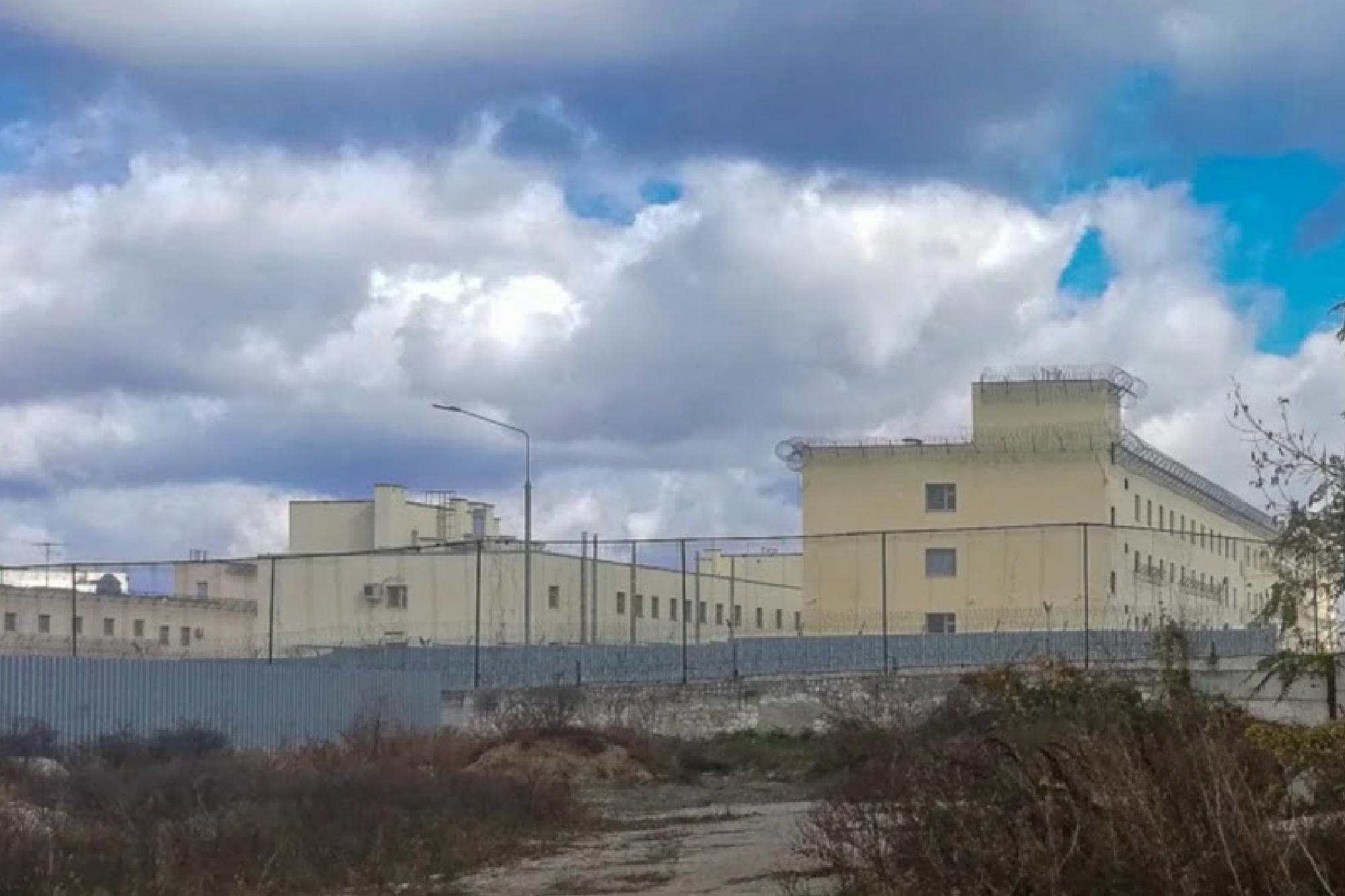
Simferopol Pre-Trial Detention Centre No. 1
Simferopol, Crimea
Temporarily occupied territories
Pre-Trial Detention Centre
Active
Pre-trial Detention Center No. 1 in Simferopol, located in temporarily occupied Crimea, primarily serves as a holding facility for illegally detained Ukrainian civilians from temporarily occupied territories. The facility is under the control of the Russian Federal Security Service. Following the start of Russia’s full-scale invasion of Ukraine in 2022, it was expanded, with an additional 458 places equipped for detainees.
The Media Initiative for Human Rights reports that the detained Ukrainian civilians include local government representatives, volunteers, and activists. The occupation authorities previously held Ukrainian filmmaker Oleh Sentsov, as well as activists Volodymyr Balukh and Oleksandr Kolchenko, in this detention center.
Life in the detention center is governed by a strict schedule. Wake-up is at 6:00 AM, and retire until 10:00 PM. Every day, facility staff conduct cell inspections with dogs. During these searches, detainees must press themselves against the wall with their hands raised, then exit the cell in a bent-over position while the inspection is carried out.
Former detainees report that those held in captivity at Simferopol Pre-trial Detention Center No. 1 were beaten during “priyomka”—the intake process where Russian forces inspect, search, and interrogate Ukrainian prisoners of war and civilian hostages upon arrival. There are also documented accounts of psychological pressure and threats of sexual violence.
Former Ukrainian detainees report a systemic lack of medical care at Simferopol Pre-trial Detention Center No. 1. While medical examinations are technically conducted, actual treatment is extremely rare.
“Serhiy Kotov pleaded daily for a doctor. He suffers from pancreatic issues, his limbs were swollen, and his injured leg caused him constant pain. During the five days I was there, no doctor ever saw him,” former civilian captive Volodymyr Balukh told the MIHR.
Volodymyr also recalled that during his own examination, medical staff advised him not to skip meals because they lacked medication, telling him he had to look after himself since “no one else would save him.”
Conditions at Pre-trial Detention Center No. 1 were brutal. Detainees were barred from exercise walks and allowed to shower only once a week. Instead of a toilet, the cell contained only a bottle.
Volodymyr, a former hostage, recalled that his cell was windowless, perpetually damp, and freezing. The only furniture was a single bed, two chairs, and a table, all under the constant gaze of a surveillance camera. The lights stayed on 24/7, accompanied by the unending drone of a loud exhaust fan.
“We tried to wash in the sink every day,” Volodymyr said. “We used it to wash our socks and underwear, though water wasn’t always available. The guys were overjoyed when I managed to bring toothpaste and toilet paper from a solitary cell. These items are issued only once for the entire duration of detention—to prisoners, they are worth their weight in gold.”
The food was of poor quality.
“Morning, noon, and night, they brought terrible food. They served soggy barley that felt like glue, colored water instead of tea, and cabbage soup with chicken feathers floating in it. There were no fruits or vegetables. The bread was a greyish-black, though it was fresh,” the released from captivity recalled.
Beyond verbal abuse, psychological pressure was compounded by deplorable conditions: the denial of outdoor exercise, 24/7 cell lighting, the incessant roar of an exhaust fan, and intrusive daily inspections.
While detainees were given books, much of the literature was propaganda dedicated to the glorification of Russian President Vladimir Putin.
“They transported us not like human beings, but like scum. We were brought into the detention center in the ‘dolphin position’—bent over, as if we were common criminals, with our hands tied behind our backs and raised high, faces toward the floor. The ‘reception’ went like this: they stripped me completely naked; I stood there bare with a sack over my head. They took my lighter, removed my bracelet, ring, and socks, and pulled the laces out of my sneakers.Then they ordered me to dress quickly, but I struggled to put things on correctly since I still had the sack on my head: my underwear was crooked, my pants were backwards, and my T-shirt was inside out. All the while, they were beating me on my back, ribs, and legs. Then they led me to the administration office, where I was forced to give an account of myself while they punched me in the stomach,” recalls Volodymyr.
Overview
Pre-trial Detention Center No. 1 in Simferopol, located in temporarily occupied Crimea, primarily serves as a holding facility for illegally detained Ukrainian civilians from temporarily occupied territories. The facility is under the control of the Russian Federal Security Service. Following the start of Russia’s full-scale invasion of Ukraine in 2022, it was expanded, with an additional 458 places equipped for detainees.
The Media Initiative for Human Rights reports that the detained Ukrainian civilians include local government representatives, volunteers, and activists. The occupation authorities previously held Ukrainian filmmaker Oleh Sentsov, as well as activists Volodymyr Balukh and Oleksandr Kolchenko, in this detention center.
Life in the detention center is governed by a strict schedule. Wake-up is at 6:00 AM, and retire until 10:00 PM. Every day, facility staff conduct cell inspections with dogs. During these searches, detainees must press themselves against the wall with their hands raised, then exit the cell in a bent-over position while the inspection is carried out.
Torture & Abuse
Former detainees report that those held in captivity at Simferopol Pre-trial Detention Center No. 1 were beaten during “priyomka”—the intake process where Russian forces inspect, search, and interrogate Ukrainian prisoners of war and civilian hostages upon arrival. There are also documented accounts of psychological pressure and threats of sexual violence.
Medical Care
Former Ukrainian detainees report a systemic lack of medical care at Simferopol Pre-trial Detention Center No. 1. While medical examinations are technically conducted, actual treatment is extremely rare.
“Serhiy Kotov pleaded daily for a doctor. He suffers from pancreatic issues, his limbs were swollen, and his injured leg caused him constant pain. During the five days I was there, no doctor ever saw him,” former civilian captive Volodymyr Balukh told the MIHR.
Volodymyr also recalled that during his own examination, medical staff advised him not to skip meals because they lacked medication, telling him he had to look after himself since “no one else would save him.”
Food & Sanitation
Conditions at Pre-trial Detention Center No. 1 were brutal. Detainees were barred from exercise walks and allowed to shower only once a week. Instead of a toilet, the cell contained only a bottle.
Volodymyr, a former hostage, recalled that his cell was windowless, perpetually damp, and freezing. The only furniture was a single bed, two chairs, and a table, all under the constant gaze of a surveillance camera. The lights stayed on 24/7, accompanied by the unending drone of a loud exhaust fan.
“We tried to wash in the sink every day,” Volodymyr said. “We used it to wash our socks and underwear, though water wasn’t always available. The guys were overjoyed when I managed to bring toothpaste and toilet paper from a solitary cell. These items are issued only once for the entire duration of detention—to prisoners, they are worth their weight in gold.”
The food was of poor quality.
“Morning, noon, and night, they brought terrible food. They served soggy barley that felt like glue, colored water instead of tea, and cabbage soup with chicken feathers floating in it. There were no fruits or vegetables. The bread was a greyish-black, though it was fresh,” the released from captivity recalled.
Psychological Pressure
Beyond verbal abuse, psychological pressure was compounded by deplorable conditions: the denial of outdoor exercise, 24/7 cell lighting, the incessant roar of an exhaust fan, and intrusive daily inspections.
While detainees were given books, much of the literature was propaganda dedicated to the glorification of Russian President Vladimir Putin.
Testimonies & Reports
“They transported us not like human beings, but like scum. We were brought into the detention center in the ‘dolphin position’—bent over, as if we were common criminals, with our hands tied behind our backs and raised high, faces toward the floor. The ‘reception’ went like this: they stripped me completely naked; I stood there bare with a sack over my head. They took my lighter, removed my bracelet, ring, and socks, and pulled the laces out of my sneakers.Then they ordered me to dress quickly, but I struggled to put things on correctly since I still had the sack on my head: my underwear was crooked, my pants were backwards, and my T-shirt was inside out. All the while, they were beating me on my back, ribs, and legs. Then they led me to the administration office, where I was forced to give an account of myself while they punched me in the stomach,” recalls Volodymyr.
News
see more

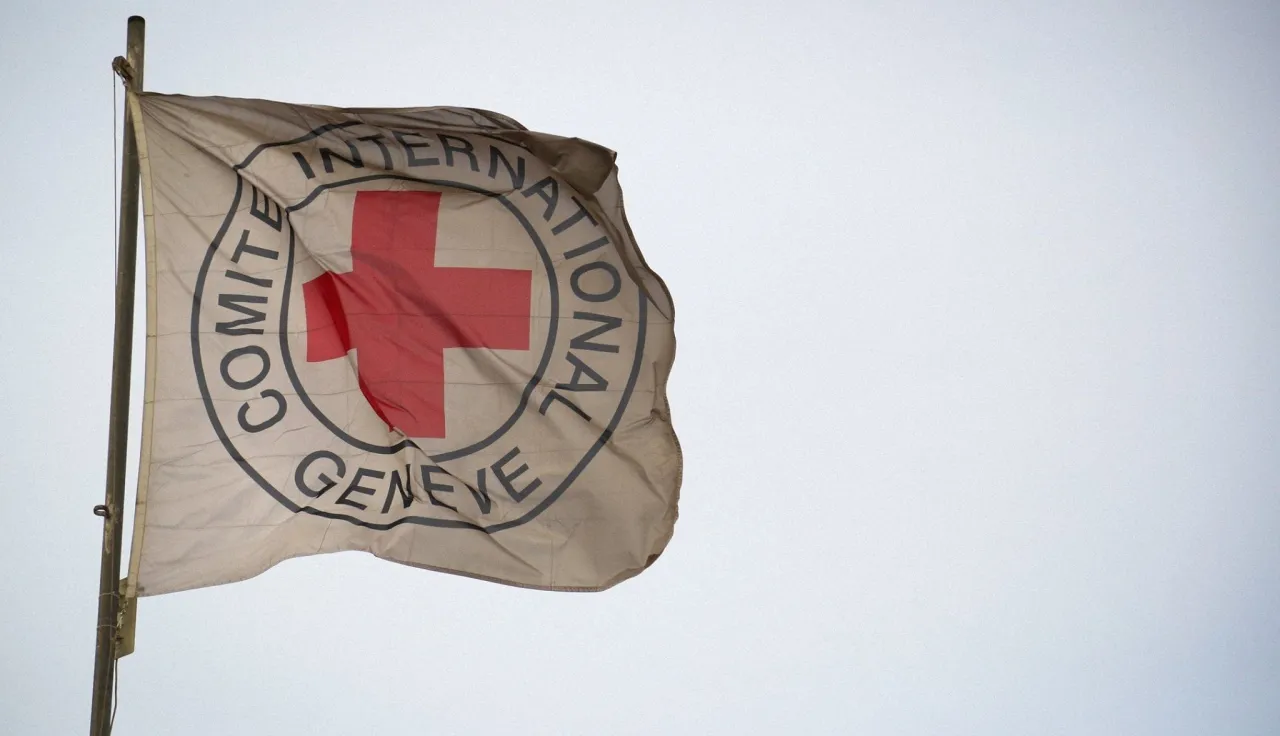
ICRC confirms it has had no access to Ukrainian POWs for two years
Russia has denied the International Committee of the Red Cross (ICRC) access to Ukrainian prisoners of war held in Russian detention since 2024. “We can confirm the lack of access to POWs in Russia since 2024,” an ICRC spokesperson told Reuters on September 18.
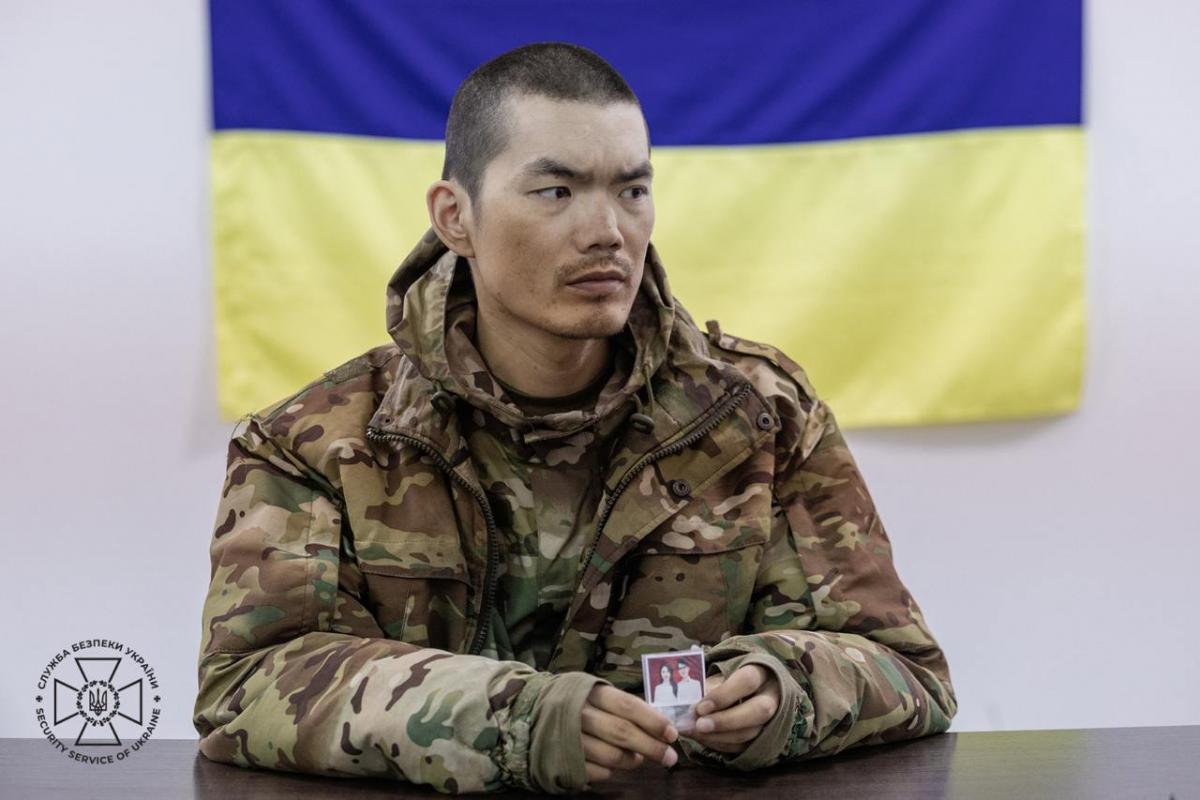
Citizens of 51 Countries Held as Prisoners of War in Ukraine
Ukraine’s Coordination Headquarters for the Treatment of Prisoners of War and the Ministry of Foreign Affairs of Ukraine have announced the launch of StopRussianRecruiters.org, an information platform documenting and exposing Russia’s deceptive recruitment of foreign nationals into its armed forces. The project also provides information about foreign prisoners of war held in Ukraine and calls on the governments of their respective countries to take diplomatic action to secure their return.
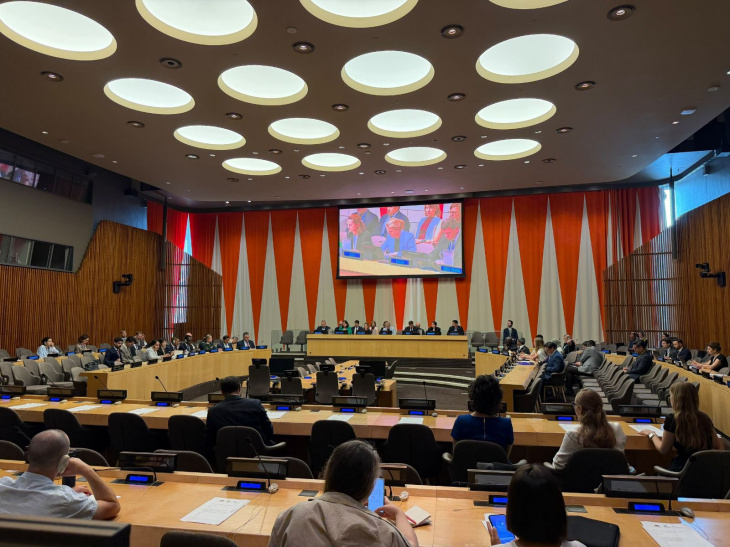
The UN Security Council holds an Arria-formula meeting on Ukrainian POWs
On August 10, the UN Security Council held an Arria-formula meeting at UN Headquarters in New York, dedicated to Russia's systematic violations of international humanitarian law against Ukrainian prisoners of war, civilian detainees, and foreign nationals. The event was convened by Latvia and the United Kingdom at Ukraine's initiative.
questions & answers
You can make a difference
Have a question, a message, or something important to share?
Whether it’s information, a concern, or a word of support, we want to hear from you.
Every voice matters.