
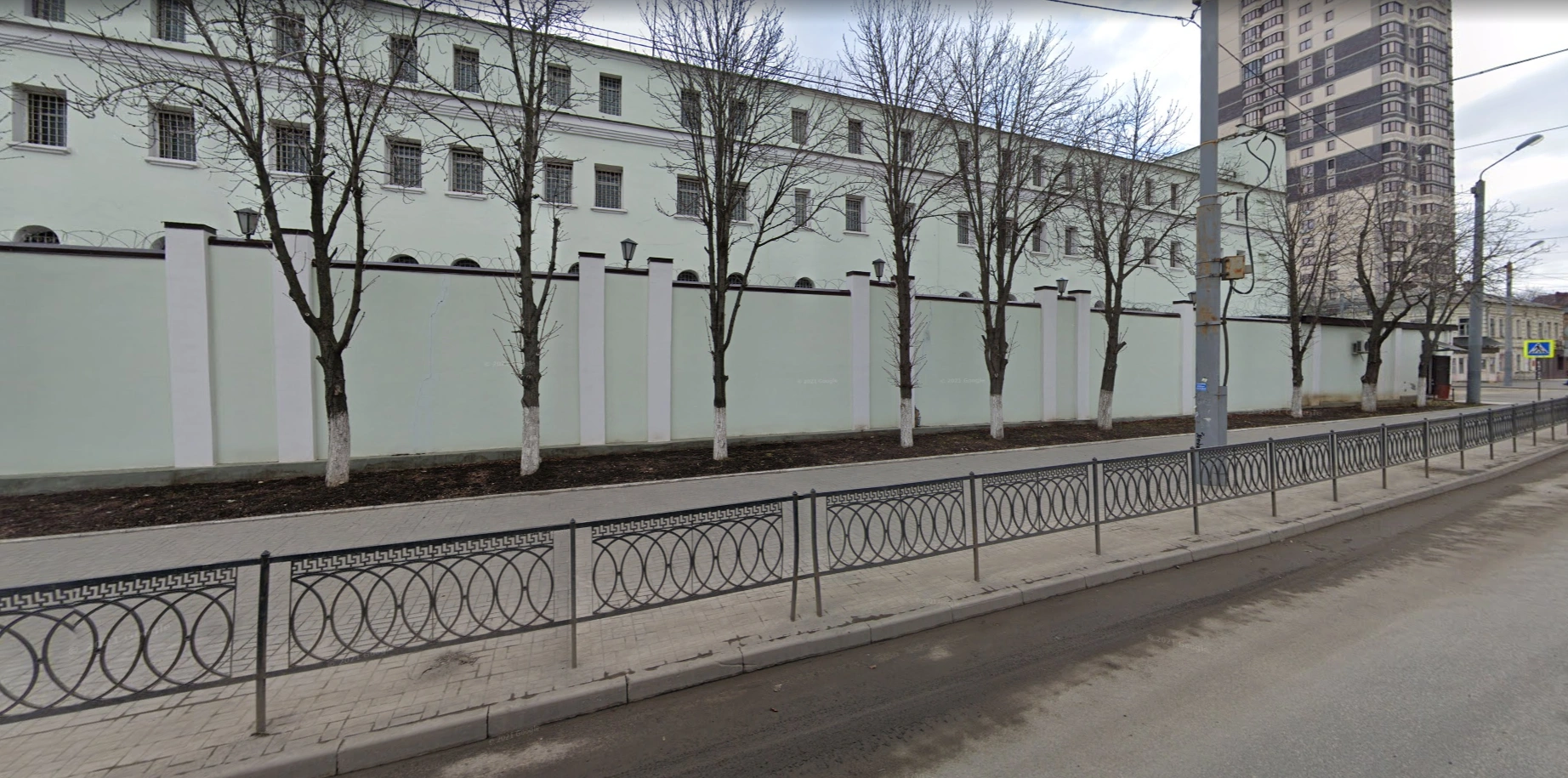
Rostov-on-Don Pre-Trial Detention Centre No. 1
Rostov-on-Don
Russia
Pre-Trial Detention Centre
Active
SIZO No. 1 in Rostov-on-Don is a pre-trial detention centre where, alongside Russian suspects, prisoners of war and unlawfully detained Ukrainian civilians are held.
Initially, human rights defenders were told that POWs were being “treated well.” However, from mid-January 2025, the situation changed. Prisoners began to be beaten during inspections and interrogations, subjected to electric shocks, and placed under psychological pressure. The captives also tell the judges during court hearings that they are being mistreated, but these statements are ignored.
Every morning at Rostov-on-Don SIZO No. 1, inspections are conducted in the cells where Ukrainian prisoners of war are being held. During these checks, POWs have to exit their cells quickly, bent over and with their eyes closed. Looking at facility staff is prohibited. Prisoners face the wall with their legs spread wide and heads lowered, at which point they are beaten across the entire body with rubber batons, kicked, and punched. Electric stun guns are also used.
POWs from the Azov, Aidar, and Donbas units face particularly brutal treatment. In addition to the general beatings, some are taken out of their cells and beaten separately – primarily POWs from the units mentioned above.
Under torture, POWs are forced to give fabricated testimony against themselves. Human rights defender Olga Romanova recounted:
“Two Azov fighters were brought into a cell at Rostov SIZO No. 1. They were tortured and exhausted. Their backs were lacerated by whips, and their bodies bore marks from electric shock devices. They have now been remanded in custody and an investigation is underway. Under torture, they gave testimony confessing to the killing of civilians.”
A separate method of torture is the so-called “live corridor”: security officers line up in two rows, and prisoners are forced to run between them with their heads down and hands raised, receiving blows from both sides. Anyone who stumbles and falls receives even more beatings while on the ground.
Proper medical care is absent at Rostov SIZO No. 1. When Ukrainian POWs approach the facility’s medical unit, they are met with additional beatings with batons and clubs. Prisoners whom Russia accuses of war crimes are subjected to constant pressure which is causing serious harm to their health:
“We cannot prepare. All my materials, all my belongings, all my court-related documents have been taken from me. We are sleep-deprived, constantly under some form of stress. People are already clutching their chests, and doctors are not allowed near us. How is this even possible? This is, damn it, some kind of medieval barbarism. Your ‘denazification’ is going in entirely the wrong direction,” – stated a POW during a court hearing.
The store on the facility’s grounds, where basic necessities could be purchased, is not operational. Prisoners have had their personal belongings, books, and letters confiscated. Parcels that do reach POWs arrive in a damaged state – cigarettes are removed or simply destroyed. Food items also arrive in extremely poor condition: cheese, sausage, vegetables, and fruit are shredded.
The physical beatings are accompanied by psychological pressure and verbal abuse: POWs are called “fascists,” “f*ggots”. Every day, Ukrainians are forced to spend hours singing the Russian national anthem and Soviet-era songs. Facility staff monitor the volume of the singing. Shouting “Glory to Russia” on any occasion is mandatory. One prisoner described the daily routine as follows:
“At 6 a.m. – wake-up, get dressed, line up. Command: ‘Sing the anthem of the Russian Federation.’ We sing it – then we shout in unison and loudly: ‘Glory to Russia.’ Every time the door opens: ‘Glory to Russia.’ When the food slot opens – only ‘Glory to Russia.’ After receiving food, returning dishes, receiving a needle and thread, a basin for cleaning – ‘Thank you, glory to Russia.'”
“They took me downstairs and, under threat of death, said: ‘If you talk too much and complain, you will end up somewhere from which no one will ever take you, you will never be exchanged, and you will be raped with a rubber baton from behind.’ That is what was said, word for word. I signed a waiver refusing a lawyer. The next day I was beaten again during inspection. And every day begins with an inspection – they hit us on the back of the head, we bend over, and for about an hour we sing the anthem of the Russian Federation,” – recalled a prisoner of war during a court hearing.
“They go through anywhere from several to dozens of interrogations conducted by various Russian Federation agencies – from the military police to the Investigative Committee of the Russian Federation and the FSB. During these so-called ‘interrogations,’ they are tortured very severely, with efforts made to ensure that every serviceman takes responsibility for some offense. The most common line of questioning concerns the killing of civilians – particularly in Mariupol,” – told a human rights defender monitoring the situation at SIZO No. 1 in Rostov-on-Don.
Overview
SIZO No. 1 in Rostov-on-Don is a pre-trial detention centre where, alongside Russian suspects, prisoners of war and unlawfully detained Ukrainian civilians are held.
Initially, human rights defenders were told that POWs were being “treated well.” However, from mid-January 2025, the situation changed. Prisoners began to be beaten during inspections and interrogations, subjected to electric shocks, and placed under psychological pressure. The captives also tell the judges during court hearings that they are being mistreated, but these statements are ignored.
Torture & Abuse
Every morning at Rostov-on-Don SIZO No. 1, inspections are conducted in the cells where Ukrainian prisoners of war are being held. During these checks, POWs have to exit their cells quickly, bent over and with their eyes closed. Looking at facility staff is prohibited. Prisoners face the wall with their legs spread wide and heads lowered, at which point they are beaten across the entire body with rubber batons, kicked, and punched. Electric stun guns are also used.
POWs from the Azov, Aidar, and Donbas units face particularly brutal treatment. In addition to the general beatings, some are taken out of their cells and beaten separately – primarily POWs from the units mentioned above.
Under torture, POWs are forced to give fabricated testimony against themselves. Human rights defender Olga Romanova recounted:
“Two Azov fighters were brought into a cell at Rostov SIZO No. 1. They were tortured and exhausted. Their backs were lacerated by whips, and their bodies bore marks from electric shock devices. They have now been remanded in custody and an investigation is underway. Under torture, they gave testimony confessing to the killing of civilians.”
A separate method of torture is the so-called “live corridor”: security officers line up in two rows, and prisoners are forced to run between them with their heads down and hands raised, receiving blows from both sides. Anyone who stumbles and falls receives even more beatings while on the ground.
Medical Care
Proper medical care is absent at Rostov SIZO No. 1. When Ukrainian POWs approach the facility’s medical unit, they are met with additional beatings with batons and clubs. Prisoners whom Russia accuses of war crimes are subjected to constant pressure which is causing serious harm to their health:
“We cannot prepare. All my materials, all my belongings, all my court-related documents have been taken from me. We are sleep-deprived, constantly under some form of stress. People are already clutching their chests, and doctors are not allowed near us. How is this even possible? This is, damn it, some kind of medieval barbarism. Your ‘denazification’ is going in entirely the wrong direction,” – stated a POW during a court hearing.
Food & Conditions of Detention
The store on the facility’s grounds, where basic necessities could be purchased, is not operational. Prisoners have had their personal belongings, books, and letters confiscated. Parcels that do reach POWs arrive in a damaged state – cigarettes are removed or simply destroyed. Food items also arrive in extremely poor condition: cheese, sausage, vegetables, and fruit are shredded.
Psychological Pressure
The physical beatings are accompanied by psychological pressure and verbal abuse: POWs are called “fascists,” “f*ggots”. Every day, Ukrainians are forced to spend hours singing the Russian national anthem and Soviet-era songs. Facility staff monitor the volume of the singing. Shouting “Glory to Russia” on any occasion is mandatory. One prisoner described the daily routine as follows:
“At 6 a.m. – wake-up, get dressed, line up. Command: ‘Sing the anthem of the Russian Federation.’ We sing it – then we shout in unison and loudly: ‘Glory to Russia.’ Every time the door opens: ‘Glory to Russia.’ When the food slot opens – only ‘Glory to Russia.’ After receiving food, returning dishes, receiving a needle and thread, a basin for cleaning – ‘Thank you, glory to Russia.'”
Testimonies & Reports
“They took me downstairs and, under threat of death, said: ‘If you talk too much and complain, you will end up somewhere from which no one will ever take you, you will never be exchanged, and you will be raped with a rubber baton from behind.’ That is what was said, word for word. I signed a waiver refusing a lawyer. The next day I was beaten again during inspection. And every day begins with an inspection – they hit us on the back of the head, we bend over, and for about an hour we sing the anthem of the Russian Federation,” – recalled a prisoner of war during a court hearing.
“They go through anywhere from several to dozens of interrogations conducted by various Russian Federation agencies – from the military police to the Investigative Committee of the Russian Federation and the FSB. During these so-called ‘interrogations,’ they are tortured very severely, with efforts made to ensure that every serviceman takes responsibility for some offense. The most common line of questioning concerns the killing of civilians – particularly in Mariupol,” – told a human rights defender monitoring the situation at SIZO No. 1 in Rostov-on-Don.
News
see more
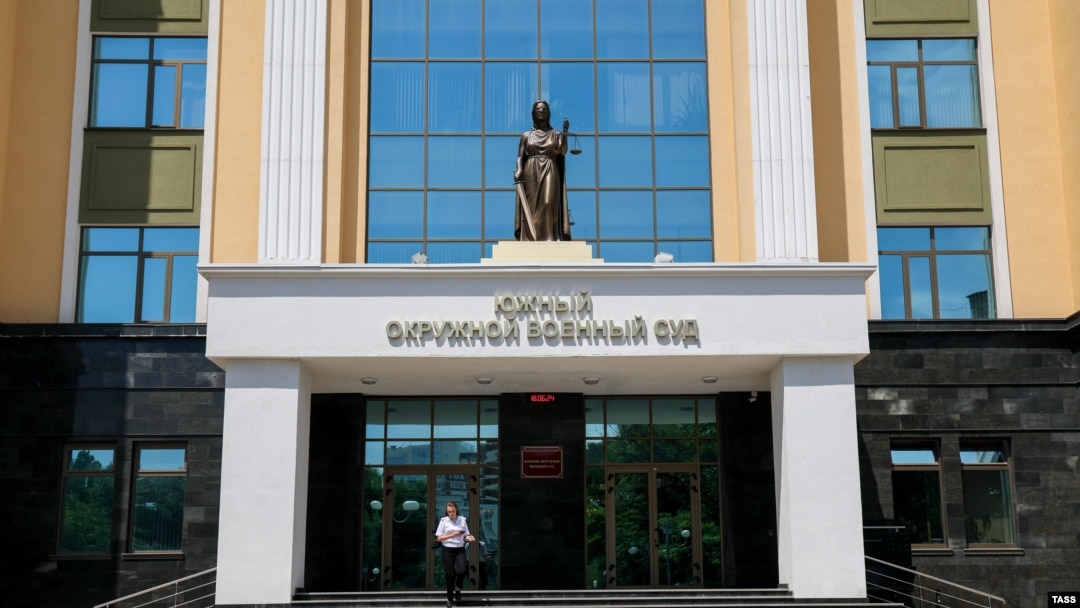
Rostov Court sentences three more «Azov» prisoners of war
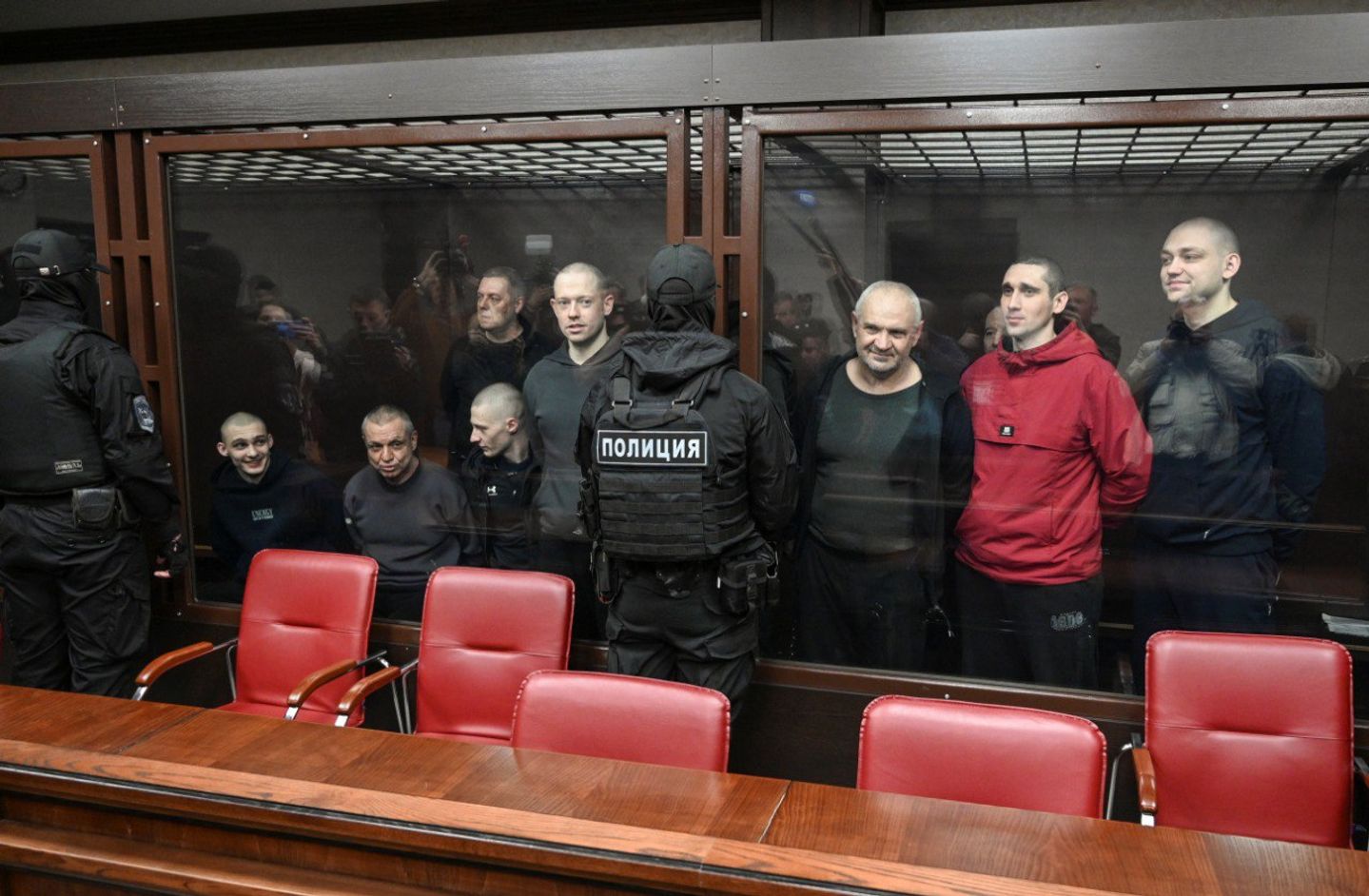
The Southern District Military Court in Rostov-on-Don, Russia, has handed down verdicts against three prisoners of war from the «Azov» Brigade who defended the Azovstal steel plant in Mariupol. This was reported by Mediazona. All three prisoners of war face charges related to their service in «Azov», which Russia has designated a terrorist organization.
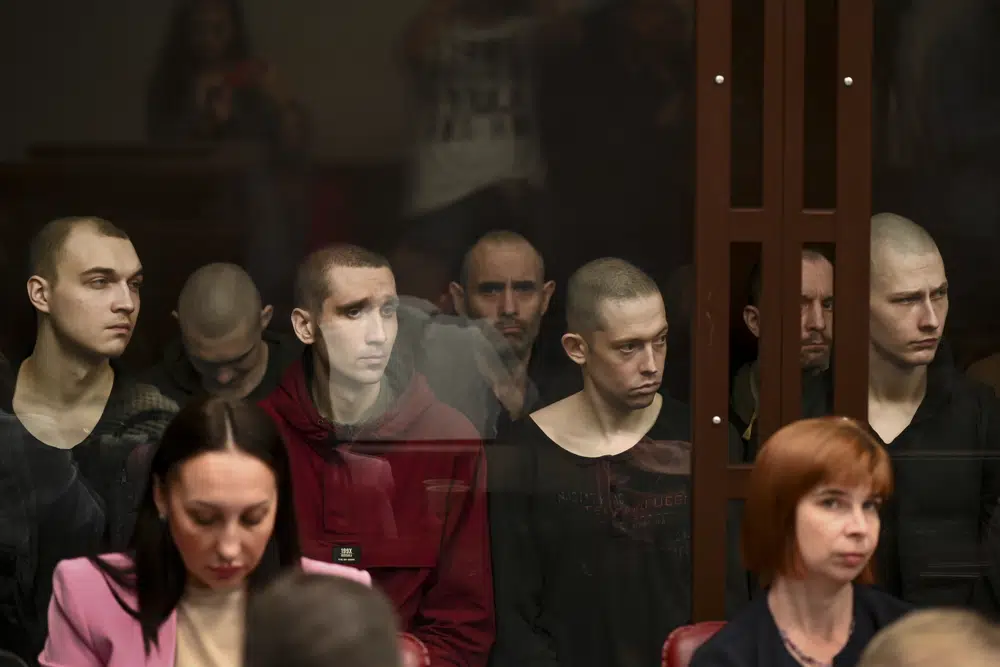
UN Commission: Russia’s unlawful trials of Ukrainians constitute war crimes
Fabricated evidence, unfair trials, testimonies extracted under torture, and other serious violations have been documented by the UN Independent International Commission of Inquiry on Ukraine. The Commission examined trials conducted by the Russian Federation in the context of its full-scale invasion of Ukraine and concluded that Russian courts have violated international humanitarian law, which constitutes a war crime.
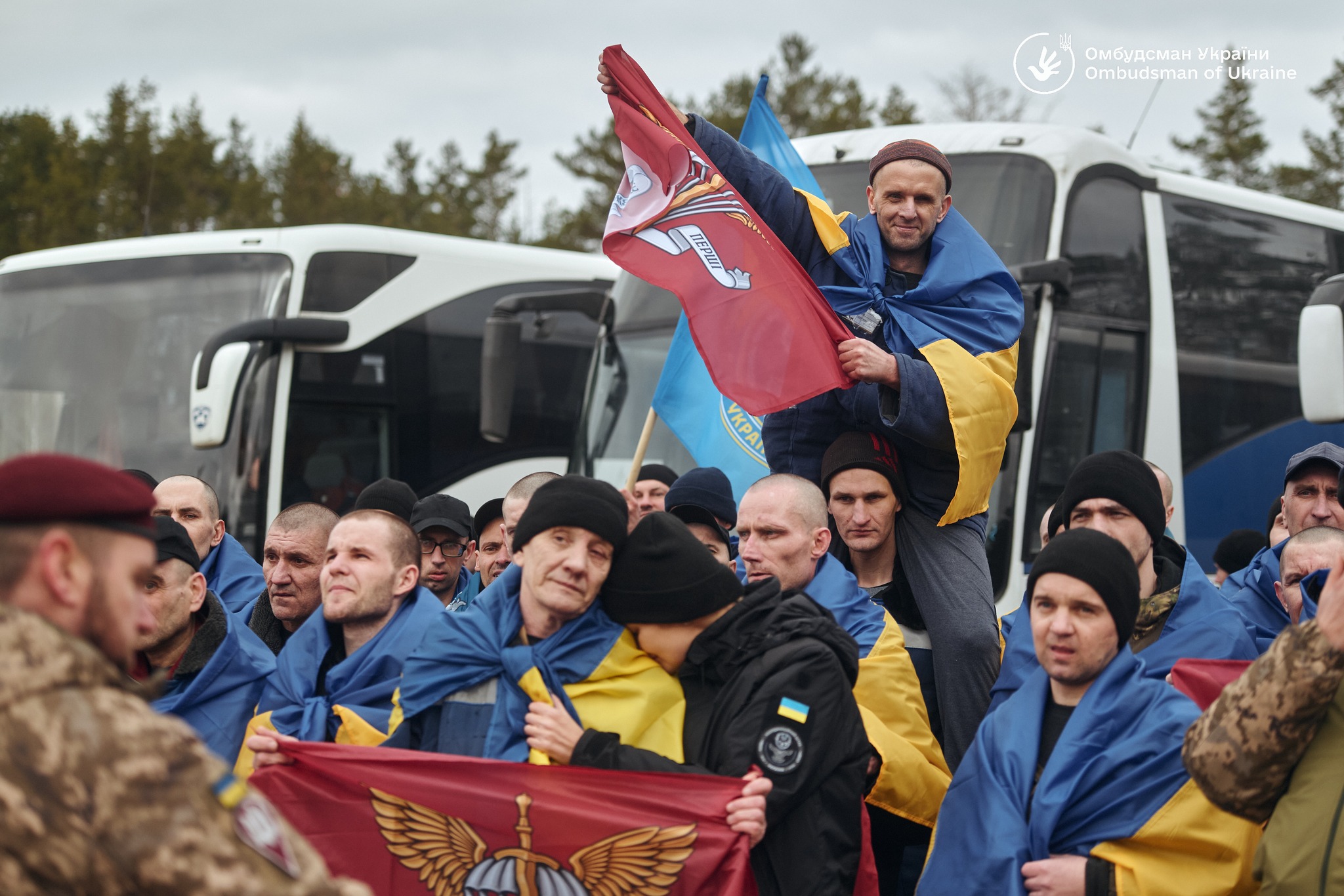
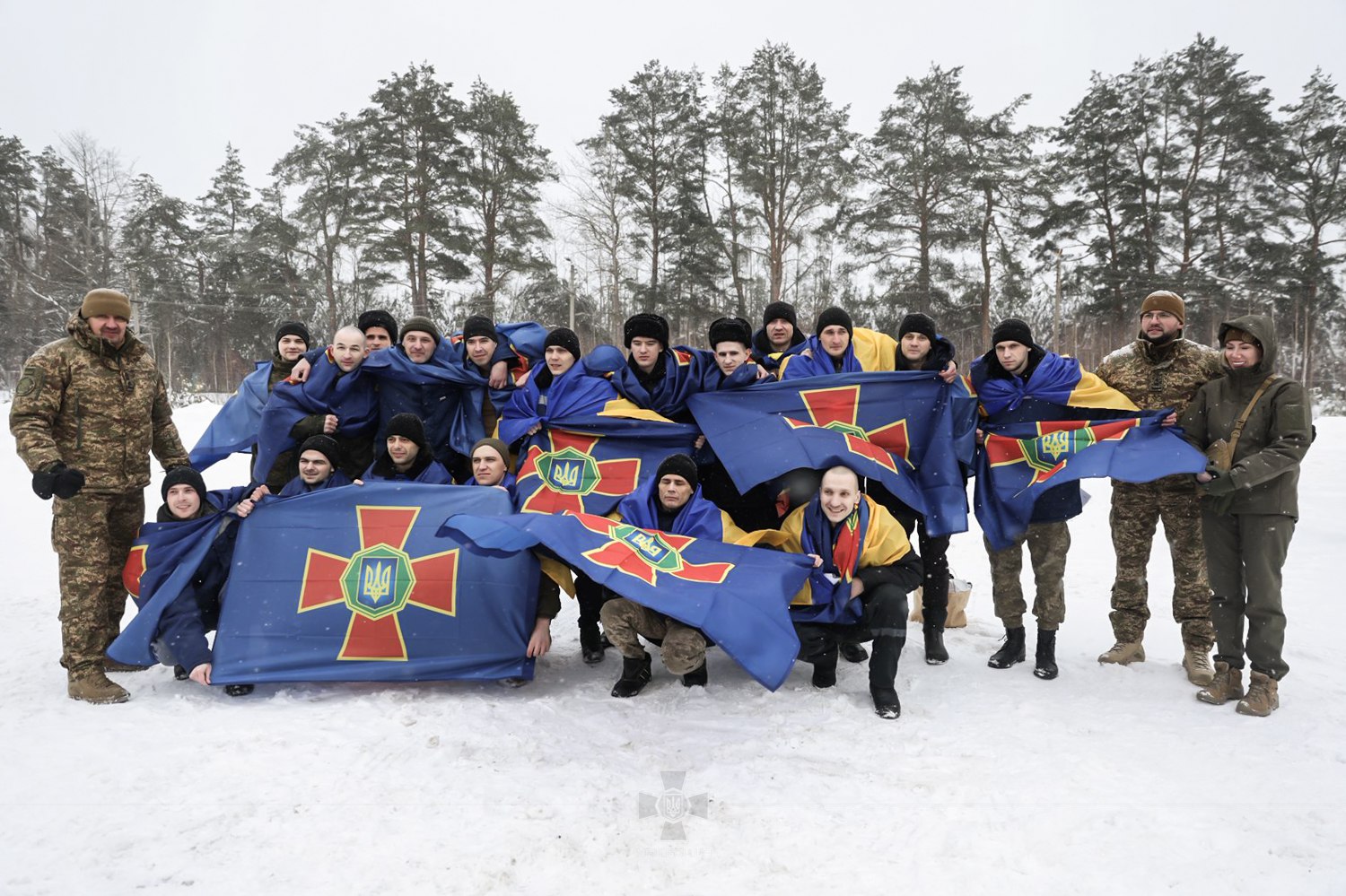
POW exchange: 500 servicemen and two civilians returned to Ukraine under agreements reached in Geneva
On 5-6 March 2026, a two-day exchange of prisoners of war took place between Ukraine and Russia. On the first day, 200 military personnel returned to Ukraine, and on the second day, another 300. Separately, two civilians were also returned. The exchange was made possible by agreements reached in Geneva with the mediation of the United States.
questions & answers
You can make a difference
Have a question, a message, or something important to share?
Whether it’s information, a concern, or a word of support, we want to hear from you.
Every voice matters.