
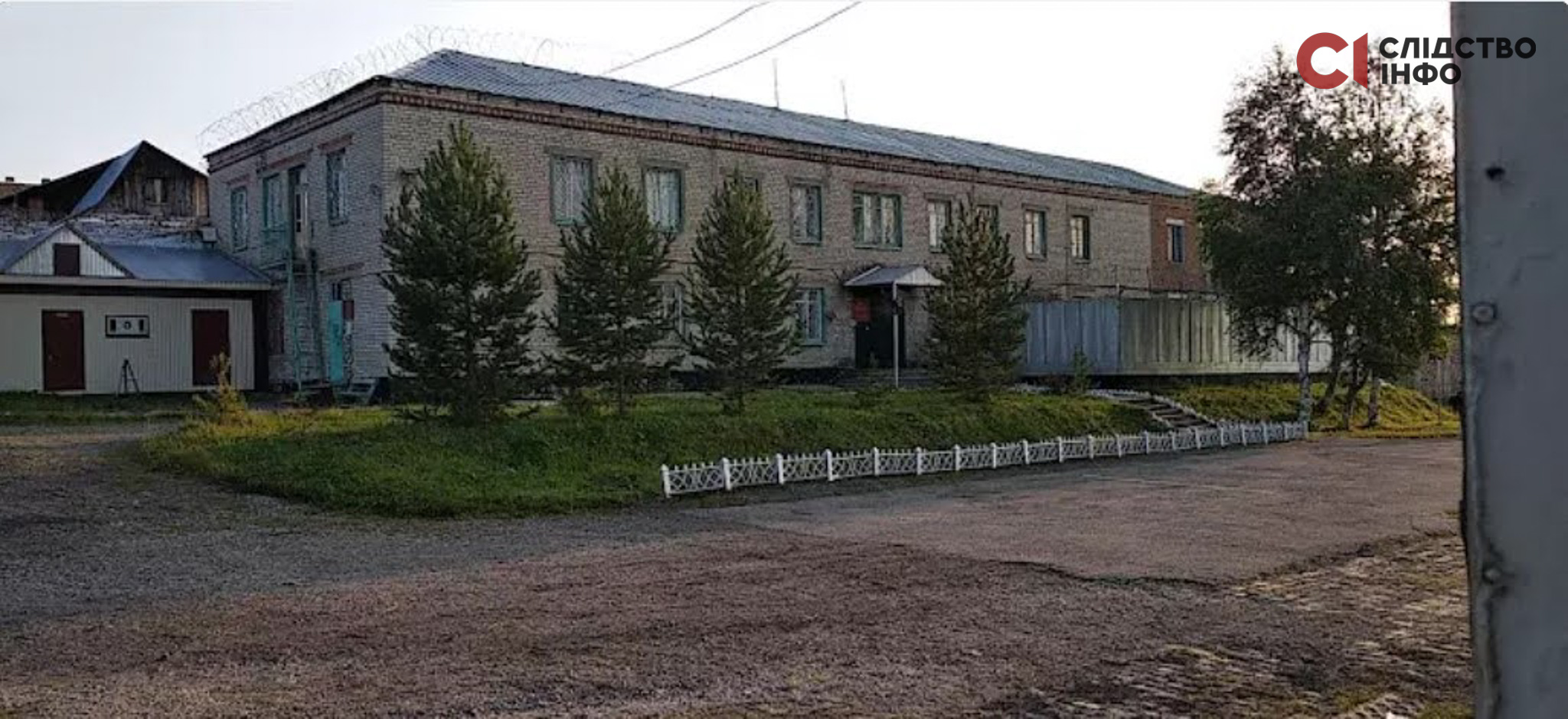
Kizel Pre-Trial Detention Centre No. 2
Kizel, Perm Krai
Russia
Pre-Trial Detention Centre
Active
Pre-trial detention centre No. 3 in Kizel, Perm Krai, Russian Federation, is one of the places where Ukrainian POWs and civilians, both women and men, are held. In Kizel Pre-trial Detention Centre No. 3, abuse and ill-treatment are commonplace. To hide their names and faces from prisoners, the guards call each other by numbers and always wear balaclavas.
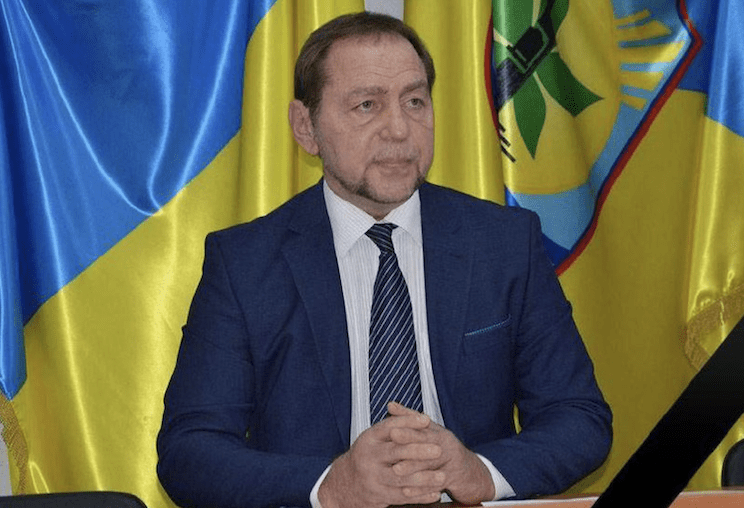
It is known that two illegally detained Ukrainian civilians died in this detention centre – the mayor of Dniprorudne, Yevhenii Matveyev, and journalist Viktoria Roshchyna.
“[In Kizel] they beat up the mayor of Dniprorudne. And a couple of days later, he died from the injuries. – So he went through this “reception” and then went to his cell? – Yes. Most likely, they carried him to his cell, he didn’t walk there,” said a former POW.
“Vika’s body was returned with several body parts removed, including parts of the brain, the larynx, and eyeballs – consistent with a possible attempt to hide the cause of death,” according to the Forbidden Stories investigation into Roshchyna’s death.

Both women and men are subjected to physical and psychological violence in the detention centre. “There were women on our floor because we heard women’s voices. They were also screaming, we could hear them […] we heard more than one woman screaming on numerous occasions,” recalled a former POW.
In the recollections of those released, the detention centre staff set up a separate torture chamber with rubber-lined walls. There was no toilet or washbasin. Prisoners were kept completely naked. They were forced to relieve themselves in the same place where they slept.
Any actions in the detention centre could only be performed with the permission of the guards. The use of electric shockers for torture was also commonplace:
“They burned my entire back with a shocker. It was their favourite toy there. Apparently, they bought them themselves. Once, they beat me so badly with a stun gun that I lost consciousness, then came back and opened my eyes. I had wounds that started to fester. The swelling was very severe, and there was inflammation,” said the released service member.
The POWs did not receive adequate medical care. When they had intense headaches, they were sometimes given a pill, which did not help. At the same time, sick prisoners were occasionally treated. One of the released prisoners recalled that when he fell ill with pneumonia, he underwent a fluorography examination and was taken to hospital for injections.
The administration of Kizel Pre-Trial Detention Centre No. 3 did not provide a proper temperature regime. It was constantly cold in the cells, and the guards kept the windows open all day, which created draughts.
Given that the city of Kizel is known for its harsh climate, the prisoners were constantly cold. They were not provided with warm clothing.
“The jacket was made of very cheap synthetic material. It doesn’t breathe, it doesn’t keep you warm, it just covers your nakedness and that’s it. So there was nothing to keep you warm. You stand there, freezing, feeling the draught piercing through you,” recalled serviceman Danylo.
Prisoners were forced to stand motionless and stare at a single point throughout the day. Sometimes they were sent to a torture chamber with rubber walls and no toilet, where they had to remain completely naked.
All day long, the Russian anthem, propaganda lectures and podcasts presenting a distorted history of Ukraine and Russia were played in the cells. The captives were forced to sing along to the Russian anthem and were taken to watch a propaganda film about the “Azov regiment”, which demonised the defenders of Mariupol.
“They beat me constantly for an hour or two. They gave me a minute to catch my breath and then started beating me again. I lost consciousness twice during the ‘reception’. The women had their heads shaved, and I could hear them crying,” says Danylo, a returned prisoner.
“There were batteries, but because they opened the windows, they didn’t help. Once, I remember it was about -30 °C (-22 °F). That’s Kizel, it’s very cold there. I think there’s snow there even in summer,” he added.
“They beat everyone very badly, wherever they could. They could hit you and rupture an organ,” said another service member released from captivity.
Overview
Pre-trial detention centre No. 3 in Kizel, Perm Krai, Russian Federation, is one of the places where Ukrainian POWs and civilians, both women and men, are held. In Kizel Pre-trial Detention Centre No. 3, abuse and ill-treatment are commonplace. To hide their names and faces from prisoners, the guards call each other by numbers and always wear balaclavas.
It is known that two illegally detained Ukrainian civilians died in this detention centre – the mayor of Dniprorudne, Yevhenii Matveyev, and journalist Viktoria Roshchyna.
“[In Kizel] they beat up the mayor of Dniprorudne. And a couple of days later, he died from the injuries. – So he went through this “reception” and then went to his cell? – Yes. Most likely, they carried him to his cell, he didn’t walk there,” said a former POW.
“Vika’s body was returned with several body parts removed, including parts of the brain, the larynx, and eyeballs – consistent with a possible attempt to hide the cause of death,” according to the Forbidden Stories investigation into Roshchyna’s death.
Torture & Abuse
Both women and men are subjected to physical and psychological violence in the detention centre. “There were women on our floor because we heard women’s voices. They were also screaming, we could hear them […] we heard more than one woman screaming on numerous occasions,” recalled a former POW.
In the recollections of those released, the detention centre staff set up a separate torture chamber with rubber-lined walls. There was no toilet or washbasin. Prisoners were kept completely naked. They were forced to relieve themselves in the same place where they slept.
Any actions in the detention centre could only be performed with the permission of the guards. The use of electric shockers for torture was also commonplace:
“They burned my entire back with a shocker. It was their favourite toy there. Apparently, they bought them themselves. Once, they beat me so badly with a stun gun that I lost consciousness, then came back and opened my eyes. I had wounds that started to fester. The swelling was very severe, and there was inflammation,” said the released service member.
Medical Care
The POWs did not receive adequate medical care. When they had intense headaches, they were sometimes given a pill, which did not help. At the same time, sick prisoners were occasionally treated. One of the released prisoners recalled that when he fell ill with pneumonia, he underwent a fluorography examination and was taken to hospital for injections.
Sanitation
The administration of Kizel Pre-Trial Detention Centre No. 3 did not provide a proper temperature regime. It was constantly cold in the cells, and the guards kept the windows open all day, which created draughts.
Given that the city of Kizel is known for its harsh climate, the prisoners were constantly cold. They were not provided with warm clothing.
“The jacket was made of very cheap synthetic material. It doesn’t breathe, it doesn’t keep you warm, it just covers your nakedness and that’s it. So there was nothing to keep you warm. You stand there, freezing, feeling the draught piercing through you,” recalled serviceman Danylo.
Psychological Pressure
Prisoners were forced to stand motionless and stare at a single point throughout the day. Sometimes they were sent to a torture chamber with rubber walls and no toilet, where they had to remain completely naked.
All day long, the Russian anthem, propaganda lectures and podcasts presenting a distorted history of Ukraine and Russia were played in the cells. The captives were forced to sing along to the Russian anthem and were taken to watch a propaganda film about the “Azov regiment”, which demonised the defenders of Mariupol.
Testimonies
“They beat me constantly for an hour or two. They gave me a minute to catch my breath and then started beating me again. I lost consciousness twice during the ‘reception’. The women had their heads shaved, and I could hear them crying,” says Danylo, a returned prisoner.
“There were batteries, but because they opened the windows, they didn’t help. Once, I remember it was about -30 °C (-22 °F). That’s Kizel, it’s very cold there. I think there’s snow there even in summer,” he added.
“They beat everyone very badly, wherever they could. They could hit you and rupture an organ,” said another service member released from captivity.
News
see more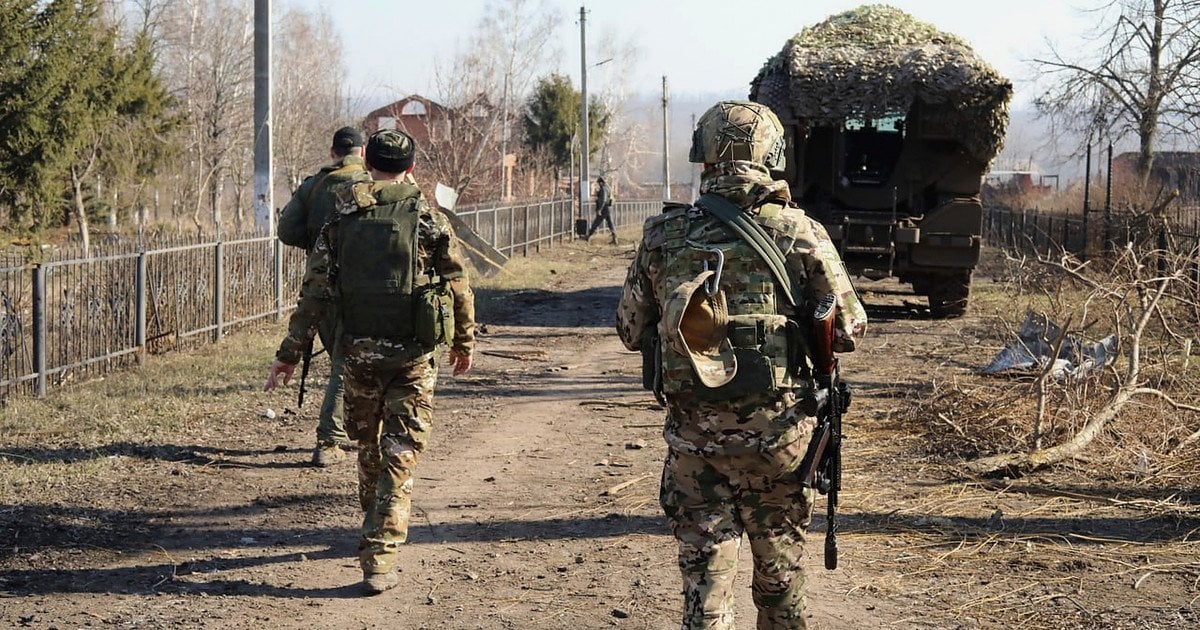
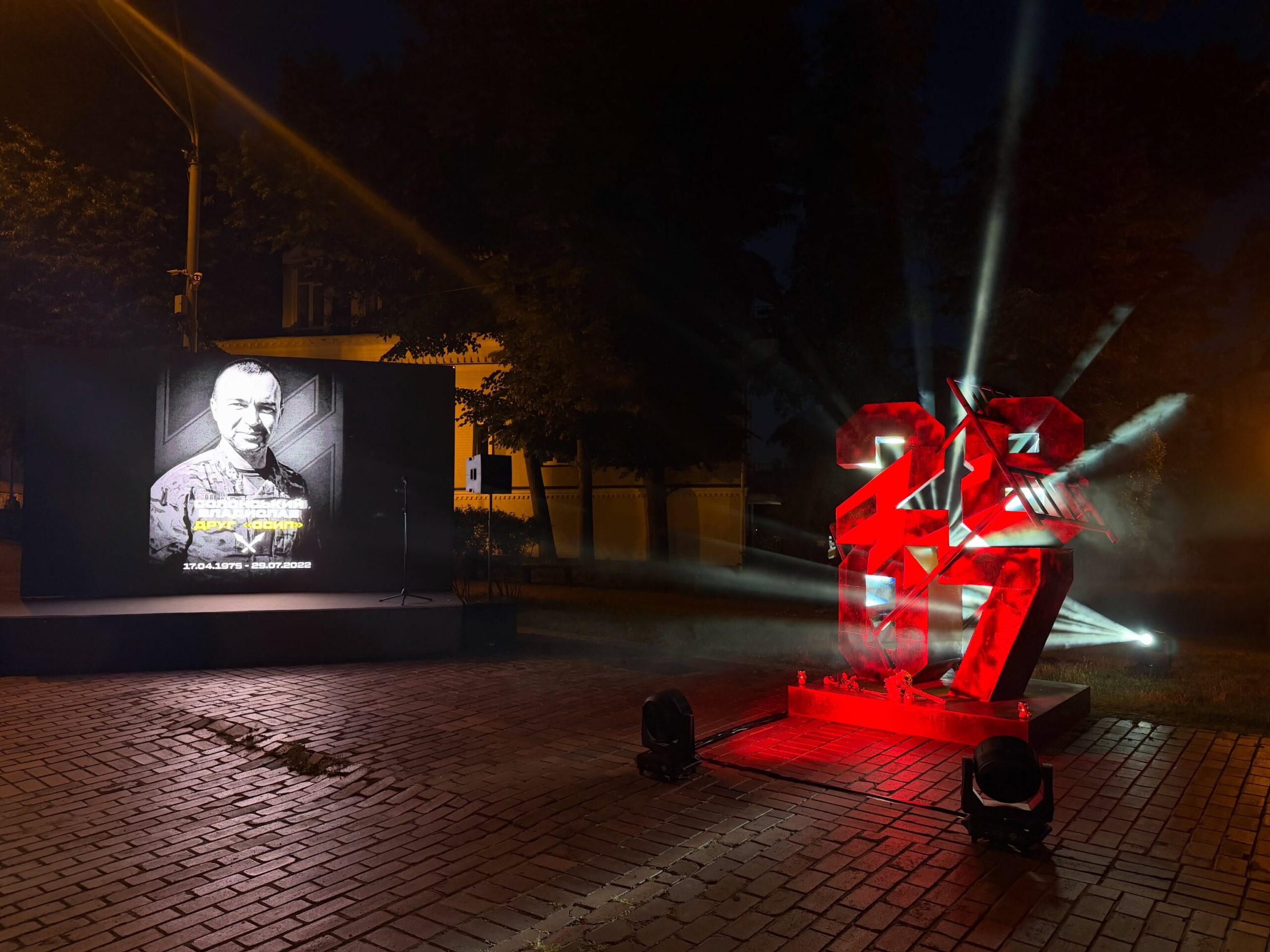


ICRC confirms it has had no access to Ukrainian POWs for two years
Russia has denied the International Committee of the Red Cross (ICRC) access to Ukrainian prisoners of war held in Russian detention since 2024. “We can confirm the lack of access to POWs in Russia since 2024,” an ICRC spokesperson told Reuters on September 18.
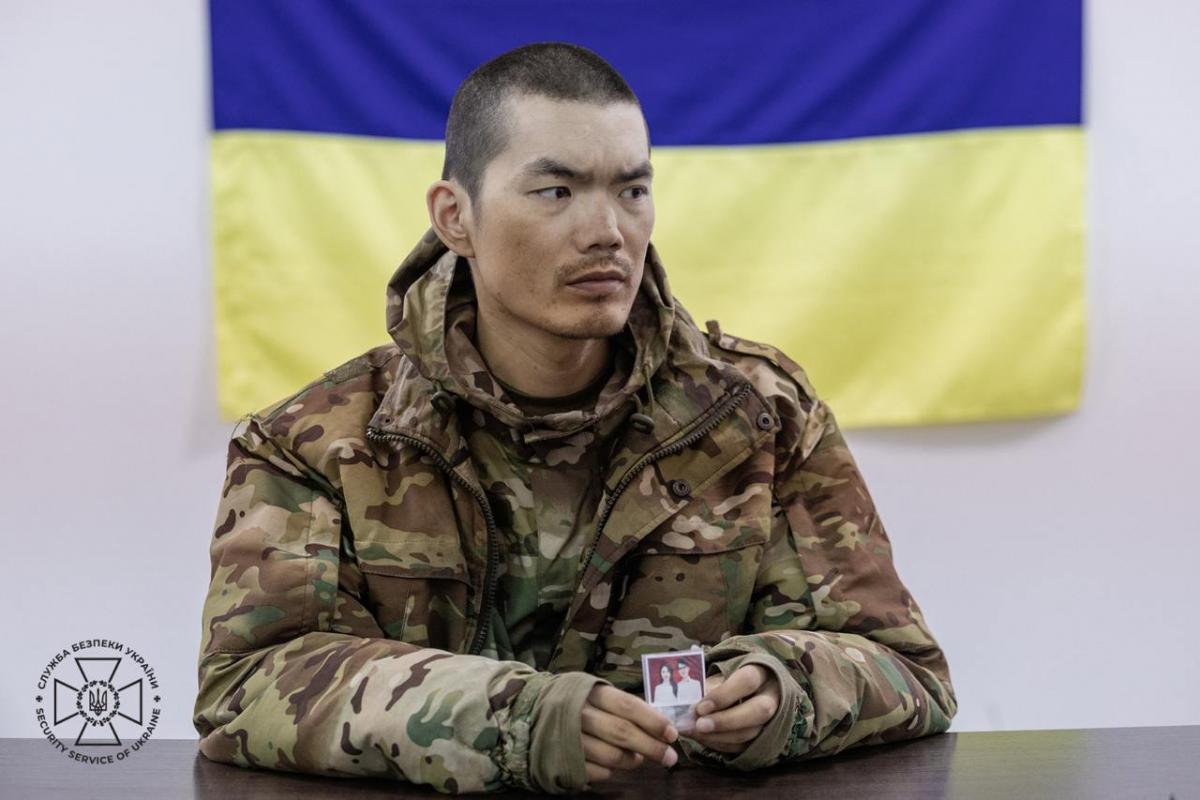
Citizens of 51 Countries Held as Prisoners of War in Ukraine
Ukraine’s Coordination Headquarters for the Treatment of Prisoners of War and the Ministry of Foreign Affairs of Ukraine have announced the launch of StopRussianRecruiters.org, an information platform documenting and exposing Russia’s deceptive recruitment of foreign nationals into its armed forces. The project also provides information about foreign prisoners of war held in Ukraine and calls on the governments of their respective countries to take diplomatic action to secure their return.
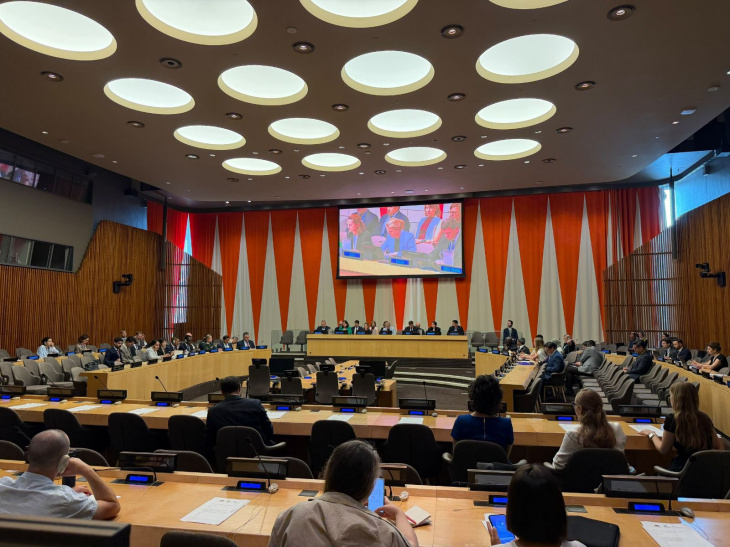
The UN Security Council holds an Arria-formula meeting on Ukrainian POWs
On August 10, the UN Security Council held an Arria-formula meeting at UN Headquarters in New York, dedicated to Russia's systematic violations of international humanitarian law against Ukrainian prisoners of war, civilian detainees, and foreign nationals. The event was convened by Latvia and the United Kingdom at Ukraine's initiative.
questions & answers
You can make a difference
Have a question, a message, or something important to share?
Whether it’s information, a concern, or a word of support, we want to hear from you.
Every voice matters.