
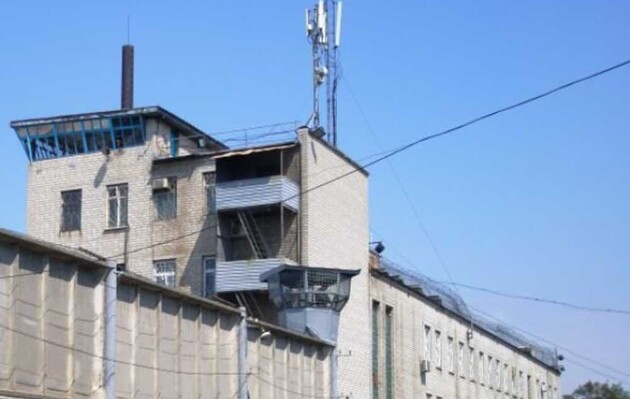
Kirovsk Penal Colony No. 33
Donetsk Oblast
Temporarily occupied territories
Penal colony
Active
Kirovsk Correctional Colony No. 33 is a penal institution in Russia where Ukrainian prisoners of war, including Azov servicemen, were held. Testimonies indicate systematic abuse, forced labour in extreme weather conditions, and targeted humiliation of POWs identified as particularly resilient or patriotic.
Testimonies reveal violent and degrading treatment. Abuse was more severe for those perceived as professional or patriotiс, particularly Azov servicemen, Marines, contract soldiers, or anyone speaking Ukrainian or having national symbols. Prisoners reported being shaved completely, including body hair, and mocked, “Because you’re Azov, we’ll shave your eyebrows too”.
POWs reported forced labour in harsh weather without appropriate clothing, including digging frozen ground, uprooting stumps, and hauling heavy metal rails. Guards mocked signs of frostbite, calling prisoners “drunks” for their swollen noses and ears.
No direct information is available regarding the provision or denial of medical care in Kirovsk Correctional Colony No. 33. However, despite the absence of detailed testimonies, it is highly likely that prisoners of war were denied even basic medical assistance.
Nutrition was insufficient and harmful. POWs suffered from chronic diarrhoea and gastrointestinal issues due to spoiled or undercooked food, including raw bread. Severe malnutrition led to physical deterioration, including leg swelling from hunger. One prisoner reported losing 31 kilograms of mass and weighing only 57 kg upon release.
There is limited direct testimony on specific psychological methods used in Kirovsk Colony No. 33. However, forced labour, targeted humiliation and physical degradation contributed to sustained psychological harm.
“They forced everyone to kneel in the snow and shouted, “Are there any officers? This motherf***er goes first!” At that moment, they shoved me from behind. I fell to my knees. Then they grabbed me by the leg, and I fell down. One of them stepped on one arm, the other stepped on the other. After that, I don’t remember anything. They started beating me with batons, and I blacked out” – Anatolii Mikheiev, Azov officer.
“Our legs were swollen from starvation, the lack of protein, and other micronutrients. Because of the poor quality of food and the half-baked bread, prisoners suffered from constant diarrhoea and stomach problems” – Anatolii Mikheiev.
Overview
Kirovsk Correctional Colony No. 33 is a penal institution in Russia where Ukrainian prisoners of war, including Azov servicemen, were held. Testimonies indicate systematic abuse, forced labour in extreme weather conditions, and targeted humiliation of POWs identified as particularly resilient or patriotic.
Torture & Abuse
Testimonies reveal violent and degrading treatment. Abuse was more severe for those perceived as professional or patriotiс, particularly Azov servicemen, Marines, contract soldiers, or anyone speaking Ukrainian or having national symbols. Prisoners reported being shaved completely, including body hair, and mocked, “Because you’re Azov, we’ll shave your eyebrows too”.
POWs reported forced labour in harsh weather without appropriate clothing, including digging frozen ground, uprooting stumps, and hauling heavy metal rails. Guards mocked signs of frostbite, calling prisoners “drunks” for their swollen noses and ears.
Medical Care
No direct information is available regarding the provision or denial of medical care in Kirovsk Correctional Colony No. 33. However, despite the absence of detailed testimonies, it is highly likely that prisoners of war were denied even basic medical assistance.
Food & Sanitation
Nutrition was insufficient and harmful. POWs suffered from chronic diarrhoea and gastrointestinal issues due to spoiled or undercooked food, including raw bread. Severe malnutrition led to physical deterioration, including leg swelling from hunger. One prisoner reported losing 31 kilograms of mass and weighing only 57 kg upon release.
Psychological Pressure
There is limited direct testimony on specific psychological methods used in Kirovsk Colony No. 33. However, forced labour, targeted humiliation and physical degradation contributed to sustained psychological harm.
Testimonies & Reports
“They forced everyone to kneel in the snow and shouted, “Are there any officers? This motherf***er goes first!” At that moment, they shoved me from behind. I fell to my knees. Then they grabbed me by the leg, and I fell down. One of them stepped on one arm, the other stepped on the other. After that, I don’t remember anything. They started beating me with batons, and I blacked out” – Anatolii Mikheiev, Azov officer.
“Our legs were swollen from starvation, the lack of protein, and other micronutrients. Because of the poor quality of food and the half-baked bread, prisoners suffered from constant diarrhoea and stomach problems” – Anatolii Mikheiev.
News
see more
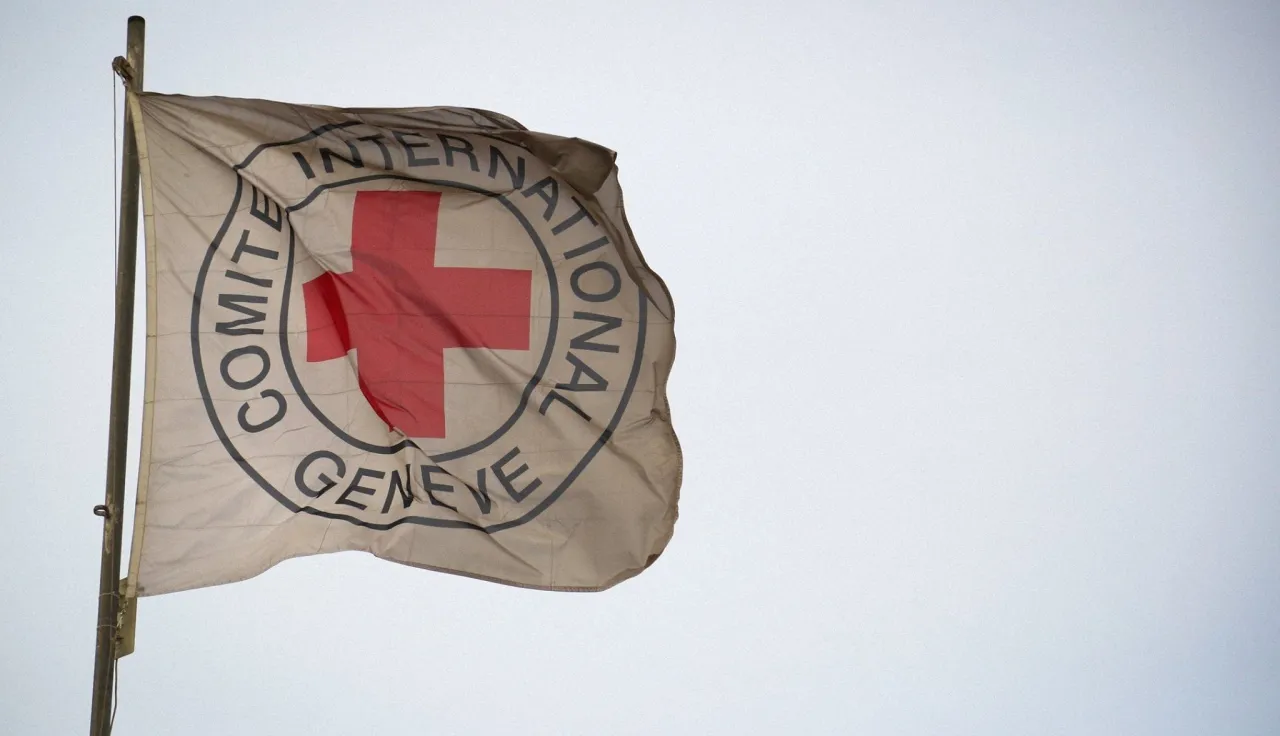
ICRC confirms it has had no access to Ukrainian POWs for two years
Russia has denied the International Committee of the Red Cross (ICRC) access to Ukrainian prisoners of war held in Russian detention since 2024. “We can confirm the lack of access to POWs in Russia since 2024,” an ICRC spokesperson told Reuters on September 18.
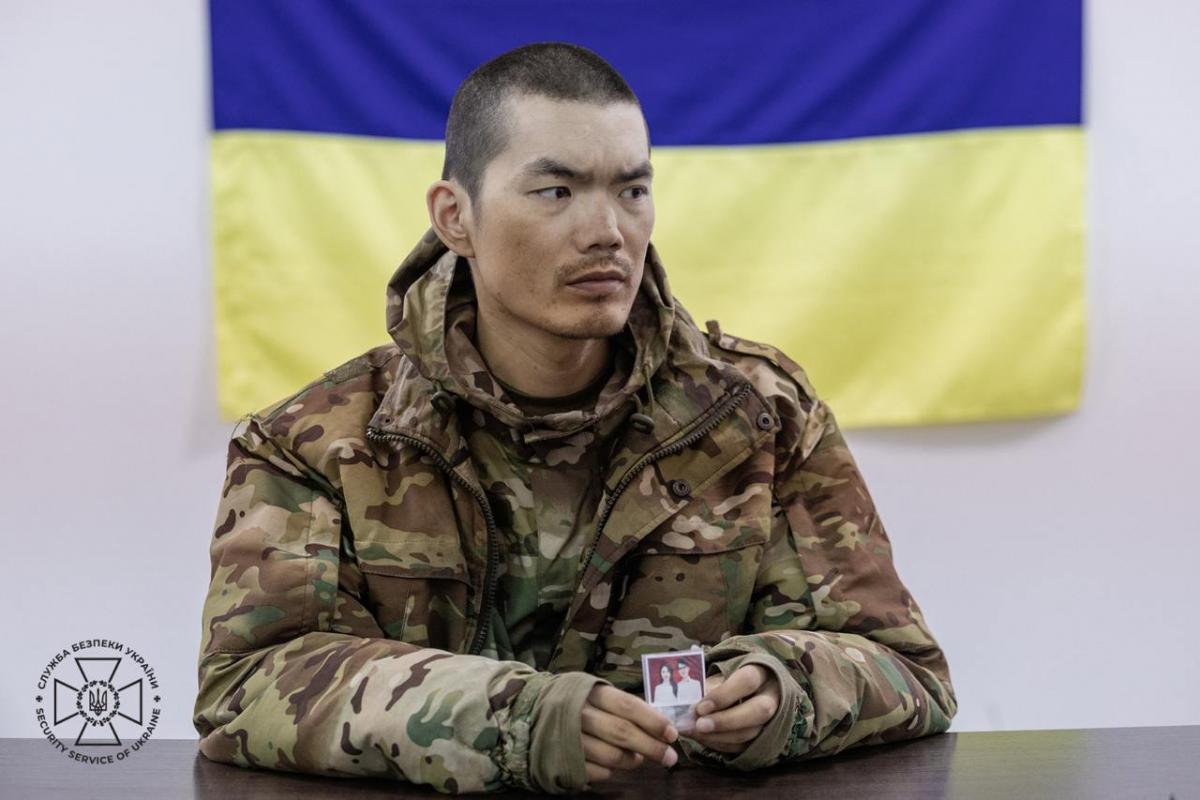
Citizens of 51 Countries Held as Prisoners of War in Ukraine
Ukraine’s Coordination Headquarters for the Treatment of Prisoners of War and the Ministry of Foreign Affairs of Ukraine have announced the launch of StopRussianRecruiters.org, an information platform documenting and exposing Russia’s deceptive recruitment of foreign nationals into its armed forces. The project also provides information about foreign prisoners of war held in Ukraine and calls on the governments of their respective countries to take diplomatic action to secure their return.
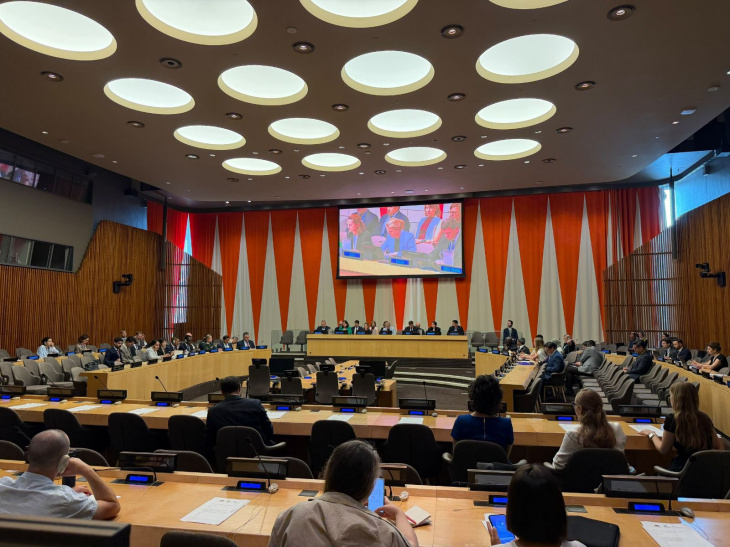
The UN Security Council holds an Arria-formula meeting on Ukrainian POWs
On August 10, the UN Security Council held an Arria-formula meeting at UN Headquarters in New York, dedicated to Russia's systematic violations of international humanitarian law against Ukrainian prisoners of war, civilian detainees, and foreign nationals. The event was convened by Latvia and the United Kingdom at Ukraine's initiative.
questions & answers
You can make a difference
Have a question, a message, or something important to share?
Whether it’s information, a concern, or a word of support, we want to hear from you.
Every voice matters.