
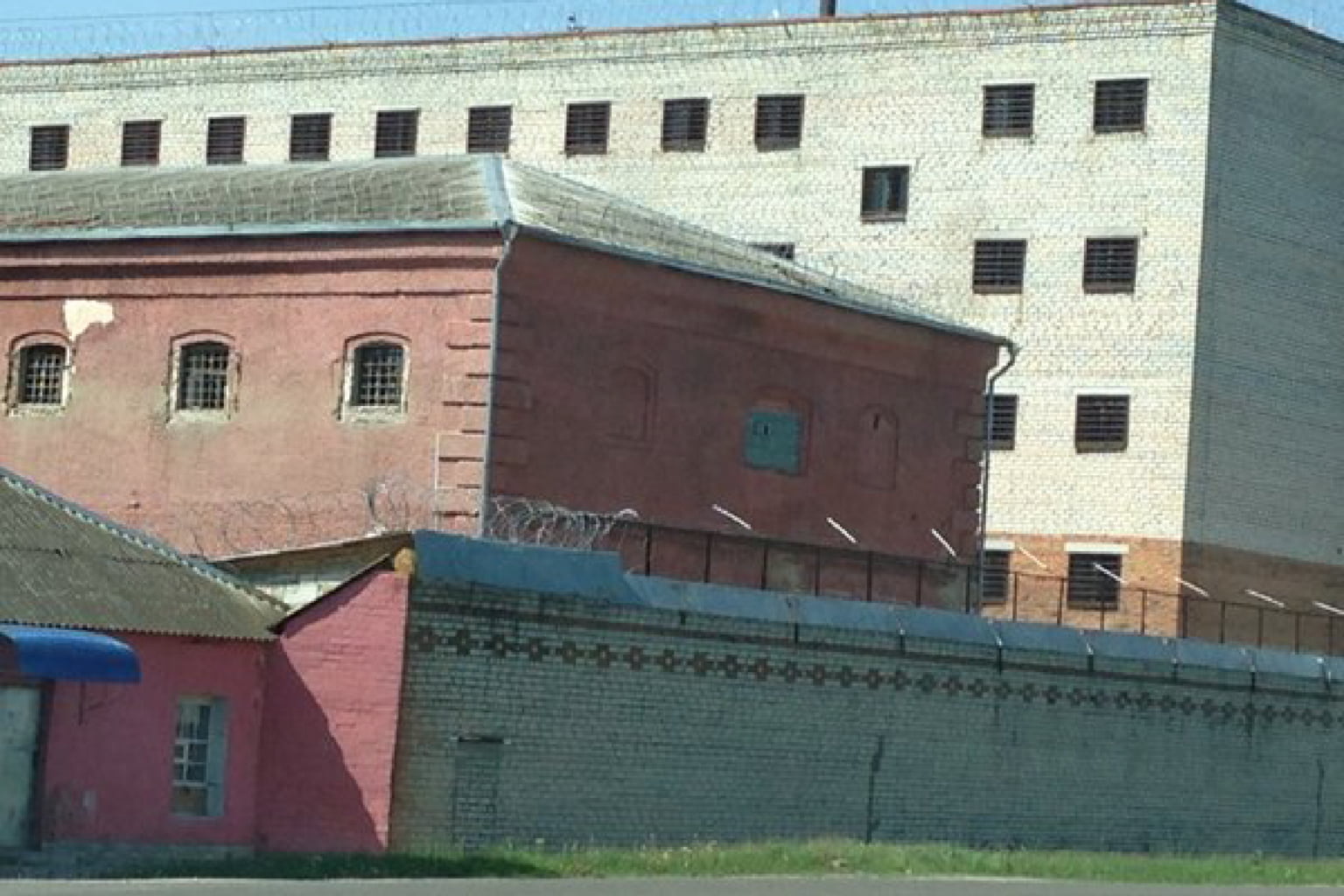
Bryansk Oblast Pre-Trial Detention Centre No. 2
Braynsk Oblast, Novozybkov
Russia
Pre-Trial Detention Centre
Active
Bryansk Oblast pre-trial detention facility is based in the city of Novozybkov, just 65 km away from the Ukrainian border. As of 2023, there were approximately 650 Ukrainian prisoners held. Most of them were brought in from Kyiv Oblast in February-March 2022. In this facility, hunger, torture, and abuse are painfully trivial phenomena.
According to all former prisoners of war interviewed by the MIHR, in Bryansk Pre-Trial Detention Centre, special forces regularly use physical violence against prisoners. Beatings are systematic and occur both as part of routine inspections and spontaneously.
On the upper floors of the isolator, in particular on the third floor, during inspections, prisoners are forced to take humiliating positions – to bend low. People with high stature who are physically unable to fulfil these requirements are subjected to particularly brutal kicks in military boots. Over time, such actions become a regular practice for prisoners, to which they are forced to adapt – physical pressure no longer causes fear, but is perceived as part of everyday life.
Personal belongings and mattresses are checked once a week. Prisoners are forced to run down the corridor with their belongings, enter a special room, undress, unfold their mattresses and shout the motto “Glory to Russia!”. During these checks, riot police may inflict blows, such as hitting with a pillow or using a stun gun on the last person to run.
Some waves of mass beatings coincide with reports of Russian troop losses at the front.
Thus, prisoners indirectly learn about successful strikes by the Ukrainian Armed Forces. In such cases, the detention centre staff breaks into the cells, strikes and accompanies it with insults and accusations.
Medical care in the detention centres of the Russian Federation, in particular in the Bryansk Oblast Pre-Trial Detention Centre, is limited and is more of a formality. Medical staff provide medicines without explaining their purpose or name. In the case of chronic diseases, such as diabetes, a doctor administers insulin injections three times a day.
Prisoners who are injured as a result of beatings do not receive proper medical care. There are cases when people develop inflammation, but the treatment is limited to the administration of painkillers of unknown origin, which only temporarily relieve the pain. No systemic treatment is provided.
A doctor is present during the morning check-up. After being beaten by the special forces soldiers, victims are sometimes given pills, but without a proper examination. There was a case of a prisoner who, as a result of the beating, developed swelling in his leg and probably inflammation, and began to show signs of mental disorder. He was constantly given some kind of medication and then taken out of the cell. His further fate is unknown; his cellmates have no information on whether he survived or not.
In some cases, when the wounded develop purulent complications, they are taken to the medical unit for bandaging, but there is no full treatment.
Prisoners in pre-trial detention centres, in particular in Bryansk, are fed three times a day, but the amount and calorie content of the food is minimal. The diet includes breakfast in the form of milk porridge (semolina, oatmeal or other), lunch includes a first course (soup like cabbage soup or pink chowder made to look like borscht) and a second course of potato stew. Pasta is usually served for dinner. Once a week, fish is added to the diet – fried or steamed herring.
According to one of the prisoners of war, the feeling of hunger does not disappear: prisoners fall asleep and wake up hungry. As a result of systemic malnutrition, there is a significant loss of body weight, in particular, one prisoner reports a weight loss of 18 kilograms over two months of detention.
In the Bryansk Oblast Pre-Trial Detention Centre, prisoners of war are systematically subjected to psychological pressure and forced ideological conditioning. Every morning, prisoners are forced to sing the national anthem of the Russian Federation and shout the slogan “Glory to Russia!” They are humiliated by being called “fascists” and “Nazis” and forced to stop using the Ukrainian language. In particular, the staff of the institution regularly demand that prisoners speak exclusively in Russian, even interfering with everyday speech through the windows in the cell doors.
Additionally, information pressure is applied: a TV set broadcasting Russian TV channels is moved between cells. After watching the TV, prisoners are interviewed and asked to recount the content of the news they saw. Over time, the frequency of such views decreases – according to a prisoner released in January 2023, the TV is shown once or twice a month. It is not shown live: a flash drive with pre-recorded propaganda materials is inserted into the device.
Pre-Trial Detention Centre staff also spread disinformation, trying to convince inmates that Ukraine no longer exists and that the Ukrainian Armed Forces have been defeated. Prisoners are offered to sign a statement refusing to participate in the exchange, promising instead jobs, citizenship and an allegedly safe life in Russia. Some of those who agree are transferred to other penitentiary institutions.
“Already during the admission, they broke all my ribs, one of them is still sticking out. We were all beaten very badly, our legs were blue, they hit us hard on the ribs, but not on the head, although later in the detention centre, they hit us on the head too. It took a month to heal, I couldn’t get in and out of bed” – Vladyslav.
“We went to bed hungry and woke up hungry. I returned from captivity and discovered I had lost 18kg. Over two months” – Oleksandr.
Overview
Bryansk Oblast pre-trial detention facility is based in the city of Novozybkov, just 65 km away from the Ukrainian border. As of 2023, there were approximately 650 Ukrainian prisoners held. Most of them were brought in from Kyiv Oblast in February-March 2022. In this facility, hunger, torture, and abuse are painfully trivial phenomena.
Torture & Abuse
According to all former prisoners of war interviewed by the MIHR, in Bryansk Pre-Trial Detention Centre, special forces regularly use physical violence against prisoners. Beatings are systematic and occur both as part of routine inspections and spontaneously.
On the upper floors of the isolator, in particular on the third floor, during inspections, prisoners are forced to take humiliating positions – to bend low. People with high stature who are physically unable to fulfil these requirements are subjected to particularly brutal kicks in military boots. Over time, such actions become a regular practice for prisoners, to which they are forced to adapt – physical pressure no longer causes fear, but is perceived as part of everyday life.
Personal belongings and mattresses are checked once a week. Prisoners are forced to run down the corridor with their belongings, enter a special room, undress, unfold their mattresses and shout the motto “Glory to Russia!”. During these checks, riot police may inflict blows, such as hitting with a pillow or using a stun gun on the last person to run.
Some waves of mass beatings coincide with reports of Russian troop losses at the front.
Thus, prisoners indirectly learn about successful strikes by the Ukrainian Armed Forces. In such cases, the detention centre staff breaks into the cells, strikes and accompanies it with insults and accusations.
Medical Care
Medical care in the detention centres of the Russian Federation, in particular in the Bryansk Oblast Pre-Trial Detention Centre, is limited and is more of a formality. Medical staff provide medicines without explaining their purpose or name. In the case of chronic diseases, such as diabetes, a doctor administers insulin injections three times a day.
Prisoners who are injured as a result of beatings do not receive proper medical care. There are cases when people develop inflammation, but the treatment is limited to the administration of painkillers of unknown origin, which only temporarily relieve the pain. No systemic treatment is provided.
A doctor is present during the morning check-up. After being beaten by the special forces soldiers, victims are sometimes given pills, but without a proper examination. There was a case of a prisoner who, as a result of the beating, developed swelling in his leg and probably inflammation, and began to show signs of mental disorder. He was constantly given some kind of medication and then taken out of the cell. His further fate is unknown; his cellmates have no information on whether he survived or not.
In some cases, when the wounded develop purulent complications, they are taken to the medical unit for bandaging, but there is no full treatment.
Food & Sanitation
Prisoners in pre-trial detention centres, in particular in Bryansk, are fed three times a day, but the amount and calorie content of the food is minimal. The diet includes breakfast in the form of milk porridge (semolina, oatmeal or other), lunch includes a first course (soup like cabbage soup or pink chowder made to look like borscht) and a second course of potato stew. Pasta is usually served for dinner. Once a week, fish is added to the diet – fried or steamed herring.
According to one of the prisoners of war, the feeling of hunger does not disappear: prisoners fall asleep and wake up hungry. As a result of systemic malnutrition, there is a significant loss of body weight, in particular, one prisoner reports a weight loss of 18 kilograms over two months of detention.
Psychological Pressure
In the Bryansk Oblast Pre-Trial Detention Centre, prisoners of war are systematically subjected to psychological pressure and forced ideological conditioning. Every morning, prisoners are forced to sing the national anthem of the Russian Federation and shout the slogan “Glory to Russia!” They are humiliated by being called “fascists” and “Nazis” and forced to stop using the Ukrainian language. In particular, the staff of the institution regularly demand that prisoners speak exclusively in Russian, even interfering with everyday speech through the windows in the cell doors.
Additionally, information pressure is applied: a TV set broadcasting Russian TV channels is moved between cells. After watching the TV, prisoners are interviewed and asked to recount the content of the news they saw. Over time, the frequency of such views decreases – according to a prisoner released in January 2023, the TV is shown once or twice a month. It is not shown live: a flash drive with pre-recorded propaganda materials is inserted into the device.
Pre-Trial Detention Centre staff also spread disinformation, trying to convince inmates that Ukraine no longer exists and that the Ukrainian Armed Forces have been defeated. Prisoners are offered to sign a statement refusing to participate in the exchange, promising instead jobs, citizenship and an allegedly safe life in Russia. Some of those who agree are transferred to other penitentiary institutions.
Testimonies & Reports
“Already during the admission, they broke all my ribs, one of them is still sticking out. We were all beaten very badly, our legs were blue, they hit us hard on the ribs, but not on the head, although later in the detention centre, they hit us on the head too. It took a month to heal, I couldn’t get in and out of bed” – Vladyslav.
“We went to bed hungry and woke up hungry. I returned from captivity and discovered I had lost 18kg. Over two months” – Oleksandr.
News
see more
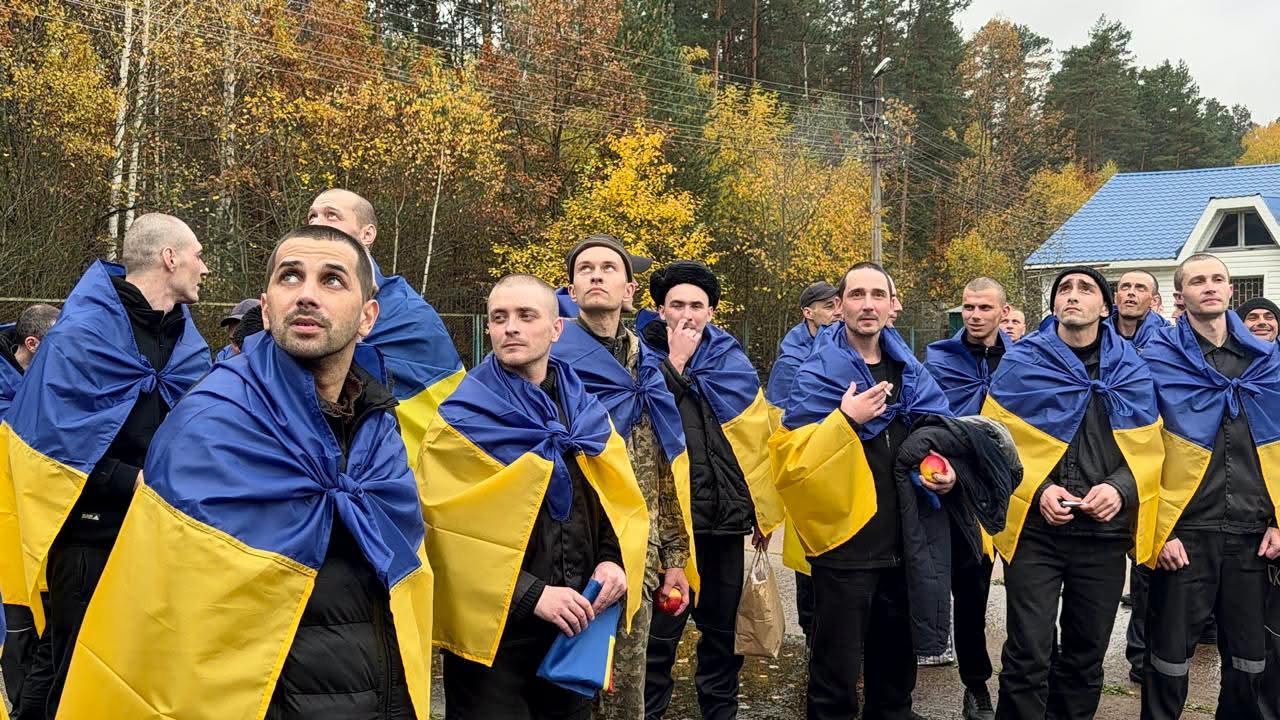
Ukraine brings home 270 Ukrainians from Russian captivity, including 35 Azov POWs
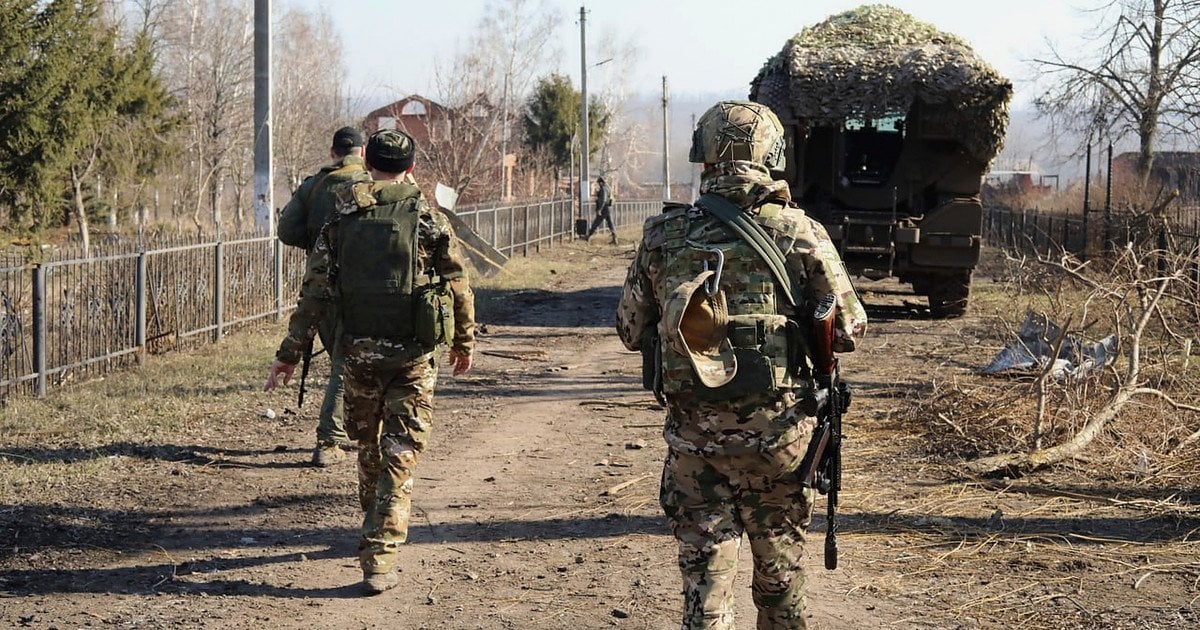
On 23 October, 270 Ukrainians were returned from Russian captivity: 261 servicemen and 9 civilians. Those released include members of the Navy, Land Forces, Air Assault Forces, State Special Transport Service, Territorial Defence Forces, Special Operations Forces and Military Law Enforcement Service, as well as the National Guard, the State Border Guard Service and a rescuer from the State Emergency Service.
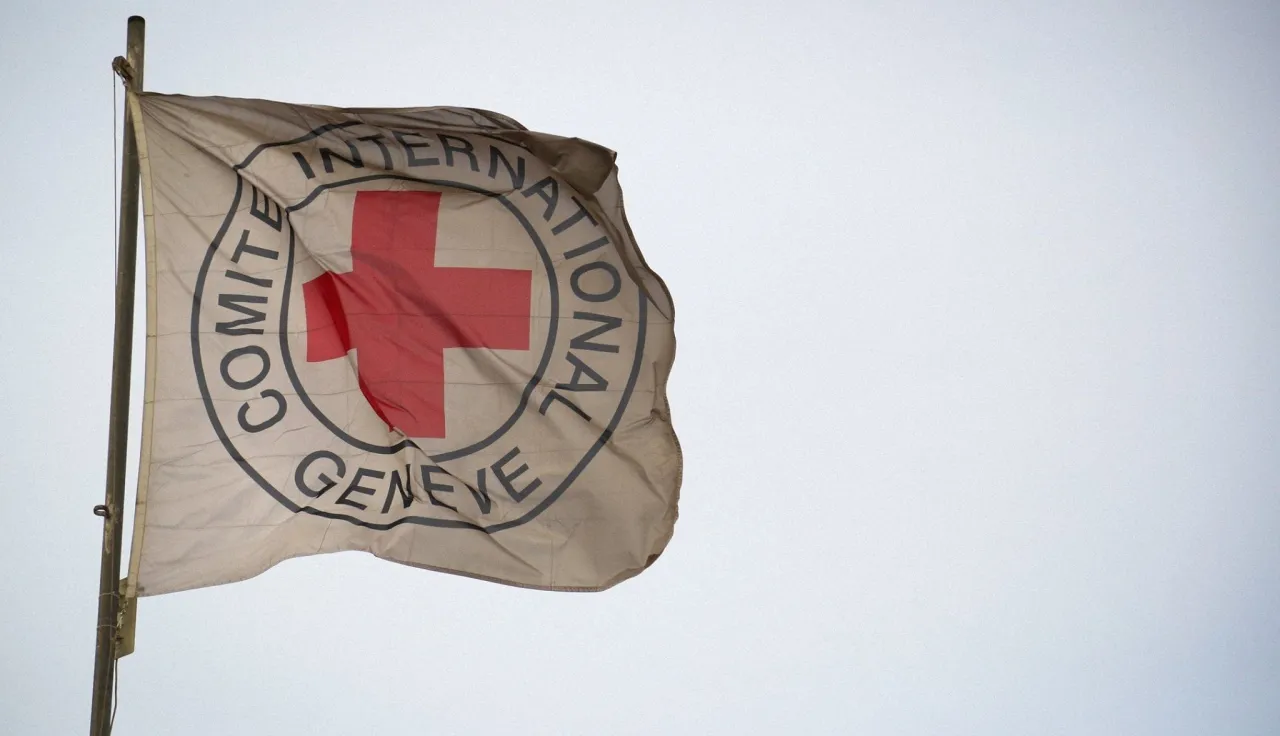
ICRC confirms it has had no access to Ukrainian POWs for two years
Russia has denied the International Committee of the Red Cross (ICRC) access to Ukrainian prisoners of war held in Russian detention since 2024. “We can confirm the lack of access to POWs in Russia since 2024,” an ICRC spokesperson told Reuters on September 18.
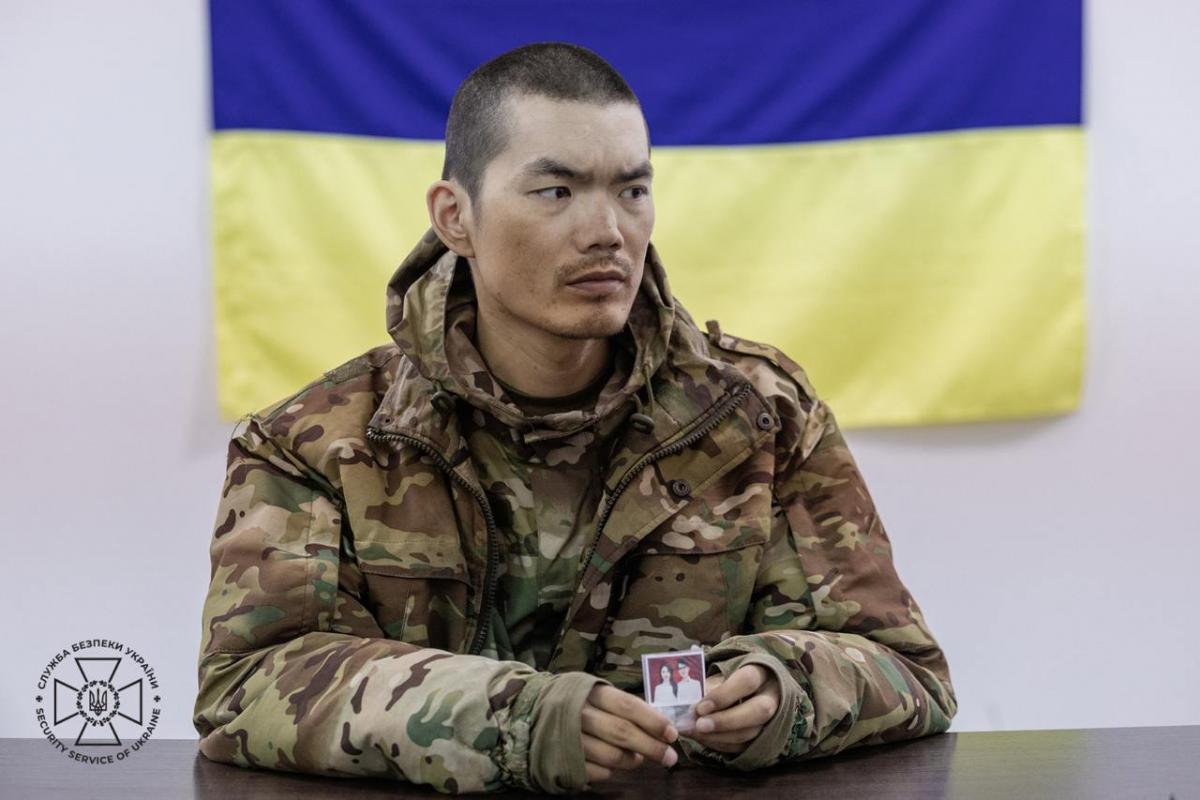
Citizens of 51 Countries Held as Prisoners of War in Ukraine
Ukraine’s Coordination Headquarters for the Treatment of Prisoners of War and the Ministry of Foreign Affairs of Ukraine have announced the launch of StopRussianRecruiters.org, an information platform documenting and exposing Russia’s deceptive recruitment of foreign nationals into its armed forces. The project also provides information about foreign prisoners of war held in Ukraine and calls on the governments of their respective countries to take diplomatic action to secure their return.
questions & answers
You can make a difference
Have a question, a message, or something important to share?
Whether it’s information, a concern, or a word of support, we want to hear from you.
Every voice matters.