
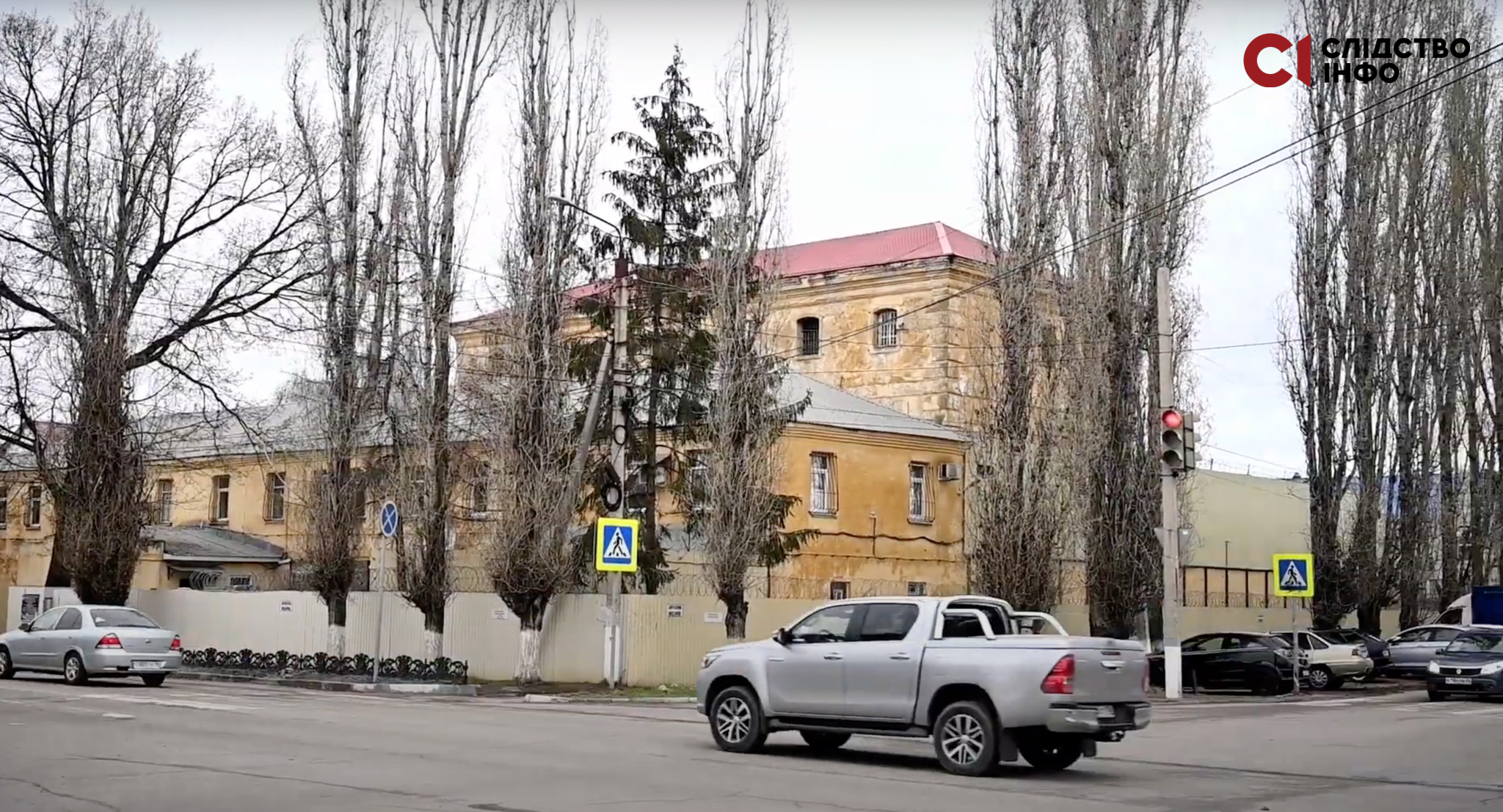
Borisoglebsk Pre-Trial Detention Center No. 2
Borisoglebsk, Voronezh Oblast
Russia
Pre-Trial Detention Centre
Active
Overview
Pre-trial detention center No. 2, located in the central part of the city of Borisoglebsk in the Voronezh oblast, is a place where systematic war crimes are committed. According to available information, Ukrainian prisoners of war and illegally detained civilians are subjected to brutal torture and abuse within the walls of this facility.
Torture & Abuse
According to former prisoners, torture is systematically used in Pre-Trial Detention Center No. 2 in Borisoglebsk. One of the most common methods is setting dogs on prisoners, which left them with serious injuries. The released Ukrainians recalled that for local dog handlers, this process was like entertainment.
In addition, there have been reports of daily physical abuse, the use of electric shocks, and sexual violence. According to the Office of the Prosecutor General of Ukraine, investigative actions have been conducted with 62 people who were held in this place of detention. The vast majority of them confirmed the facts of systematic inhuman treatment and various forms of torture.
Medical care
Information about medical care at this place of detention remains unknown. However, there is testimony that as a result of torture, prisoners suffered serious injuries that required treatment. Serviceman Andriy said that due to constant physical violence, his body was completely covered in bruises.
Food & Sanitation
Once a week, prisoners were taken outside to breathe fresh air. However, such walks were accompanied by beatings and electric shocks. They were forbidden to walk upright, only in a “dolphin” position: head down, arms up. Visits to the bath were also accompanied by violence. There is no information about food in this detention center.
Psychological Pressure
Setting dogs on prisoners in Pre-trial Detention Center No. 2 is not only a method of inflicting physical harm, but also a form of psychological abuse. Such actions disorient and intimidate prisoners, causing them significant stress.
Testimonies & Reports
“Most of the former prisoners claim that they were subjected to ill-treatment. This includes various types of abuse: physical harm, electric shocks, dog bites, and sexual violence. This is a series of facts that point to a system of unlawful actions operating in Borisoglebsk Pre-Trial Detention Center No. 2. However, it is obvious that this is not some isolated place separate from the rest of the system. It is the same kind of place that has been created in many colonies and pre-trial detention centers in the Russian Federation and the temporarily occupied territory of Ukraine,” said Taras Semkiv, representative of the Office of the Prosecutor General of Ukraine.
“Olenivka seemed like a strict regime pioneer camp to us,” compares former POW Andriy the conditions in the Borisoglebsk pre-trial detention center and in Volnovakha Penal Colony No. 120 in the occupied Olenivka, Donetsk region.
Pre-trial detention center No. 2, located in the central part of the city of Borisoglebsk in the Voronezh oblast, is a place where systematic war crimes are committed. According to available information, Ukrainian prisoners of war and illegally detained civilians are subjected to brutal torture and abuse within the walls of this facility.
According to former prisoners, torture is systematically used in Pre-Trial Detention Center No. 2 in Borisoglebsk. One of the most common methods is setting dogs on prisoners, which left them with serious injuries. The released Ukrainians recalled that for local dog handlers, this process was like entertainment.
In addition, there have been reports of daily physical abuse, the use of electric shocks, and sexual violence. According to the Office of the Prosecutor General of Ukraine, investigative actions have been conducted with 62 people who were held in this place of detention. The vast majority of them confirmed the facts of systematic inhuman treatment and various forms of torture.
Information about medical care at this place of detention remains unknown. However, there is testimony that as a result of torture, prisoners suffered serious injuries that required treatment. Serviceman Andriy said that due to constant physical violence, his body was completely covered in bruises.
Once a week, prisoners were taken outside to breathe fresh air. However, such walks were accompanied by beatings and electric shocks. They were forbidden to walk upright, only in a “dolphin” position: head down, arms up. Visits to the bath were also accompanied by violence. There is no information about food in this detention center.
Setting dogs on prisoners in Pre-trial Detention Center No. 2 is not only a method of inflicting physical harm, but also a form of psychological abuse. Such actions disorient and intimidate prisoners, causing them significant stress.
“Most of the former prisoners claim that they were subjected to ill-treatment. This includes various types of abuse: physical harm, electric shocks, dog bites, and sexual violence. This is a series of facts that point to a system of unlawful actions operating in Borisoglebsk Pre-Trial Detention Center No. 2. However, it is obvious that this is not some isolated place separate from the rest of the system. It is the same kind of place that has been created in many colonies and pre-trial detention centers in the Russian Federation and the temporarily occupied territory of Ukraine,” said Taras Semkiv, representative of the Office of the Prosecutor General of Ukraine.
“Olenivka seemed like a strict regime pioneer camp to us,” compares former POW Andriy the conditions in the Borisoglebsk pre-trial detention center and in Volnovakha Penal Colony No. 120 in the occupied Olenivka, Donetsk region.
News
see more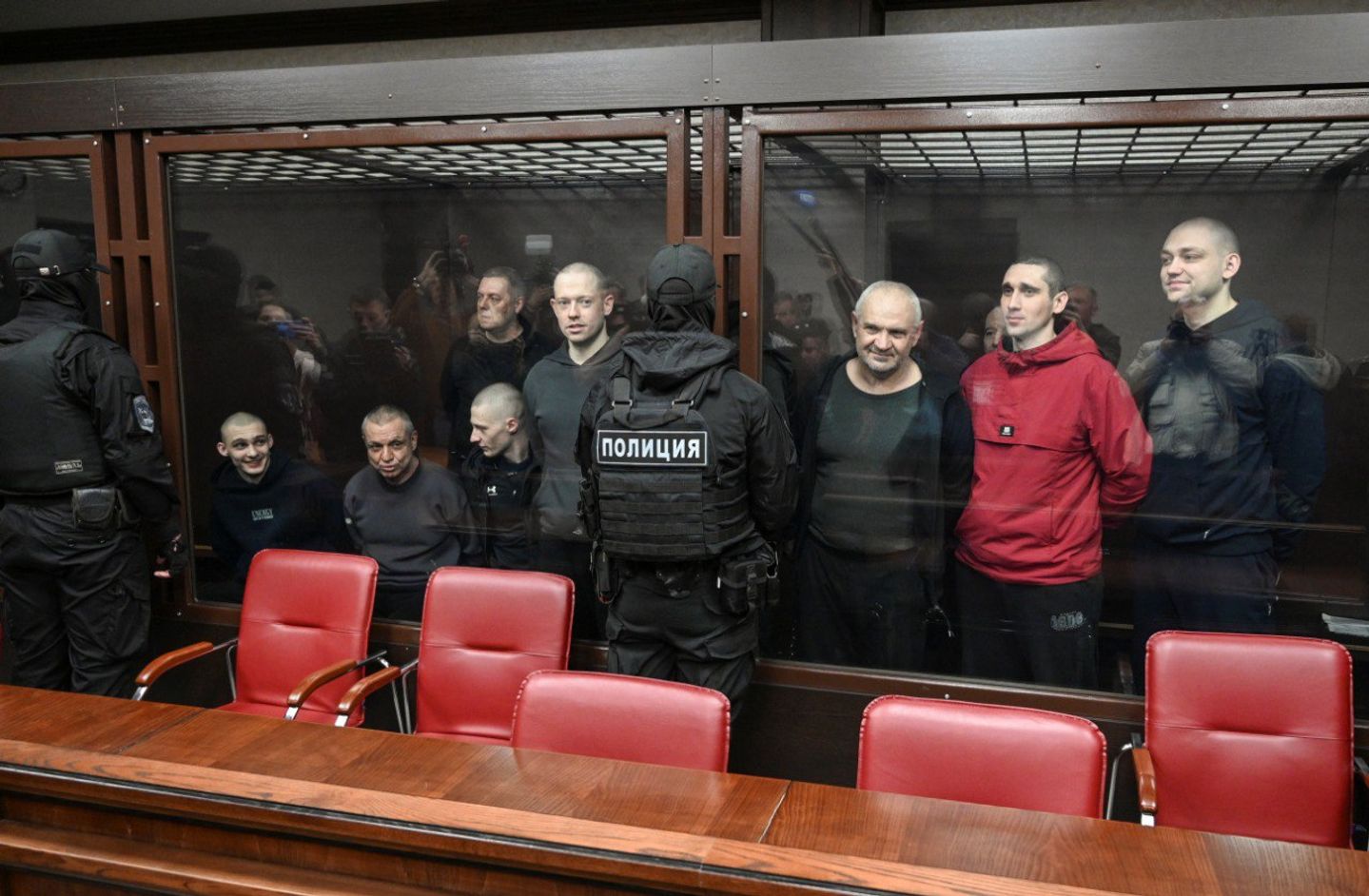
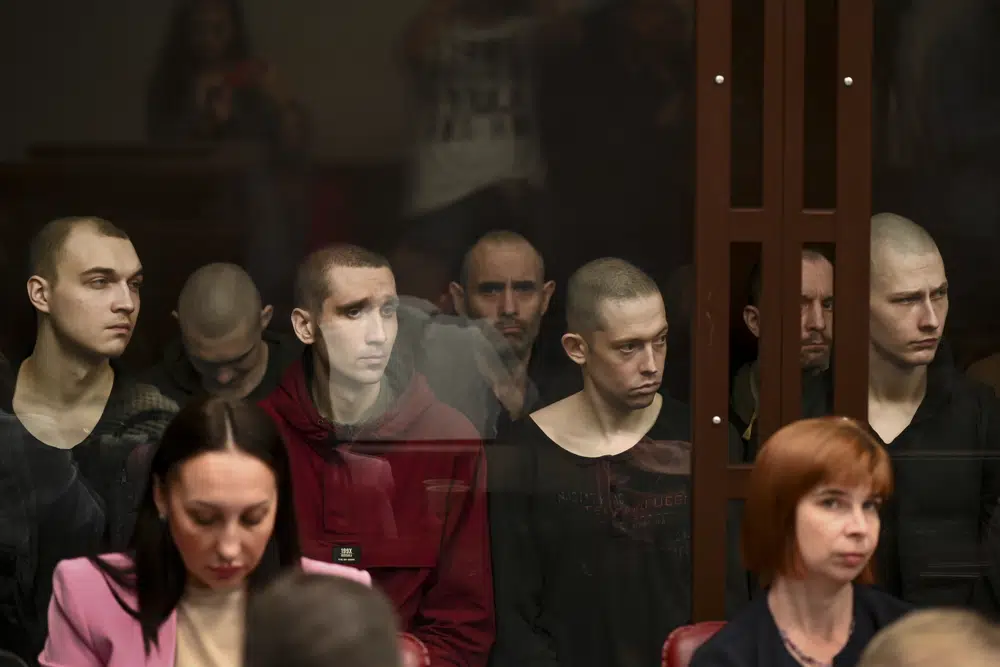
UN Commission: Russia’s unlawful trials of Ukrainians constitute war crimes
Fabricated evidence, unfair trials, testimonies extracted under torture, and other serious violations have been documented by the UN Independent International Commission of Inquiry on Ukraine. The Commission examined trials conducted by the Russian Federation in the context of its full-scale invasion of Ukraine and concluded that Russian courts have violated international humanitarian law, which constitutes a war crime.
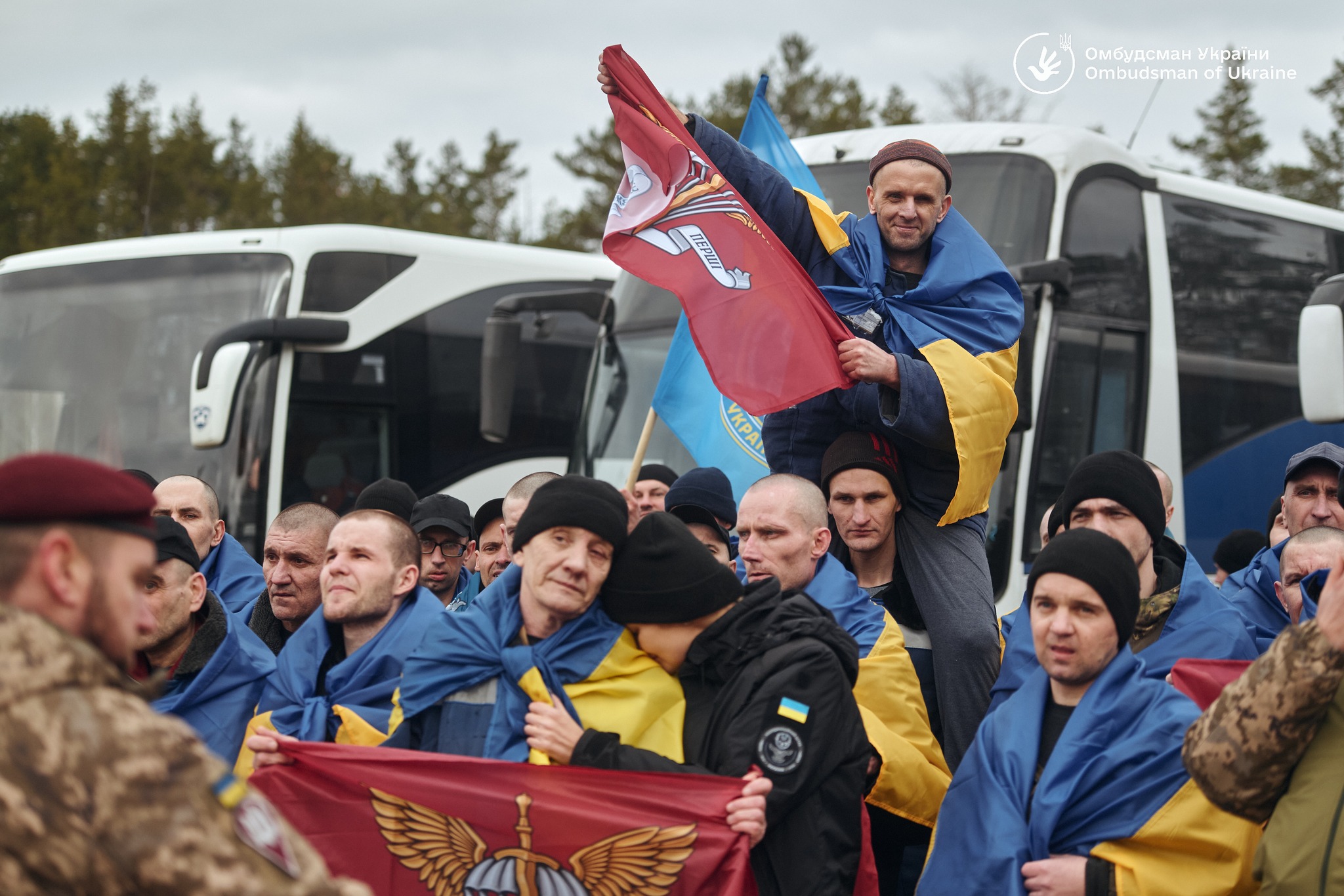
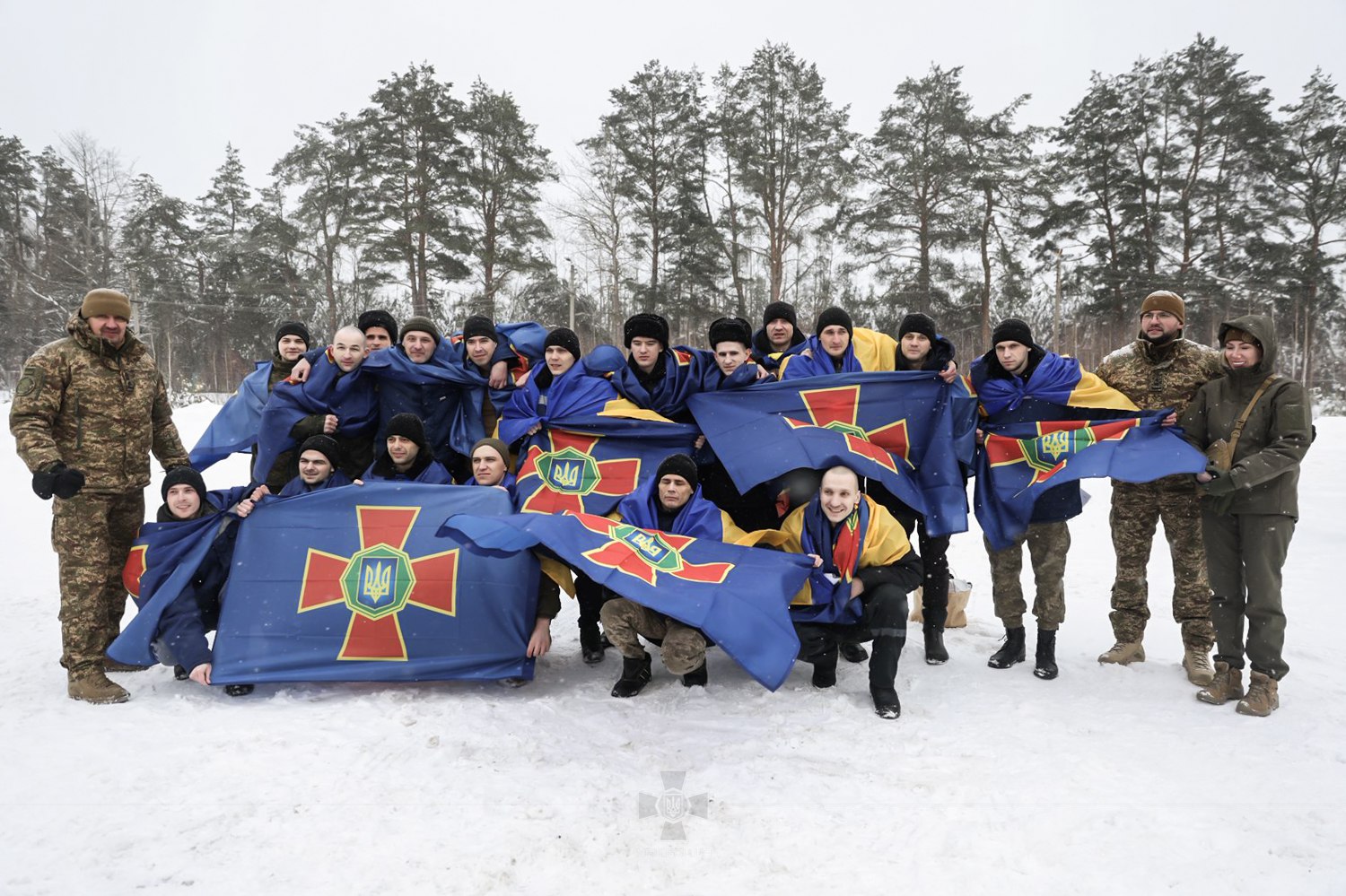
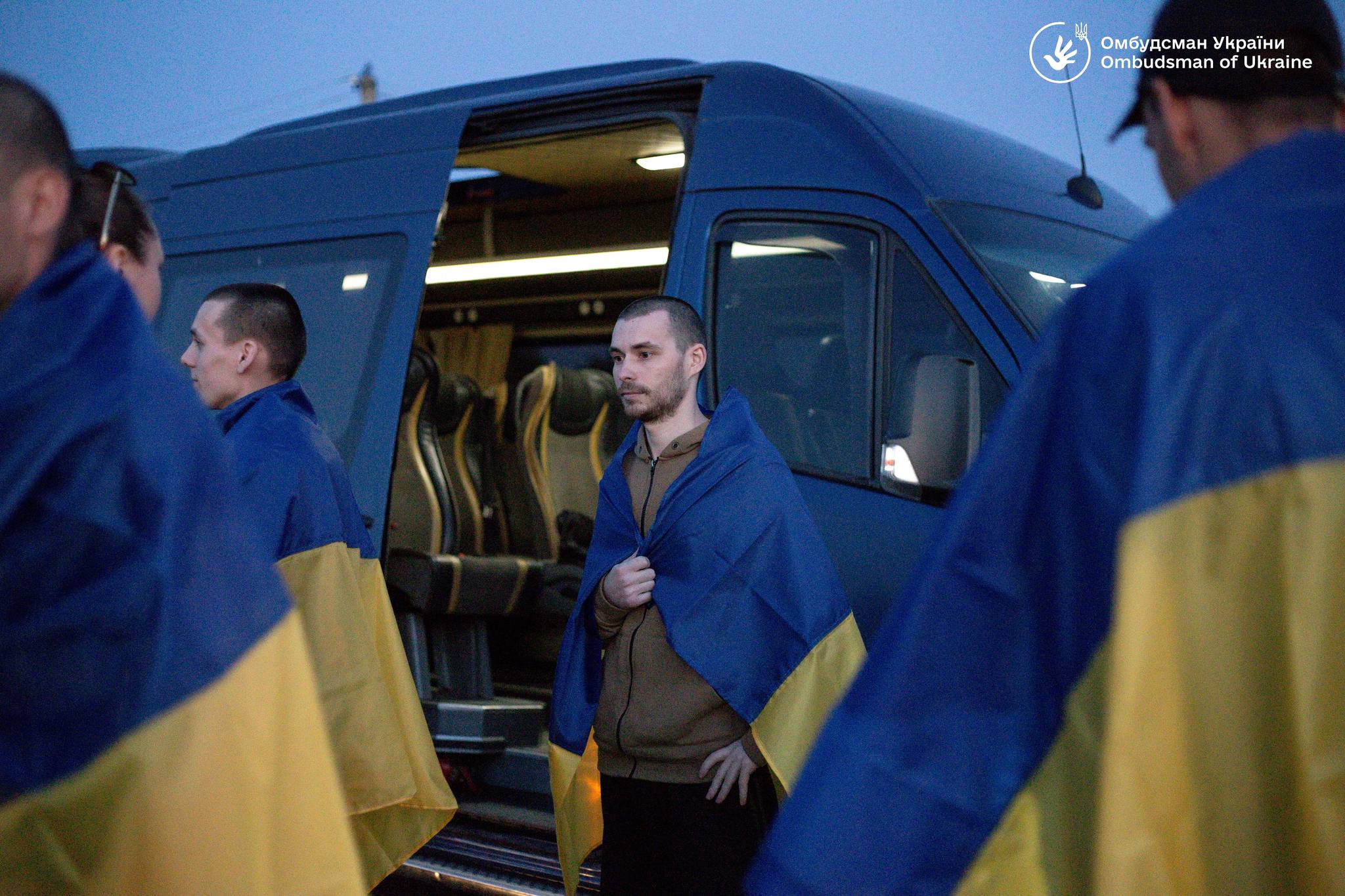
POW exchange: 500 servicemen and two civilians returned to Ukraine under agreements reached in Geneva
On 5-6 March 2026, a two-day exchange of prisoners of war took place between Ukraine and Russia. On the first day, 200 military personnel returned to Ukraine, and on the second day, another 300. Separately, two civilians were also returned. The exchange was made possible by agreements reached in Geneva with the mediation of the United States.
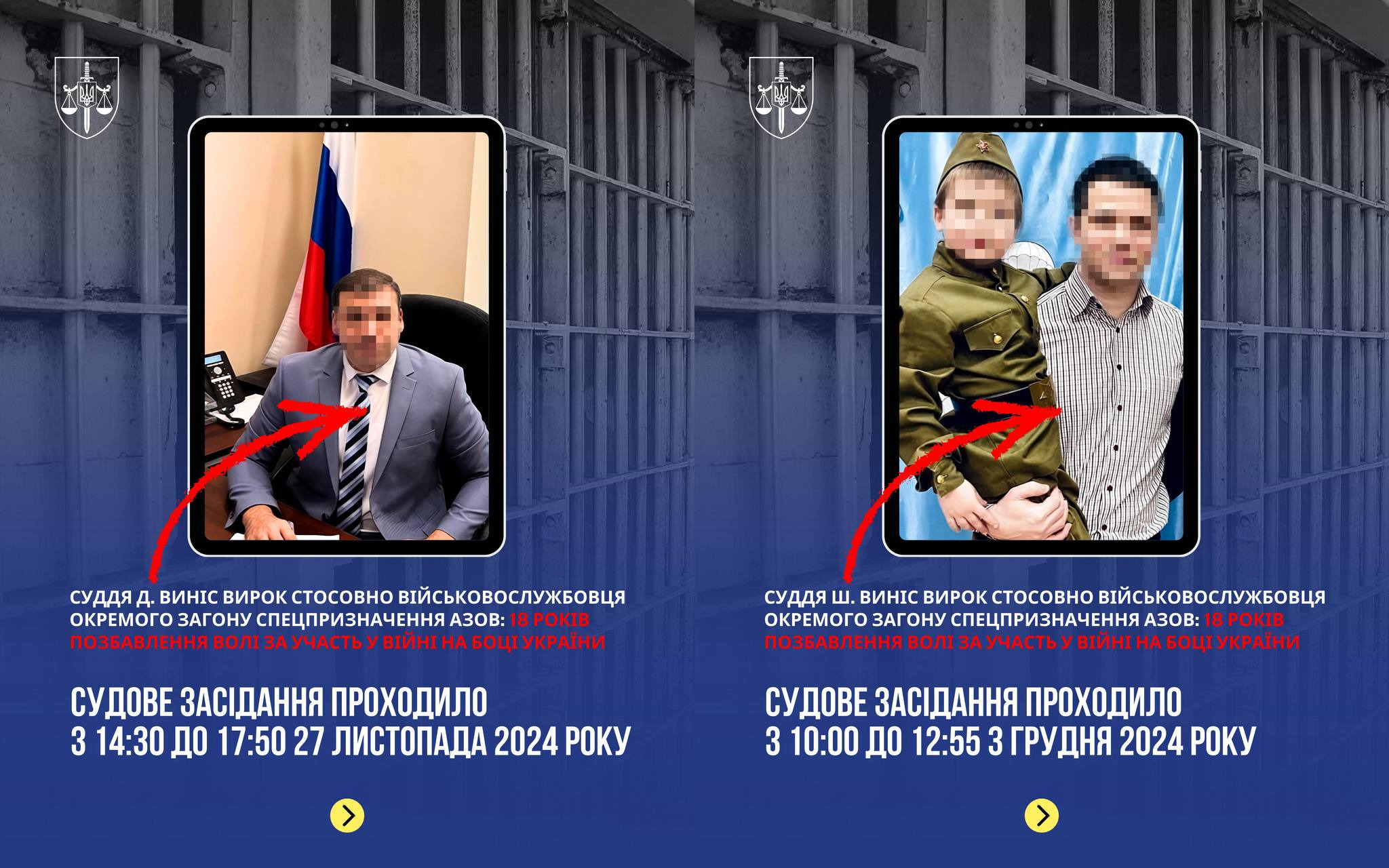
Illegal sentences for Azov POWs: two Russian judges were notified of suspicion of a war crime
The Office of the Prosecutor General has notified two judges of the Southern District Military Court of the Russian Federation that they are suspected of committing a war crime – violating the right of prisoners of war to a fair and proper trial (Part 1 of Article 438 of the Criminal Code of Ukraine).
questions & answers
You can make a difference
Have a question, a message, or something important to share?
Whether it’s information, a concern, or a word of support, we want to hear from you.
Every voice matters.