
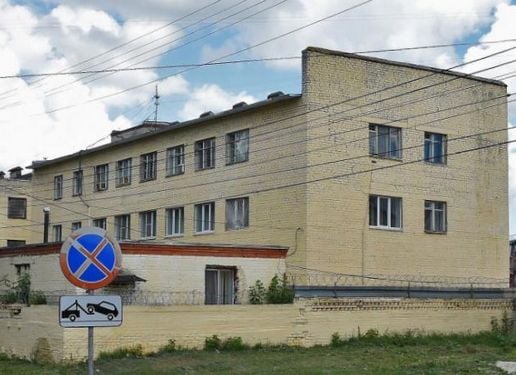
Kursk Pre-Trial Detention Centre No. 1
Kursk
Russia
Pre-Trial Detention Centre
Active
Since the beginning of Russia’s full-scale invasion of Ukraine, Kursk Pre-Trial Detention Centre No. 1 was one of the primary detention facilities for Ukrainian prisoners of war and civilians, both men and women. Prisoners were brought here from various locations, sometimes for just one day, others for several months.
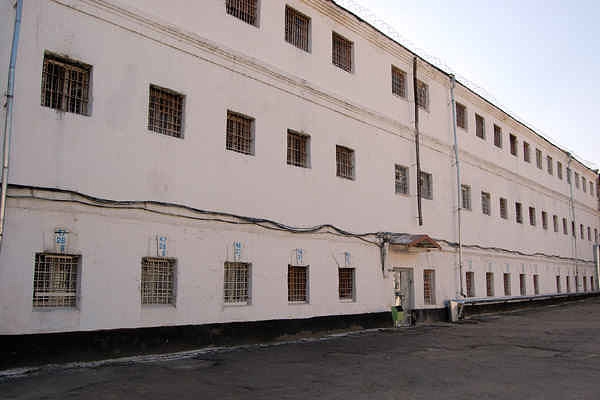
The detention centre consists of a complex of buildings – one old structure and three new ones with an official capacity to hold more than 900 prisoners. According to testimonies, cells often held 12 to 22 prisoners. One prisoner recalled a cell measuring 2.5 meters in width and 6 meters in length, where 12 men were kept in a space designed for six.
A female detainee described being held in a six-person cell with 11 women. Despite the overcrowding, she noted that compared to previous facilities, conditions here were somewhat better: the toilet was separated from the main room, the windows, though covered with plastic film that blocked visibility, could be opened independently.
POWs describe the “admission” procedure as the worst part of every Russian prison. Upon arrival at Kursk, prisoners were subjected to beatings. One former POW was brought in at 11:00 a.m., and by 3:00 p.m., an ambulance had to take him to intensive care after being brutally beaten, including a deliberate blow to his recently operated arm that re-fractured the bone.
Beatings during admissions were systematic. Prisoners were hit with batons, shocked with tasers, and humiliated. Guards intensified abuse following Russian military losses on the battlefield, taking out their anger on the detainees. Interrogations also often involved torture.
Medical care in Kursk was minimal and often delayed. Seriously wounded prisoners did not receive immediate attention. One Ukrainian soldier recounted that after being brought to the detention centre at the end of April 2022, his first bandage change was carried out only on the fifth day.
Subsequent care was superficial: bandages were removed, but the wounds were not cleaned or disinfected. No proper medical inspection followed – instead, guards re-wrapped the injuries. This often led to infections.
Another prisoner, who had previously undergone surgery for a severe injury to his left arm, was beaten during admission, including a direct strike to the operated area. This attack caused the arm to break again.
Eventually, some prisoners with more serious conditions were transferred to a local hospital, but only after significant delays.
“During every inspection, we could refer to a doctor. They said there, ‘Any questions for the medic?’. During the inspection, we stood stretched out in the so-called examination position. The young female medical professional, about 22–23 years old, was walking by and said she would pierce our feet or, ‘I would kill them with my own hands. I would cut them. I hate them.’ Although the medical staff changed frequently, no medical employee showed even a hint of humanity. Only pure hatred,” the former POW told the Center for Civil Society in an analytical report “Anatomy of Torture”.
“No matter how many times I made an appointment, it was all in vain, totally in vain. My hands continued to fester, worsening by the day. The situation was critical. All of my bedding was covered in purulence.”
Prisoners reported that guards often ate the food meant for them. Meals frequently consisted of diluted porridge, cabbage soup, or waterlogged mashed potatoes. When available, half a loaf of bread per person was the main source of nutrition.
Prisoners were allowed to shower only three times per month, with five minutes per person and no hygiene products, including for women. Soap and toilet paper were virtually unavailable. Asking for anything often resulted in beatings.
The day began at 6 a.m. with the Russian anthem, which prisoners were required to sing. They were given printed propaganda songs and poems about Russia to memorise.
Guards forced prisoners to memorise and recite information about Russian symbols and history. Books with pro-Russian themes were read aloud, and prisoners were not allowed to sit on beds during the day – only on benches or the floor.
Evening searches were routine. Once a week, a more invasive inspection was conducted, involving complete cell sweeps and occasional beatings. Outside walks were rare and often turned into beatings.
“The worst part of every detention centre is the admission. I was brought to Kursk at 11 a.m., and by 3 p.m., an ambulance had to take me to intensive care” – prisoner of war.
“Our cell was 2.5 meters wide and 6 meters long. There were 12 of us, even though the cell was designed for six. They welded extra beds so that everyone had a place to sleep. The cell was very damp, and the conditions were poor” – prisoners of war.
“They ate all our food themselves. We could hear the guards sitting outside our cell, smacking their lips, even eating the barley porridge. Then they would dilute the leftovers with cold water. Sometimes I had just 2–3 spoonfuls of porridge in my bowl, the rest was water. They’d give us cabbage broth and the same cabbage, maybe four spoonfuls if we were lucky. Dinner was potatoes and fish, but calling it ‘potatoes’ would be generous – it was mostly water, with a few chunks if we were lucky. Once the fish ran out, they started giving us canned fish. It looked like regular sardines in oil, but when half a can is split between eight people, you don’t get much to eat” – prisoners of war.
Overview
Since the beginning of Russia’s full-scale invasion of Ukraine, Kursk Pre-Trial Detention Centre No. 1 was one of the primary detention facilities for Ukrainian prisoners of war and civilians, both men and women. Prisoners were brought here from various locations, sometimes for just one day, others for several months.
The detention centre consists of a complex of buildings – one old structure and three new ones with an official capacity to hold more than 900 prisoners. According to testimonies, cells often held 12 to 22 prisoners. One prisoner recalled a cell measuring 2.5 meters in width and 6 meters in length, where 12 men were kept in a space designed for six.
A female detainee described being held in a six-person cell with 11 women. Despite the overcrowding, she noted that compared to previous facilities, conditions here were somewhat better: the toilet was separated from the main room, the windows, though covered with plastic film that blocked visibility, could be opened independently.
Torture & Abuse
POWs describe the “admission” procedure as the worst part of every Russian prison. Upon arrival at Kursk, prisoners were subjected to beatings. One former POW was brought in at 11:00 a.m., and by 3:00 p.m., an ambulance had to take him to intensive care after being brutally beaten, including a deliberate blow to his recently operated arm that re-fractured the bone.
Beatings during admissions were systematic. Prisoners were hit with batons, shocked with tasers, and humiliated. Guards intensified abuse following Russian military losses on the battlefield, taking out their anger on the detainees. Interrogations also often involved torture.
Medical Care
Medical care in Kursk was minimal and often delayed. Seriously wounded prisoners did not receive immediate attention. One Ukrainian soldier recounted that after being brought to the detention centre at the end of April 2022, his first bandage change was carried out only on the fifth day.
Subsequent care was superficial: bandages were removed, but the wounds were not cleaned or disinfected. No proper medical inspection followed – instead, guards re-wrapped the injuries. This often led to infections.
Another prisoner, who had previously undergone surgery for a severe injury to his left arm, was beaten during admission, including a direct strike to the operated area. This attack caused the arm to break again.
Eventually, some prisoners with more serious conditions were transferred to a local hospital, but only after significant delays.
“During every inspection, we could refer to a doctor. They said there, ‘Any questions for the medic?’. During the inspection, we stood stretched out in the so-called examination position. The young female medical professional, about 22–23 years old, was walking by and said she would pierce our feet or, ‘I would kill them with my own hands. I would cut them. I hate them.’ Although the medical staff changed frequently, no medical employee showed even a hint of humanity. Only pure hatred,” the former POW told the Center for Civil Society in an analytical report “Anatomy of Torture”.
“No matter how many times I made an appointment, it was all in vain, totally in vain. My hands continued to fester, worsening by the day. The situation was critical. All of my bedding was covered in purulence.”
Food & Sanitation
Prisoners reported that guards often ate the food meant for them. Meals frequently consisted of diluted porridge, cabbage soup, or waterlogged mashed potatoes. When available, half a loaf of bread per person was the main source of nutrition.
Prisoners were allowed to shower only three times per month, with five minutes per person and no hygiene products, including for women. Soap and toilet paper were virtually unavailable. Asking for anything often resulted in beatings.
Psychological Pressure
The day began at 6 a.m. with the Russian anthem, which prisoners were required to sing. They were given printed propaganda songs and poems about Russia to memorise.
Guards forced prisoners to memorise and recite information about Russian symbols and history. Books with pro-Russian themes were read aloud, and prisoners were not allowed to sit on beds during the day – only on benches or the floor.
Evening searches were routine. Once a week, a more invasive inspection was conducted, involving complete cell sweeps and occasional beatings. Outside walks were rare and often turned into beatings.
Testimonies & Reports
“The worst part of every detention centre is the admission. I was brought to Kursk at 11 a.m., and by 3 p.m., an ambulance had to take me to intensive care” – prisoner of war.
“Our cell was 2.5 meters wide and 6 meters long. There were 12 of us, even though the cell was designed for six. They welded extra beds so that everyone had a place to sleep. The cell was very damp, and the conditions were poor” – prisoners of war.
“They ate all our food themselves. We could hear the guards sitting outside our cell, smacking their lips, even eating the barley porridge. Then they would dilute the leftovers with cold water. Sometimes I had just 2–3 spoonfuls of porridge in my bowl, the rest was water. They’d give us cabbage broth and the same cabbage, maybe four spoonfuls if we were lucky. Dinner was potatoes and fish, but calling it ‘potatoes’ would be generous – it was mostly water, with a few chunks if we were lucky. Once the fish ran out, they started giving us canned fish. It looked like regular sardines in oil, but when half a can is split between eight people, you don’t get much to eat” – prisoners of war.
News
see more
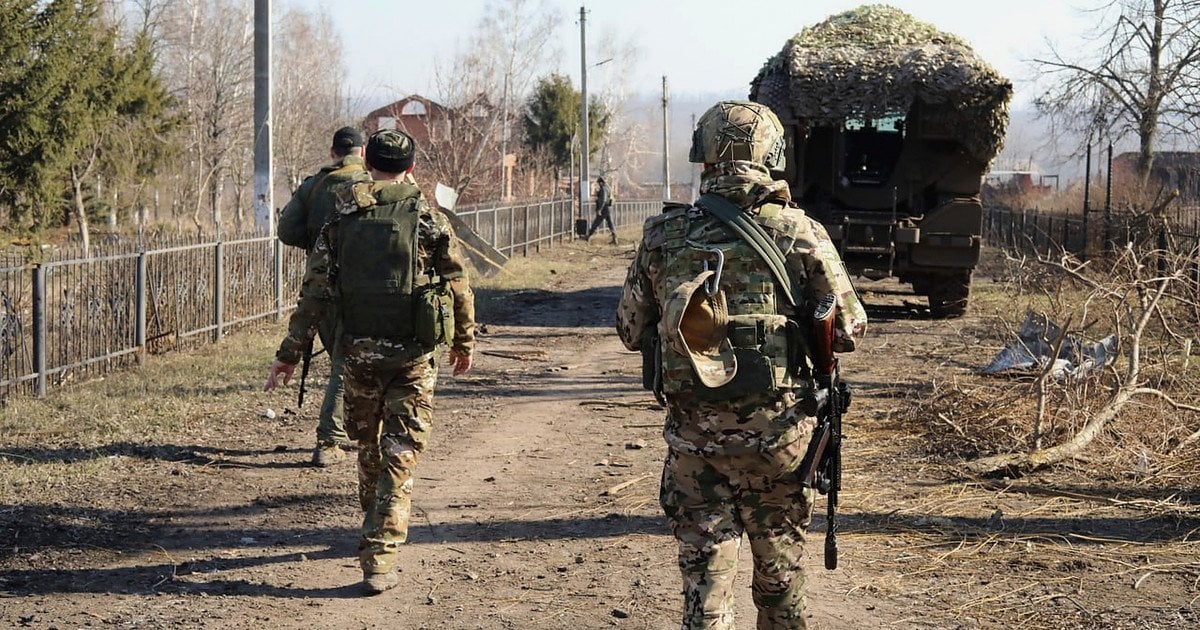
Ukraine brings home 270 Ukrainians from Russian captivity, including 35 Azov POWs
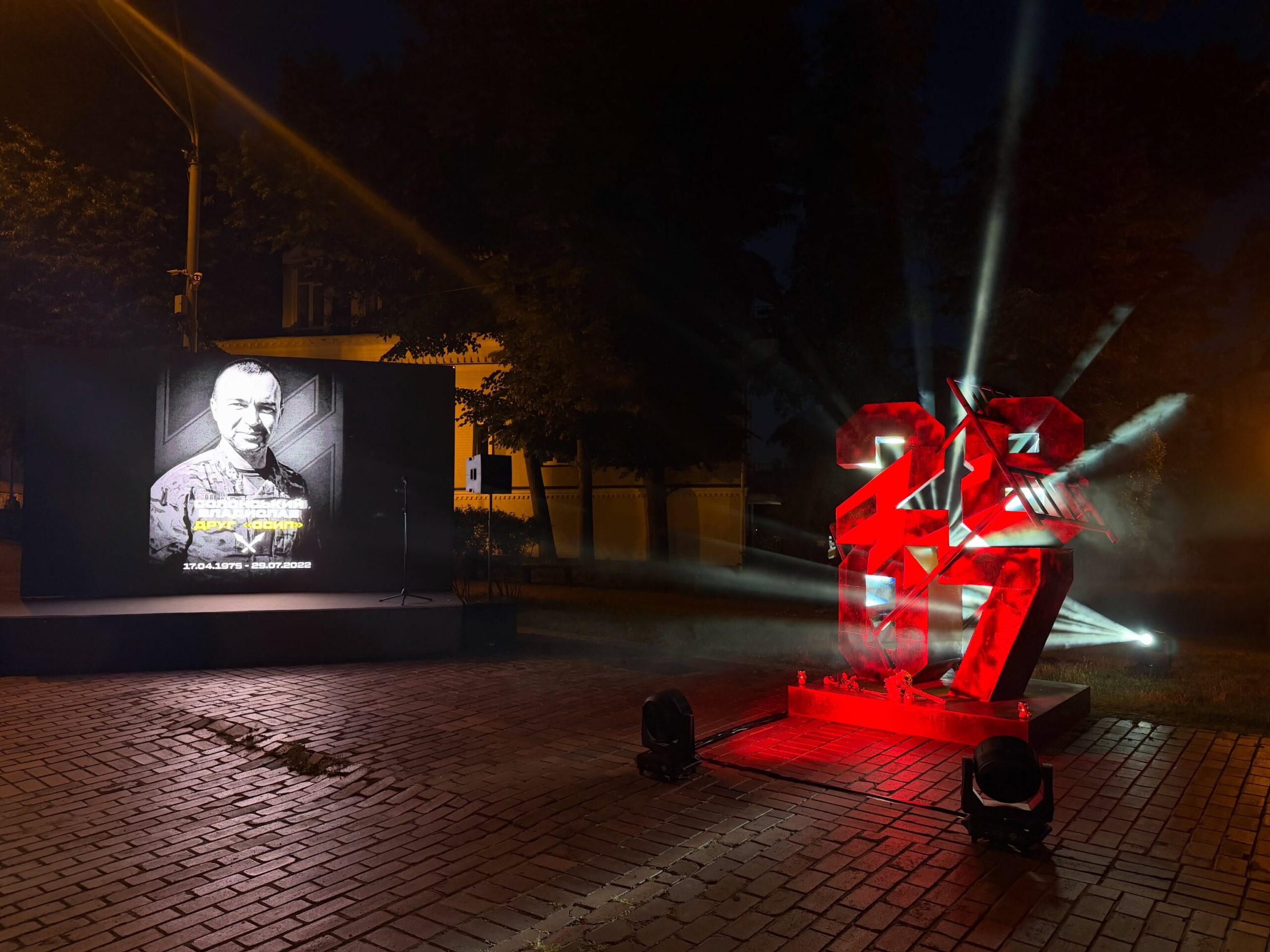
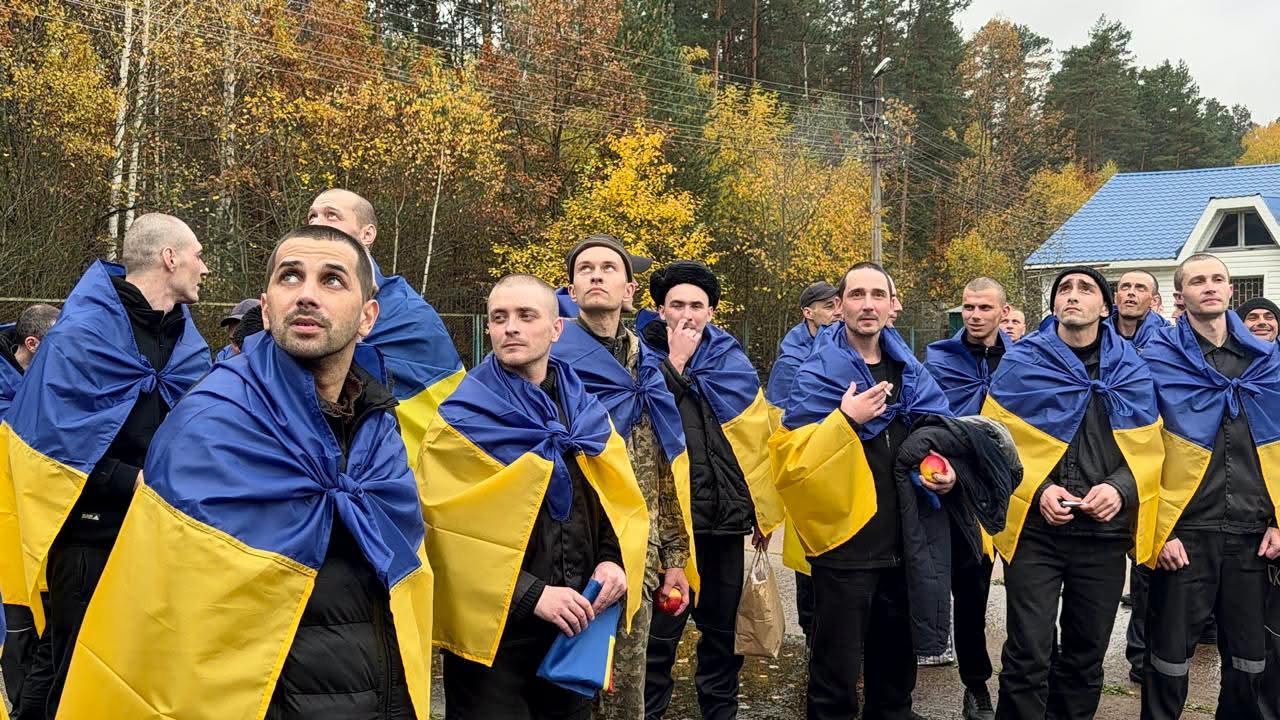
On 23 October, 270 Ukrainians were returned from Russian captivity: 261 servicemen and 9 civilians. Those released include members of the Navy, Land Forces, Air Assault Forces, State Special Transport Service, Territorial Defence Forces, Special Operations Forces and Military Law Enforcement Service, as well as the National Guard, the State Border Guard Service and a rescuer from the State Emergency Service.
ICRC confirms it has had no access to Ukrainian POWs for two years
Russia has denied the International Committee of the Red Cross (ICRC) access to Ukrainian prisoners of war held in Russian detention since 2024. “We can confirm the lack of access to POWs in Russia since 2024,” an ICRC spokesperson told Reuters on September 18.
Citizens of 51 Countries Held as Prisoners of War in Ukraine
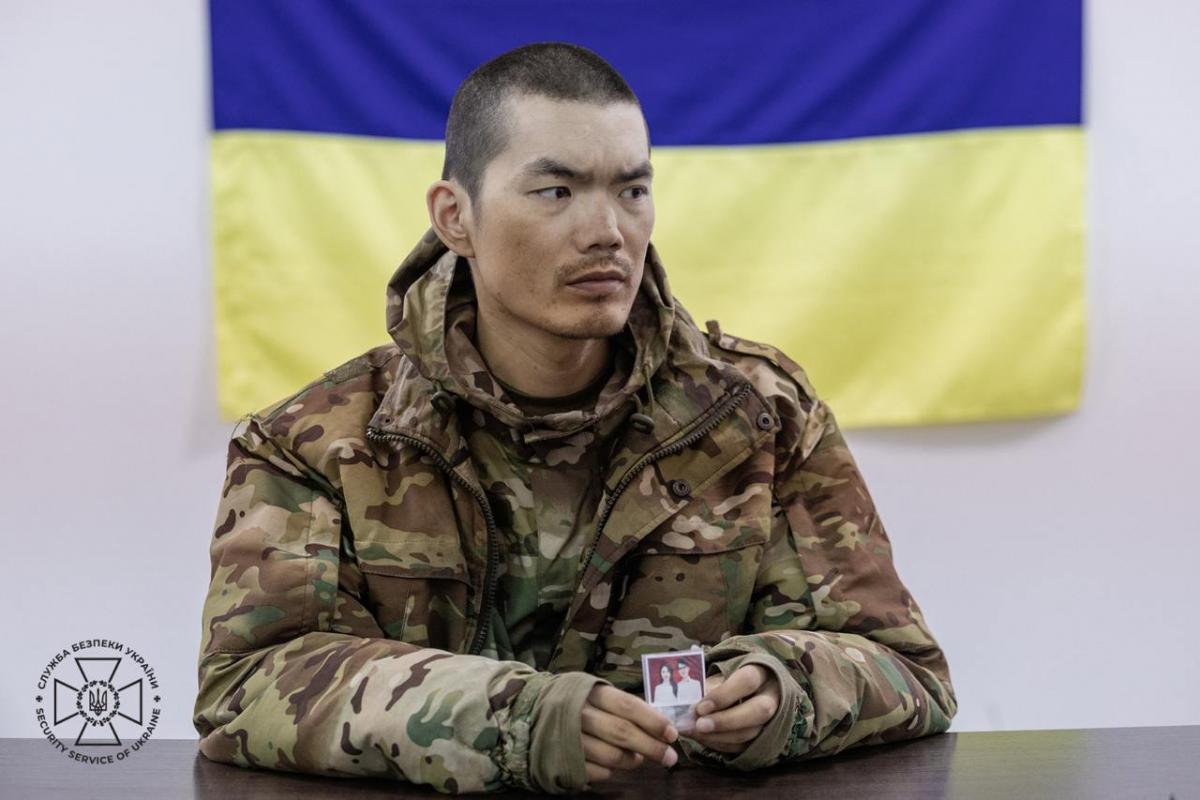
Ukraine’s Coordination Headquarters for the Treatment of Prisoners of War and the Ministry of Foreign Affairs of Ukraine have announced the launch of StopRussianRecruiters.org, an information platform documenting and exposing Russia’s deceptive recruitment of foreign nationals into its armed forces. The project also provides information about foreign prisoners of war held in Ukraine and calls on the governments of their respective countries to take diplomatic action to secure their return.
questions & answers
You can make a difference
Have a question, a message, or something important to share?
Whether it’s information, a concern, or a word of support, we want to hear from you.
Every voice matters.