
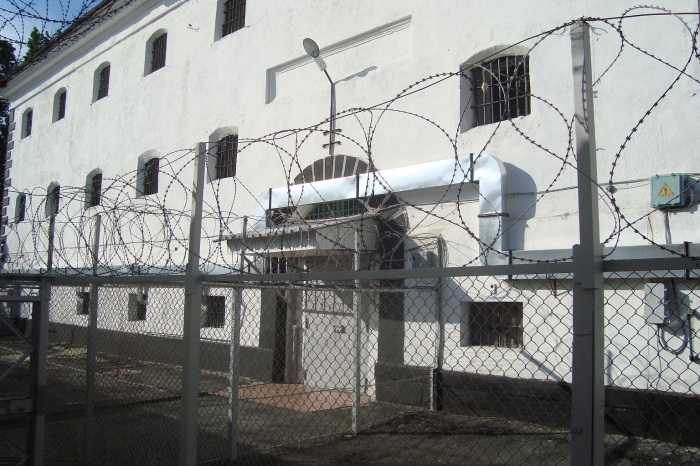
Kamyshyn Pre-Trial Detention Centre No. 2
Volgograd Oblast, Kamyshyn
Russia
Pre-Trial Detention Centre
Active
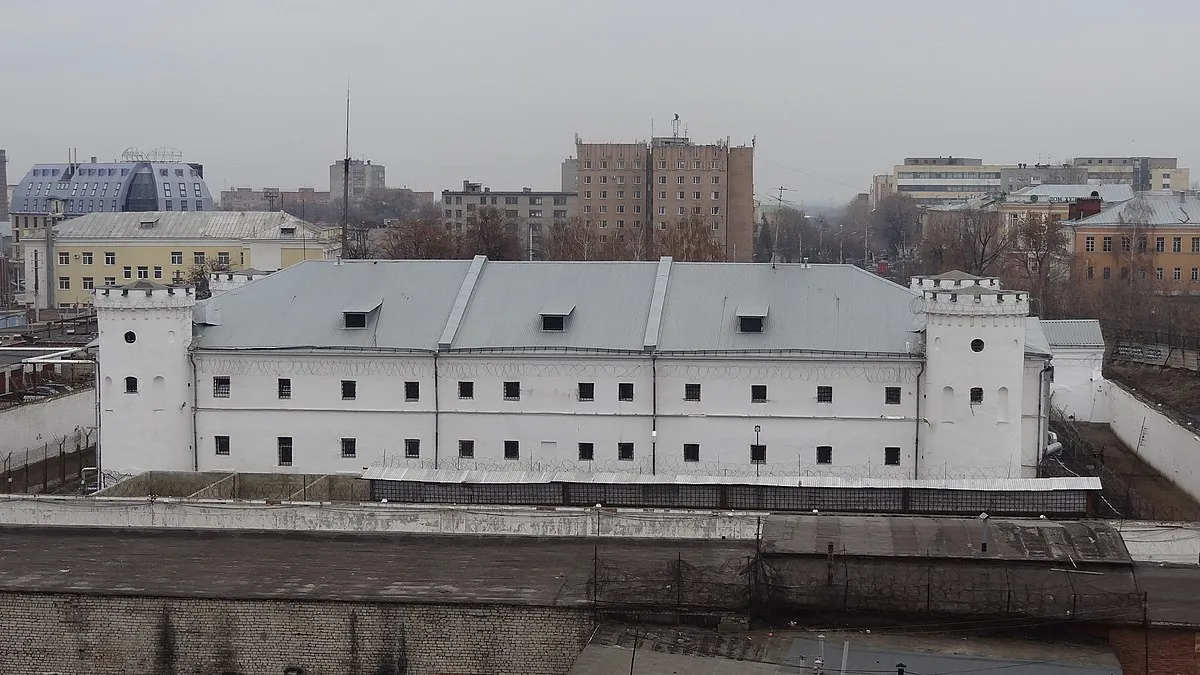
Kamyshyn Pre-trial Detention Centre No. 2 is located in Kamyshyn, Volgograd region. Since 2022, it has been used by Russian authorities to detain Ukrainian prisoners of war, including members of the Azov Brigade and Ukrainian Marines. Prisoners are being kept in overcrowded cells designed for 2-8 people, often under constant surveillance and harsh control. Even simple actions, like standing up while someone else is using the toilet, are prohibited.
Torture in Kamyshyn is constant, extreme, and deliberately dehumanising. Electroshock torture is common. Interrogators use Soviet field phones (“tapik”) connected to prisoners’ body parts or genitals. POWs described screaming in pain while being forced to shout, “We are happy! We are happy!” under electrical torture.
Strangulation with Esmarch tourniquets is routine. Prisoners describe gasping, convulsing, and losing consciousness, with bruises covering the neck. POWs report being assaulted immediately upon arrival, sometimes for 12 hours nonstop. Beatings are conducted with fists, batons, and hammers. POWs have spoken about cases where guards unleashed dogs on them. Sexualised torture includes threats and simulated actions, e.g. inserting devices into the anus or threatening to inject construction foam.
Tattoos with Ukrainian symbols, religious images, or Azov insignia were primarily targeted. POWs were forced to scrub off tattoos with stones. The Ukrainian trident was labelled a “fascist symbol.”
Forced confessions were extracted through repeated torture cycles. Victims were ordered to “make up” crimes, such as civilian killings, and name their commanders. Those who resisted were tortured more severely.
Kamyshin Pre-Trial Detention Center No. 2 is the last place of detention of Azov’s medical service commander Oleksandr Krokhmaliuk. In September 2025, Krokhmaliuk’s body was returned to Ukraine as part of another stage of the “1000 for 1000” repatriation. The forensic medical examination established the cause of death: rib fractures and blunt chest trauma.
“This is another verdict against the system of international humanitarian law, which is unable to protect the health and lives of Ukrainian prisoners of war in Russian captivity. The open and contemptuous violation of the Geneva Convention, the torture and killing of Ukrainian prisoners of war, is a deliberate, barbaric state policy of the Russians. It is systematic and documented, yet unpunished,” emphasized Azov’s deputy commander Sviatoslav “Kalyna” Palamar.
Medical care serves as a cover for additional abuse. A supposed “doctor” would strike prisoners with a stun gun while asking who needed help. Prisoners were assaulted during procedures, for instance, being electroshocked while receiving bandages. Fear of further torture discouraged POWs from requesting medical assistance.
Injuries were deliberately inflicted in ways that would not leave visible bruises, often targeting pre-existing wounds.
Food is weaponised as a method of control. Meals are restricted to a few minutes. Prisoners must eat, wash, and return dishes within this time, or face beatings. In some cases, POWs were fed once a day for a week or went without food for several days. Hygiene conditions are not described in detail, but the overall punitive system suggests extremely poor sanitary standards. There is information about a tuberculosis epidemic in the pre-trial detention centre.
The facility employs constant psychological abuse. Sleep deprivation is used as punishment. POWs were ordered to squat or stand all night under surveillance. Communication between prisoners is prohibited. One POW described being kept in an unheated isolation cell for 1.5 months.
Prisoners are repeatedly told they won’t leave the facility alive unless they sign confessions. Mock polygraphs using torture devices were used to disorient and force compliance.
“Every day, they called for us to be subjected to different forms of torture. For a week, they barely let me sleep. They kept forcing me to do squats and push-ups. The lights in the cell were always on. There was a peephole in the door, and they constantly watched, making you squat or stand through the night” – Serhii Taraniuk, Ukrainian Marine and amphibious company commander.
“In Kamyshyn, they used Esmarch tourniquets for strangulation. There were cases where people were gasping, convulsing, and losing consciousness, on the brink of death. Their necks were covered in bruises. During interrogations, a “tapik” (Soviet field phone) was used. When they turned it on, it felt like every bone in your body was breaking and every muscle was tearing. During one of those interrogations, I slammed my head against the floor just to try and drown out the pain. The capillaries in my eyes burst – there was blood everywhere. Everyone went through it” – Artem Dubyna, Azov press officer.
“When you enter the room, they immediately throw you down onto the concrete floor and start beating you. I had never been beaten that badly before. They used everything – feet, fists, stun guns, rubber batons, wooden mallets, dogs. To give you an idea of how long it lasted: we were brought there at 12:00 a.m. on the night of October 3, and I finally got to my cell at noon on October 3” – Vladyslav Striukov, Ukrainian Marine.
“There was a man in a hospital gown — he looked like a medic. He said he was a doctor. He ran among the people being beaten, asking if anyone felt unwell. When someone asked for help or fainted, this ‘doctor’ would run up to them, shout, ‘Oh, now I’ll cure you!’ — and shock them with a stun gun” – Vladyslav Striukov.
Overview
Kamyshyn Pre-trial Detention Centre No. 2 is located in Kamyshyn, Volgograd region. Since 2022, it has been used by Russian authorities to detain Ukrainian prisoners of war, including members of the Azov Brigade and Ukrainian Marines. Prisoners are being kept in overcrowded cells designed for 2-8 people, often under constant surveillance and harsh control. Even simple actions, like standing up while someone else is using the toilet, are prohibited.
Torture & Abuse
Torture in Kamyshyn is constant, extreme, and deliberately dehumanising. Electroshock torture is common. Interrogators use Soviet field phones (“tapik”) connected to prisoners’ body parts or genitals. POWs described screaming in pain while being forced to shout, “We are happy! We are happy!” under electrical torture.
Strangulation with Esmarch tourniquets is routine. Prisoners describe gasping, convulsing, and losing consciousness, with bruises covering the neck. POWs report being assaulted immediately upon arrival, sometimes for 12 hours nonstop. Beatings are conducted with fists, batons, and hammers. POWs have spoken about cases where guards unleashed dogs on them. Sexualised torture includes threats and simulated actions, e.g. inserting devices into the anus or threatening to inject construction foam.
Tattoos with Ukrainian symbols, religious images, or Azov insignia were primarily targeted. POWs were forced to scrub off tattoos with stones. The Ukrainian trident was labelled a “fascist symbol.”
Forced confessions were extracted through repeated torture cycles. Victims were ordered to “make up” crimes, such as civilian killings, and name their commanders. Those who resisted were tortured more severely.
Kamyshin Pre-Trial Detention Center No. 2 is the last place of detention of Azov’s medical service commander Oleksandr Krokhmaliuk. In September 2025, Krokhmaliuk’s body was returned to Ukraine as part of another stage of the “1000 for 1000” repatriation. The forensic medical examination established the cause of death: rib fractures and blunt chest trauma.
“This is another verdict against the system of international humanitarian law, which is unable to protect the health and lives of Ukrainian prisoners of war in Russian captivity. The open and contemptuous violation of the Geneva Convention, the torture and killing of Ukrainian prisoners of war, is a deliberate, barbaric state policy of the Russians. It is systematic and documented, yet unpunished,” emphasized Azov’s deputy commander Sviatoslav “Kalyna” Palamar.
Medical Care
Medical care serves as a cover for additional abuse. A supposed “doctor” would strike prisoners with a stun gun while asking who needed help. Prisoners were assaulted during procedures, for instance, being electroshocked while receiving bandages. Fear of further torture discouraged POWs from requesting medical assistance.
Injuries were deliberately inflicted in ways that would not leave visible bruises, often targeting pre-existing wounds.
Food & Sanitation
Food is weaponised as a method of control. Meals are restricted to a few minutes. Prisoners must eat, wash, and return dishes within this time, or face beatings. In some cases, POWs were fed once a day for a week or went without food for several days. Hygiene conditions are not described in detail, but the overall punitive system suggests extremely poor sanitary standards. There is information about a tuberculosis epidemic in the pre-trial detention centre.
Psychological Pressure
The facility employs constant psychological abuse. Sleep deprivation is used as punishment. POWs were ordered to squat or stand all night under surveillance. Communication between prisoners is prohibited. One POW described being kept in an unheated isolation cell for 1.5 months.
Prisoners are repeatedly told they won’t leave the facility alive unless they sign confessions. Mock polygraphs using torture devices were used to disorient and force compliance.
Testimonies & Reports
“Every day, they called for us to be subjected to different forms of torture. For a week, they barely let me sleep. They kept forcing me to do squats and push-ups. The lights in the cell were always on. There was a peephole in the door, and they constantly watched, making you squat or stand through the night” – Serhii Taraniuk, Ukrainian Marine and amphibious company commander.
“In Kamyshyn, they used Esmarch tourniquets for strangulation. There were cases where people were gasping, convulsing, and losing consciousness, on the brink of death. Their necks were covered in bruises. During interrogations, a “tapik” (Soviet field phone) was used. When they turned it on, it felt like every bone in your body was breaking and every muscle was tearing. During one of those interrogations, I slammed my head against the floor just to try and drown out the pain. The capillaries in my eyes burst – there was blood everywhere. Everyone went through it” – Artem Dubyna, Azov press officer.
“When you enter the room, they immediately throw you down onto the concrete floor and start beating you. I had never been beaten that badly before. They used everything – feet, fists, stun guns, rubber batons, wooden mallets, dogs. To give you an idea of how long it lasted: we were brought there at 12:00 a.m. on the night of October 3, and I finally got to my cell at noon on October 3” – Vladyslav Striukov, Ukrainian Marine.
“There was a man in a hospital gown — he looked like a medic. He said he was a doctor. He ran among the people being beaten, asking if anyone felt unwell. When someone asked for help or fainted, this ‘doctor’ would run up to them, shout, ‘Oh, now I’ll cure you!’ — and shock them with a stun gun” – Vladyslav Striukov.
News
see more
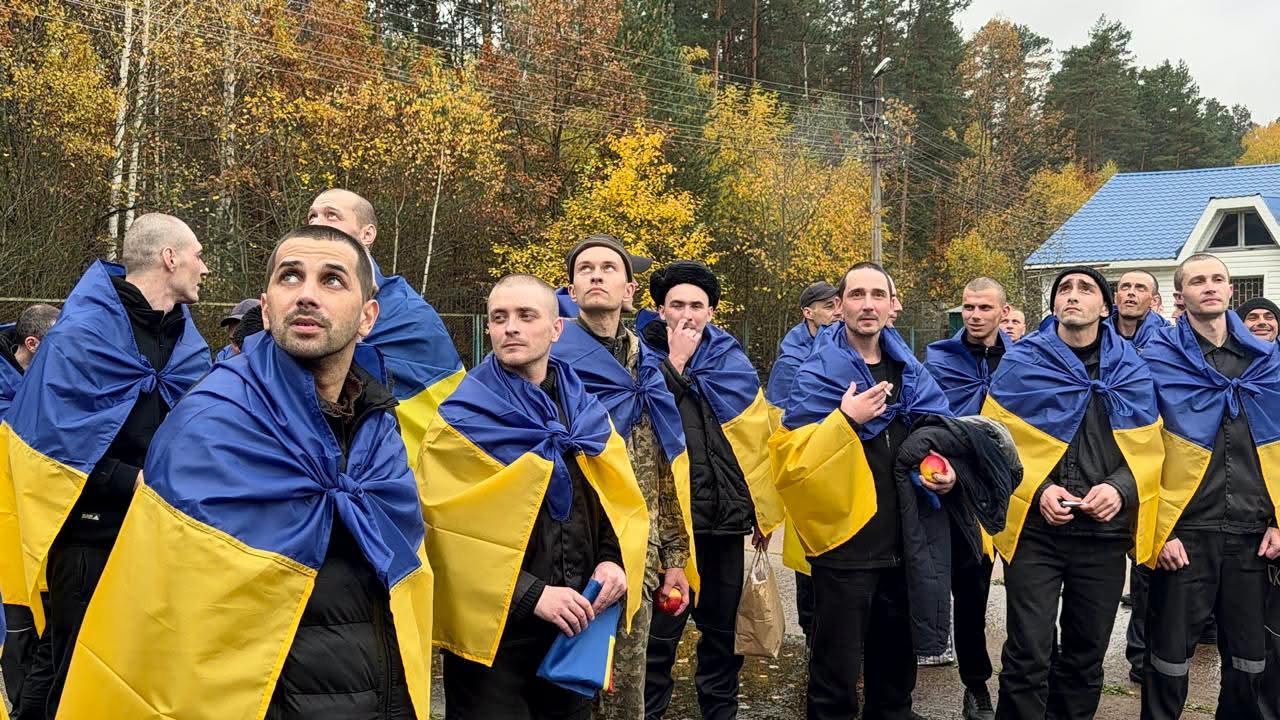
Ukraine brings home 270 Ukrainians from Russian captivity, including 35 Azov POWs
On 23 October, 270 Ukrainians were returned from Russian captivity: 261 servicemen and 9 civilians. Those released include members of the Navy, Land Forces, Air Assault Forces, State Special Transport Service, Territorial Defence Forces, Special Operations Forces and Military Law Enforcement Service, as well as the National Guard, the State Border Guard Service and a rescuer from the State Emergency Service.
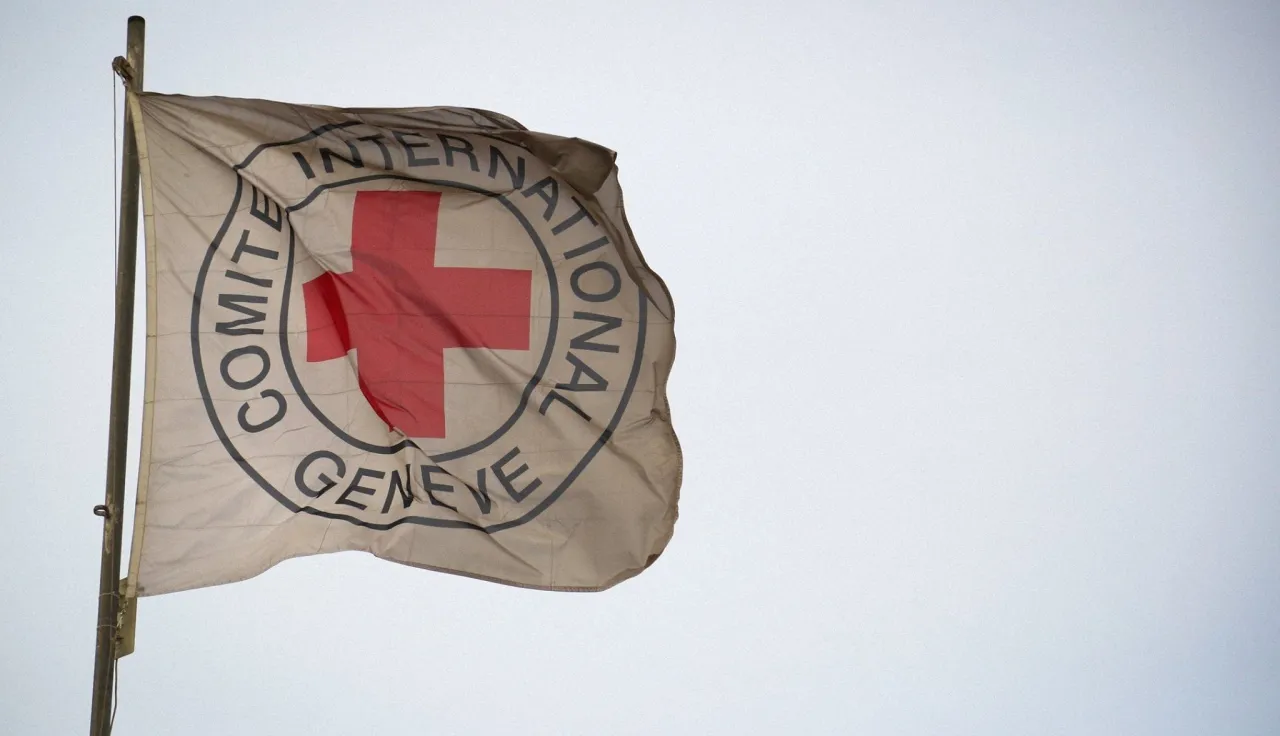
ICRC confirms it has had no access to Ukrainian POWs for two years
Russia has denied the International Committee of the Red Cross (ICRC) access to Ukrainian prisoners of war held in Russian detention since 2024. “We can confirm the lack of access to POWs in Russia since 2024,” an ICRC spokesperson told Reuters on September 18.
Citizens of 51 Countries Held as Prisoners of War in Ukraine
Ukraine’s Coordination Headquarters for the Treatment of Prisoners of War and the Ministry of Foreign Affairs of Ukraine have announced the launch of StopRussianRecruiters.org, an information platform documenting and exposing Russia’s deceptive recruitment of foreign nationals into its armed forces. The project also provides information about foreign prisoners of war held in Ukraine and calls on the governments of their respective countries to take diplomatic action to secure their return.
questions & answers
You can make a difference
Have a question, a message, or something important to share?
Whether it’s information, a concern, or a word of support, we want to hear from you.
Every voice matters.