
“Honorable Captivity” of Azov: Civic Evidence Publishes Report on the Fate of Azov Fighters in Russian Captivity
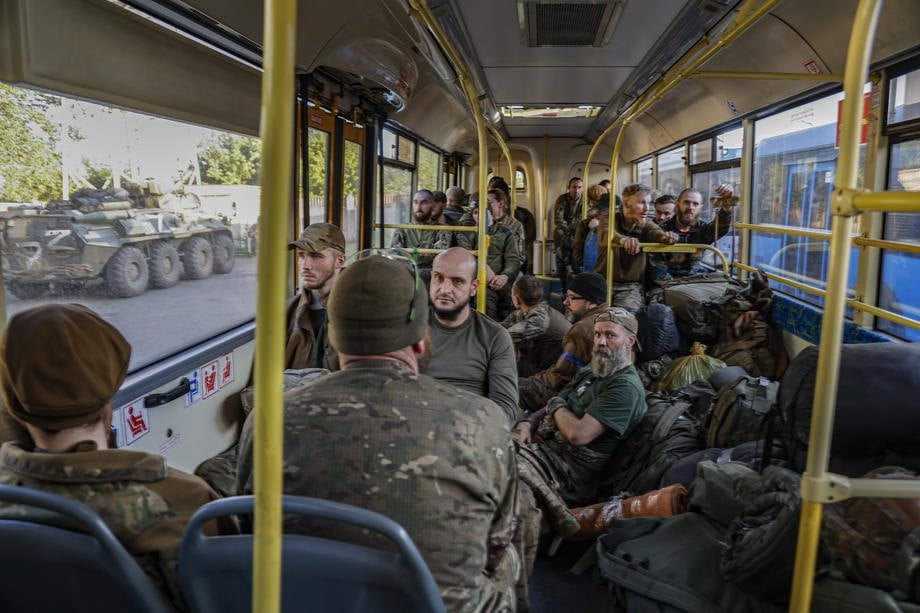
The independent initiative Civic Evidence has released a comprehensive report titled “‘Honorable Captivity’ of Azov: The System of Propaganda, Violence, and Criminal Prosecution of Servicemembers of the National Guard of Ukraine in the Russian Federation.” The report details the fate of the «Azov» service members in Russian captivity, illustrating how propaganda narratives, systemic violence, and the Russian judicial system cooperate to construct a negative image of the fighters and justify their heinous mistreatment.
From “Honorable Captivity” to Torture
The «Azov» Regiment, established in 2014, played a pivotal role in the defense of Mariupol during the initial phase of the full-scale Russian invasion of Ukraine in 2022. The defense of the city and the Azovstal steel plant, which endured for nearly three months under complete siege, turned «Azov» into a global symbol of Ukrainian resistance.
The standoff concluded in May 2022, when the Mariupol garrison executed an order from the highest political and military command to save lives. The surrender and transition into captivity were facilitated with the involvement of the International Committee of the Red Cross (ICRC) and the United Nations. Publicly, this process was framed as a transition into “honorable captivity,” which implied subsequent prisoner exchanges. However, the actual fate of the defenders proved to be far more severe.
“In the context of Russian captivity, Azov servicemembers became the most vulnerable group. A significant portion of the prisoners was sent to a colony in Olenivka, where, according to numerous testimonies, they were held in harsh conditions: lack of food and water, unsanitary conditions, absence of medical care, as well as systematic beatings and torture,” the report states.
Olenivka, Taganrog, and the Systemic Nature of Violence
The methods of coercive influence also included the deployment of physical and psychological pressure to extract forced confessions:
“Violence was also used during interrogations, where methods of physical and psychological coercion were employed to obtain ‘confessions’ to crimes.”
These findings align with numerous testimonies from former prisoners of war (POWs): severe beatings, electric shocks, prolonged abuse, humiliation, and denial of medical assistance are all substantiated by independent sources and accounts of torture survivors.
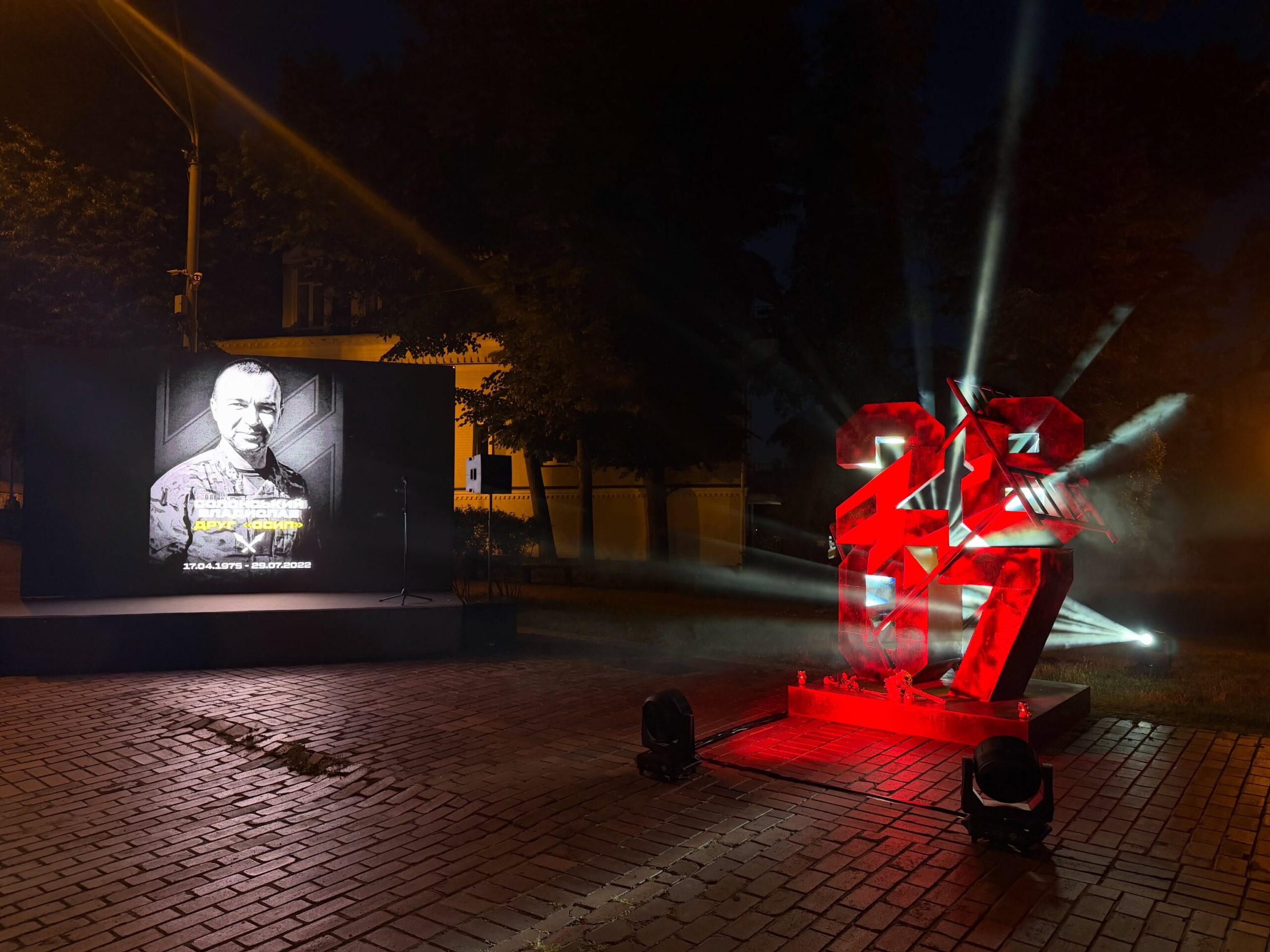
The Civic Evidence report emphasizes that the explosion at the Olenivka penal colony on July 28–29, 2022, which killed and wounded dozens of Ukrainian defenders, constitutes one of the most tragic episodes in this narrative. While the Russian side propagates its own version of events, numerous testimonies and assessments by international organizations refute it. Concurrently, access for international experts to the tragedy site remains blocked by the Russian Federation.
Following the Olenivka tragedy, the survivors were transferred to other detention facilities, including pretrial detention centers (SIZO) in Taganrog and Donetsk, where custody conditions were reported to be even more brutal.
Propaganda and the Russian Judicial Machine as Tools of Coercion
Beyond physical violence, the report highlights the role of Russian state propaganda in shaping a negative image of the «Azov» regiment, which is used to legitimize aggression and persecution. The report provides a detailed analysis of show trials targeting POWs, specifically the so-called “Trial of the 24” and related cases.
“Despite the servicemembers’ belonging to the regular armed forces of Ukraine and the fact that they are prisoners of war, ‘Azov members’ are tried as ‘terrorists’ often solely for the very fact of their service, which contradicts the norms of international humanitarian law.”
Appeal to the International Community
Civic Evidence concludes that what was initially framed as an “honorable captivity” backed by guarantees and future exchanges has in practice deteriorated into a systematic policy of state-sponsored repression, torture, discrimination, and arbitrary judicial persecution. The report provides an exhaustive record of these unlawful practices and serves as an urgent appeal to the international community to invoke international legal mechanisms to hold perpetrators accountable and guarantee the protection of POW rights.
In their recommendations, the authors specifically underscore the imperative of granting the International Committee of the Red Cross (ICRC) full, unhindered access to POW detention facilities, ensuring the systematic documentation of violations, and mobilizing international legal instruments to restore justice.
News
see more

ICRC confirms it has had no access to Ukrainian POWs for two years
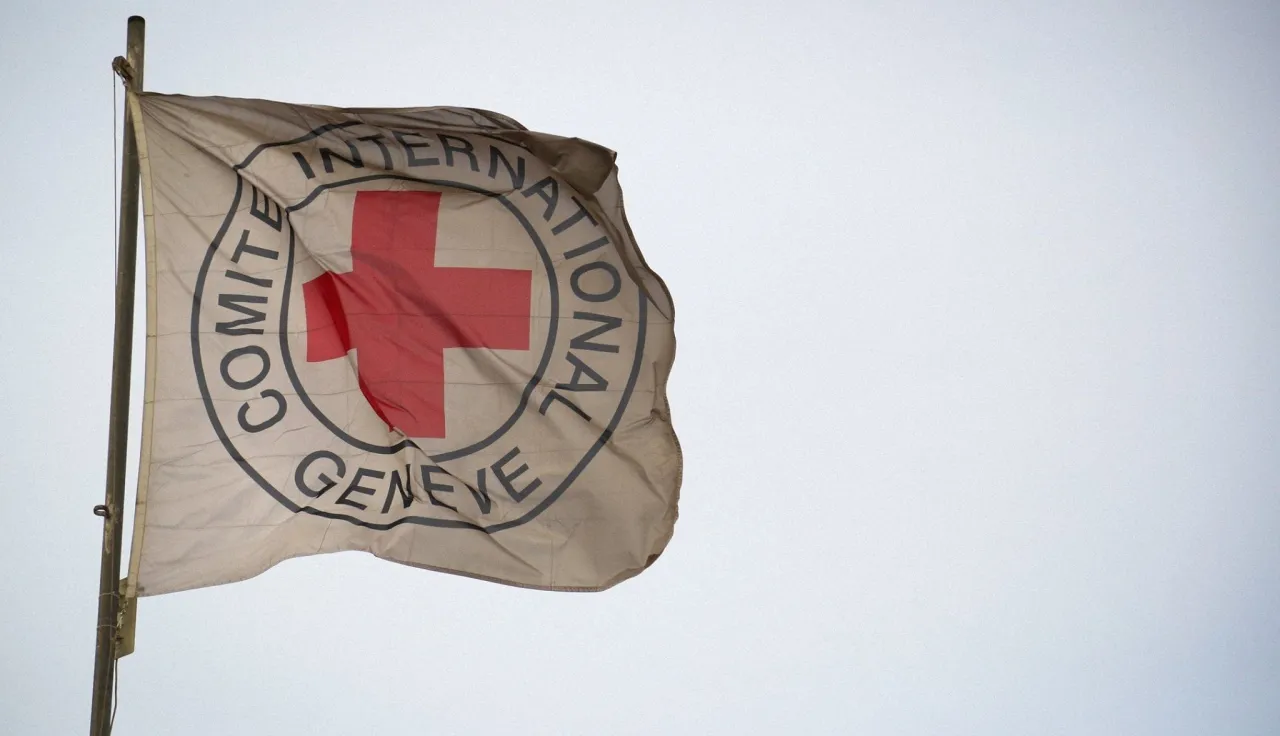
Russia has denied the International Committee of the Red Cross (ICRC) access to Ukrainian prisoners of war held in Russian detention since 2024. “We can confirm the lack of access to POWs in Russia since 2024,” an ICRC spokesperson told Reuters on September 18.
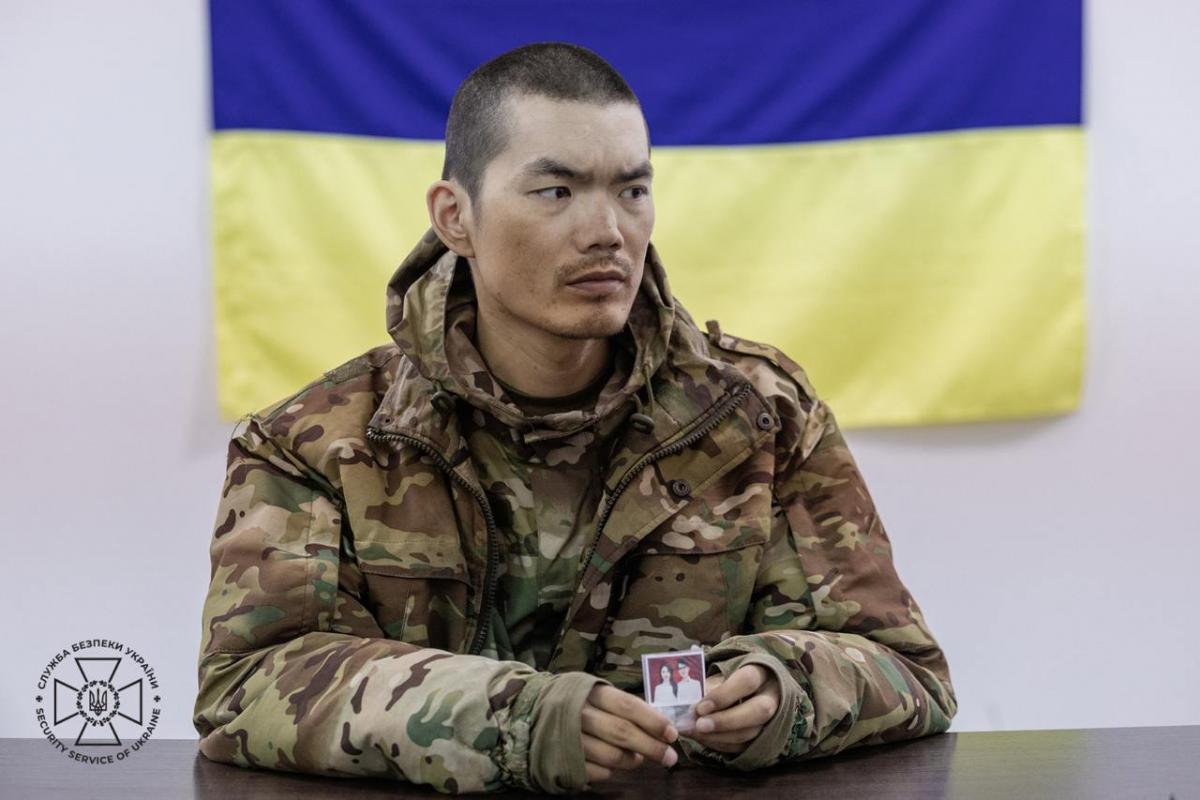
Citizens of 51 Countries Held as Prisoners of War in Ukraine
Ukraine’s Coordination Headquarters for the Treatment of Prisoners of War and the Ministry of Foreign Affairs of Ukraine have announced the launch of StopRussianRecruiters.org, an information platform documenting and exposing Russia’s deceptive recruitment of foreign nationals into its armed forces. The project also provides information about foreign prisoners of war held in Ukraine and calls on the governments of their respective countries to take diplomatic action to secure their return.
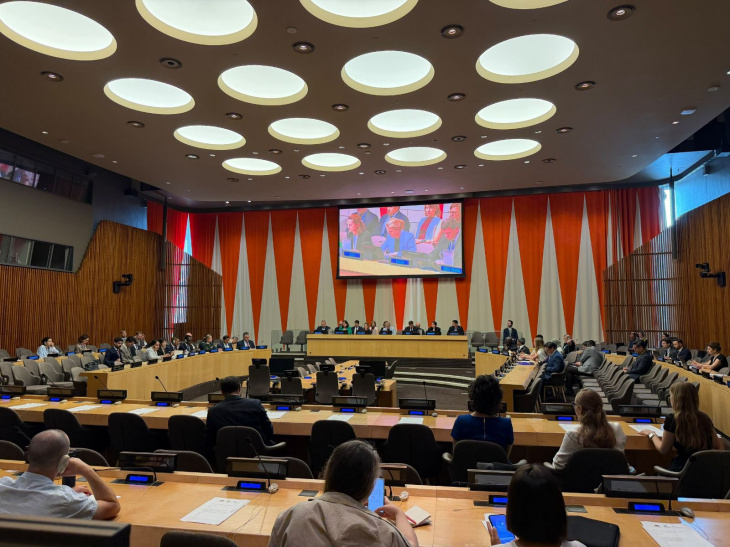
The UN Security Council holds an Arria-formula meeting on Ukrainian POWs
On August 10, the UN Security Council held an Arria-formula meeting at UN Headquarters in New York, dedicated to Russia's systematic violations of international humanitarian law against Ukrainian prisoners of war, civilian detainees, and foreign nationals. The event was convened by Latvia and the United Kingdom at Ukraine's initiative.
questions & answers
You can make a difference
Have a question, a message, or something important to share?
Whether it’s information, a concern, or a word of support, we want to hear from you.
Every voice matters.