
“Made in Russia. Delivered to Captivity”: Project on Russia’s Crimes Against POWs Presented in Kyiv
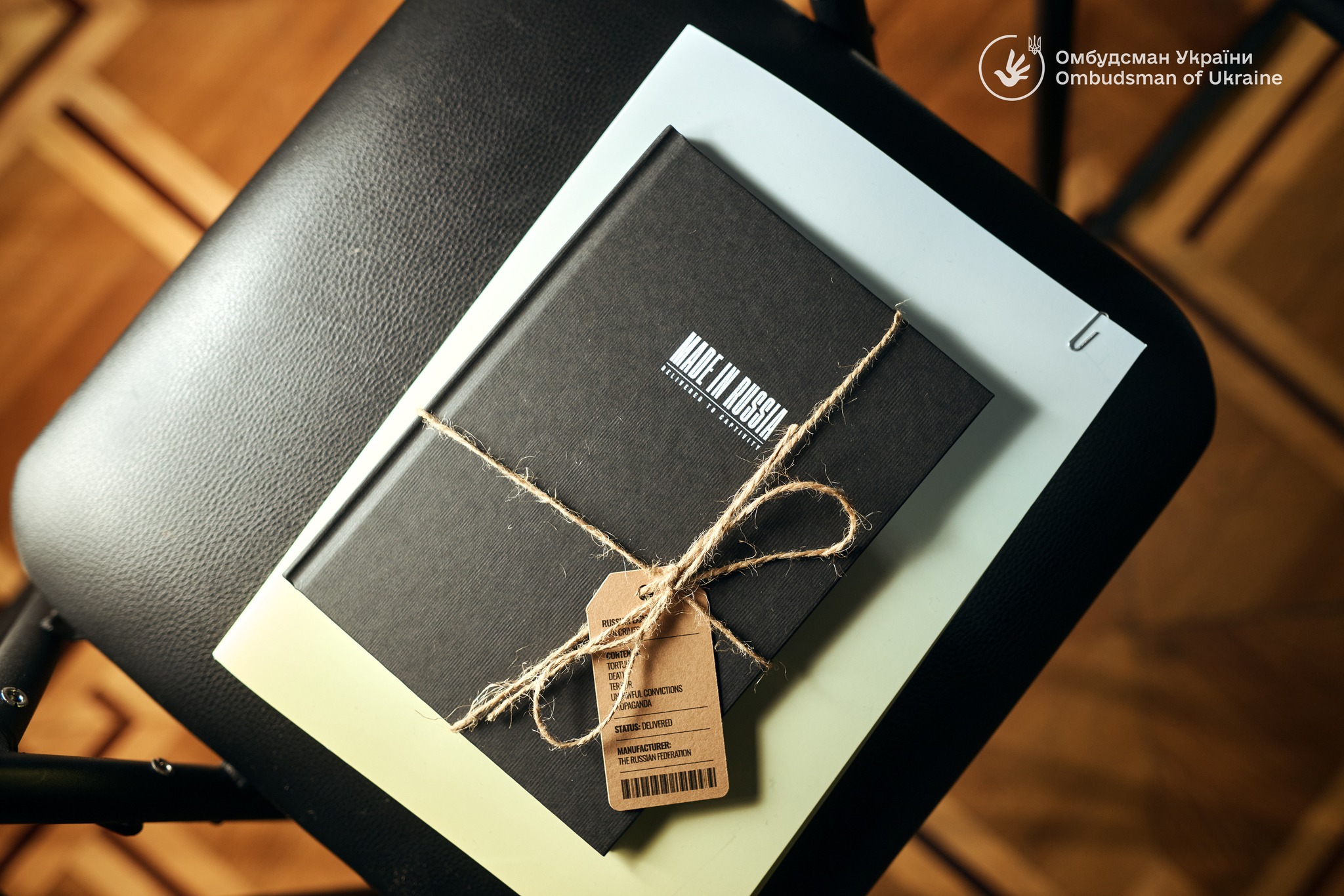
“Russian prisons are a branch of hell on earth. Especially if you are an Ukrainian prisoner of war.”
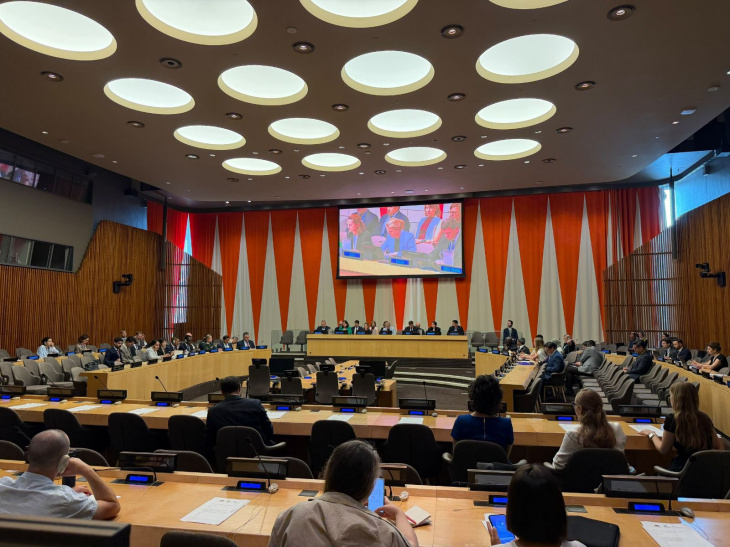
On May 22, the presentation of the project “Made in Russia. Delivered to Captivity” took place in Kyiv. The event marks the 4th anniversary of the Mariupol garrison’s withdrawal from “Azovstal” after 86 days of heroic defense of the city. Back then, under the provided guarantees, the defenders of Mariupol fulfilled the order of the higher command to save lives. However, the RF violated these guarantees—the majority of the “Azovstal” defenders are now in their fifth year of suffering from daily crimes in Russian captivity.
War crimes have become one of the main “products” that the RF “exports” to the world. The Kremlin “delivers” death via missiles, drones, and the hands of its military. Wherever Russian control is established, a system of torture, murder, terror, show trials, and propaganda takes over. Each of these “products” is detailed in the document, along with testimonies from those who have suffered from them the most—Ukrainian prisoners of war.
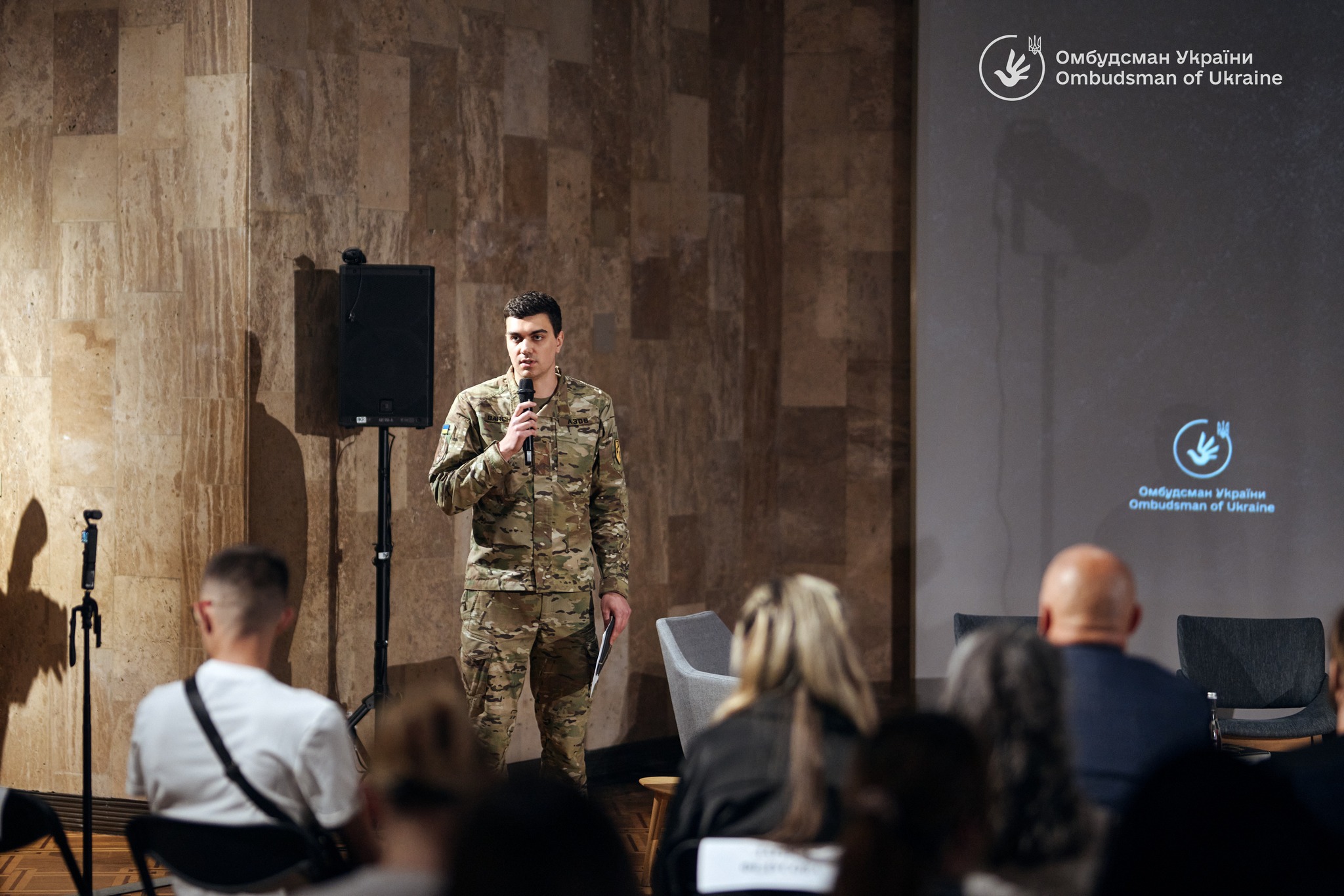
““Made in Russia. Delivered to Captivity” is a project that demonstrates the sheer scale of Russia’s war crimes against Ukrainian prisoners of war. Olenivka, hundreds of captives murdered in detention, and standardized practices of torture and abuse prove that international humanitarian law does not exist for Russia, and the Geneva Conventions are nothing but a hollow sound to it. Through this project, we want to once again urge the civilized world to fight for the release of prisoners from the hell of Russian captivity and to defend the values it has declared—values that Ukraine fights for every day in this war,” said the event moderator Nestor Barchuk, Head of International Relations on POW Issues within the Strategic Communications Section of the 1st Corps of the National Guard of Ukraine «Azov».
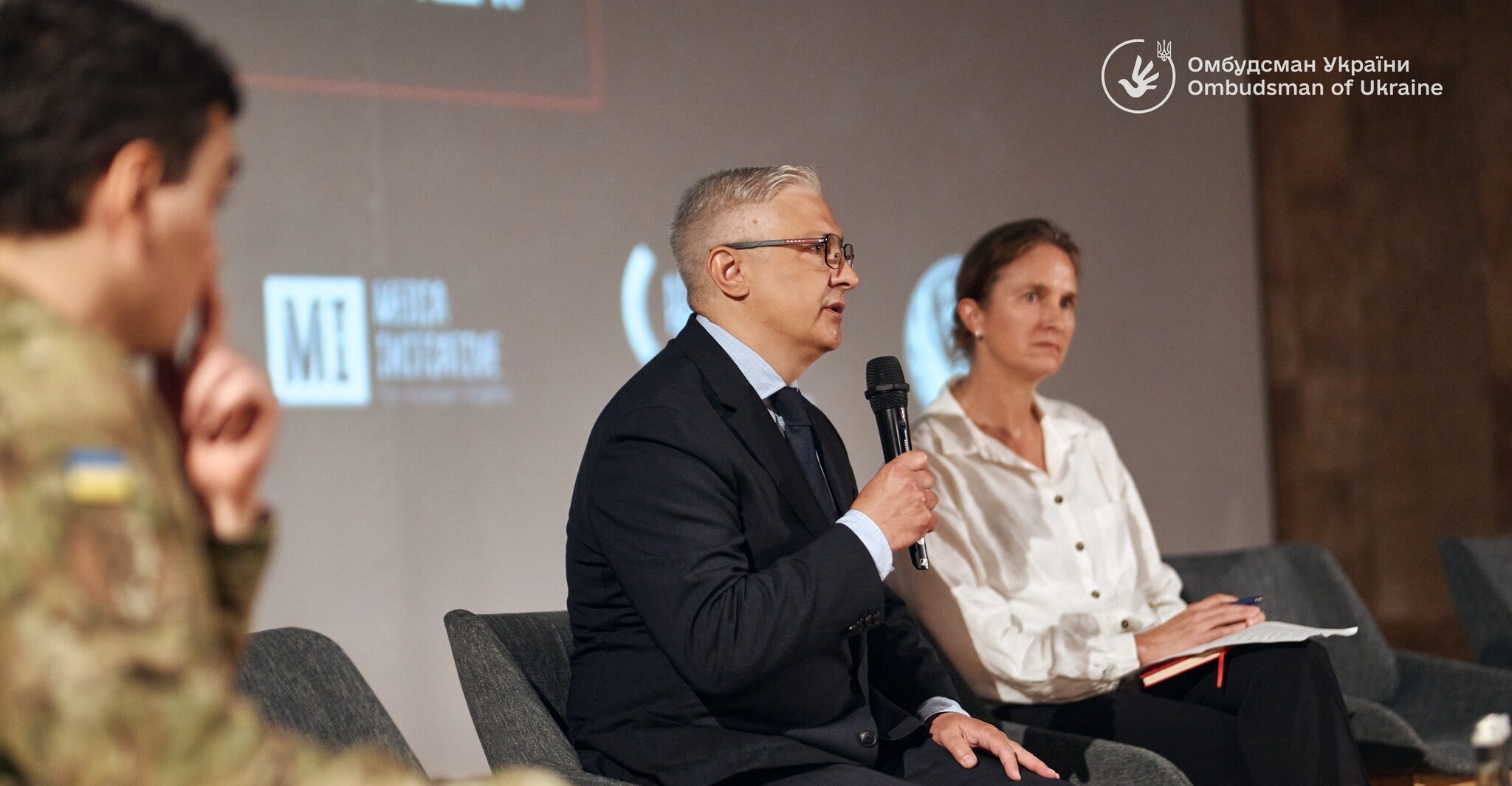
The event was attended by members of the diplomatic corps, state and law enforcement agencies, the media, as well as the civil society sector, service members, and veterans. Dmytro Ponomarenko, Ambassador-at-Large for POW and Missing Persons Issues, addressed the audience with opening remarks, emphasizing the vital importance of the project.
“A project like ‘Made in Russia’ carries a significance that can hardly be overstated. International partners—parliamentarians, diplomats, and human rights defenders—often lack a full understanding of the scale of what is happening to Ukrainian prisoners of war in Russian places of detention, camps, and penal colonies. Testimonies of the missing, documented facts, specific names, and faces—this is what transforms the abstract, so-called issue of captivity into a reality that cannot be ignored. Consequently, we must respond at all levels, including the international one,” noted Dmytro Ponomarenko, Ambassador-at-Large of the Ministry of Foreign Affairs of Ukraine for Prisoners of War, Civilians Deprived of Personal Liberty, and Missing Persons.
Noel Calhoun, Deputy Head of the UN Human Rights Monitoring Mission in Ukraine, also spoke: “Thank you very much for organizing this event and inviting us, because such events are important, even if difficult, as they prevent silence from winning. One of the greatest dangers of a protracted conflict is the gradual habituation to the suffering of war victims, as if it were already a commonplace reality. Any public mention of prisoners of war, a reminder that they remain in captivity, is a signal to the families that we have not forgotten them.”
The system of producing war crimes against Ukrainians operates through an extensive network of torture chambers within the Russian Federation and in the temporarily occupied territories (TOT) of Ukraine. These are among the first “infrastructure facilities” to appear in cities seized by Russia.
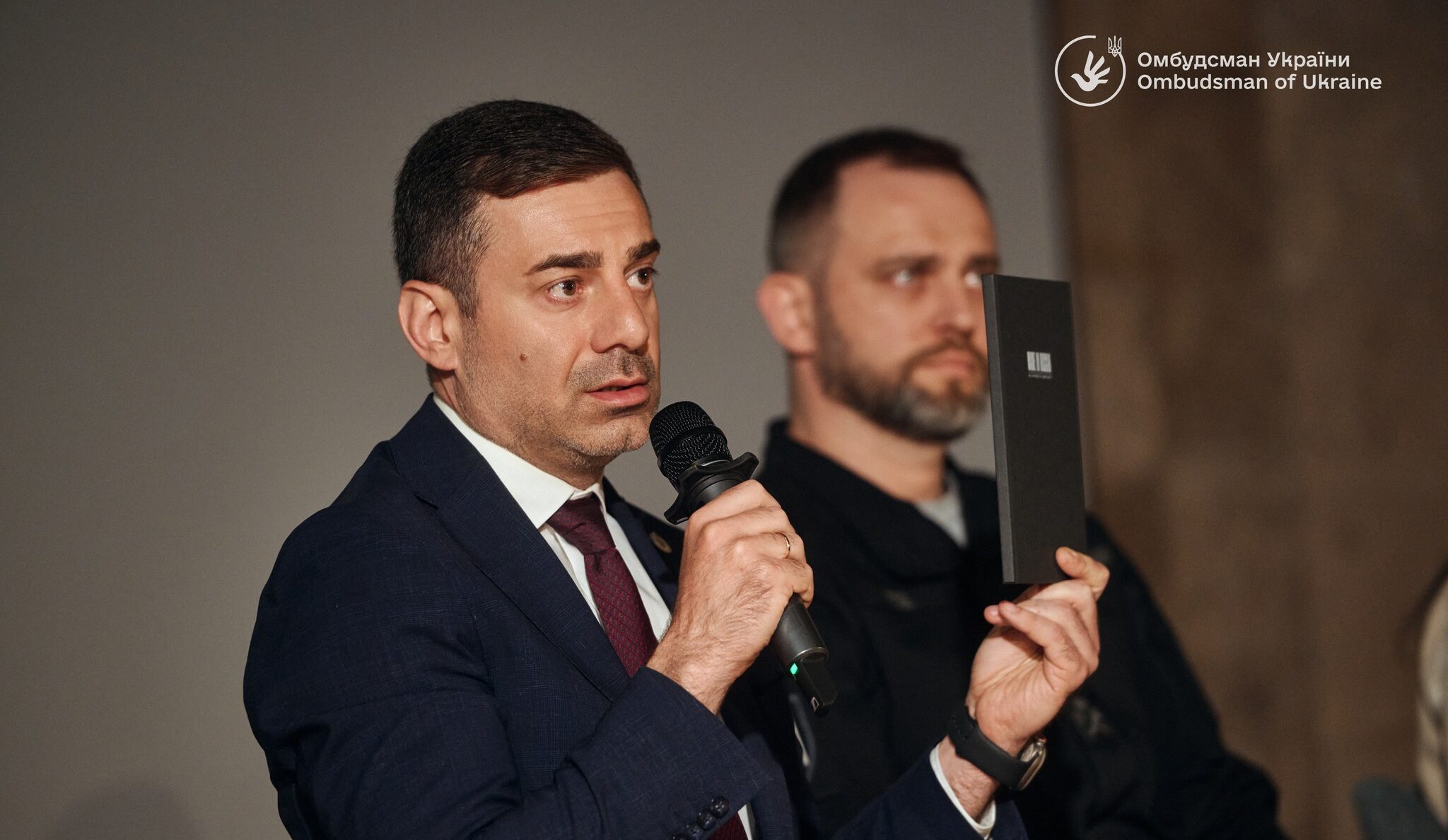
Dmytro Lubinets, Ukrainian Parliament Commissioner for Human Rights, remarked: “Russia has built an entire system of torturing Ukrainian prisoners of war. We have already documented 695 forms of torture and 860 instances of improper detention conditions. International journalistic investigations have confirmed systematic torture in at least 29 places of detention holding Ukrainians—18 inside the Russian Federation and 11 in the temporarily occupied territories of Ukraine. These are not isolated crimes committed by individual servicemen. This is Russia’s state policy, which demonstrates today that without real accountability mechanisms, even the Geneva Conventions cease to function. Russia is illegally prosecuting over 2,100 Ukrainian prisoners just for defending their state. This is exactly why the international response system requires changes—ranging from the modernization of ICRC mechanisms to the real application of universal jurisdiction against Russian officials complicit in the torture and deaths of Ukrainian captives.”
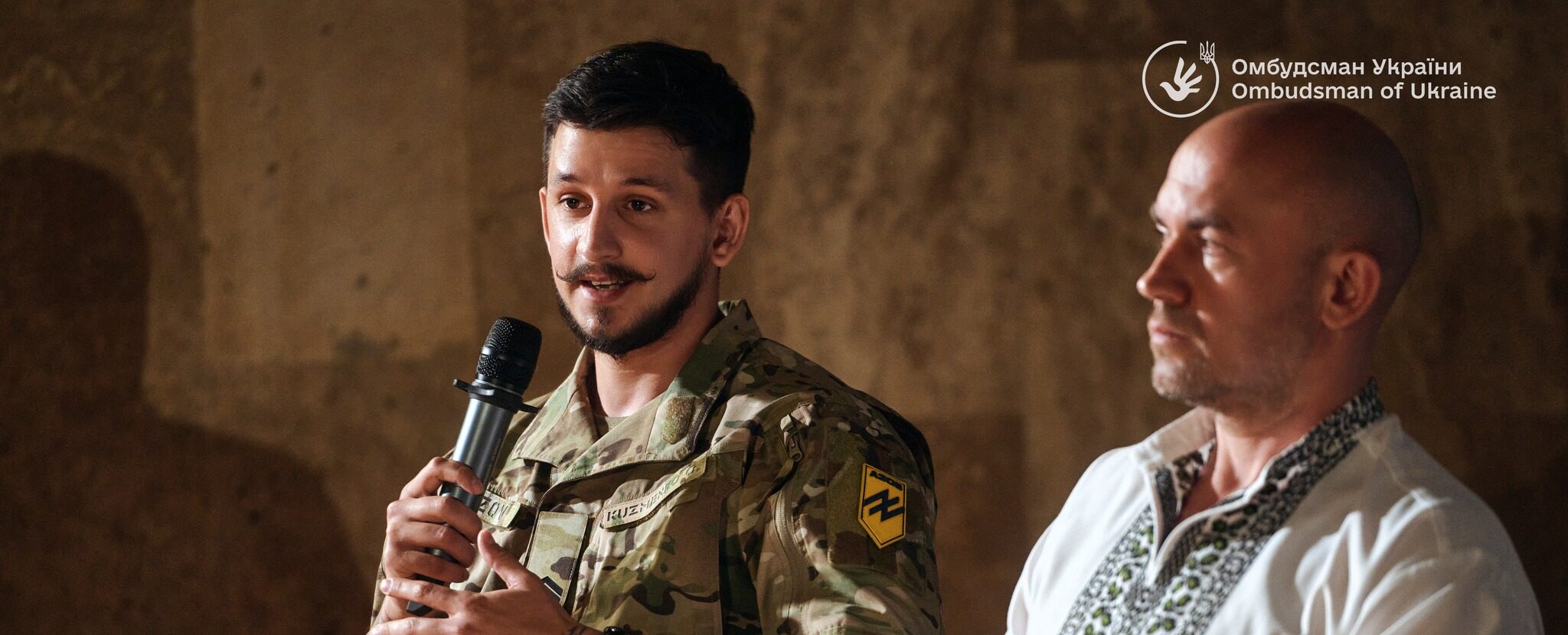
The foundation of the project consists of testimonies from former prisoners of war, for whom the phrase “Made in Russia” became synonymous with violence. Released from captivity, «Azov» veteran Oleksandr “Pako” Kuzmenko shared his own experience with the audience and called for continuous pressure on the RF to save his brothers and sisters in arms:
“The return of Ukrainian prisoners must be a priority. After all, it is an indicator that besides Russia’s aggressive, conquest-driven power, there is another force—the force of justice and democracy. Behind every story of captivity is a person who fought for their state and continues this struggle in confinement. That is why joint efforts of Ukraine and the world are vital for their release, including the more than 700 «Azov» fighters who remain one of the most difficult categories for exchanges,” Oleksandr noted.
Andrii Pasternak, Head of the Joint Center of the Security Service of Ukraine (SBU), also took part in the event. He emphasized how crucial it is for the signatories to comply with the Geneva Conventions.
“We see the condition in which our boys return: they are beaten, their limbs are mutilated, their hands are amputated. And this is even before they reach the so-called ‘reception processing.’ We must all remember—both Ukrainians and our partners—that our warriors stand in defense of not only Ukraine, but Europe as a whole. This is a request to all our international partners: we need to reach everyone else—the signatories of the Geneva Convention must fulfill it,” said Andrii Pasternak, Head of the SBU Joint Center.
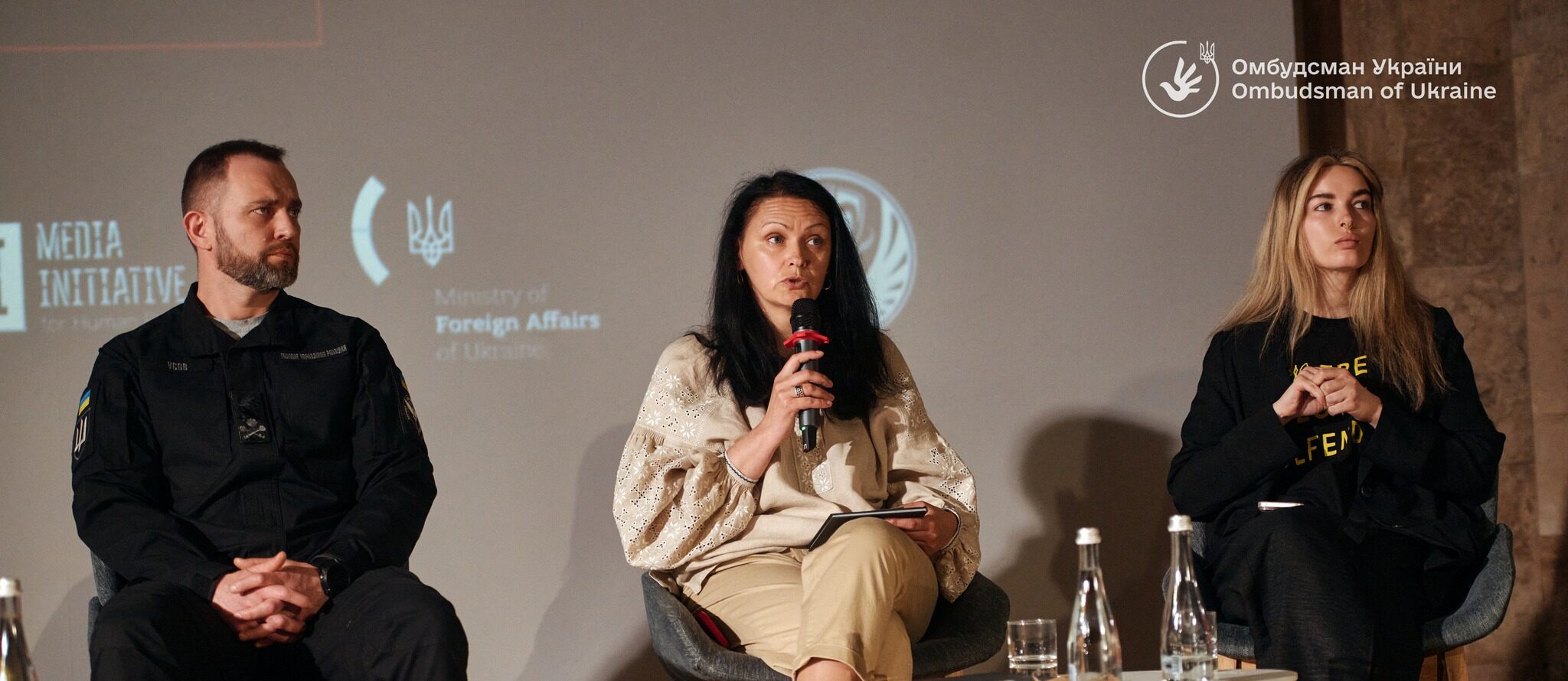
One of the most critical issues addressed in the project is the lack of proper access for international organizations to the places where Ukrainians are held in captivity. This leaves the captives virtually invisible to the world. Yevheniia Synelnyk, a representative of the Association of Families of “Azovstal” Defenders, whose brother has been in enemy captivity for over four years, emphasized that the world must exert more effort: “How many more projects must we create and how much more testimony regarding Russian crimes must we provide for international institutions to take action? For the majority of the fighters who are still in captivity, this is a zero result that means nothing and changes nothing.”
The lack of monitoring over the observance of prisoners of war’s rights only intensifies the brutality and lawlessness against the captives. This system is a deliberate policy of the Kremlin, as explained by Tetiana Katrychenko, Head of the Media Initiative for Human Rights:
“The RF uses torture against prisoners of war and civilian detainees. These facts have already been recorded by national law enforcement agencies and in the reports of international experts from the UN and OSCE. However, it is crucial to speak not about isolated instances of violations or the excesses of individual perpetrators, but about a systemic practice—a state policy of persecuting Ukrainian citizens who oppose the actions of the RF, whether they protect Ukraine within the ranks of the Defense Forces or speak out against the occupation. This policy is widespread and systemic in nature. Russia implements this policy both inside the RF and in the temporarily occupied territories of Ukraine. The consequences of this policy are multidimensional. For the victims, it means prolonged deprivation of liberty, lack of proper medical care, as well as the risks of torture and inhuman treatment that we are discussing. For international humanitarian law, it is an undermining of the core principles governing the protection of combatants and the civilian population.”
The project emphasizes the need to impose an “embargo” on the RF’s war crimes and to do everything possible to liberate the warriors who, at the most critical moment, became a shield for Ukraine and Europe as a whole. Summarizing the event, Dmytro Usov, Secretary of the Coordination Headquarters for the Treatment of Prisoners of War, warned:
“Ultimately, the nations and states of the world have seen and understood the core component of Russian exports. And it is not energy resources, culture, or sports, as the Russians would like it to be. It is lawlessness, an absolute indifference to human life, and an all-encompassing drive and desire to humiliate human dignity. In its essence, the ‘Russian world’ (Russkiy Mir) is a systemic, deliberate, and comprehensive policy of terror against both their own people and others—a policy that is not merely tolerated but encouraged by the authorities. The foundation of their export is fear, blackmail, pain, and even a cult of death.”
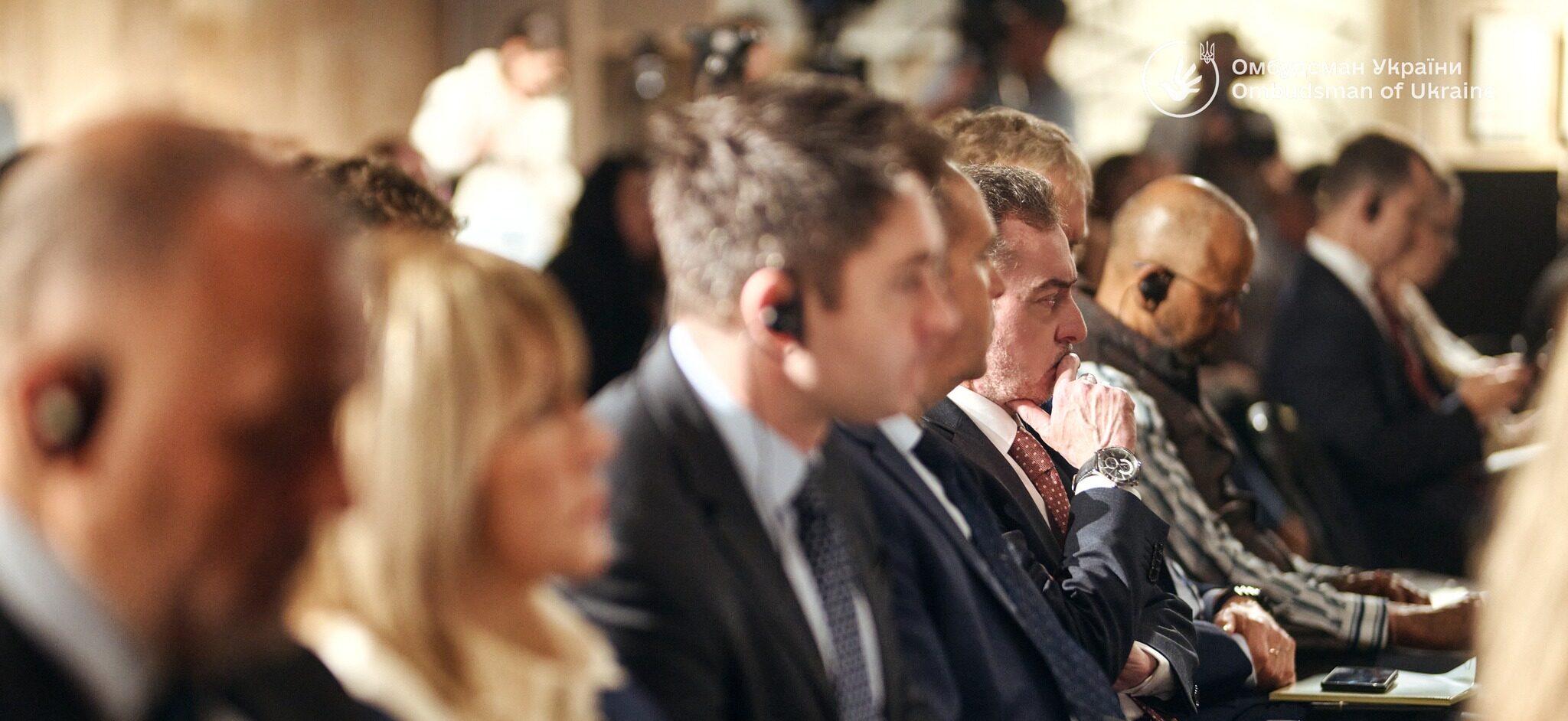
The speakers emphasized the vital importance of the daily struggle for the freedom of Ukrainian captives, securing access for the International Committee of the Red Cross to them, and bringing those responsible for crimes against them to justice. The document “Made in Russia. Delivered to Captivity” will be shared with international partners, representatives of embassies, and the global community.
To join the efforts in distributing the electronic version of the project:
- Download the materials,
- Share them among the international community,
- Become the voice of Ukrainian prisoners of war.
The project was developed by: The Ukrainian Parliament Commissioner for Human Rights (Office of the Ombudsman), the Association of Families of “Azovstal” Defenders, with the support of the Media Initiative for Human Rights, the Ministry of Foreign Affairs of Ukraine, and the Coordination Headquarters for the Treatment of Prisoners of War.
News
see more
ICRC confirms it has had no access to Ukrainian POWs for two years
Russia has denied the International Committee of the Red Cross (ICRC) access to Ukrainian prisoners of war held in Russian detention since 2024. “We can confirm the lack of access to POWs in Russia since 2024,” an ICRC spokesperson told Reuters on September 18.
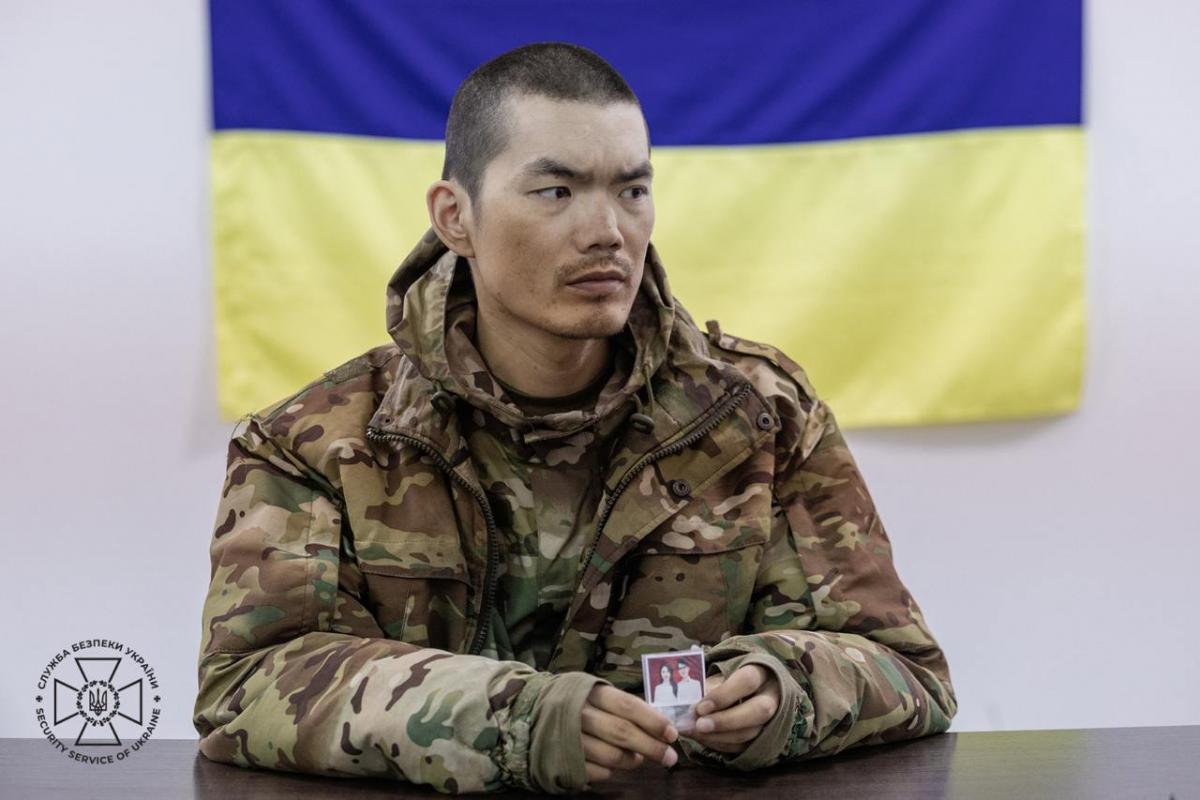
Citizens of 51 Countries Held as Prisoners of War in Ukraine
Ukraine’s Coordination Headquarters for the Treatment of Prisoners of War and the Ministry of Foreign Affairs of Ukraine have announced the launch of StopRussianRecruiters.org, an information platform documenting and exposing Russia’s deceptive recruitment of foreign nationals into its armed forces. The project also provides information about foreign prisoners of war held in Ukraine and calls on the governments of their respective countries to take diplomatic action to secure their return.
The UN Security Council holds an Arria-formula meeting on Ukrainian POWs
On August 10, the UN Security Council held an Arria-formula meeting at UN Headquarters in New York, dedicated to Russia's systematic violations of international humanitarian law against Ukrainian prisoners of war, civilian detainees, and foreign nationals. The event was convened by Latvia and the United Kingdom at Ukraine's initiative.
questions & answers
You can make a difference
Have a question, a message, or something important to share?
Whether it’s information, a concern, or a word of support, we want to hear from you.
Every voice matters.