
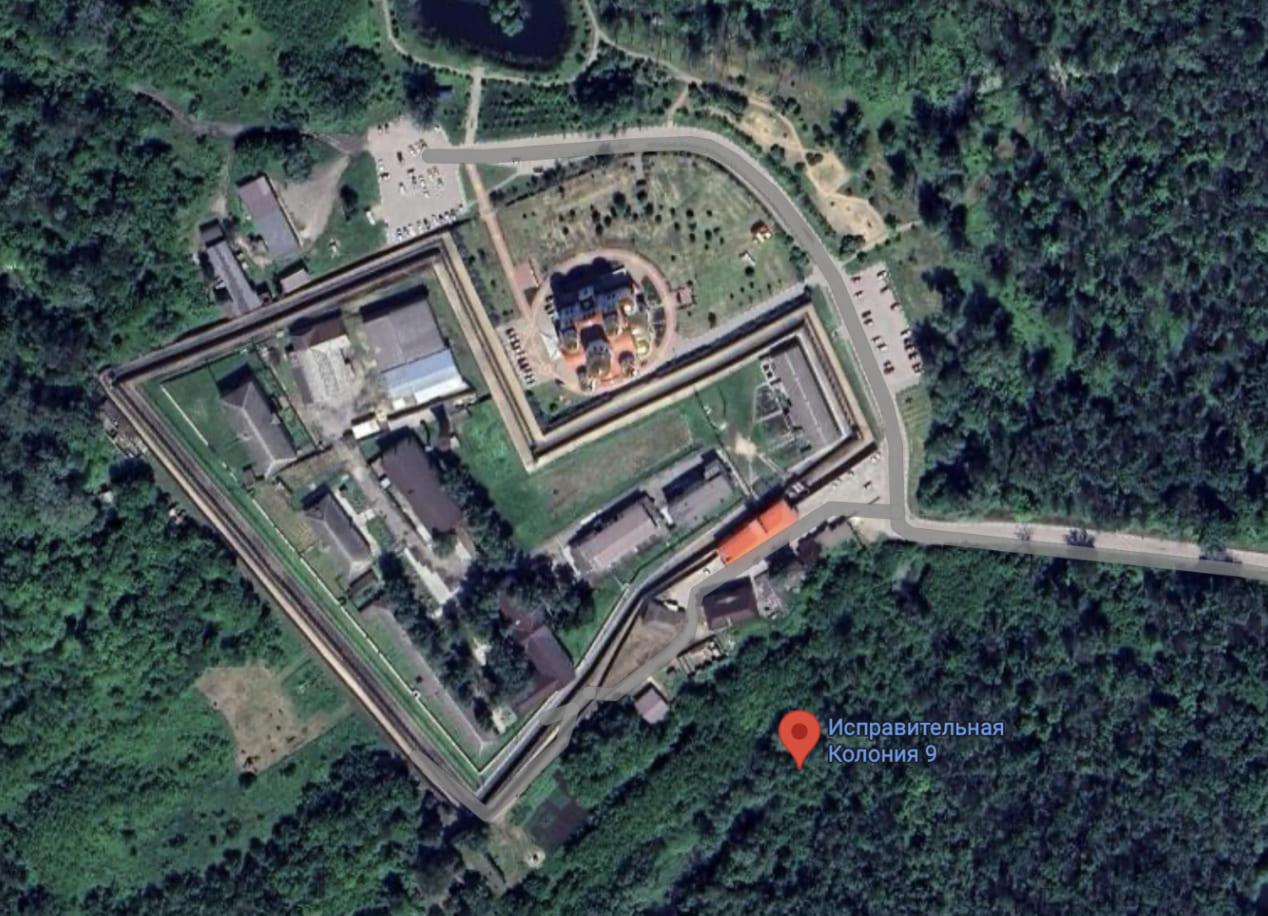
Valuyki Penal Colony No. 9
Belgorod Oblast, Valuyki
Russia
Penal colony
Unknown
Ukrainian female prisoners of war are being held in Penal Colony No. 9 in Valuyki, Belgorod Region. According to the Media Initiative for Human Rights, there is currently only one such exclusively female place of detention. Here, Ukrainian women are held alongside convicted Russian women.
POWs are held in barracks, which are called sections. Each section is divided into cells designed to hold 8–22 people. The cells have bunk beds with mattresses, bedding and pillows.
It is known that prisoners were subjected to physical and psychological abuse in the colony. They were subjected to electric shocks and could be beaten with batons, which is a severe violation of the Geneva Convention. However, according to testimonies, compared to Taganrog SIZO-2, where women were previously held, such cases were not frequent.
Instead, psychological pressure intensified: guards mocked the women, used derogatory language and treated them with contempt. Captives could be sent to the punishment cell if, during interrogation, they did not answer in a manner that pleased the operatives. There was also a practice of sending prisoners to solitary confinement for a certain period of time.
They were not allowed to sit on the beds, so the women were forced to stand or walk around the room all the time. They could only sit on chairs, which were not enough for everyone. This rule was later changed. When the guards saw that the POWs were sitting on the floor, they allowed them to use the beds.
According to the POWs’ recollections, the treatment improved somewhat after an external inspection of the conditions of detention. One of the women complained to the inspector that they were being beaten with stun guns and batons, were not allowed to go to the toilet unaccompanied, and were restricted in their ability to eat normally. After that, colony staff were forbidden to interact with prisoners in any way without the permission of the senior guard. The women were allowed to go to the toilet unaccompanied and open doors and windows on their own.
There is no adequate medical care in the colony. According to reports, for almost all illnesses affecting prisoners, doctors only gave them a tablet of validol.
The doctors were hostile towards the prisoners of war. Sometimes they would come and give out certain medications, but often they would not respond at all to the women’s requests to come when asked.
POWs were mocked on their way to the canteen. They were forced to run, and if anyone stumbled, the guards immediately started beating them with batons. POWs were given up to 5 minutes to eat.
Once a week, on Saturdays, they were allowed to take a shower. There were only one or two bottles of shampoo for more than 60 people, which was not enough for everyone. The rest had to wash with soap that had a very unpleasant smell.
To obtain toothpaste, toilet paper or other hygiene products, prisoners had to earn them by working in a sewing factory located on the territory of the colony.
In Penal Colony No. 9 in Valuyki, as in virtually all other Russian places of detention, prisoners of war were forced to sing the Russian national anthem. While singing, they had to perform physical exercises (squats and push-ups).
Women were only allowed to watch Russian news on the pro-government TV channel Russia-24. The guards misinformed the captives, telling them that Ukraine no longer existed, the Ukrainian president had fled abroad, and Russian banks were operating throughout the country. According to the POWs, it was very difficult to endure this mentally.
“We heard them say, ‘If they die, so be it.’ Since there were many medics among us, they told us that we could treat ourselves. Even the guards laughed, saying, ‘Why do you need that medic if he doesn’t want to help you?‘” says the released woman from captivity to the Media Initiative for Human Rights, recalling how the colony staff responded to their requests for medical care.
“Of course, there were nuances in Valuyki. We were mocked, but it was still much better than what they did to us in Taganrog,” recalls another woman who was transferred three times from one place of detention to another during her captivity.
Overview
Ukrainian female prisoners of war are being held in Penal Colony No. 9 in Valuyki, Belgorod Region. According to the Media Initiative for Human Rights, there is currently only one such exclusively female place of detention. Here, Ukrainian women are held alongside convicted Russian women.
POWs are held in barracks, which are called sections. Each section is divided into cells designed to hold 8–22 people. The cells have bunk beds with mattresses, bedding and pillows.
Torture & abuse
It is known that prisoners were subjected to physical and psychological abuse in the colony. They were subjected to electric shocks and could be beaten with batons, which is a severe violation of the Geneva Convention. However, according to testimonies, compared to Taganrog SIZO-2, where women were previously held, such cases were not frequent.
Instead, psychological pressure intensified: guards mocked the women, used derogatory language and treated them with contempt. Captives could be sent to the punishment cell if, during interrogation, they did not answer in a manner that pleased the operatives. There was also a practice of sending prisoners to solitary confinement for a certain period of time.
They were not allowed to sit on the beds, so the women were forced to stand or walk around the room all the time. They could only sit on chairs, which were not enough for everyone. This rule was later changed. When the guards saw that the POWs were sitting on the floor, they allowed them to use the beds.
According to the POWs’ recollections, the treatment improved somewhat after an external inspection of the conditions of detention. One of the women complained to the inspector that they were being beaten with stun guns and batons, were not allowed to go to the toilet unaccompanied, and were restricted in their ability to eat normally. After that, colony staff were forbidden to interact with prisoners in any way without the permission of the senior guard. The women were allowed to go to the toilet unaccompanied and open doors and windows on their own.
Medical care
There is no adequate medical care in the colony. According to reports, for almost all illnesses affecting prisoners, doctors only gave them a tablet of validol.
The doctors were hostile towards the prisoners of war. Sometimes they would come and give out certain medications, but often they would not respond at all to the women’s requests to come when asked.
Food & Sanitation
POWs were mocked on their way to the canteen. They were forced to run, and if anyone stumbled, the guards immediately started beating them with batons. POWs were given up to 5 minutes to eat.
Once a week, on Saturdays, they were allowed to take a shower. There were only one or two bottles of shampoo for more than 60 people, which was not enough for everyone. The rest had to wash with soap that had a very unpleasant smell.
To obtain toothpaste, toilet paper or other hygiene products, prisoners had to earn them by working in a sewing factory located on the territory of the colony.
Psychological Pressure
In Penal Colony No. 9 in Valuyki, as in virtually all other Russian places of detention, prisoners of war were forced to sing the Russian national anthem. While singing, they had to perform physical exercises (squats and push-ups).
Women were only allowed to watch Russian news on the pro-government TV channel Russia-24. The guards misinformed the captives, telling them that Ukraine no longer existed, the Ukrainian president had fled abroad, and Russian banks were operating throughout the country. According to the POWs, it was very difficult to endure this mentally.
Testimonies & Reports
“We heard them say, ‘If they die, so be it.’ Since there were many medics among us, they told us that we could treat ourselves. Even the guards laughed, saying, ‘Why do you need that medic if he doesn’t want to help you?‘” says the released woman from captivity to the Media Initiative for Human Rights, recalling how the colony staff responded to their requests for medical care.
“Of course, there were nuances in Valuyki. We were mocked, but it was still much better than what they did to us in Taganrog,” recalls another woman who was transferred three times from one place of detention to another during her captivity.
News
see more
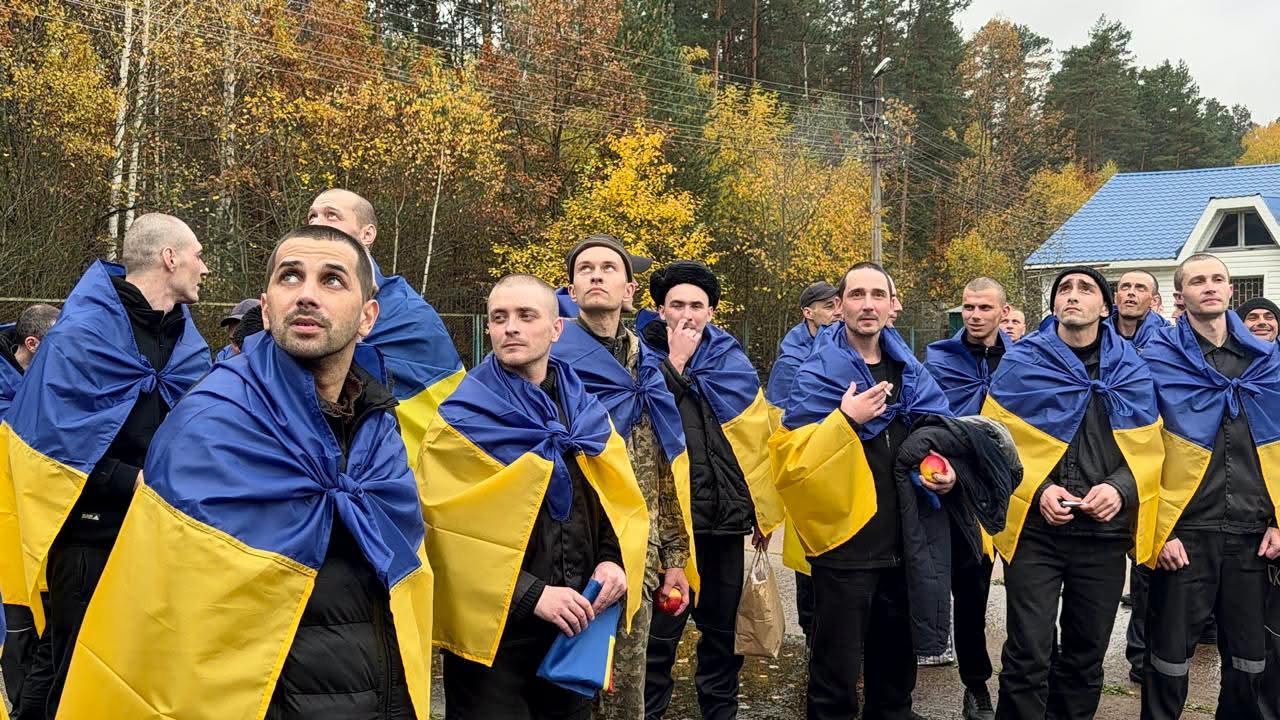
Ukraine brings home 270 Ukrainians from Russian captivity, including 35 Azov POWs
On 23 October, 270 Ukrainians were returned from Russian captivity: 261 servicemen and 9 civilians. Those released include members of the Navy, Land Forces, Air Assault Forces, State Special Transport Service, Territorial Defence Forces, Special Operations Forces and Military Law Enforcement Service, as well as the National Guard, the State Border Guard Service and a rescuer from the State Emergency Service.
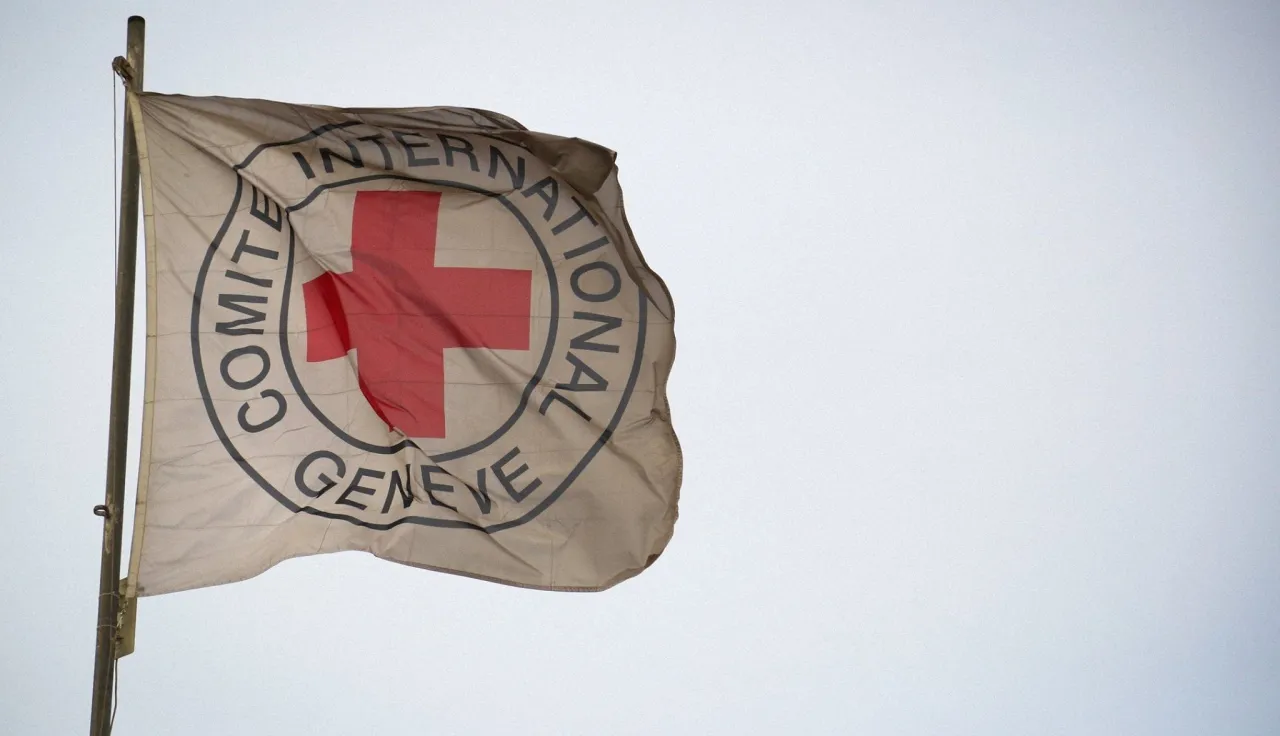
ICRC confirms it has had no access to Ukrainian POWs for two years
Russia has denied the International Committee of the Red Cross (ICRC) access to Ukrainian prisoners of war held in Russian detention since 2024. “We can confirm the lack of access to POWs in Russia since 2024,” an ICRC spokesperson told Reuters on September 18.
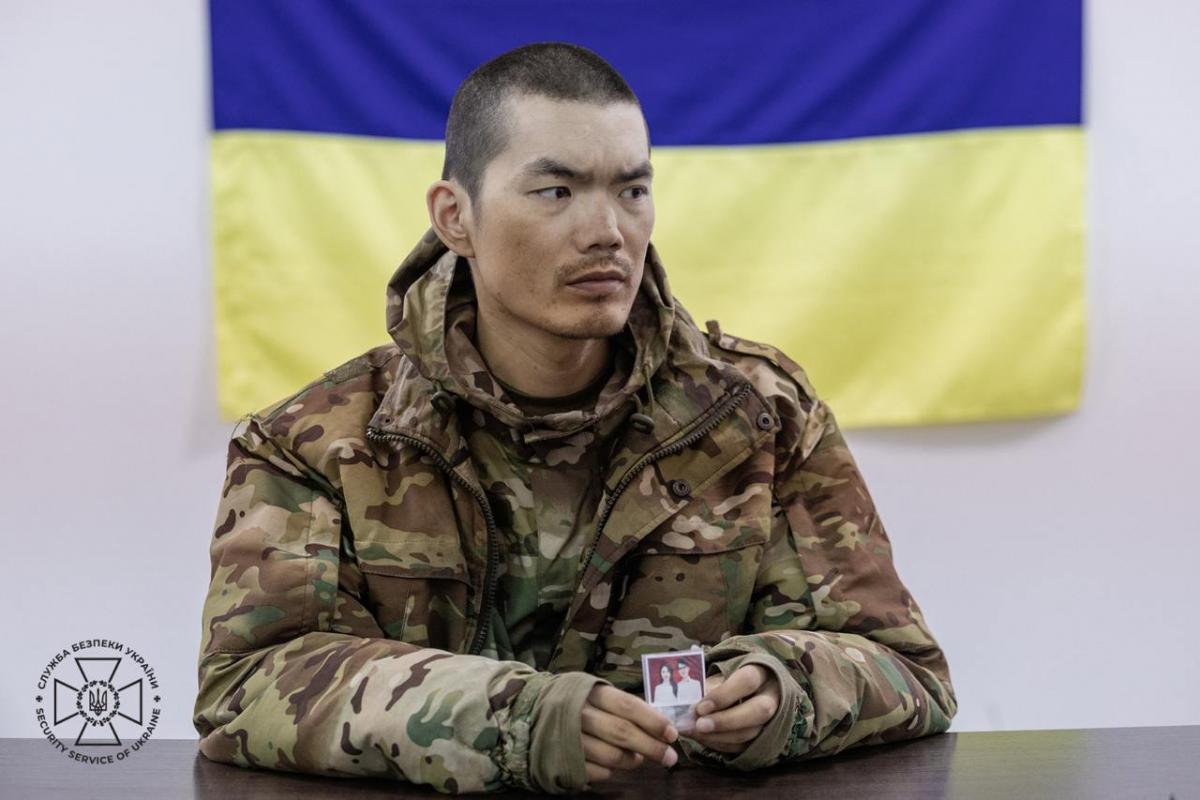
Citizens of 51 Countries Held as Prisoners of War in Ukraine
Ukraine’s Coordination Headquarters for the Treatment of Prisoners of War and the Ministry of Foreign Affairs of Ukraine have announced the launch of StopRussianRecruiters.org, an information platform documenting and exposing Russia’s deceptive recruitment of foreign nationals into its armed forces. The project also provides information about foreign prisoners of war held in Ukraine and calls on the governments of their respective countries to take diplomatic action to secure their return.
questions & answers
You can make a difference
Have a question, a message, or something important to share?
Whether it’s information, a concern, or a word of support, we want to hear from you.
Every voice matters.