
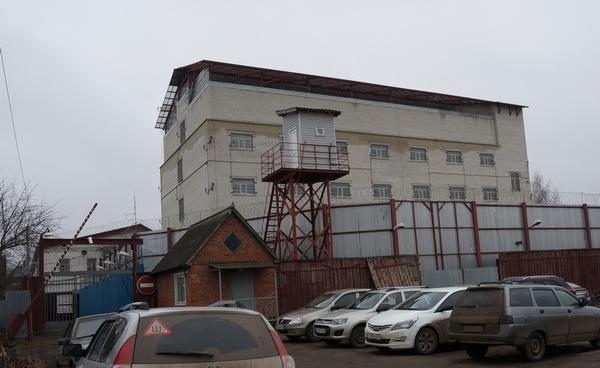
Ryazhsk Pre-Trial Detention Centre No. 2
Ryazan Oblast, Ryazhsk
Russia
Pre-Trial Detention Centre
Active
Ryazhsk Pre-Trial Detention Centre No. 2, located in Ryazan Oblast, has been used to detain Ukrainian prisoners of war since 2022. Testimonies reveal routine violence, humiliation, and coercive interrogations. Detainees are subjected to beatings not only during interrogations but also during daily routines and while using basic services like showers. However, access to medical assistance was reportedly available.
Upon arrival, prisoners were subjected to brutal “admissions” that included beatings by special forces. During interrogations, prisoners were asked, “Whose is Crimea?” Incorrect answers led to immediate beatings or electrocution.
Main torture methods included punches and kicks aimed at the kidneys, thighs, ribs, and liver. Also, electrocution of the neck, spine, groin, and ears. Prisoners were often forced into positions against walls, with arms raised and legs stretched, for extended periods (up to 3 hours). One prisoner lost use of his right arm for two months after a particularly severe beating.
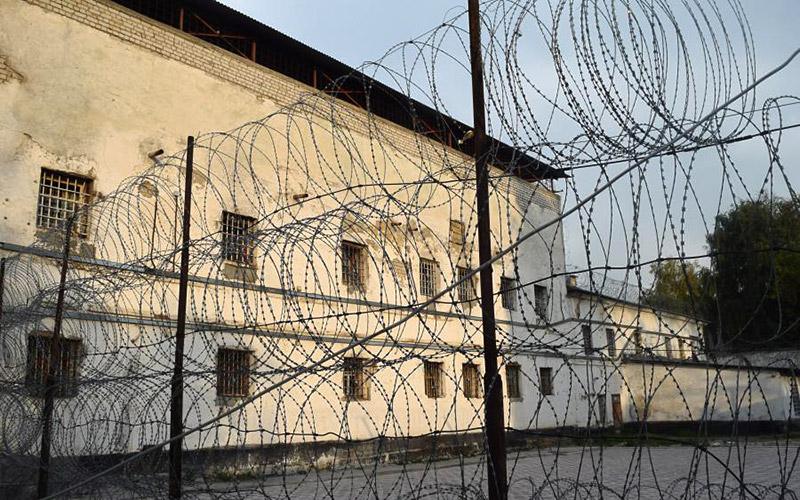
Unlike many other detention facilities, Pre-Trial Detention Centre No. 2 in Ryazhsk reportedly provided some access to medical care. Prisoners who complained of illness were visited by medical staff and given basic medications or vitamins. Those with high fevers were granted rest days.
Food was served three times a day, but it was of low quality and minimal nutritional value. Shower time was highly restricted, sometimes limited to just 30 seconds.
Prisoners were forced to memorise and recite the Russian national anthem. Those who already knew it were ordered to perform it. During weekly outdoor “walks” (conducted in cage-like rooms on the top floor), guards would demand anthem performances.
“The admission began at 3 a.m. and lasted until the afternoon. The guys who got out of the van first were the unlucky ones – fresh spetsnaz troops, new prisoners. The boys told me there were 15 of them standing in a row, and a spetsnaz soldier was beating each of them on the head” – a prisoner of war.
“They throw you into the room. You must always keep your eyes on the floor. In front of you are six large men. They’re all professionals, they know what to ask, how to ask it, and where to hit you. The beatings were professional, targeting the kidneys, the inner thighs, the groin, the ears” – a prisoner of war.
“After leaving the cell, you have to stand against the wall with your feet spread as wide as possible, almost in a split, and your hands raised. Sometimes you had to stay like that for three hours. And if someone entered the cell, you had to bend very low, so your head was nearly at the same level as your knees” – a prisoner of war.
Overview
Ryazhsk Pre-Trial Detention Centre No. 2, located in Ryazan Oblast, has been used to detain Ukrainian prisoners of war since 2022. Testimonies reveal routine violence, humiliation, and coercive interrogations. Detainees are subjected to beatings not only during interrogations but also during daily routines and while using basic services like showers. However, access to medical assistance was reportedly available.
Torture & Abuse
Upon arrival, prisoners were subjected to brutal “admissions” that included beatings by special forces. During interrogations, prisoners were asked, “Whose is Crimea?” Incorrect answers led to immediate beatings or electrocution.
Main torture methods included punches and kicks aimed at the kidneys, thighs, ribs, and liver. Also, electrocution of the neck, spine, groin, and ears. Prisoners were often forced into positions against walls, with arms raised and legs stretched, for extended periods (up to 3 hours). One prisoner lost use of his right arm for two months after a particularly severe beating.
Medical Care
Unlike many other detention facilities, Pre-Trial Detention Centre No. 2 in Ryazhsk reportedly provided some access to medical care. Prisoners who complained of illness were visited by medical staff and given basic medications or vitamins. Those with high fevers were granted rest days.
Food & Sanitation
Food was served three times a day, but it was of low quality and minimal nutritional value. Shower time was highly restricted, sometimes limited to just 30 seconds.
Psychological Pressure
Prisoners were forced to memorise and recite the Russian national anthem. Those who already knew it were ordered to perform it. During weekly outdoor “walks” (conducted in cage-like rooms on the top floor), guards would demand anthem performances.
Testimonies & Reports
“The admission began at 3 a.m. and lasted until the afternoon. The guys who got out of the van first were the unlucky ones – fresh spetsnaz troops, new prisoners. The boys told me there were 15 of them standing in a row, and a spetsnaz soldier was beating each of them on the head” – a prisoner of war.
“They throw you into the room. You must always keep your eyes on the floor. In front of you are six large men. They’re all professionals, they know what to ask, how to ask it, and where to hit you. The beatings were professional, targeting the kidneys, the inner thighs, the groin, the ears” – a prisoner of war.
“After leaving the cell, you have to stand against the wall with your feet spread as wide as possible, almost in a split, and your hands raised. Sometimes you had to stay like that for three hours. And if someone entered the cell, you had to bend very low, so your head was nearly at the same level as your knees” – a prisoner of war.
News
see more
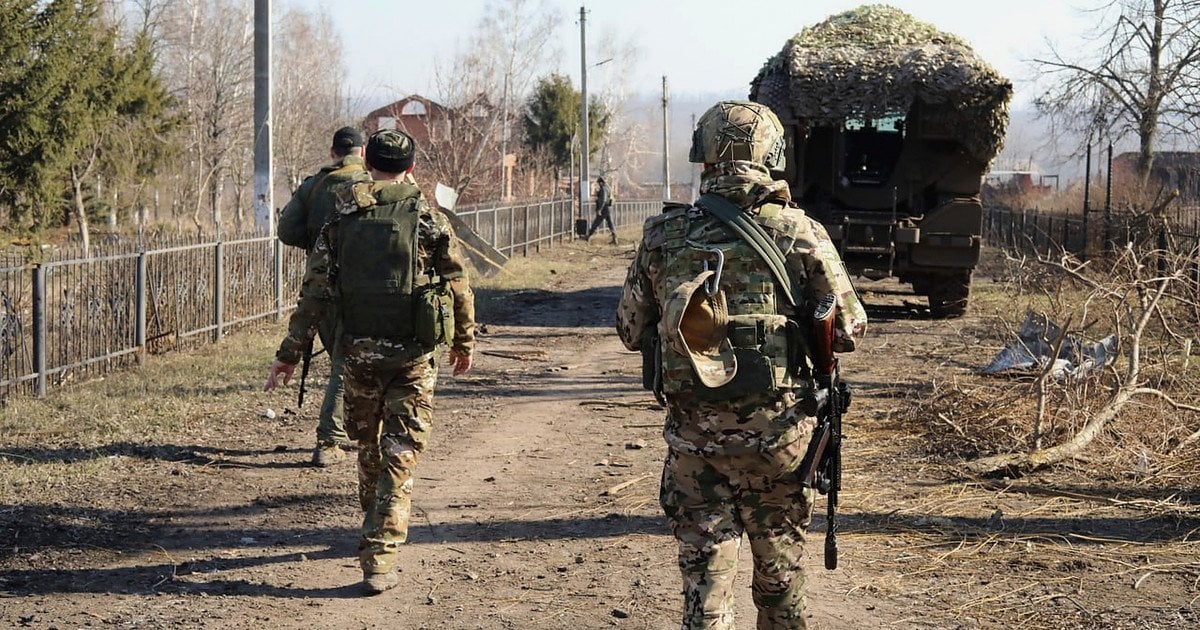
Ukraine brings home 270 Ukrainians from Russian captivity, including 35 Azov POWs
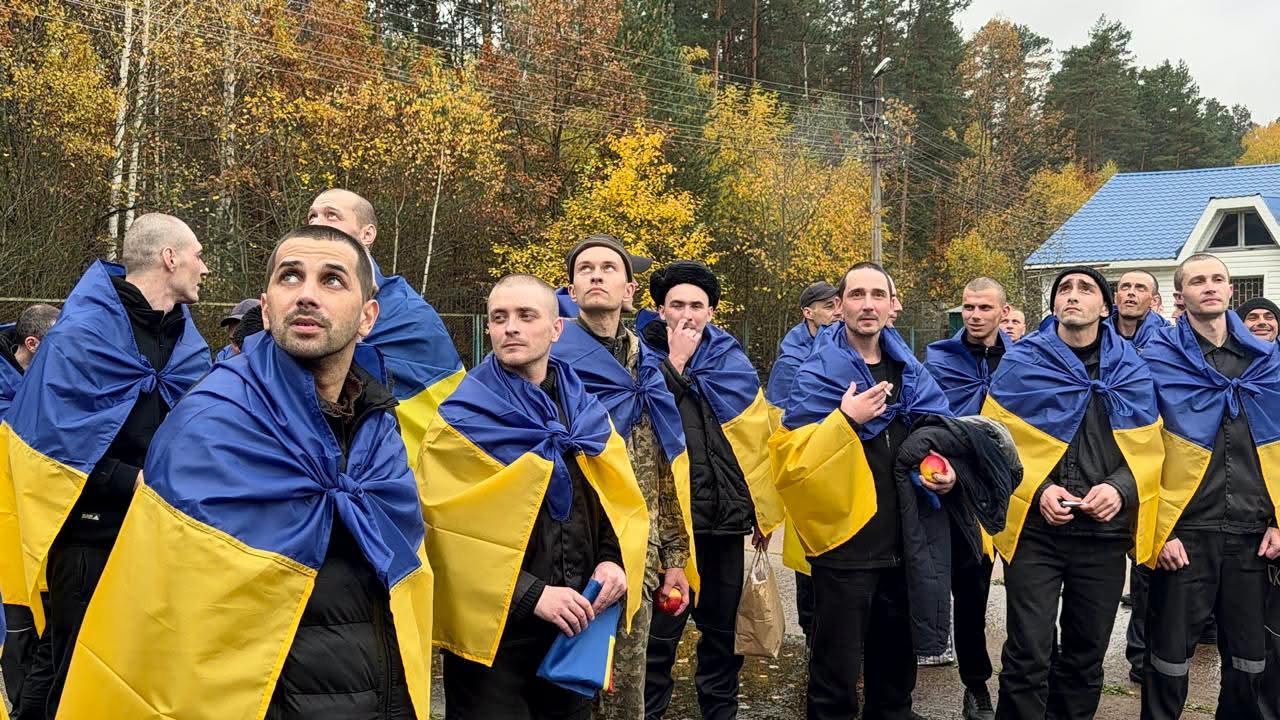
On 23 October, 270 Ukrainians were returned from Russian captivity: 261 servicemen and 9 civilians. Those released include members of the Navy, Land Forces, Air Assault Forces, State Special Transport Service, Territorial Defence Forces, Special Operations Forces and Military Law Enforcement Service, as well as the National Guard, the State Border Guard Service and a rescuer from the State Emergency Service.

ICRC confirms it has had no access to Ukrainian POWs for two years
Russia has denied the International Committee of the Red Cross (ICRC) access to Ukrainian prisoners of war held in Russian detention since 2024. “We can confirm the lack of access to POWs in Russia since 2024,” an ICRC spokesperson told Reuters on September 18.
Citizens of 51 Countries Held as Prisoners of War in Ukraine
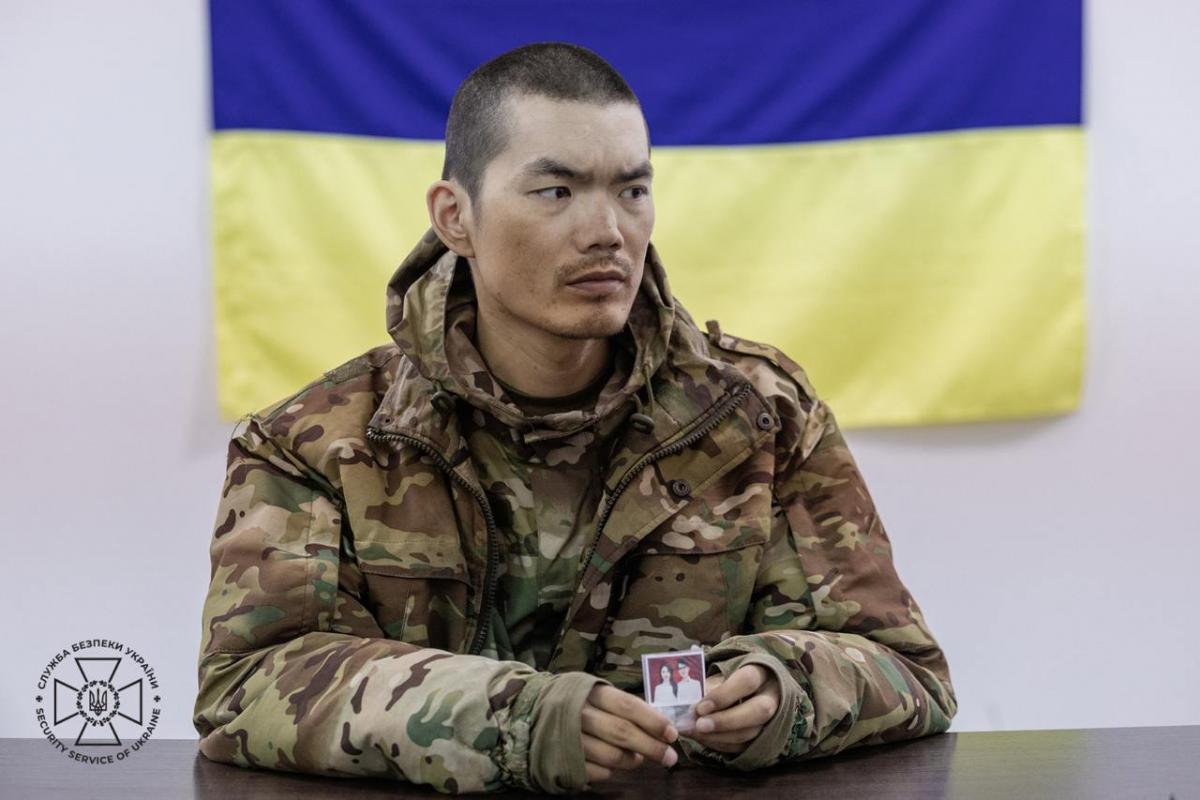
Ukraine’s Coordination Headquarters for the Treatment of Prisoners of War and the Ministry of Foreign Affairs of Ukraine have announced the launch of StopRussianRecruiters.org, an information platform documenting and exposing Russia’s deceptive recruitment of foreign nationals into its armed forces. The project also provides information about foreign prisoners of war held in Ukraine and calls on the governments of their respective countries to take diplomatic action to secure their return.
questions & answers
You can make a difference
Have a question, a message, or something important to share?
Whether it’s information, a concern, or a word of support, we want to hear from you.
Every voice matters.