
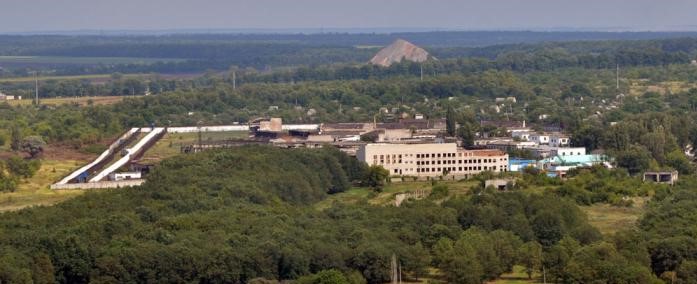
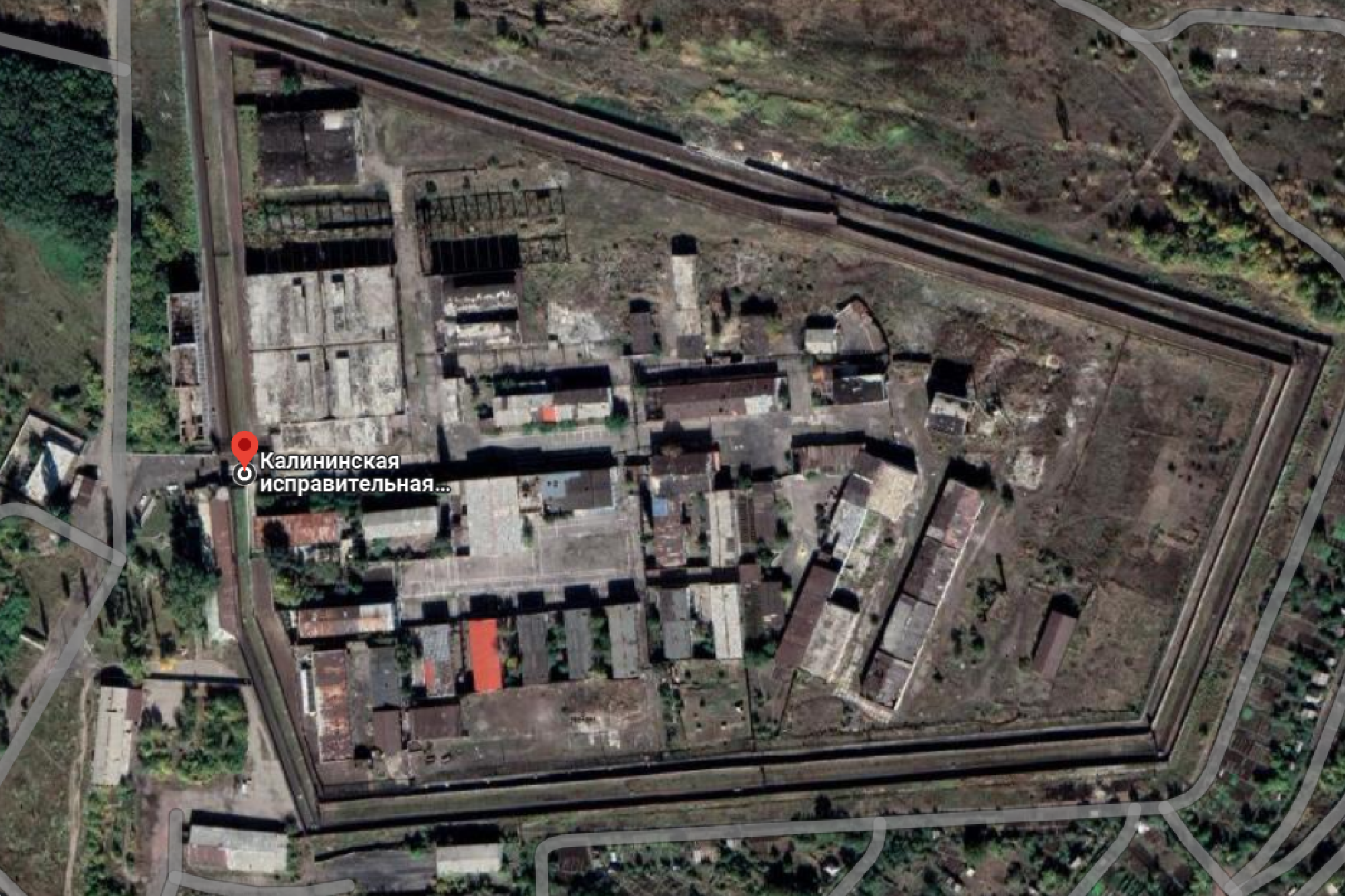
Kalinin Penal Colony No. 27
Donetsk Oblast, Horlivka
Temporarily occupied territories
Penal Colony
Active
Kalinin Penal Colony No. 27, located in Russian-occupied Horlivka, Donetsk Oblast, has been used to detain large numbers of Ukrainian prisoners of war. Prisoners were routinely transported to Donetsk for interrogations or sham trials. Even after receiving sentences, many POWs are returned to the Horlivka colony for continued detention.
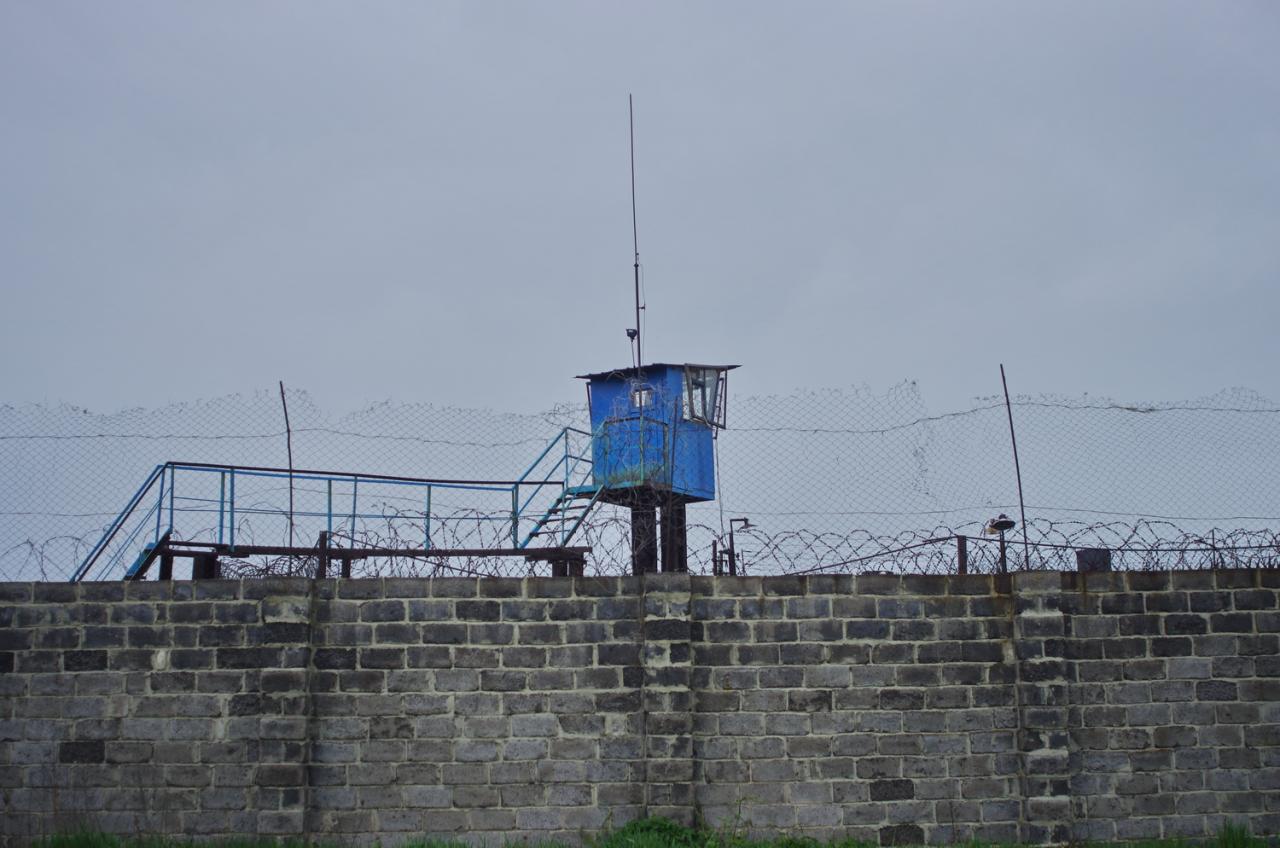
According to testimonies, beatings and coercion were used to extract forced confessions. Former prisoners have reported that those returning from interrogations or court procedures had signs of torture, severe bruising or were unable to walk. In at least one known case, a POW confessed under torture to killing nine civilians.
There is no available information regarding medical care or assistance in Kalinin Penal Colony No. 27.
There is insufficient testimony to assess the quality or availability of food and sanitation in the colony.
Psychological abuse appeared to be systematic and closely tied to Russian propaganda narratives. Interrogations focused heavily on the battle for Mariupol, regardless of whether the captured soldier had any relation to the events there. This applied even to those detained in entirely different parts of the front. The aim was to construct a false narrative blaming Ukraine for civilian deaths in Mariupol. Coerced “testimonies” were gathered under duress to support disinformation.
“There are a great number of civilian deaths in Mariupol. Russia wants to blame Ukraine for them – that is obvious. But these testimonies, if they can even be called that, are often extracted under torture”, – said Olena Bieliachkova, a representative of the human rights organisation Media Initiative for Human Rights.
“In one interview, a former prisoner of war recalled that a guy from his barrack came back so badly beaten he could no longer move on his own – he had ‘confessed’ to killing nine people” – Olena Bieliachkova.
Overview
Kalinin Penal Colony No. 27, located in Russian-occupied Horlivka, Donetsk Oblast, has been used to detain large numbers of Ukrainian prisoners of war. Prisoners were routinely transported to Donetsk for interrogations or sham trials. Even after receiving sentences, many POWs are returned to the Horlivka colony for continued detention.
Torture & Abuse
According to testimonies, beatings and coercion were used to extract forced confessions. Former prisoners have reported that those returning from interrogations or court procedures had signs of torture, severe bruising or were unable to walk. In at least one known case, a POW confessed under torture to killing nine civilians.
Medical Care
There is no available information regarding medical care or assistance in Kalinin Penal Colony No. 27.
Food & Sanitation
There is insufficient testimony to assess the quality or availability of food and sanitation in the colony.
Psychological Pressure
Psychological abuse appeared to be systematic and closely tied to Russian propaganda narratives. Interrogations focused heavily on the battle for Mariupol, regardless of whether the captured soldier had any relation to the events there. This applied even to those detained in entirely different parts of the front. The aim was to construct a false narrative blaming Ukraine for civilian deaths in Mariupol. Coerced “testimonies” were gathered under duress to support disinformation.
Testimonies & Reports
“There are a great number of civilian deaths in Mariupol. Russia wants to blame Ukraine for them – that is obvious. But these testimonies, if they can even be called that, are often extracted under torture”, – said Olena Bieliachkova, a representative of the human rights organisation Media Initiative for Human Rights.
“In one interview, a former prisoner of war recalled that a guy from his barrack came back so badly beaten he could no longer move on his own – he had ‘confessed’ to killing nine people” – Olena Bieliachkova.
News
see more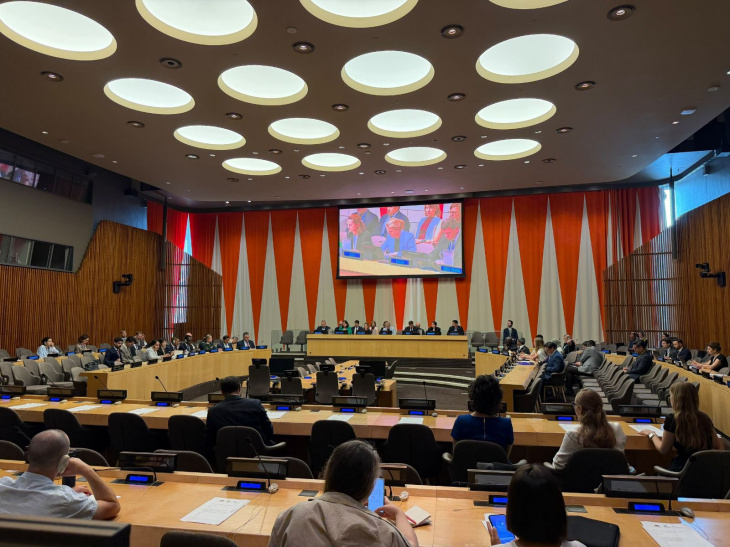
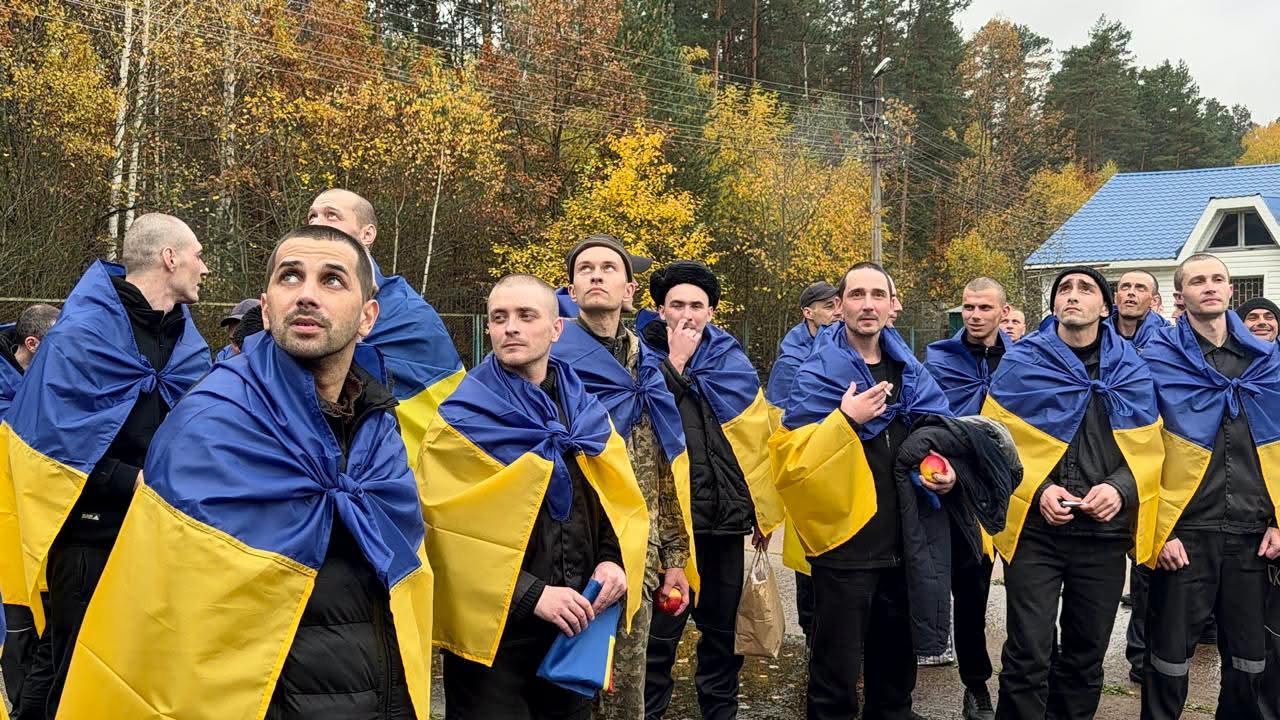
Ukraine brings home 270 Ukrainians from Russian captivity, including 35 Azov POWs
On 23 October, 270 Ukrainians were returned from Russian captivity: 261 servicemen and 9 civilians. Those released include members of the Navy, Land Forces, Air Assault Forces, State Special Transport Service, Territorial Defence Forces, Special Operations Forces and Military Law Enforcement Service, as well as the National Guard, the State Border Guard Service and a rescuer from the State Emergency Service.
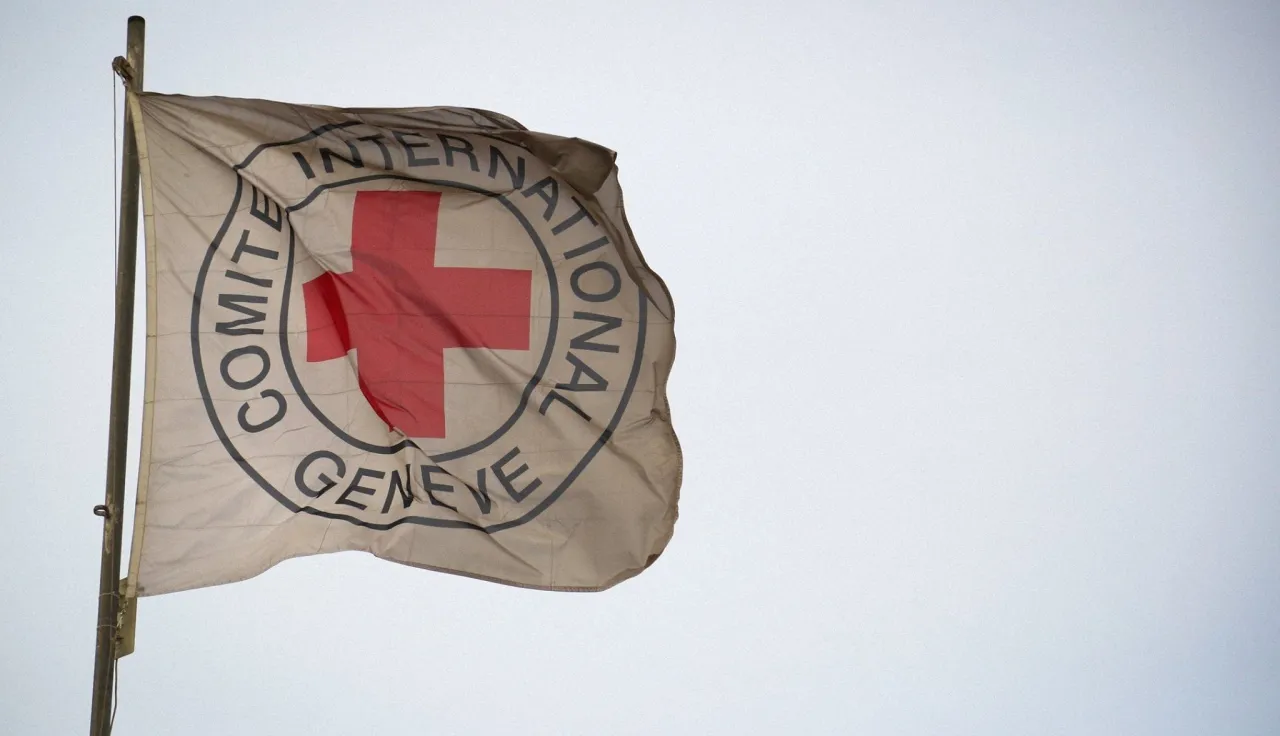
ICRC confirms it has had no access to Ukrainian POWs for two years
Russia has denied the International Committee of the Red Cross (ICRC) access to Ukrainian prisoners of war held in Russian detention since 2024. “We can confirm the lack of access to POWs in Russia since 2024,” an ICRC spokesperson told Reuters on September 18.
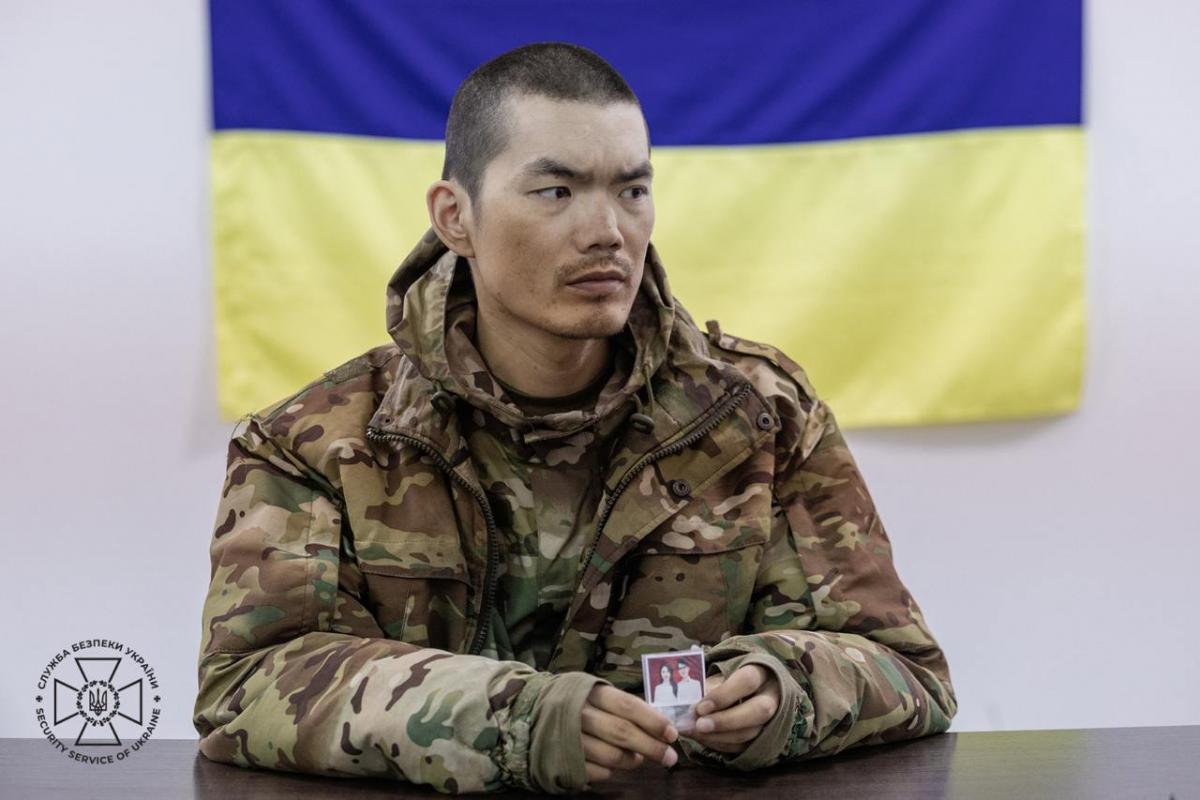
Citizens of 51 Countries Held as Prisoners of War in Ukraine
Ukraine’s Coordination Headquarters for the Treatment of Prisoners of War and the Ministry of Foreign Affairs of Ukraine have announced the launch of StopRussianRecruiters.org, an information platform documenting and exposing Russia’s deceptive recruitment of foreign nationals into its armed forces. The project also provides information about foreign prisoners of war held in Ukraine and calls on the governments of their respective countries to take diplomatic action to secure their return.
questions & answers
You can make a difference
Have a question, a message, or something important to share?
Whether it’s information, a concern, or a word of support, we want to hear from you.
Every voice matters.