
“It’s Not a War Crime If You Had Fun”: Execution of POWs as Russian State Policy
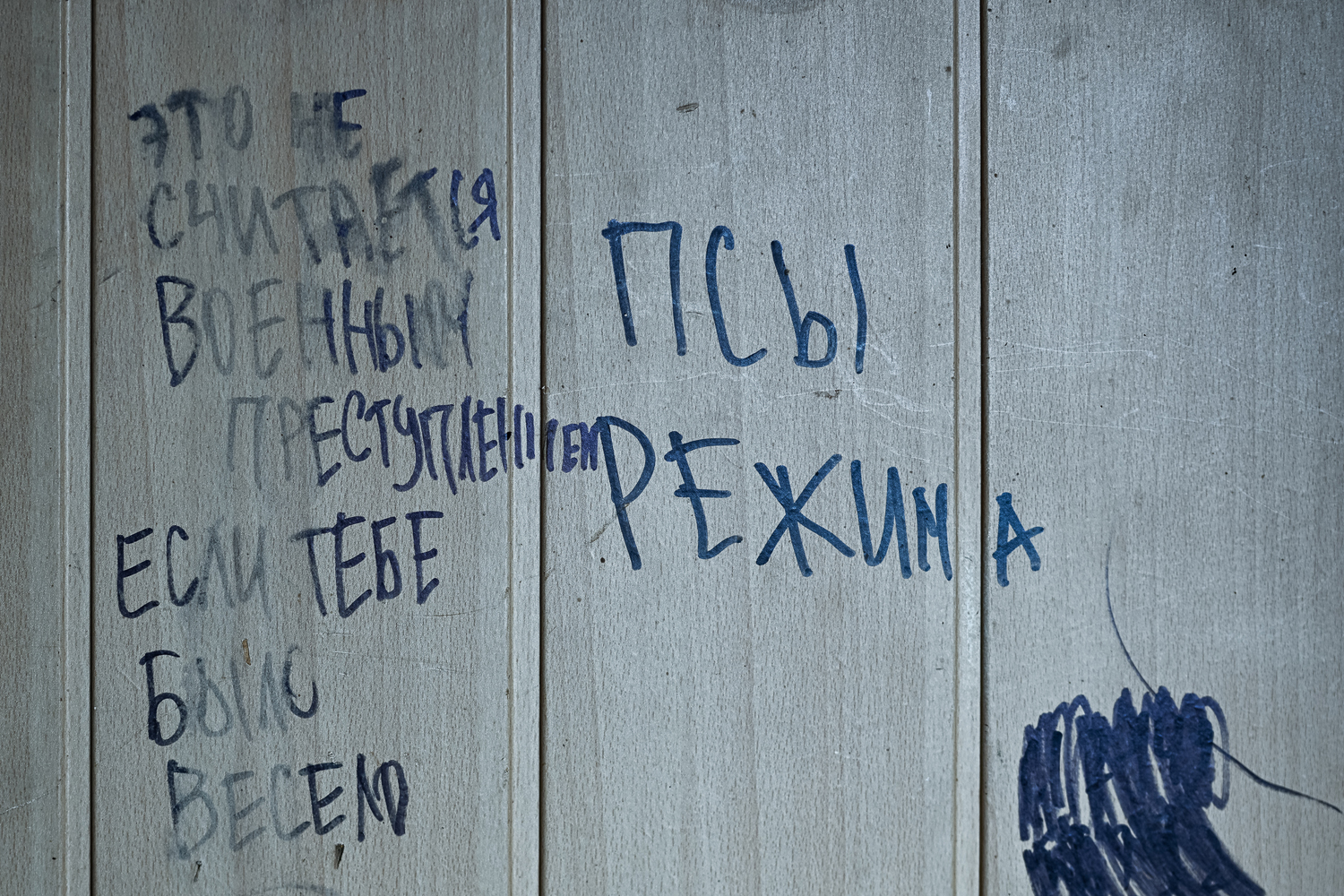
The execution and torture of prisoners of war is a Kremlin state policy, honed over decades of wars of conquest. In the course of the Russia-Ukraine war, the Russian military has taken its most brutal practices to a new level on a horrifying scale. As of the end of 2025, the Russians had executed at least 337 Ukrainian prisoners of war — a grave war crime.
Such a systematic pattern of killing prisoners of war cannot exist without encouragement from the highest levels of Russian power. The UN Special Rapporteur on extrajudicial executions, Dr. Morris Tidball-Binz, has noted: “[Executions] would not happen in such numbers and with such frequency without orders or, at the very minimum, the tacit agreement of the highest military command, which in Russia means the Presidency.”
Below are just a few documented incidents that reflect the broader pattern of arbitrary executions:
- On July 28, 2022, a video of the torture of a Ukrainian prisoner of war appeared online. The footage shows a Russian serviceman castrating the prisoner with a box cutter, tormenting him, and then killing him with a shot to the head. Some Russian opinion leaders attempted to question the video’s authenticity, while others did not dispute it. In particular, the Telegram channel of the DSHRG “Rusich” unit stated: “If one of [the Russian soldiers] made the decision to punish a Ukrainian Armed Forces fighter by castration, then he had god knows what compelling reasons for it.”
Responding to this crime, Amnesty International’s Director for Eastern Europe and Central Asia, Marie Struthers, stated:“This horrific attack is yet another blatant example of the utter disregard for human life and dignity displayed by the Russian armed forces in Ukraine.”
- On April 11, 2023, Russian Telegram channels circulated a video showing the execution of a Ukrainian prisoner of war by beheading. The footage shows the killer slitting the throat of a still-living prisoner, after which he holds the severed head up to the camera. Voices off-camera can be heard saying: “Let’s get to work, brothers,” “What, never cut a head off before?”
- On January 6, 2025, Ukraine’s Defense Intelligence (HUR) published an intercepted conversation between Russian military personnel in which the commander of a unit from the 60th Separate Motorized Rifle Brigade of the Russian Armed Forces’ 5th Army issues a criminal order to execute a Ukrainian prisoner of war: “Have a personal chat with this ‘Ukrop’ and ‘zero him out.'”
Notably, some of the documented executions have come to light through the Russian servicemen themselves, who openly post such videos on social media. Under international humanitarian law, Russia would be obligated to investigate these incidents and prosecute those responsible. Instead, in Russia, war criminals receive recognition rather than punishment. This applies in particular to the servicemen of the 64th Separate Motorized Rifle Brigade of the Russian Armed Forces, who committed mass war crimes against the civilian population during the occupation of the Kyiv region. Shortly thereafter, Russian President Putin, by presidential decree, granted the brigade the honorary title of “Guards” — “for mass heroism and valor, steadfastness and courage demonstrated by its personnel.”
Severed Ears of Prisoners as a Russian Major General’s Source of Pride
Rank-and-file servicemen are not the only ones involved in the torture and killing of Ukrainian prisoners. Journalists from Skhemy investigated the correspondence of Russian Major General Roman Dyemuryev — in his messages, he boasted to his wife about photographs of severed ears cut from prisoners.
Dialogue between the Major General (G.) and his wife (W.):
G. – My mood has lifted!!!
W. – I thought these were just tales from the Chechen days. Turns out they’re true. And what do you do with them afterwards?
G. – I’ll make a garland and give it as a gift
W. – Like pig’s ears with beer
G. – Yeah
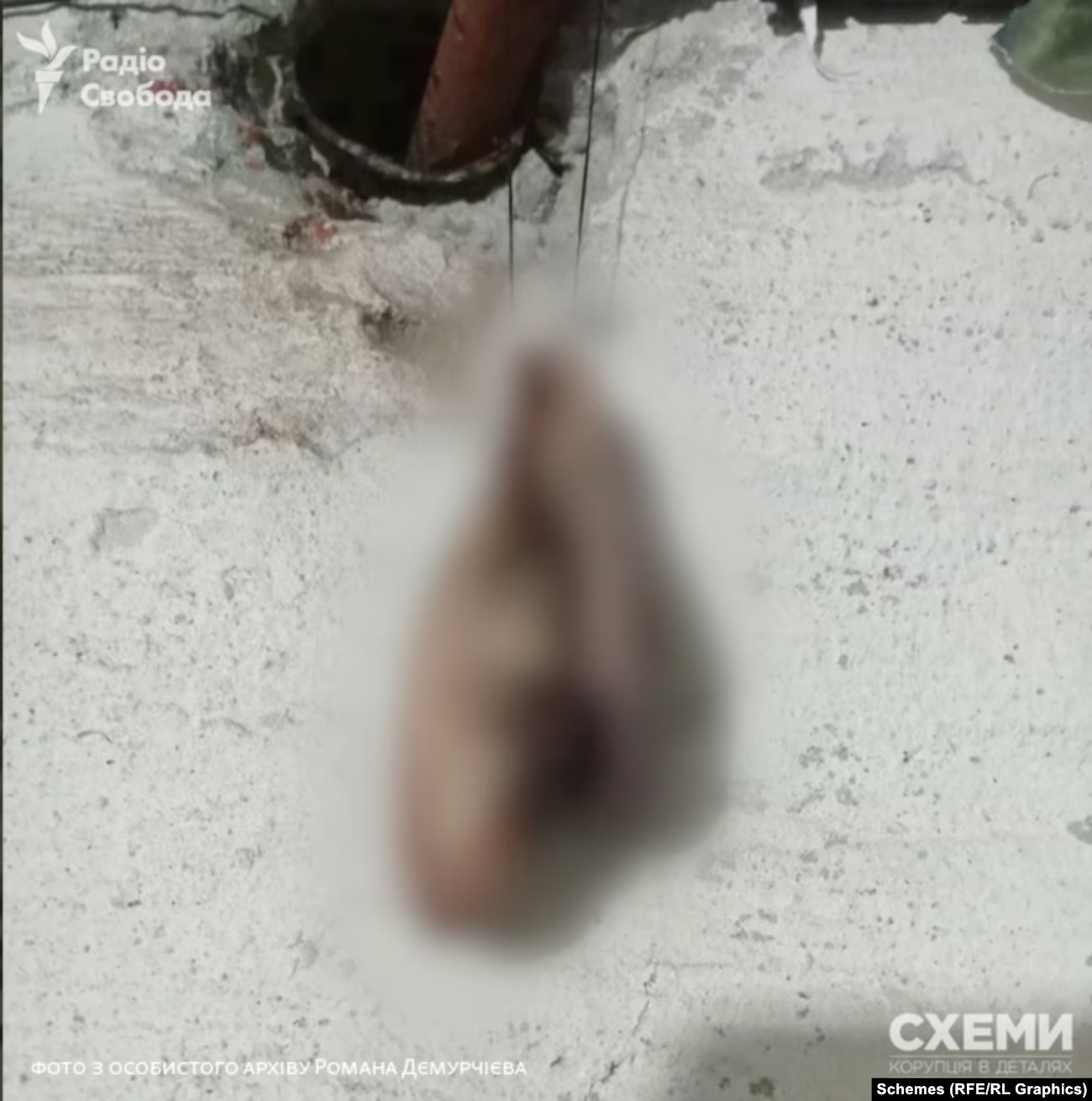
Dyemuryev shared these photos with his “colleague,” Major General Ihor Timofeyev. Upon learning that Dyemuryev had four prisoners, Timofeyev asked whether they had touched their ears “like in childhood” — an apparent reference to the Chechen War, in which both had served. During the Chechen Wars, international organizations, including Human Rights Watch, documented numerous cases of torture and execution of prisoners.
The journalists also found in his correspondence an image captioned “It’s not a war crime if you had fun”, which he forwarded to his contacts. This confirms that Russian military personnel not only are aware of their crimes — they take pleasure in them.
The Olenivka Massacre — the Most Grievous Crime Against Ukrainian POWs
Russia displays particular brutality toward certain categories of prisoners. On the night of July 29, 2022, at a detention facility in occupied Olenivka, a mass execution of Ukrainian prisoners of war took place. An explosion occurred in a separate barrack to which prisoners from the Azov unit had been exclusively transferred the day before, and as a result, 53 prisoners died, while more than 130 sustained serious injuries.
Following the explosion, the facility’s administration blocked ambulances from entering the compound for another six hours. Guards calmly watched as prisoners attempted to rescue their wounded brothers-in-arms and retrieve the bodies of the dead. Given the rigid chain of command in Russia, a massacre of this scale could not have been an unsanctioned decision by the leadership of an individual facility — the sequence of events indicates that the execution was premeditated. Despite the international community’s demands to investigate the crime, Russia blocked access to the site for independent missions, including a UN commission.
Accountability for the Execution of POWs Must Be Inevitable
Justice is not merely a matter of morality; it is a prerequisite for preventing future crimes. This is precisely why Ukraine’s Office of the Prosecutor General is not waiting for the war to end but is already building evidence in each case. The process is, however, extremely painstaking and time-consuming: as of the end of January 2026, Ukraine had registered more than 212,000 war crimes committed by Russia, yet only 446 cases have reached the courts. This is because, unlike Russia, Ukraine investigates these cases in full compliance with due process of law.
Office of the Prosecutor General emphasizes that in absentia proceedings are no less significant than in-person trials:
“Even though we currently have no access to these individuals, we hope that such access will be obtained in the future and that they will face the punishment determined by the court. In addition, this is an opportunity to present evidence to the court now and to allow witnesses and victims to participate in the process.”
The evidence gathered by Ukraine will form the foundation for bringing war criminals to justice in the future, including through the Special Tribunal on the Crime of Aggression Against Ukraine. Ukraine’s international partners must support the restoration of justice by:
- applying the principle of universal jurisdiction and ensuring the extradition of war criminals,
- providing resources and support for the effective functioning of the Special Tribunal on the Crime of Aggression Against Ukraine,
- imposing targeted personal sanctions against war criminals.
It is also critical that the International Criminal Court begin investigating the war crime at the Olenivka detention facility, as it is currently the only judicial body capable of holding accountable those who made the decisions to carry out this crime.
Impunity inevitably breeds greater violence. Russian military personnel who tortured prisoners during the Chechen Wars continue to commit atrocities in Ukraine decades later — and are passing these practices on to a new generation of Russian soldiers. Every crime must be met with consequences.
Popular Articles
see more
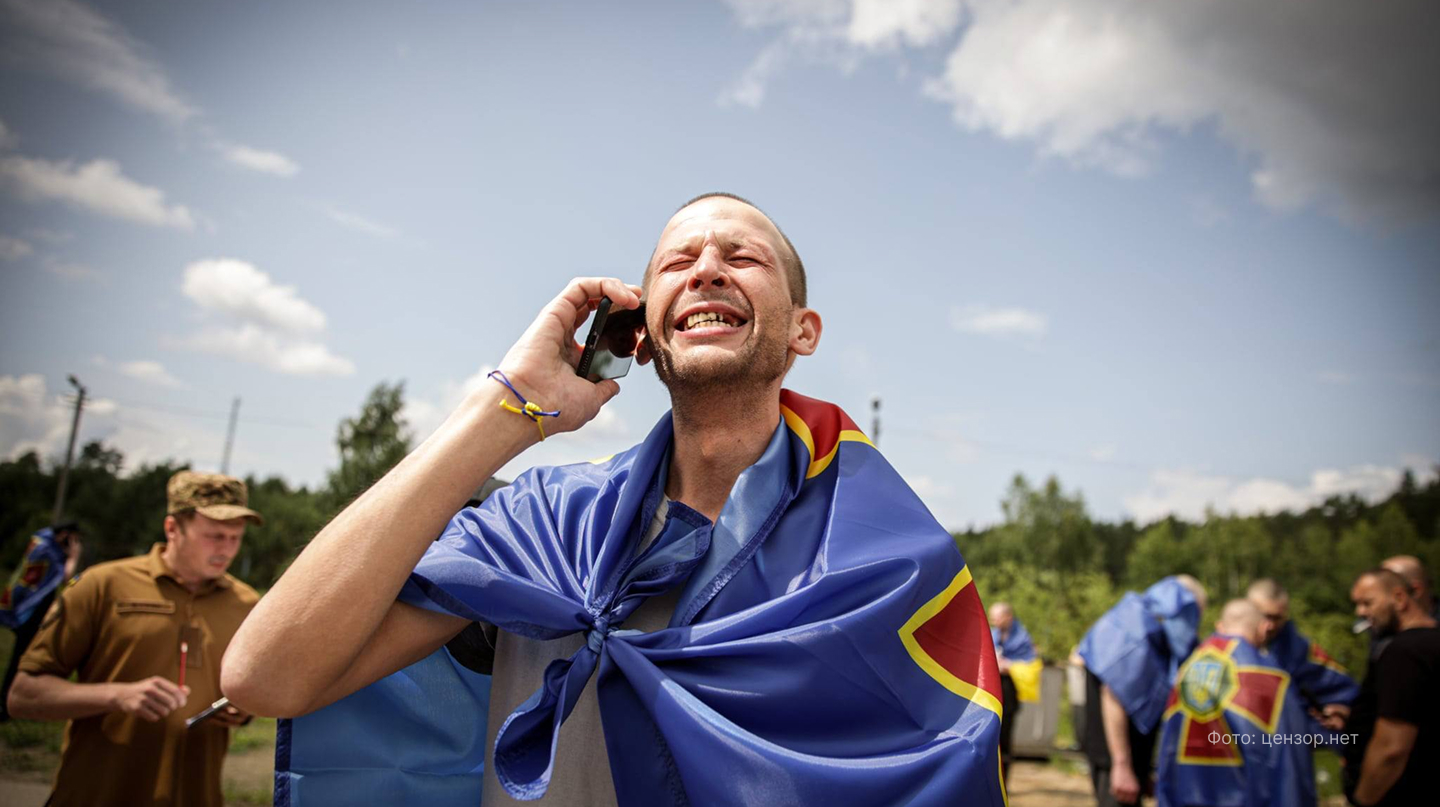
“The captives were forced to walk with their heads down”: how the rehabilitation of released Ukrainian soldiers takes place
Ukrainian servicemen released from Russian captivity often arrive at the National Guard’s medical centre in extremely poor condition, both physically and psychologically.
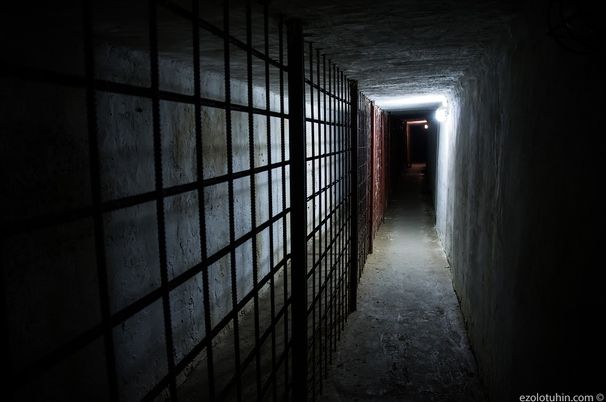
Russia has established a network of torture chambers for Ukrainian prisoners of war.
There are at least five secret prisons in Russia holding Ukrainian POWs, which human rights defenders discovered only in the fourth year of the full-scale war. These facilities have no official addresses or procurement records and may be sites of torture and sexual violence.
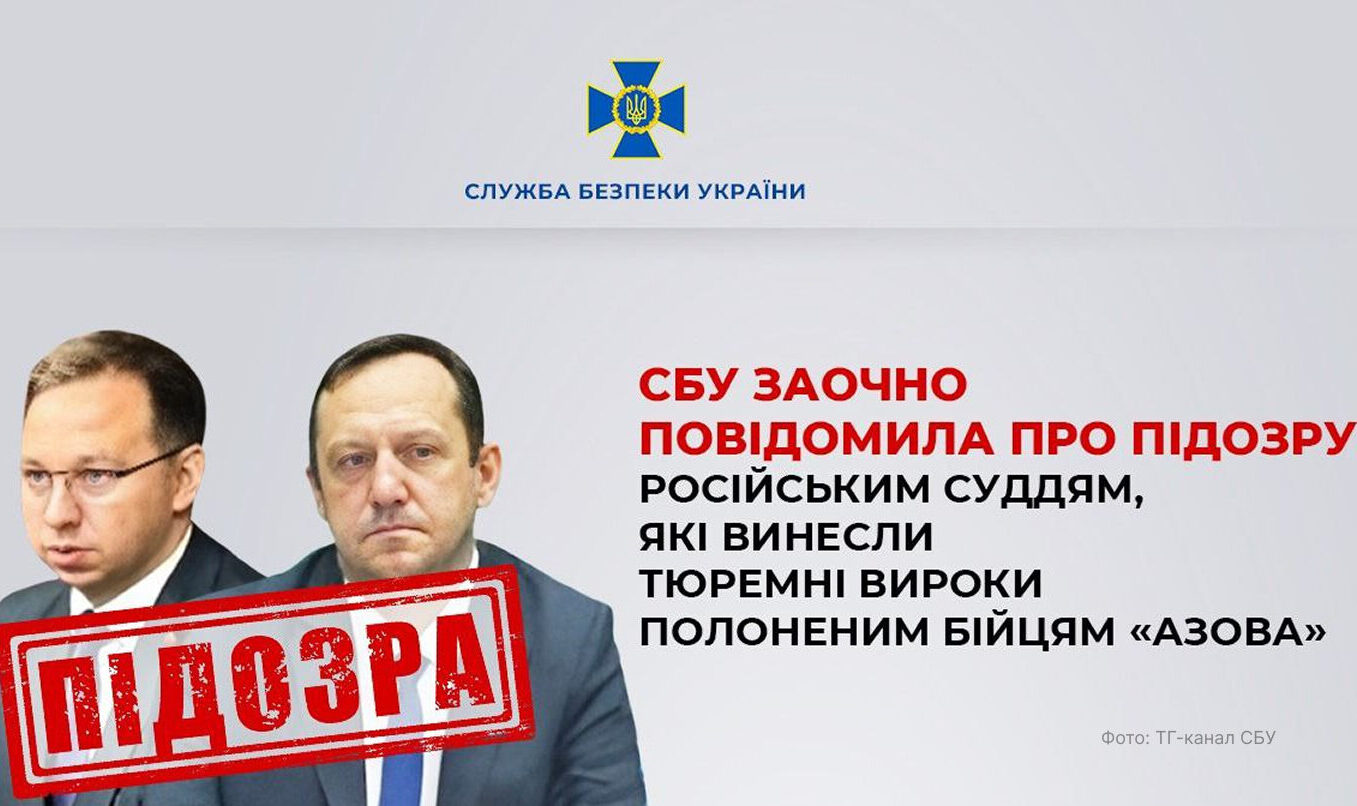
SBU presses charges against russian judges for the unlawful sentencing of Azov Brigade POWs
The Security Service of Ukraine (SBU) has charged in absentia two judges of Russia’s Southern District Military Court, Konstantin Prostov and Sergey Obraztsov, with war crimes against Ukrainian prisoners of war.
questions & answers
You can make a difference
Have a question, a message, or something important to share?
Whether it’s information, a concern, or a word of support, we want to hear from you.
Every voice matters.