
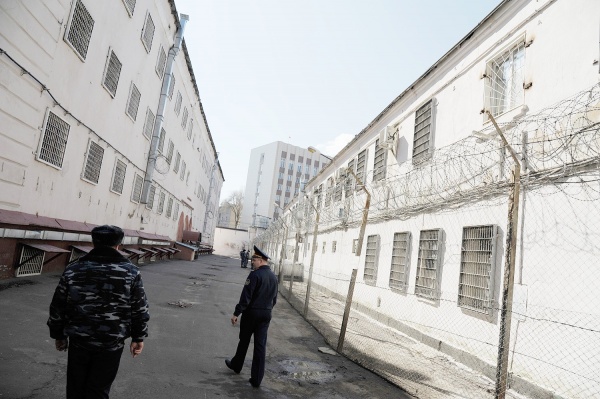
Voronezh Pre-Trial Detention Centre No. 1
Voronezh, Voronezh Oblast
Russia
Pre-Trial Detention Center
Active
Pre-trial detention center No. 1 in Voronezh is a penitentiary facility where, alongside Russian criminals – including juveniles – the Russian Federation also holds Ukrainian prisoners of war. According to Russian media reports, this detention center is known for its harsh conditions, violations of sanitary and fire safety standards, and staff negligence.
Ukrainian prisoners of war held in Voronezh SIZO No. 1 are subjected to beatings and abuse on a daily basis.
Beatings and abuse of POWs in various forms constitute a daily practice among staff at Voronezh Pre-trial Detention Center No. 1. Electric shock devices are routinely applied until fully discharged. According to testimonies, at times the smell of burning flesh was noticeable, yet the staff did not stop and continued administering electric shocks.
The walks involve setting dogs on prisoners. At the same time, they are forbidden from walking upright – they are forced to keep their heads bowed nearly to knee level.
Every morning and evening, cells are inspected. POWs are taken out into the corridor and made to stand facing the wall with their legs and arms spread wide. Every such inspection is accompanied by abuse. Beatings with wooden batons are common, breaking noses, dislocating knee joints, and striking prisoners across the back.
Little is known about the provision of medical assistance at Voronezh Pre-trial Detention Center No. 1. According to testimonies, seeking medical help was dangerous, as such requests could be met with severe beatings.
In the cells where Ukrainian prisoners of war were held, Russian World War II-era songs were constantly played at high volume. Every morning, the Russian national anthem was played without fail, and POWs were forced to sing along. Those who stumbled over the words or did not know them were beaten.
Released prisoner of war Serhiy recalled in an interview with the Media Initiative for Human Rights that a local prosecutor would occasionally visit for inspections and ask: “Is everything all right with you?” Most would answer: “Yes.” Anyone who expressed dissatisfaction was brutally punished. He also recalled that during his several months in captivity at Voronezh Pre-trial Detention Center No. 1, he managed to talk five fellow prisoners out of suicide.
Overview
Pre-trial detention center No. 1 in Voronezh is a penitentiary facility where, alongside Russian criminals – including juveniles – the Russian Federation also holds Ukrainian prisoners of war. According to Russian media reports, this detention center is known for its harsh conditions, violations of sanitary and fire safety standards, and staff negligence.
Ukrainian prisoners of war held in Voronezh SIZO No. 1 are subjected to beatings and abuse on a daily basis.
Torture & Abuse
Beatings and abuse of POWs in various forms constitute a daily practice among staff at Voronezh Pre-trial Detention Center No. 1. Electric shock devices are routinely applied until fully discharged. According to testimonies, at times the smell of burning flesh was noticeable, yet the staff did not stop and continued administering electric shocks.
The walks involve setting dogs on prisoners. At the same time, they are forbidden from walking upright – they are forced to keep their heads bowed nearly to knee level.
Every morning and evening, cells are inspected. POWs are taken out into the corridor and made to stand facing the wall with their legs and arms spread wide. Every such inspection is accompanied by abuse. Beatings with wooden batons are common, breaking noses, dislocating knee joints, and striking prisoners across the back.
Medical Care
Little is known about the provision of medical assistance at Voronezh Pre-trial Detention Center No. 1. According to testimonies, seeking medical help was dangerous, as such requests could be met with severe beatings.
Psychological Pressure
In the cells where Ukrainian prisoners of war were held, Russian World War II-era songs were constantly played at high volume. Every morning, the Russian national anthem was played without fail, and POWs were forced to sing along. Those who stumbled over the words or did not know them were beaten.
Testimonies
Released prisoner of war Serhiy recalled in an interview with the Media Initiative for Human Rights that a local prosecutor would occasionally visit for inspections and ask: “Is everything all right with you?” Most would answer: “Yes.” Anyone who expressed dissatisfaction was brutally punished. He also recalled that during his several months in captivity at Voronezh Pre-trial Detention Center No. 1, he managed to talk five fellow prisoners out of suicide.
News
see more
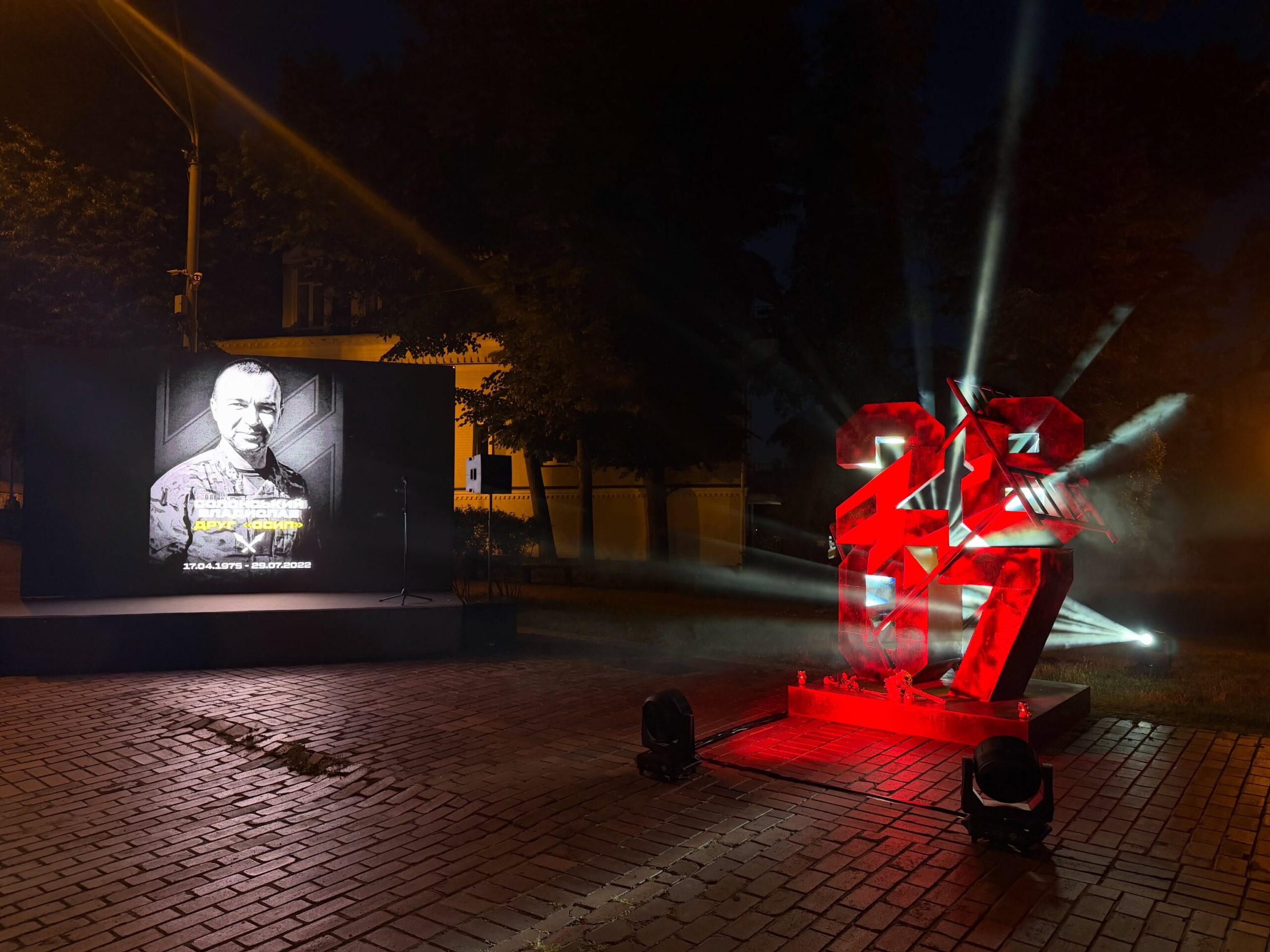


ICRC confirms it has had no access to Ukrainian POWs for two years
Russia has denied the International Committee of the Red Cross (ICRC) access to Ukrainian prisoners of war held in Russian detention since 2024. “We can confirm the lack of access to POWs in Russia since 2024,” an ICRC spokesperson told Reuters on September 18.
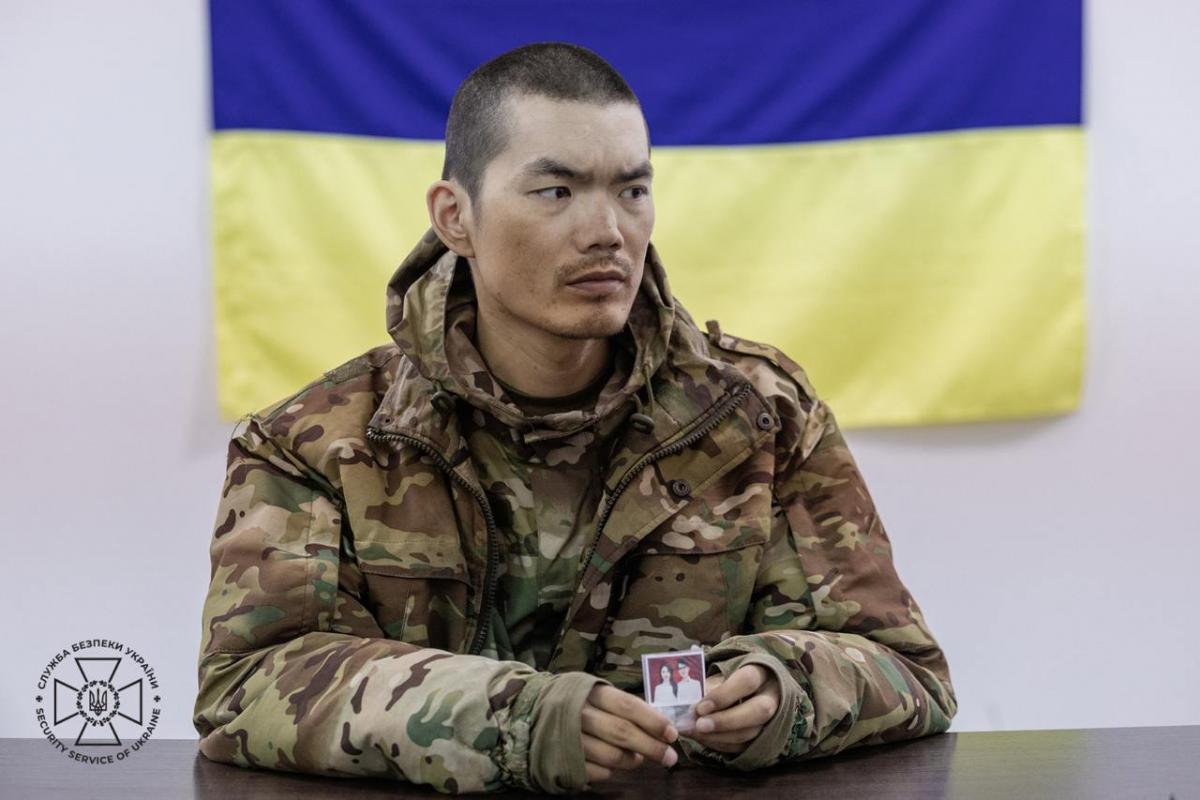
Citizens of 51 Countries Held as Prisoners of War in Ukraine
Ukraine’s Coordination Headquarters for the Treatment of Prisoners of War and the Ministry of Foreign Affairs of Ukraine have announced the launch of StopRussianRecruiters.org, an information platform documenting and exposing Russia’s deceptive recruitment of foreign nationals into its armed forces. The project also provides information about foreign prisoners of war held in Ukraine and calls on the governments of their respective countries to take diplomatic action to secure their return.
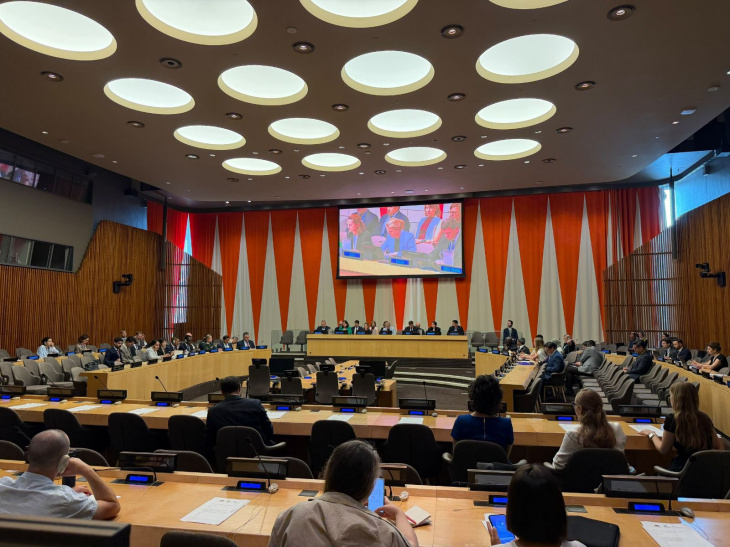
The UN Security Council holds an Arria-formula meeting on Ukrainian POWs
On August 10, the UN Security Council held an Arria-formula meeting at UN Headquarters in New York, dedicated to Russia's systematic violations of international humanitarian law against Ukrainian prisoners of war, civilian detainees, and foreign nationals. The event was convened by Latvia and the United Kingdom at Ukraine's initiative.
questions & answers
You can make a difference
Have a question, a message, or something important to share?
Whether it’s information, a concern, or a word of support, we want to hear from you.
Every voice matters.