
UN Commission: Russia’s unlawful trials of Ukrainians constitute war crimes
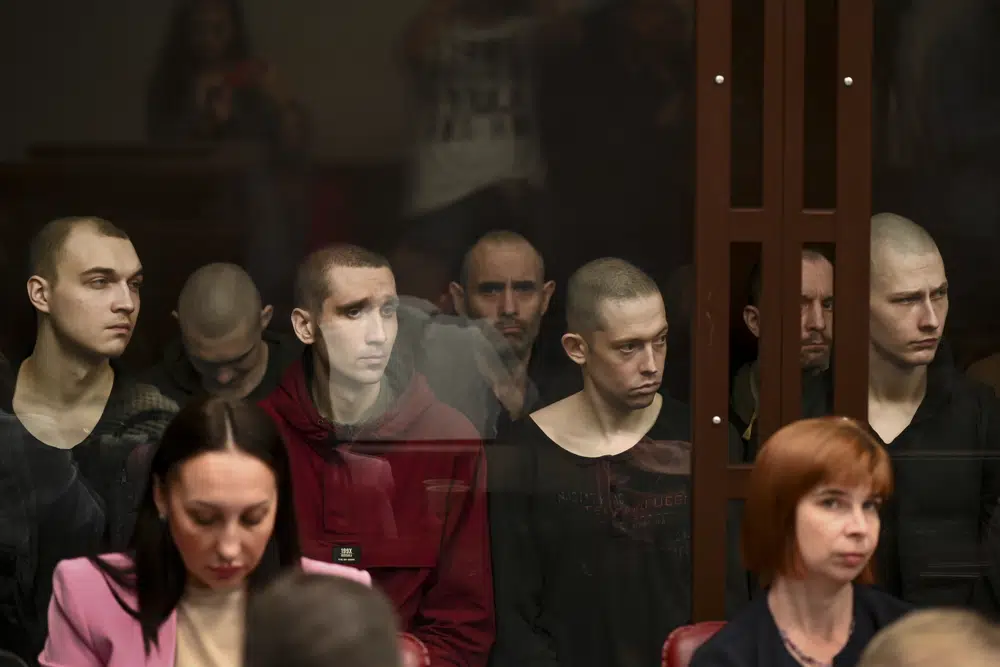
Fabricated evidence, unfair trials, testimonies extracted under torture, and other serious violations have been documented by the UN Independent International Commission of Inquiry on Ukraine. The Commission examined trials conducted by the Russian Federation in the context of its full-scale invasion of Ukraine and concluded that Russian courts have violated international humanitarian law, which constitutes a war crime.
“This was a theatre of farce, where we were mere observers. It was a one-sided game. We couldn’t even speak. All petitions raised by our lawyers were dismissed,” the Commission quotes a person who went through such proceedings.
Among other findings, the UN Commission established the following:
- The accused were charged under Russian criminal law – mostly for crimes related to terrorism, espionage, or violent seizure of power. On these charges, they were sentenced to imprisonment ranging from eight to 25 years, or life imprisonment.
- Courts systematically violated fair trial guarantees. Judges did not act with independence and impartiality. The wording of judgments often indicated that the guilt of the accused was presumed from the outset.
- Personnel of the Federal Security Service, the Investigative Committee of the Russian Federation, and other bodies systematically used torture to extract confessions, record false statements, and force the signature of documents. These materials were subsequently used in trials and disseminated in the media for propaganda purposes.
- Judges regularly disregarded the rights of the accused, as well as the arguments raised by the defendants themselves or by their lawyers.
- The accused were vilified in the eyes of the public through propaganda spread by pro-government media, creating prejudice against them even before verdicts were delivered.
- Russian courts refused to recognise the status of prisoners of war for Ukrainian combatants, claiming that the Russian Federation is only conducting a “special military operation”.
The UN Commission notes that in the cases it investigated, courts convicted prisoners of war from the «Azov», Aidar, or Donbas units solely for their membership in these units. In doing so, they ignored a fundamental principle of international humanitarian law – combatants participating in hostilities as part of the armed forces of their country cannot be criminally prosecuted solely for taking part in hostilities.
«Azov» is targeted by Russian courts
The report states that in almost identical judgments against prisoners of war from the «Azov» Regiment, the court noted that “the main ideology of «Azov» is neo-Nazism” and that members of the regiment allegedly fulfilled the criminal objectives of the organisation. In another judgment, the court stated: “The fact that the participants in the «Azov» battalion have been committing crimes of a terrorist character is well-known,” using this claim as an argument that the accused had joined the unit with the intention of participating in terrorist activities.
In cases concerning prisoners of war from «Azov», courts also relied on a decision of the Supreme Court of the Russian Federation from August 2022, which declared «Azov» a terrorist organisation. However, Russian courts frequently applied this decision to acts that had alledgedly occurred before the ruling was adopted, in violation of the principle of non-retroactivity of the law.
The Commission concluded that violations of fair trial guarantees, as well as crimes and violations committed during pre-trial investigations, occurred according to a well-established pattern, demonstrating their systematic nature.
News
see more
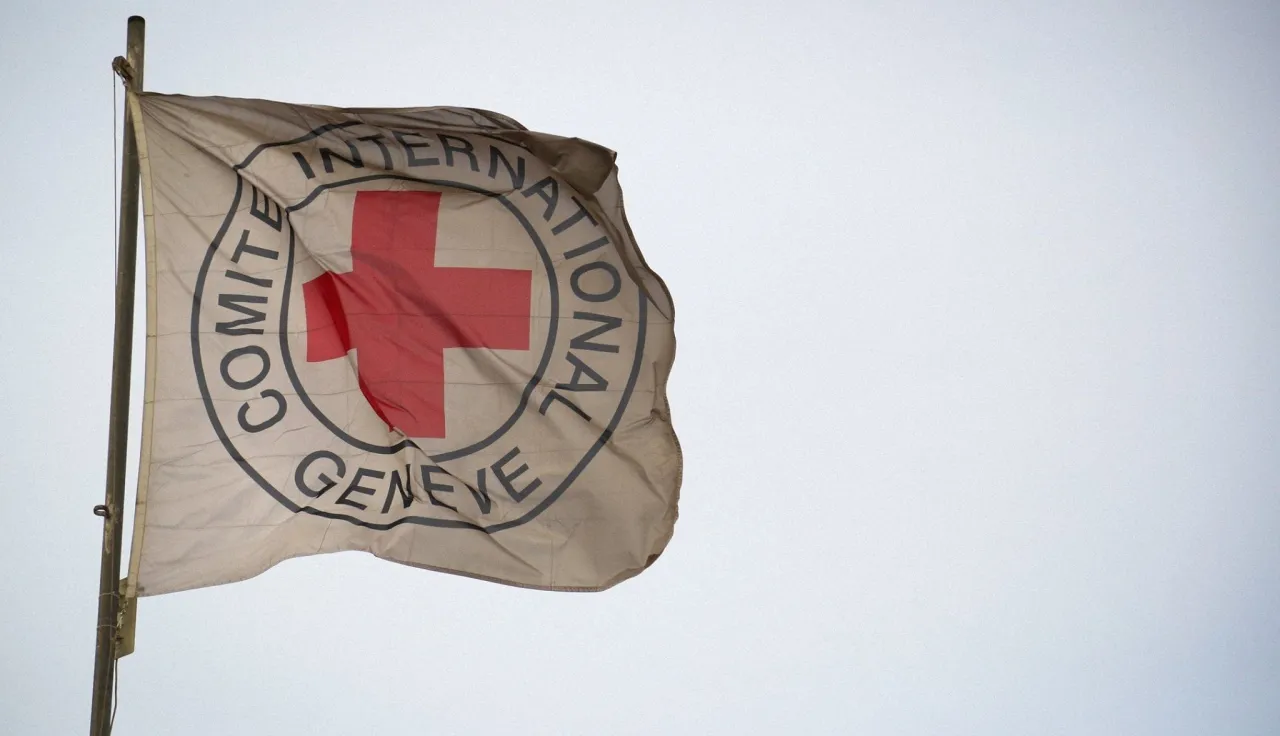
ICRC confirms it has had no access to Ukrainian POWs for two years
Russia has denied the International Committee of the Red Cross (ICRC) access to Ukrainian prisoners of war held in Russian detention since 2024. “We can confirm the lack of access to POWs in Russia since 2024,” an ICRC spokesperson told Reuters on September 18.
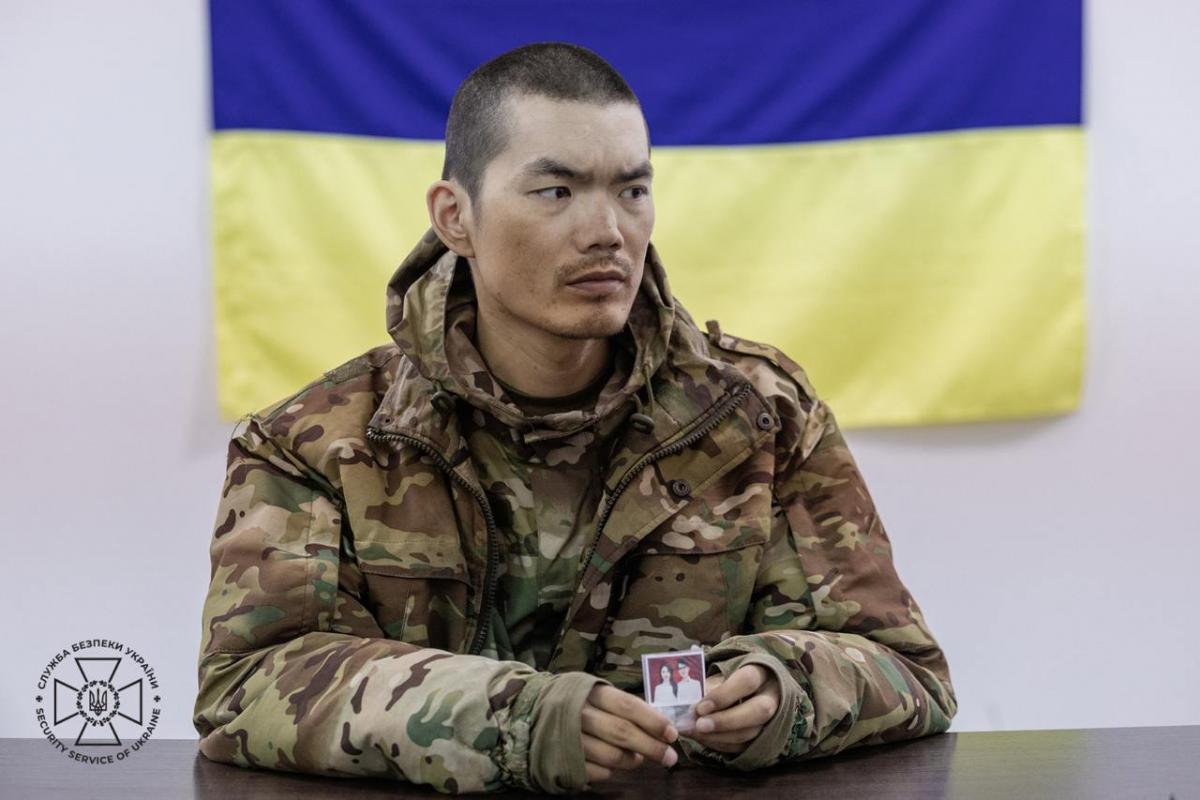
Citizens of 51 Countries Held as Prisoners of War in Ukraine
Ukraine’s Coordination Headquarters for the Treatment of Prisoners of War and the Ministry of Foreign Affairs of Ukraine have announced the launch of StopRussianRecruiters.org, an information platform documenting and exposing Russia’s deceptive recruitment of foreign nationals into its armed forces. The project also provides information about foreign prisoners of war held in Ukraine and calls on the governments of their respective countries to take diplomatic action to secure their return.
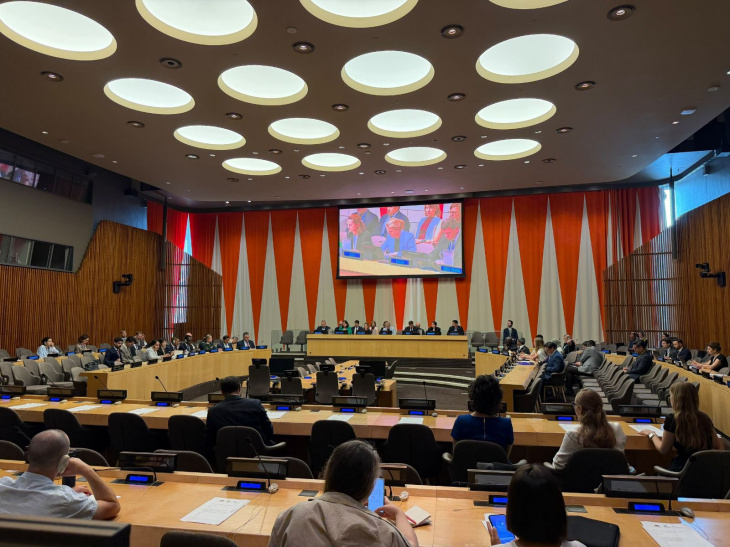
The UN Security Council holds an Arria-formula meeting on Ukrainian POWs
On August 10, the UN Security Council held an Arria-formula meeting at UN Headquarters in New York, dedicated to Russia's systematic violations of international humanitarian law against Ukrainian prisoners of war, civilian detainees, and foreign nationals. The event was convened by Latvia and the United Kingdom at Ukraine's initiative.
questions & answers
You can make a difference
Have a question, a message, or something important to share?
Whether it’s information, a concern, or a word of support, we want to hear from you.
Every voice matters.