
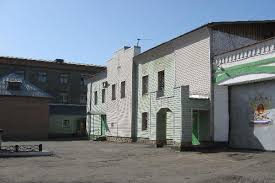
Biysk Pre-Trial Detention Centre No. 2
Biysk, Altai krai
Russia
Pre-Trial Detention Centre
Active
Pre-trial Detention Centre No. 2 in Biysk, Altai Krai, is a facility where Russians hold Ukrainian prisoners of war and illegally detained civilians. As in other places of detention, beatings, torture of POWs, psychological abuse, malnutrition and lack of medical care are commonplace in Biysk. Detention centre staff hide their faces from prisoners by wearing balaclavas and forbid them from looking them in the eyes. Any action, from going to the toilet to drinking water, requires permission from the guards.
Transportation to the detention centre in Siberia takes about a week: prisoners are transported by train in caged wagons, without proper conditions. Instead of a toilet, they are given empty bottles.
According to the testimony of those released, the conditions in the Biysk pre-trial detention centre are among the most brutal compared to other places where they have been held. At the same time, this is where POWs are prepared for exchange: shortly before their return, they are washed, fed and checked to ensure that they have no bruises.
There is testimony that conditions improved before the visit of the representative of the Human Rights Commissioner in the Russian Federation, but later everything returned to its previous state.
The ill-treatment begins immediately during the so-called “acceptance” procedure. At the entrance to the detention centre, prisoners are forced to run blindfolded. During this time, they are beaten, including with electric shock devices, pushed and knocked down.
The POWs were forced to stand throughout the day. Those who were released say that the senior guards sometimes allowed them to sit down or talk quietly. At the same time, the junior guards regularly abused the prisoners.
They were brutally interrogated by local operatives. Valentyn, a Ukrainian who was released, recalls that the interrogation lasted about six hours, after which he was unable to return to his cell on his own and had to be dragged across the floor. The man recalled:
“They took me into a room and asked me what interesting things I could tell them. I replied that I had been sitting there for almost three years, so nothing. At that moment, they started beating me on the legs with their boots, and then with a stun gun on my groin, neck and back.”
According to his recollections, the worst place was the bathhouse. There, naked POWs were forced to walk bent over with their eyes closed. At the same time, they were beaten with electric shocks, hands and sticks. A former prisoner recalled for the Media Initiative for Human Rights:
“They killed people there. They beat them so badly that the guys lost consciousness. If you have to go to a bathhouse like that, you’d rather be shot,” says one of the prisoners. “God forbid you turn your head and look at the guard, because then you can consider yourself dead.”
In need of medical assistance, Ukrainian prisoners had to repeatedly request help from detention centre staff. Due to inadequate conditions, even a minor wound could develop into a festering ulcer. Doctors rarely visited, and in response to complaints, they would often provide the same antibiotic to everyone.
The prisoners were given only a few minutes to eat. The portions were small, and the food itself was of poor quality. The POWs were fed porridge, cabbage and boiled fish. The distribution of food was uneven: some were given larger portions, others smaller ones. This was done to provoke conflicts between the prisoners.
Sanitary conditions in the cells were unacceptable: almost no sunlight entered the rooms, it was damp inside and there was a lack of fresh air. In such conditions, funguses even grew on the windowsills.
Psychological abuse is another form of torture used against prisoners in Pre-Trial Detention Centre No. 2 in Biysk. They were subjected to propaganda narratives aimed at discrediting the Ukrainian authorities. Also, according to testimonies, there were cases when guards forced POWs to kneel and repeat information about their family, work, service, etc. without stopping and without the right to pause.
“Twice a day, they took us out for inspection, where they beat us with stun guns and batons all over our bodies. We were only allowed to move with a bag over our heads. One of my friends was bitten by a dog on the way to the bathhouse, and they only brought him medicine a couple of days later,” said former POW Valentyn Rozhkov.
“They told me I was boring and sluggish. They promised to cheer me up. With particular cynicism, the operative asked how long ago I had called home and put clamps on my fingers,” he added.
Shortly before the exchanges, the detention centre staff began to behave differently: “When they prepare us [for the exchange], they wash, bathe us and change clothes if they are torn. They fill something out and talk loyally: ‘Don’t fall, don’t bump into anything, so you don’t get bruises. We heard this, and the next day they talked about the exchanges on the radio.”
Overview
Pre-trial Detention Centre No. 2 in Biysk, Altai Krai, is a facility where Russians hold Ukrainian prisoners of war and illegally detained civilians. As in other places of detention, beatings, torture of POWs, psychological abuse, malnutrition and lack of medical care are commonplace in Biysk. Detention centre staff hide their faces from prisoners by wearing balaclavas and forbid them from looking them in the eyes. Any action, from going to the toilet to drinking water, requires permission from the guards.
Transportation to the detention centre in Siberia takes about a week: prisoners are transported by train in caged wagons, without proper conditions. Instead of a toilet, they are given empty bottles.
According to the testimony of those released, the conditions in the Biysk pre-trial detention centre are among the most brutal compared to other places where they have been held. At the same time, this is where POWs are prepared for exchange: shortly before their return, they are washed, fed and checked to ensure that they have no bruises.
There is testimony that conditions improved before the visit of the representative of the Human Rights Commissioner in the Russian Federation, but later everything returned to its previous state.
Torture & Abuse
The ill-treatment begins immediately during the so-called “acceptance” procedure. At the entrance to the detention centre, prisoners are forced to run blindfolded. During this time, they are beaten, including with electric shock devices, pushed and knocked down.
The POWs were forced to stand throughout the day. Those who were released say that the senior guards sometimes allowed them to sit down or talk quietly. At the same time, the junior guards regularly abused the prisoners.
They were brutally interrogated by local operatives. Valentyn, a Ukrainian who was released, recalls that the interrogation lasted about six hours, after which he was unable to return to his cell on his own and had to be dragged across the floor. The man recalled:
“They took me into a room and asked me what interesting things I could tell them. I replied that I had been sitting there for almost three years, so nothing. At that moment, they started beating me on the legs with their boots, and then with a stun gun on my groin, neck and back.”
According to his recollections, the worst place was the bathhouse. There, naked POWs were forced to walk bent over with their eyes closed. At the same time, they were beaten with electric shocks, hands and sticks. A former prisoner recalled for the Media Initiative for Human Rights:
“They killed people there. They beat them so badly that the guys lost consciousness. If you have to go to a bathhouse like that, you’d rather be shot,” says one of the prisoners. “God forbid you turn your head and look at the guard, because then you can consider yourself dead.”
Medical Care
In need of medical assistance, Ukrainian prisoners had to repeatedly request help from detention centre staff. Due to inadequate conditions, even a minor wound could develop into a festering ulcer. Doctors rarely visited, and in response to complaints, they would often provide the same antibiotic to everyone.
Food & Sanitation
The prisoners were given only a few minutes to eat. The portions were small, and the food itself was of poor quality. The POWs were fed porridge, cabbage and boiled fish. The distribution of food was uneven: some were given larger portions, others smaller ones. This was done to provoke conflicts between the prisoners.
Sanitary conditions in the cells were unacceptable: almost no sunlight entered the rooms, it was damp inside and there was a lack of fresh air. In such conditions, funguses even grew on the windowsills.
Psychological Pressure
Psychological abuse is another form of torture used against prisoners in Pre-Trial Detention Centre No. 2 in Biysk. They were subjected to propaganda narratives aimed at discrediting the Ukrainian authorities. Also, according to testimonies, there were cases when guards forced POWs to kneel and repeat information about their family, work, service, etc. without stopping and without the right to pause.
Testimonies & Reports
“Twice a day, they took us out for inspection, where they beat us with stun guns and batons all over our bodies. We were only allowed to move with a bag over our heads. One of my friends was bitten by a dog on the way to the bathhouse, and they only brought him medicine a couple of days later,” said former POW Valentyn Rozhkov.
“They told me I was boring and sluggish. They promised to cheer me up. With particular cynicism, the operative asked how long ago I had called home and put clamps on my fingers,” he added.
Shortly before the exchanges, the detention centre staff began to behave differently: “When they prepare us [for the exchange], they wash, bathe us and change clothes if they are torn. They fill something out and talk loyally: ‘Don’t fall, don’t bump into anything, so you don’t get bruises. We heard this, and the next day they talked about the exchanges on the radio.”
News
see more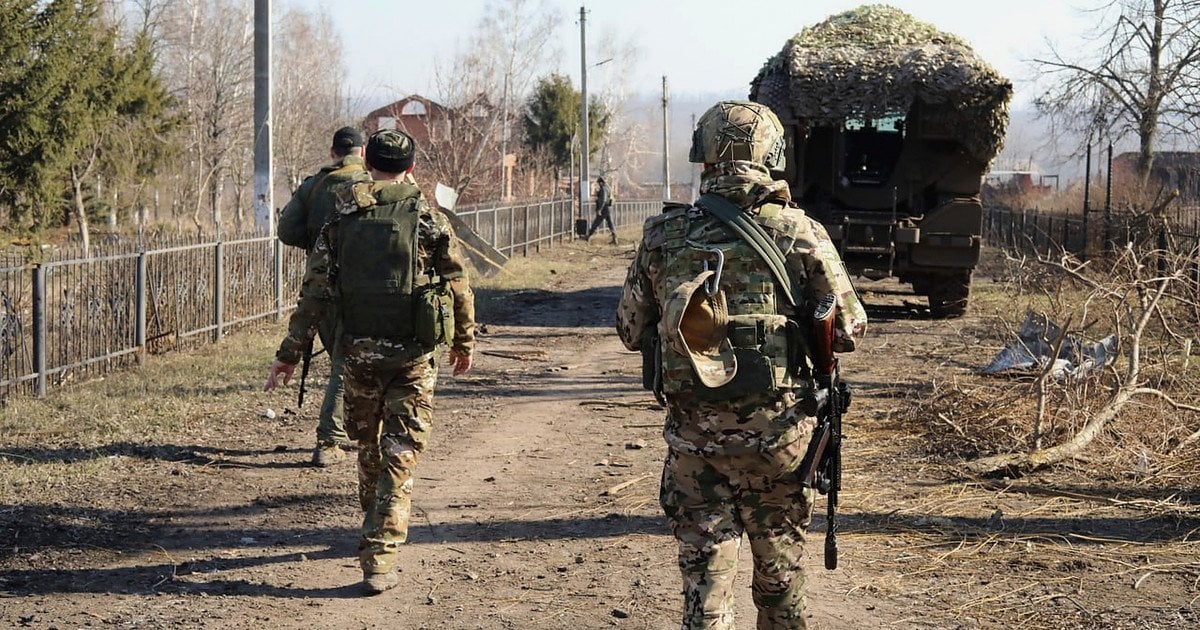


ICRC confirms it has had no access to Ukrainian POWs for two years
Russia has denied the International Committee of the Red Cross (ICRC) access to Ukrainian prisoners of war held in Russian detention since 2024. “We can confirm the lack of access to POWs in Russia since 2024,” an ICRC spokesperson told Reuters on September 18.
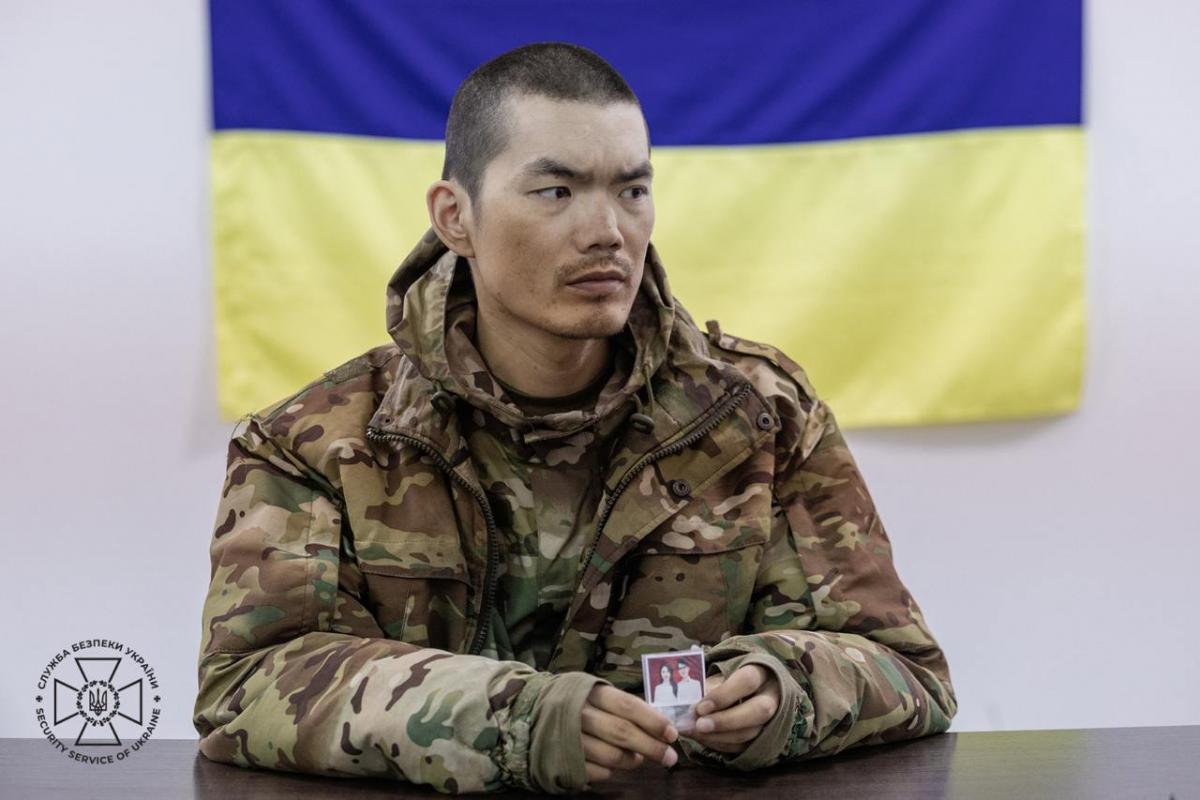
Citizens of 51 Countries Held as Prisoners of War in Ukraine
Ukraine’s Coordination Headquarters for the Treatment of Prisoners of War and the Ministry of Foreign Affairs of Ukraine have announced the launch of StopRussianRecruiters.org, an information platform documenting and exposing Russia’s deceptive recruitment of foreign nationals into its armed forces. The project also provides information about foreign prisoners of war held in Ukraine and calls on the governments of their respective countries to take diplomatic action to secure their return.
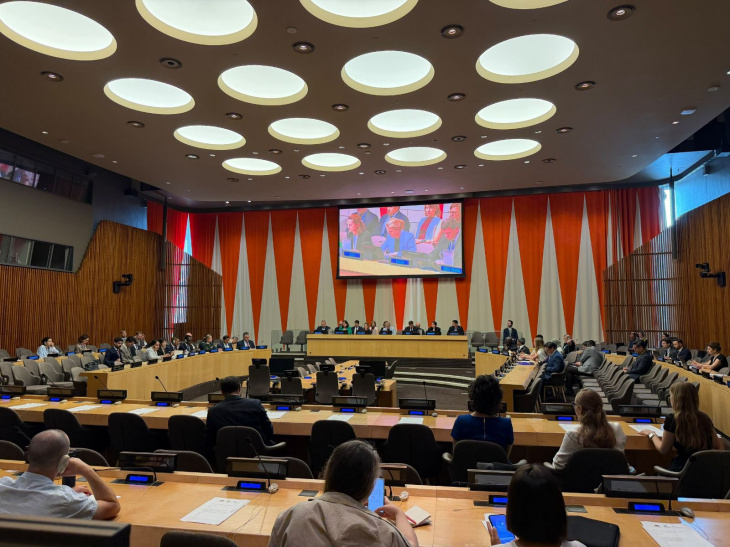
The UN Security Council holds an Arria-formula meeting on Ukrainian POWs
On August 10, the UN Security Council held an Arria-formula meeting at UN Headquarters in New York, dedicated to Russia's systematic violations of international humanitarian law against Ukrainian prisoners of war, civilian detainees, and foreign nationals. The event was convened by Latvia and the United Kingdom at Ukraine's initiative.
questions & answers
You can make a difference
Have a question, a message, or something important to share?
Whether it’s information, a concern, or a word of support, we want to hear from you.
Every voice matters.