
Russia withdraws from the Convention against torture
Russian President Putin has signed a law withdrawing from the European Convention for the Prevention of Torture and Inhuman or Degrading Treatment or Punishment. The document was published on the official legal information portal of the Russian Federation.
The explanatory note stated that this was due to Russia’s exclusion from the Council of Europe in 2022, as this meant that from 2023 onwards, the procedure for electing a new member of the European Committee for the Prevention of Torture from the Russian Federation would be suspended.
The Council of Europe developed the Convention in 1987. Russia ratified it in 1996. The document introduced a mechanism for preventing torture. Experts from the European Committee for the Prevention of Torture have the right to visit places of detention, record their conditions, and compile reports based on this data. Signatory countries are obliged to eliminate these violations.
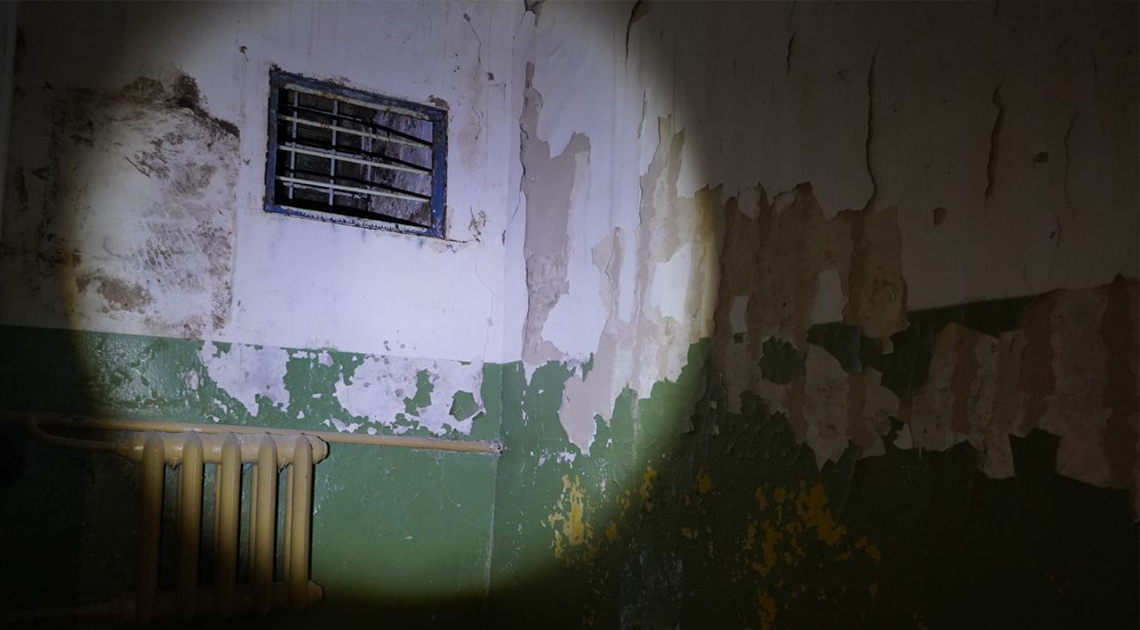
After signing the withdrawal, Russia is no longer obliged to allow international inspections, and complaints from people in places of detention will no longer be considered.
“The denunciation means that the Kremlin is deliberately avoiding international control and depriving the world of leverage to respond to the facts of torture in prisons in the Russian Federation and in the temporarily occupied territories where Ukrainian prisoners of war and civilians are being held. It is also a clear political signal that Moscow does not recognize European standards and is no longer committed to rules that protect human dignity. In wartime, such a rejection of control mechanisms inevitably increases the risks of massive and systematic human rights violations,” said Ukrainian Ombudsman Dmytro Lubinets.
News
see more
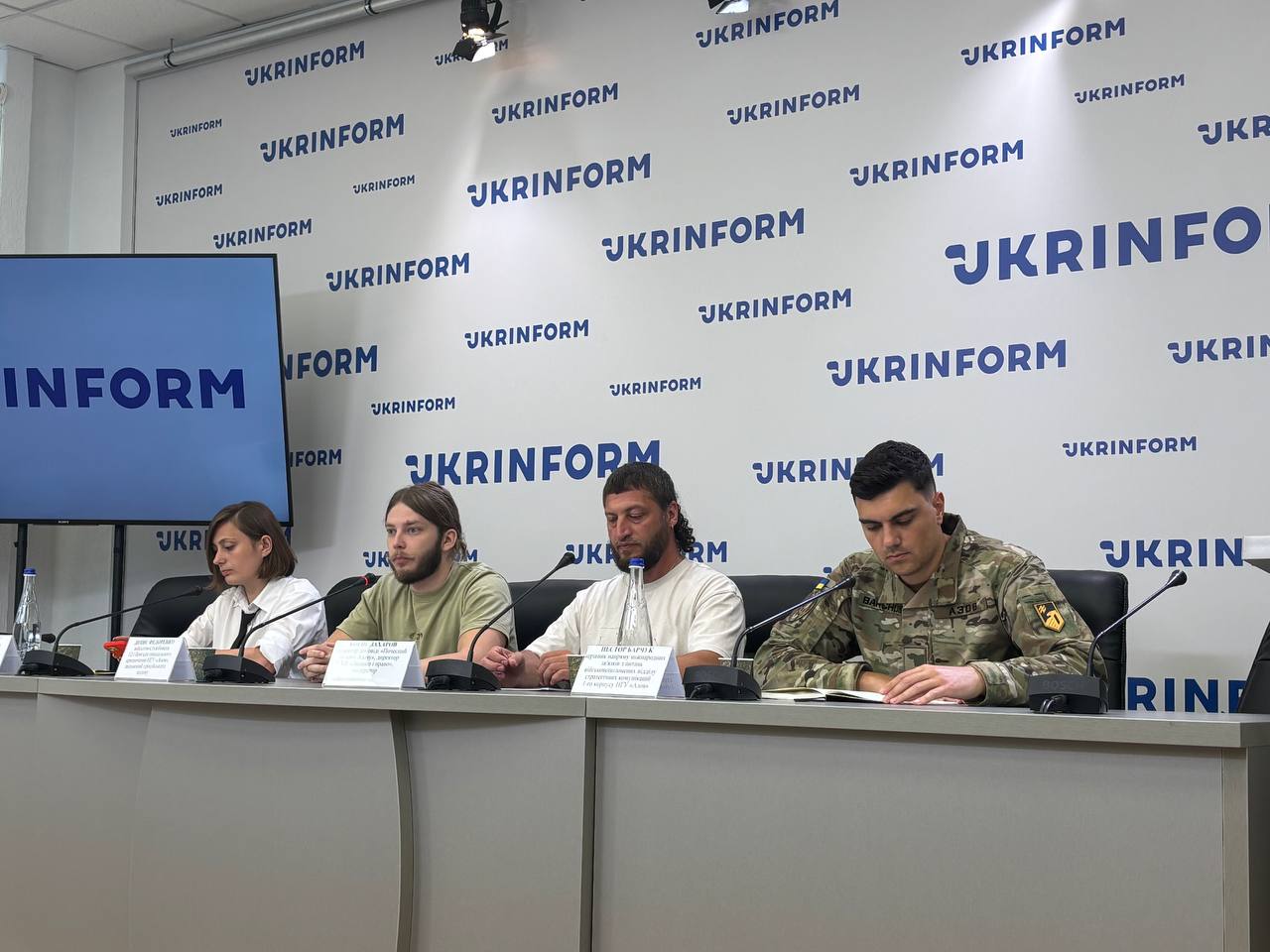
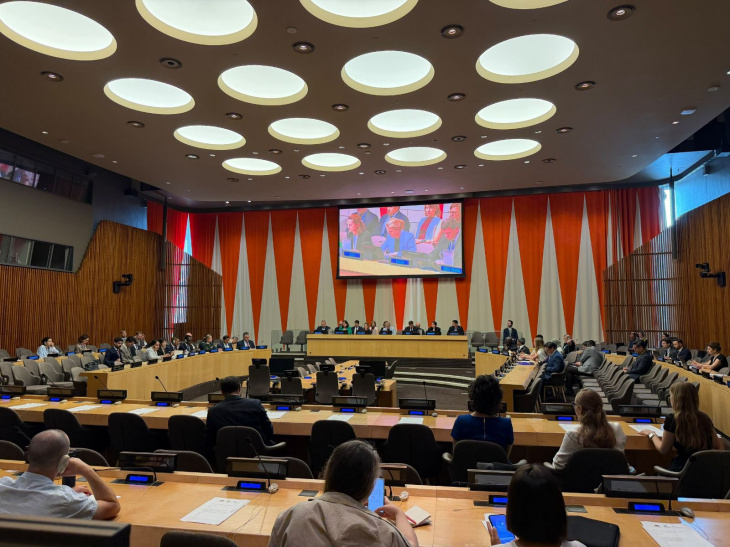
The UN Security Council holds an Arria-formula meeting on Ukrainian POWs
On August 10, the UN Security Council held an Arria-formula meeting at UN Headquarters in New York, dedicated to Russia's systematic violations of international humanitarian law against Ukrainian prisoners of war, civilian detainees, and foreign nationals. The event was convened by Latvia and the United Kingdom at Ukraine's initiative.
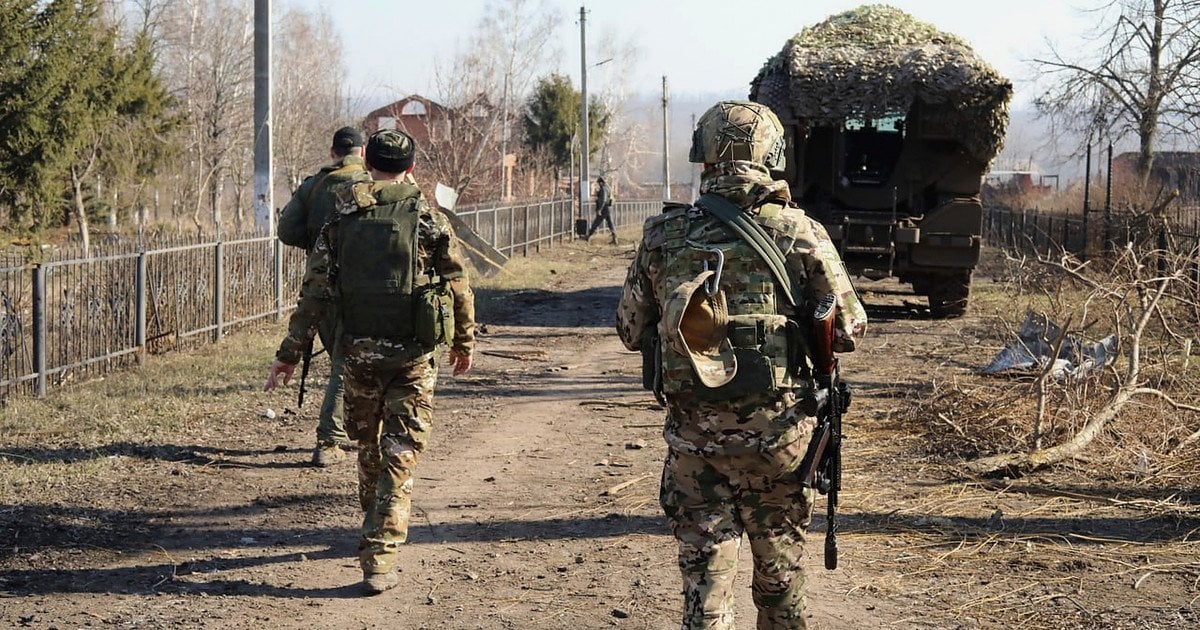
Russia forms military unit from Ukrainian POWs in violation of the Geneva Convention
Russia has formed a new military unit made up of Ukrainian prisoners of war and former servicemen of the Armed Forces of Ukraine. The creation of the so-called "First Ukrainian Volunteer Special Purpose Brigade" became known on August 6. The unit was incorporated into the "Volunteer Corps" of Russia's Ministry of Defense.
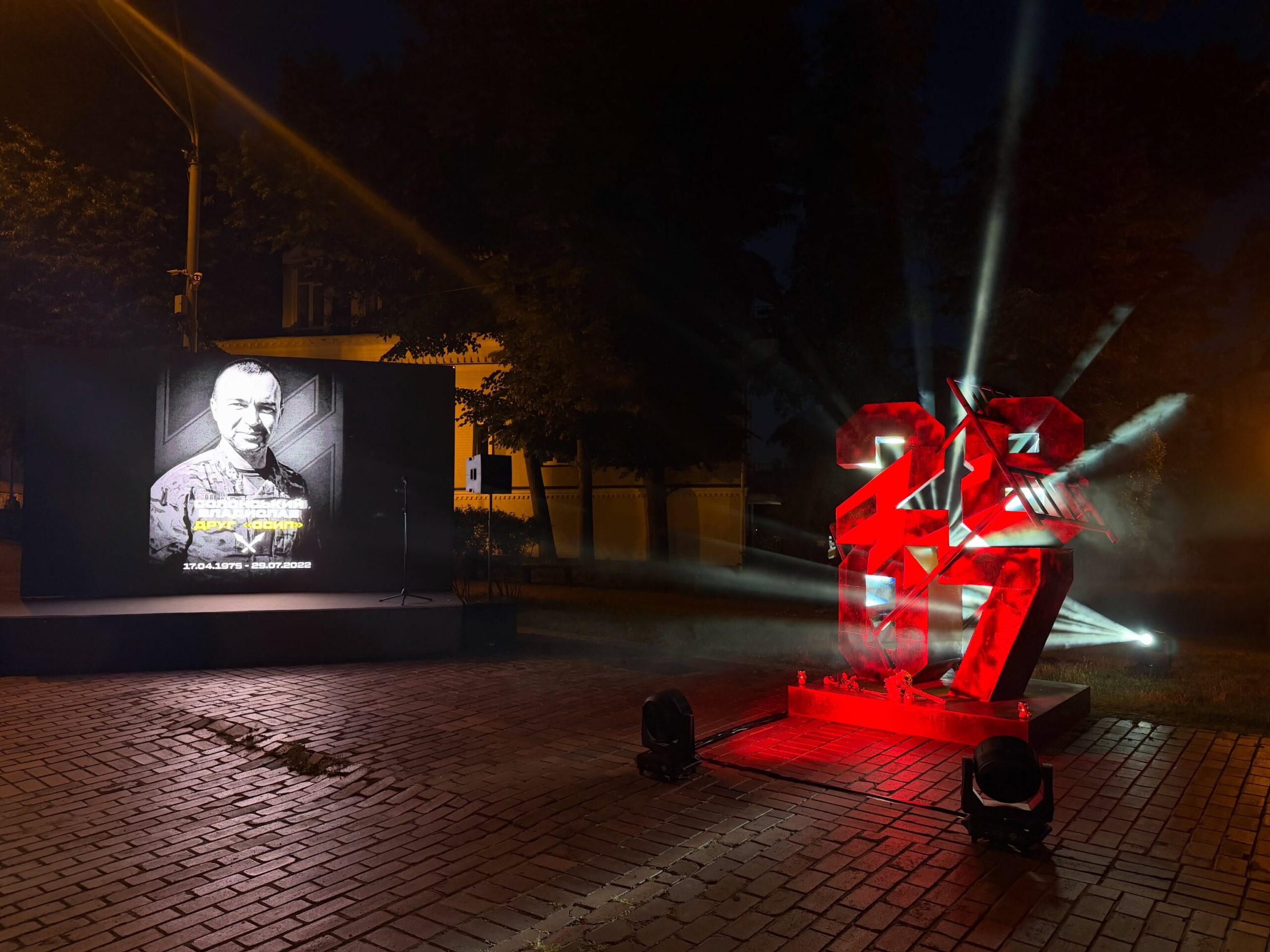
Fourth anniversary of the Olenivka attack: memorial installation unveiled in Kyiv
A permanent memorial installation commemorating the victims of the Russian terrorist attack in Olenivka has been unveiled at Mykhailivska Square in Kyiv, the Association of Azovstal Defenders’ Families announced.
questions & answers
You can make a difference
Have a question, a message, or something important to share?
Whether it’s information, a concern, or a word of support, we want to hear from you.
Every voice matters.