
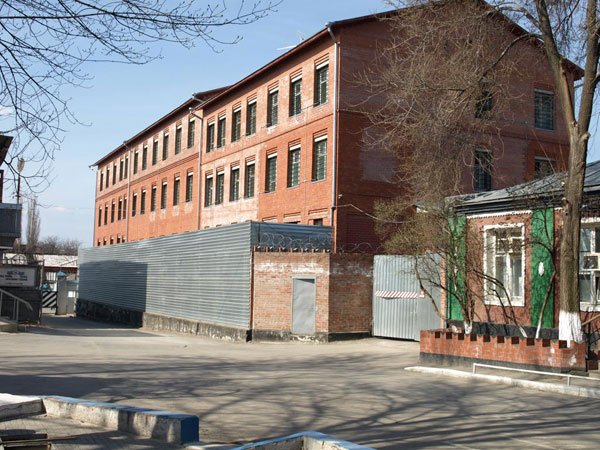
Rostov-on-Don Pre-Trial Detention Centre No. 5
Rostov-on-Don
Russia
Pre-Trial Detention Centre
Active
Overview
The pre-trial detention centre No. 5 in Rostov-on-Don is one of the known locations where Ukrainian prisoners of war, specifically members of the Azov Brigade, have been held following their capture. In May 2022, Russian state media reported that some Azov POWs were transferred there.
Torture & Abuse
In July 2024, Azov POW Oleksandr Ishchenko died in Pre-Trial Detention Centre No. 5. An autopsy revealed multiple rib fractures and blunt chest trauma consistent with beatings and torture. His death resulted from traumatic shock caused by “contact with a blunt object”.

Medical Care
There is no information about the provision of medical care at this facility. However, the death of Oleksandr Ishchenko indicates gross medical negligence.
Psychological Pressure
While being kept in Rostov-on-Don Pre-Trial Detention Centre No. 5, Azov servicemen faced charges including the seizure of power, organising terrorist activities, and training for terrorism. The Russian prosecution has requested sentences ranging from 16 to 24 years in high-security penal colonies.
The pre-trial detention centre No. 5 in Rostov-on-Don is one of the known locations where Ukrainian prisoners of war, specifically members of the Azov Brigade, have been held following their capture. In May 2022, Russian state media reported that some Azov POWs were transferred there.
In July 2024, Azov POW Oleksandr Ishchenko died in Pre-Trial Detention Centre No. 5. An autopsy revealed multiple rib fractures and blunt chest trauma consistent with beatings and torture. His death resulted from traumatic shock caused by “contact with a blunt object”.
There is no information about the provision of medical care at this facility. However, the death of Oleksandr Ishchenko indicates gross medical negligence.
While being kept in Rostov-on-Don Pre-Trial Detention Centre No. 5, Azov servicemen faced charges including the seizure of power, organising terrorist activities, and training for terrorism. The Russian prosecution has requested sentences ranging from 16 to 24 years in high-security penal colonies.
News
see more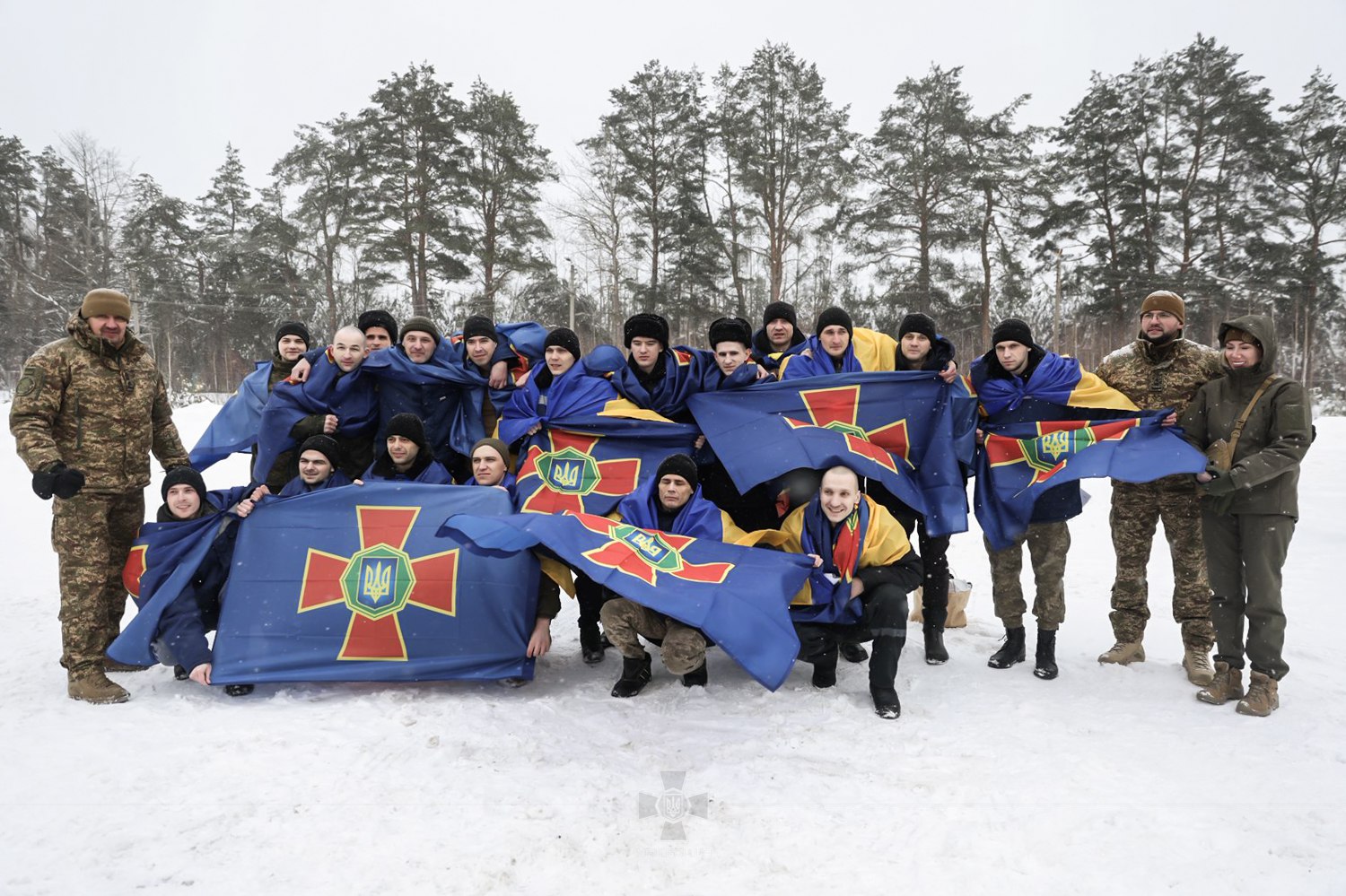
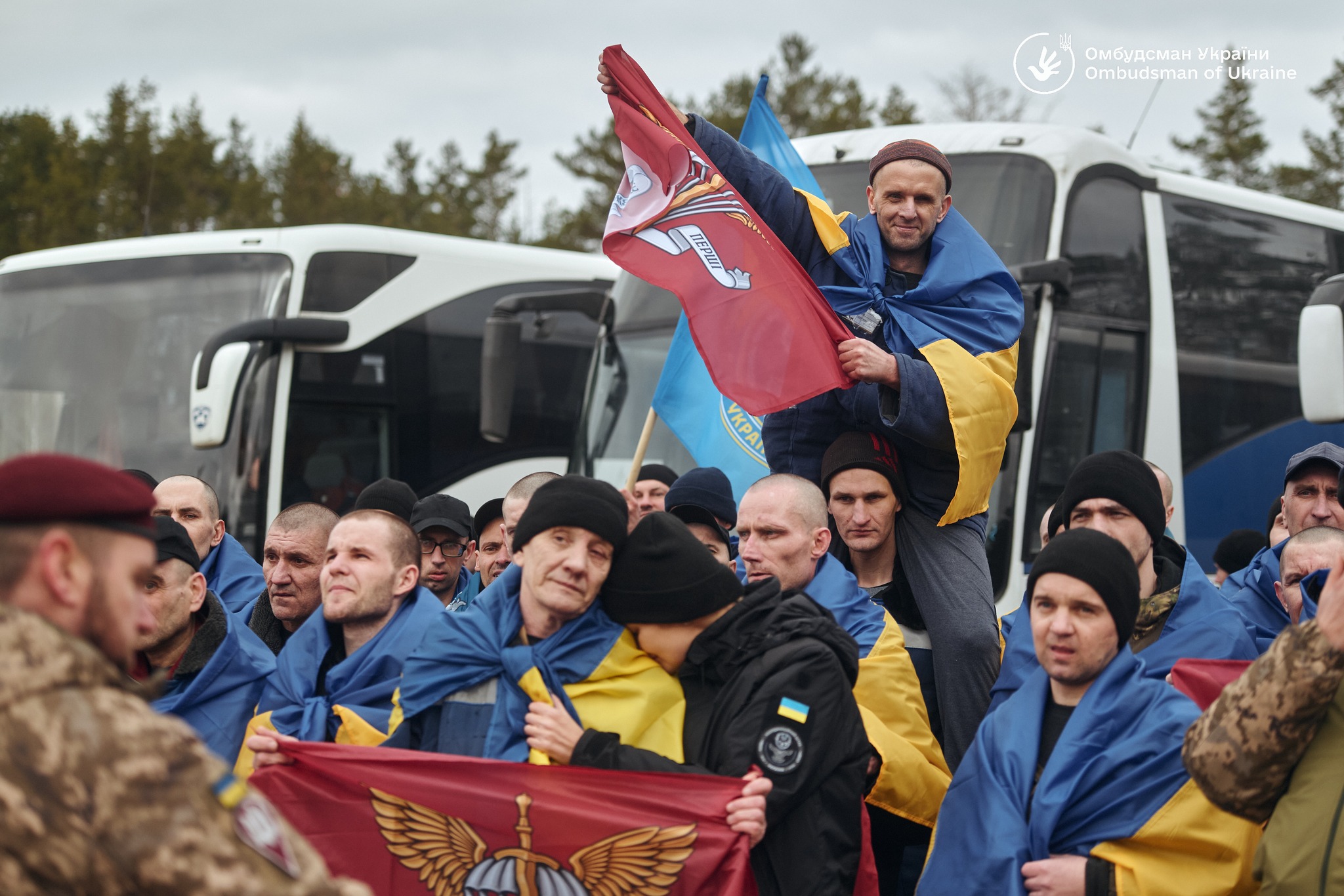
POW exchange: 500 servicemen and two civilians returned to Ukraine under agreements reached in Geneva
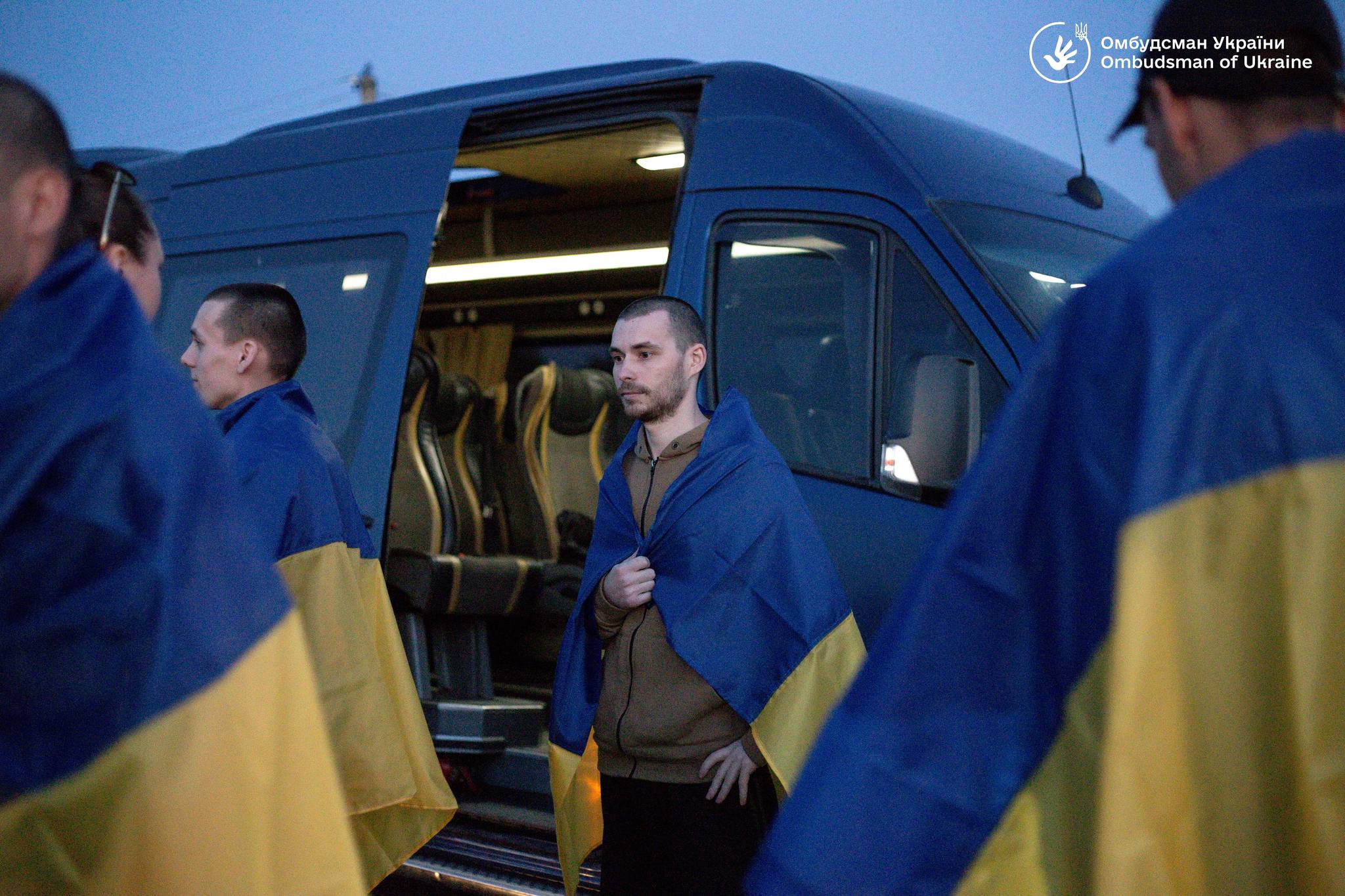
On 5-6 March 2026, a two-day exchange of prisoners of war took place between Ukraine and Russia. On the first day, 200 military personnel returned to Ukraine, and on the second day, another 300. Separately, two civilians were also returned. The exchange was made possible by agreements reached in Geneva with the mediation of the United States.
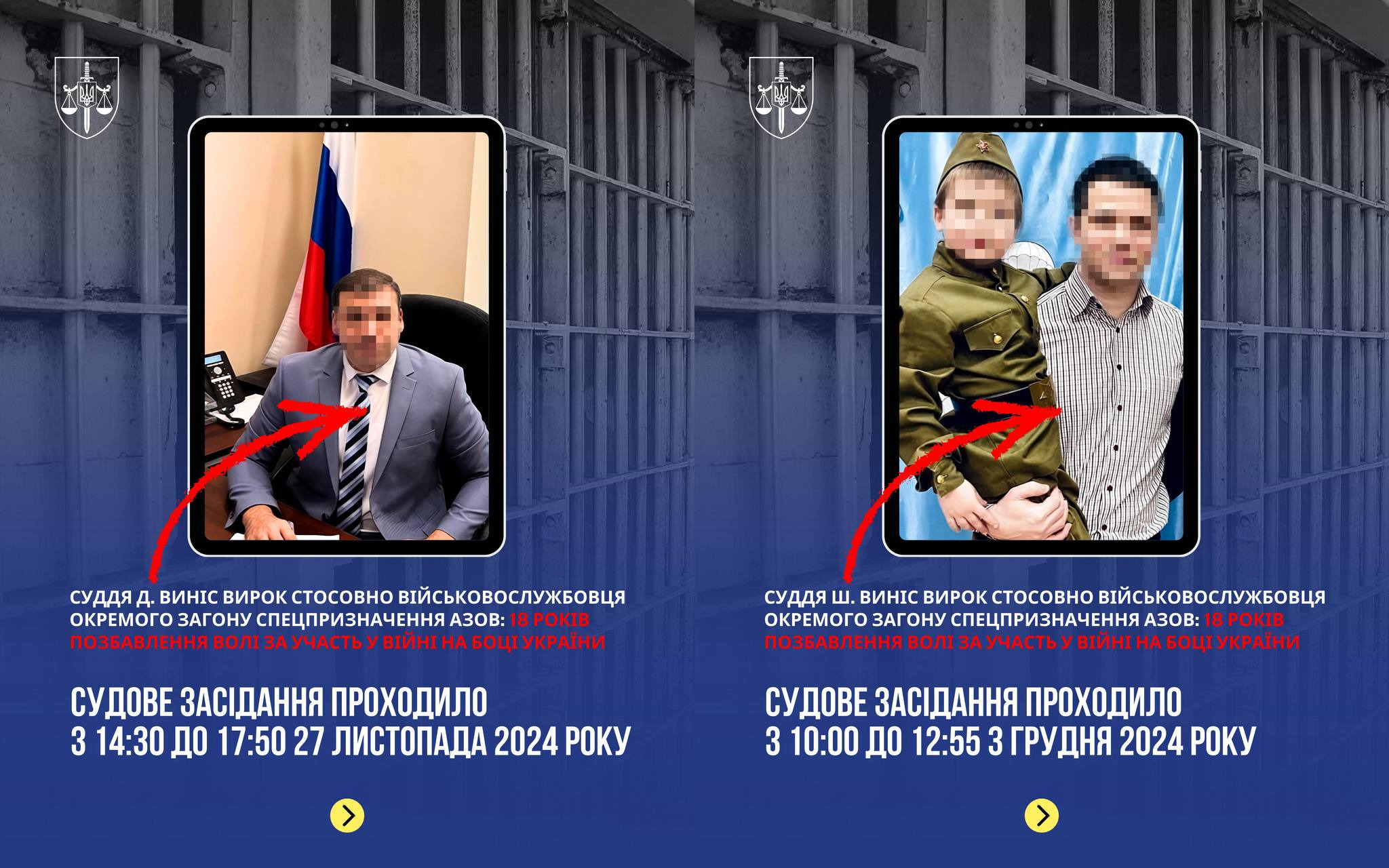
Illegal sentences for Azov POWs: two Russian judges were notified of suspicion of a war crime
The Office of the Prosecutor General has notified two judges of the Southern District Military Court of the Russian Federation that they are suspected of committing a war crime – violating the right of prisoners of war to a fair and proper trial (Part 1 of Article 438 of the Criminal Code of Ukraine).
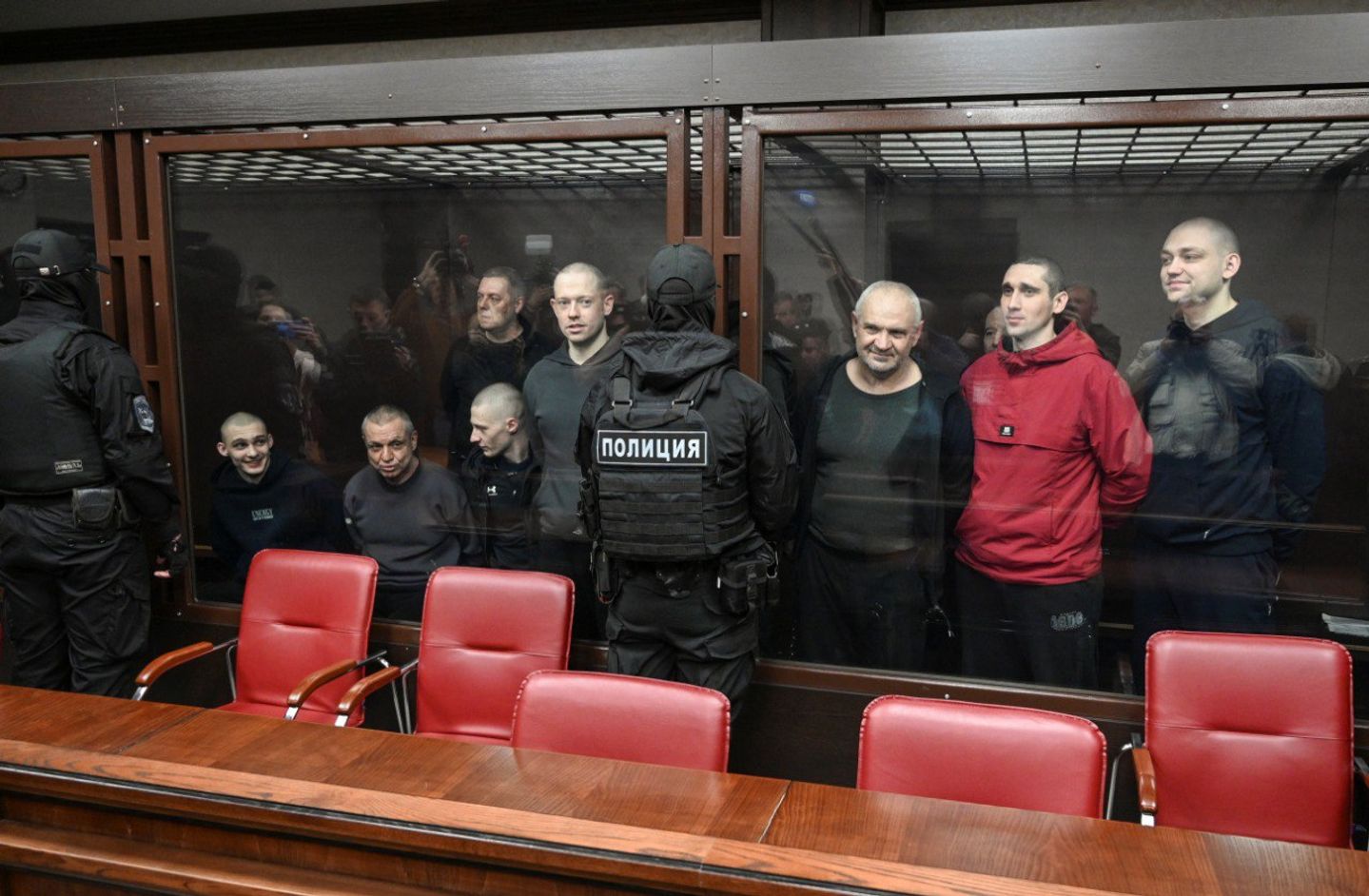
A Show Trial System: Russia Mass-Sentences Ukrainian POWs on Fabricated Charges
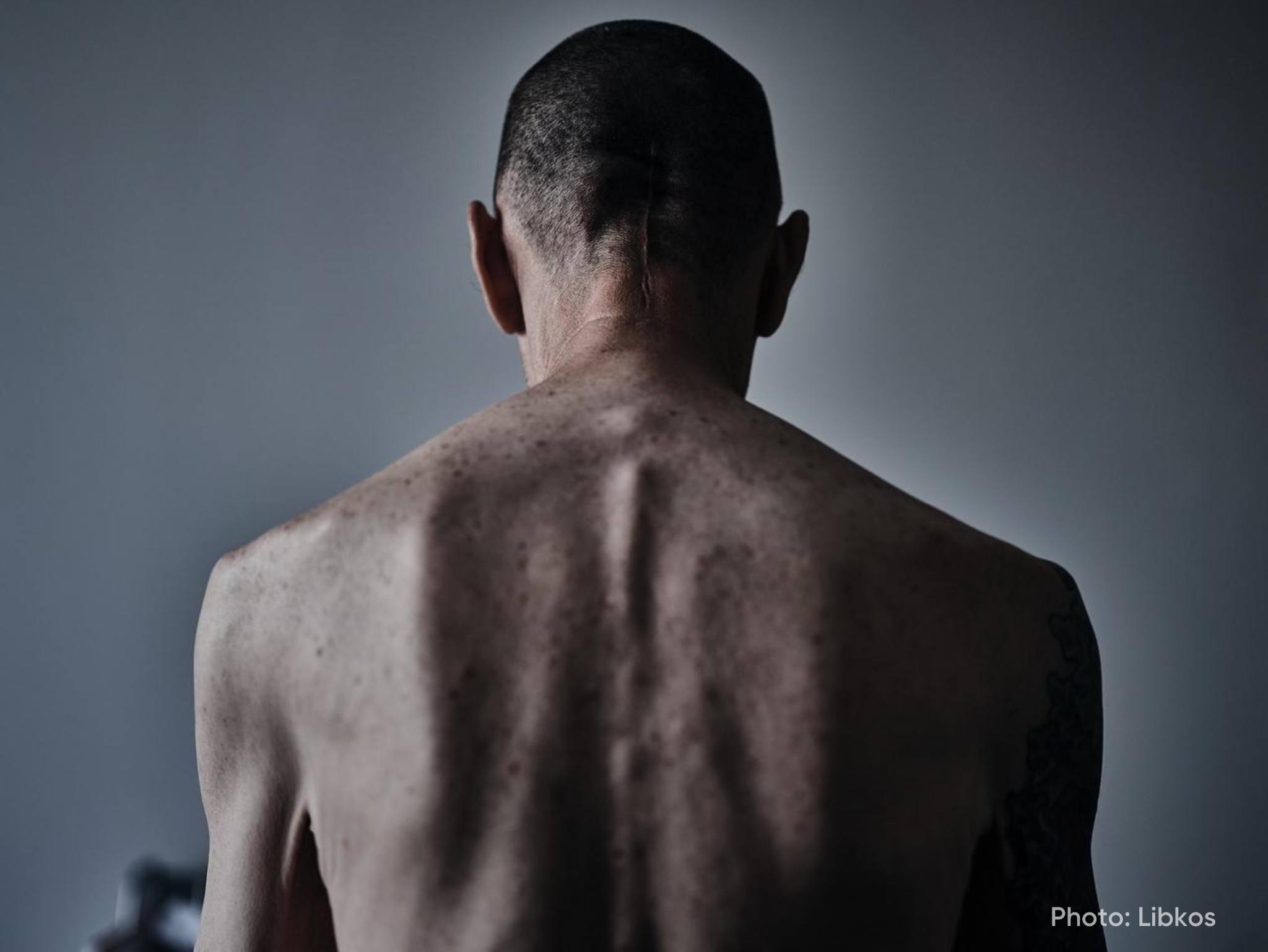
“I asked what crime I had committed, what evidence you have.” The answer was brief: “You were in Azov.” Show trials, torture-induced confessions, and fabricated charges constitute a systemic violation of international humanitarian law by Russia. Ukrainians in captivity are forced to endure this process, receiving sentences of 15, 25 years, or even life imprisonment.
questions & answers
You can make a difference
Have a question, a message, or something important to share?
Whether it’s information, a concern, or a word of support, we want to hear from you.
Every voice matters.