
A Show Trial System: Russia Mass-Sentences Ukrainian POWs on Fabricated Charges
“I asked what crime I had committed, what evidence you have.” The answer was brief: “You were in Azov.”
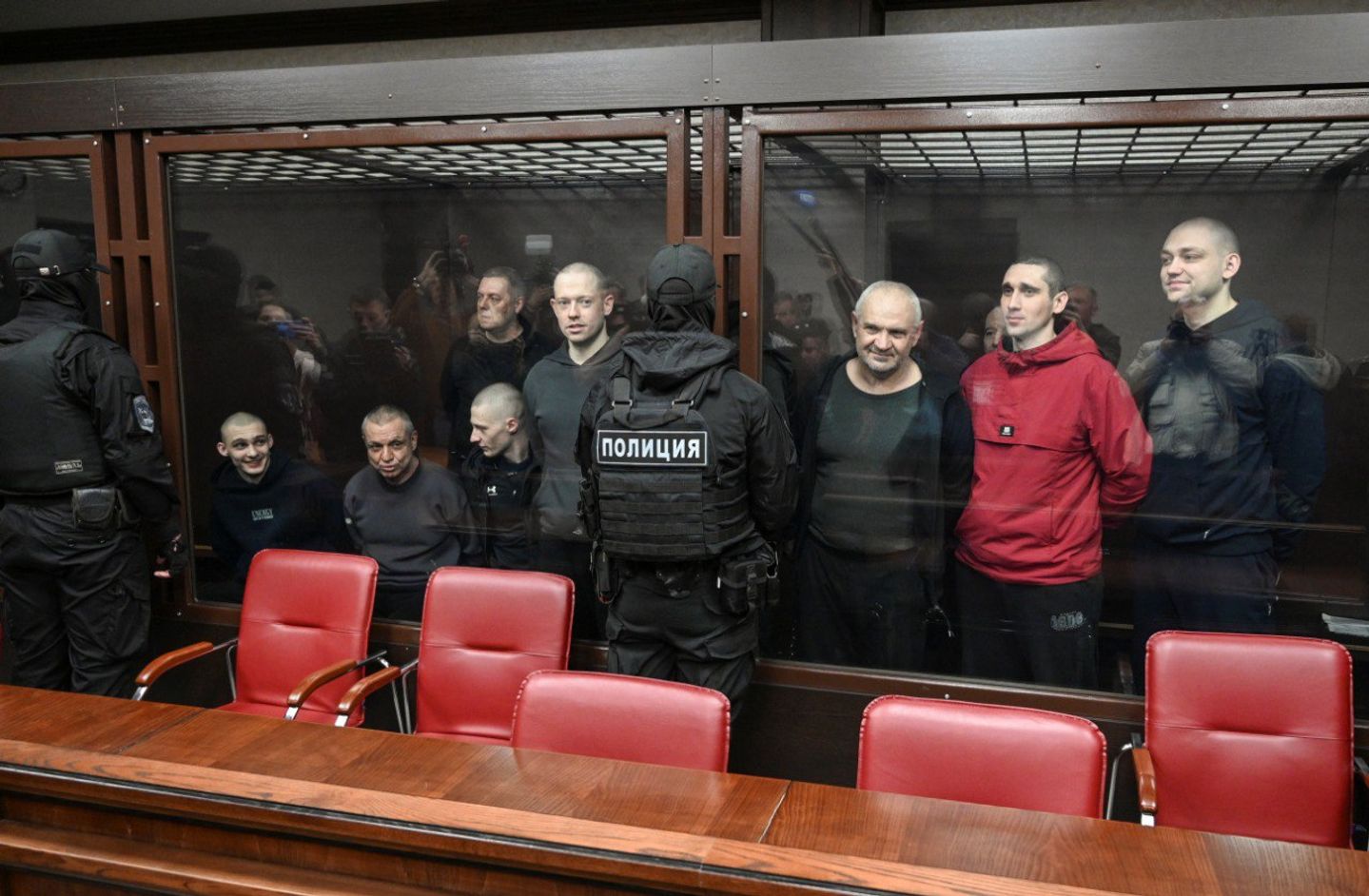
Show trials, torture-induced confessions, and fabricated charges constitute a systemic violation of international humanitarian law by Russia. Ukrainians in captivity are forced to endure this process, receiving sentences of 15, 25 years, or even life imprisonment.
The prosecution of Ukrainians on invented charges began in 2014, with the start of Russia’s armed aggression against Ukraine. Since 2022, during the full-scale invasion, this practice has become widespread and systematic. Ukrainian prisoners of war are effectively prosecuted for participating in hostilities – a grave breach of the Third Geneva Convention.
The Media Initiative for Human Rights (MIHR) has documented verdicts against at least 289 prisoners in the temporarily occupied territories of Ukraine alone. Charges include murder, cruel treatment of POWs and civilians, and the use of prohibited methods of warfare. Through such accusations, Russia attempts to shift responsibility for its own war crimes onto Ukrainian servicemen. OSCE Office for Democratic Institutions and Human Rights reports:
“The Russian authorities attempted to obtain confessions or other incriminating evidence from prisoners of war by using incentives (including promises of possible exchange), threats (such as long prison sentences or criminal charges), or through torture.”
In Russia, 94% of verdicts are issued under Article 205 (“terrorism”) of the Criminal Code. Among those most frequently targeted are servicemen of the 12th Special Forces Brigade Azov of the National Guard of Ukraine. The basis lies in a ruling by Russia’s Supreme Court, which declared the “Ukrainian paramilitary unit ‘Azov’” a terrorist organization and banned its activities in Russia.
The court ignored the fact that Azov was and remains an official component of Ukraine’s Defense Forces, and its servicemen are lawful participants in an armed conflict. So-called “witnesses” in these cases included random Russian “human rights activists,” one of whom claimed that “cannibalism” is practiced in Azov.
Cynically, this ruling was issued just days after the mass killing of captive Azov fighters at Volnovakha Correctional Colony No. 120 in occupied Olenivka, controlled by Russia. At least 53 prisoners of war were killed, and more than 130 were wounded. Available evidence provides grounds to classify the incident as a deliberate execution.
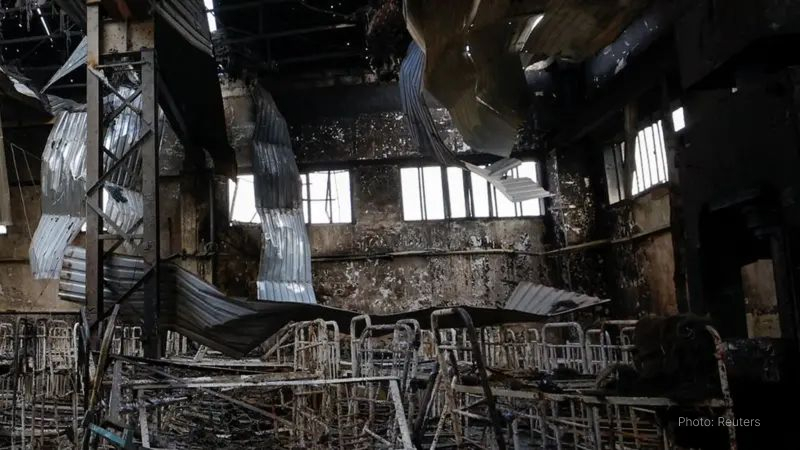
Azov fighters are under particular scrutiny by the Kremlin’s repressive machine. The number of sentences handed down is approaching two hundred, including life terms. Testimony used for prosecution is extracted through torture and threats. This has been reported by unlawfully convicted prisoners who were eventually returned to Ukraine.
Dmytro Kanupier recalled interrogations lasting from one to twelve hours:
“There were times when two stun guns were discharged on me during a single interrogation. They exerted psychological pressure, demanding that we say something – anything – for the criminal cases they wanted to fabricate. They told me: ‘Take the case upon yourself. They won’t leave you alone.’”
Another Azov serviceman, Oleksandr Kuzmenko, was unlawfully sentenced for the alleged killing of civilians in Mariupol. The case was entirely fabricated.
“The trial was like a performance. Everyone sat there knowing the case was fabricated. My lawyer was playing a game on his phone during the hearing. I was sitting in a cage watching it all. And in the end, the judge announced the sentence – 25 years in a strict-regime colony,” Oleksandr Kuzmenko recalls.
One of the most high-profile cases occurred in March 2025, when 24 active and former Azov servicemen were sentenced to terms ranging from 13 to 23 years in prison, with eleven receiving sentences in absentia. They were accused of terrorist activity and violent seizure of power. One of the convicted women, who had served as a cook, later told MIHR after returning to Ukraine:
“I asked what crime I had committed, what evidence you have.” The answer was short: “You were in Azov.” “It’s absurd to try a person for cooking food for soldiers.”
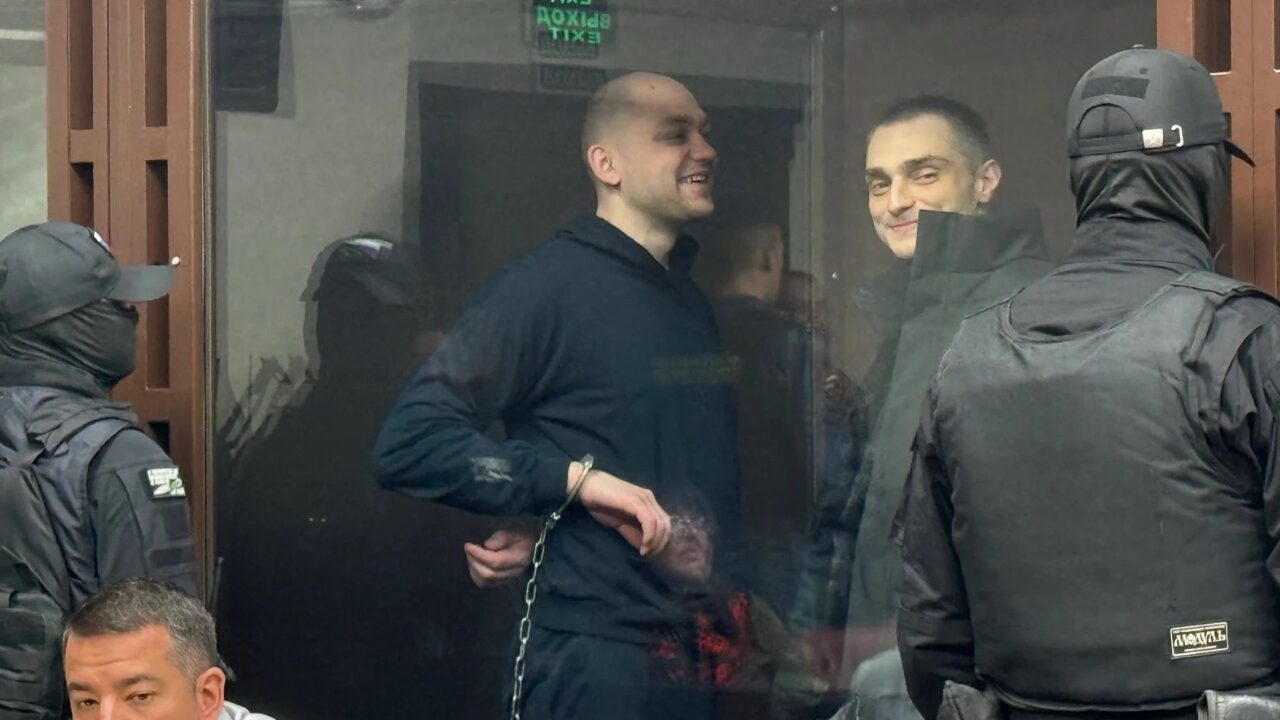
Among the accused was Oleksandr Ishchenko, who suffered from serious heart problems. Despite his known medical condition, he was neither released nor provided medical assistance. He died in Russian pre-trial detention. His body was returned to Ukraine with broken ribs and chest injuries.
Commenting on his death, Deputy Commander of the First Corps Azov of the National Guard of Ukraine, Sviatoslav “Kalyna” Palamar, called on all those with influence on the international stage to act:
“Everyone must know about this case – from the United States to China. The murder of Ukrainian prisoners of war must become the number one topic in global media and on the agenda of international organizations. Only public exposure, pressure on Russia, and the return of our prisoners home can stop these killings.”
Russia’s so-called “justice” systematically violates the right to defense and operates under full control of the country’s top political leadership. Under the Rome Statute of the International Criminal Court, such actions constitute a war crime – the willful deprivation of a prisoner of war or other protected person of the right to a fair and regular trial.
Combined with the prohibition on prosecuting combatants for lawful participation in hostilities, this represents a grave breach of international humanitarian law.
Through unlawful convictions, Russia strips prisoners of their protected legal status. This significantly complicates their return, which in such cases depends solely on the will of Russia’s president. For Azov fighters, whom Russia already rarely includes in prisoner exchanges, these sentences are critical.
By constructing an image of “cannibals” and “terrorists,” the Kremlin seeks to dehumanize Ukrainian servicemen. As a result, alongside the shackled Azov fighters, international humanitarian law itself remains held hostage.
The release of unlawfully convicted prisoners of war must become a central priority of international pressure on Russia.
Popular Articles
see more
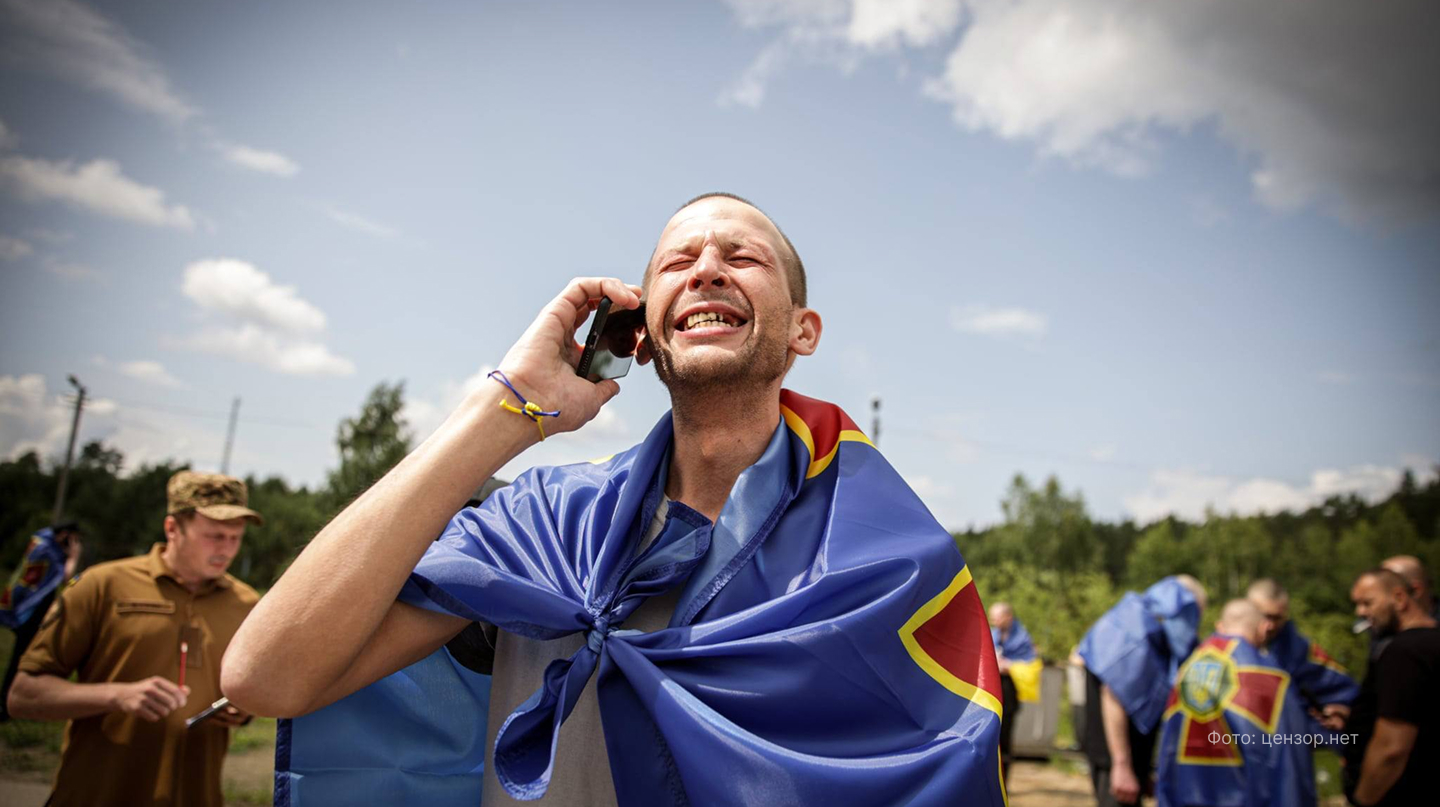
“The captives were forced to walk with their heads down”: how the rehabilitation of released Ukrainian soldiers takes place
Ukrainian servicemen released from Russian captivity often arrive at the National Guard’s medical centre in extremely poor condition, both physically and psychologically.
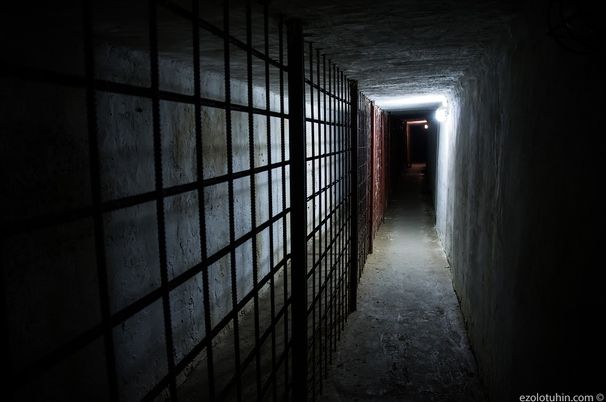
Russia has established a network of torture chambers for Ukrainian prisoners of war.
There are at least five secret prisons in Russia holding Ukrainian POWs, which human rights defenders discovered only in the fourth year of the full-scale war. These facilities have no official addresses or procurement records and may be sites of torture and sexual violence.
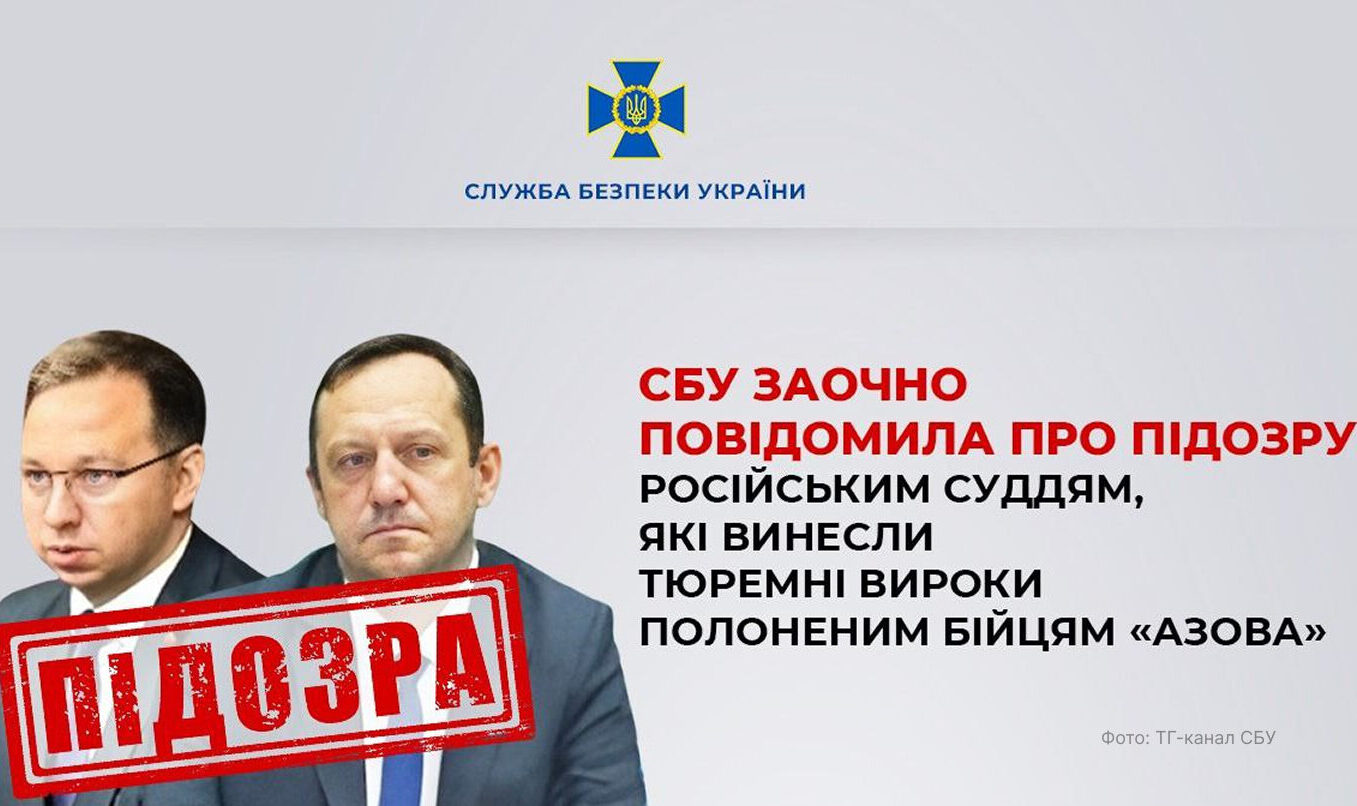
SBU presses charges against russian judges for the unlawful sentencing of Azov Brigade POWs
The Security Service of Ukraine (SBU) has charged in absentia two judges of Russia’s Southern District Military Court, Konstantin Prostov and Sergey Obraztsov, with war crimes against Ukrainian prisoners of war.
questions & answers
You can make a difference
Have a question, a message, or something important to share?
Whether it’s information, a concern, or a word of support, we want to hear from you.
Every voice matters.