
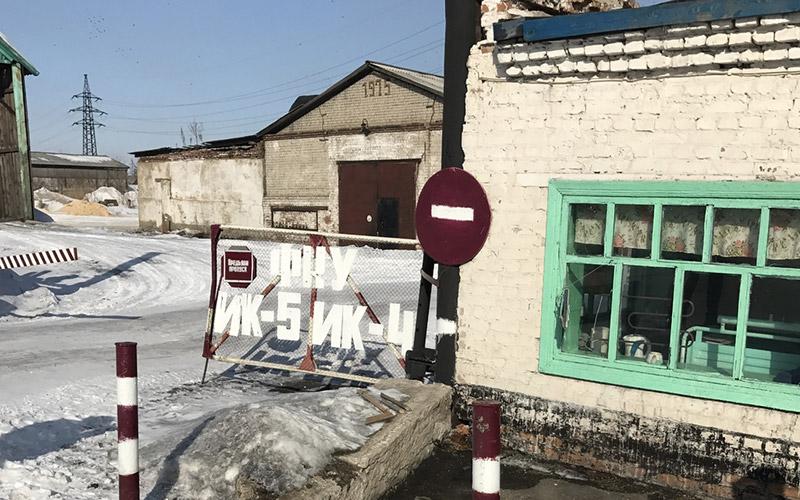
Rubtsovsk Penal Colony No. 5
Altai Krai, Rubtsovsk
Russia
Penal Colony
Active
Penal Colony No. 5 in Rubtsovsk, Altai Krai, is a prison in a remote and climatically harsh region of Russia. Ukrainian prisoners of war, including defenders of Mariupol, have been held there following their capture. Testimonies from released POWs and families indicate that the colony is characterised by extreme isolation, cold, hunger, and systemic abuse. Due to the region’s isolation and prison restrictions, access to further information remains extremely limited.
POWs of Altai prisons and their relatives report beatings and torture as routine, with physical violence used to intimidate. A common form of psychological abuse involves staging fake prisoner exchanges. POWs are blindfolded, transported, and told they are about to be exchanged, only to be mocked and beaten upon arrival.
Prisoners are subjected to systemic hunger. Meals, when provided, were described as “salted water” in 200-gram portions. Testimonies mention mould-infested cells, overcrowding (up to 10 men per cell), and chronic exposure to cold. The prison regime imposed forced labour despite starvation and freezing conditions.
The remote location of the prison and the lack of external contact created conditions of total informational isolation. Fake exchanges were staged to abuse prisoners mentally.
Overview
Penal Colony No. 5 in Rubtsovsk, Altai Krai, is a prison in a remote and climatically harsh region of Russia. Ukrainian prisoners of war, including defenders of Mariupol, have been held there following their capture. Testimonies from released POWs and families indicate that the colony is characterised by extreme isolation, cold, hunger, and systemic abuse. Due to the region’s isolation and prison restrictions, access to further information remains extremely limited.
Torture & Abuse
POWs of Altai prisons and their relatives report beatings and torture as routine, with physical violence used to intimidate. A common form of psychological abuse involves staging fake prisoner exchanges. POWs are blindfolded, transported, and told they are about to be exchanged, only to be mocked and beaten upon arrival.
Food & Sanitation
Prisoners are subjected to systemic hunger. Meals, when provided, were described as “salted water” in 200-gram portions. Testimonies mention mould-infested cells, overcrowding (up to 10 men per cell), and chronic exposure to cold. The prison regime imposed forced labour despite starvation and freezing conditions.
Psychological Pressure
The remote location of the prison and the lack of external contact created conditions of total informational isolation. Fake exchanges were staged to abuse prisoners mentally.
News
see more
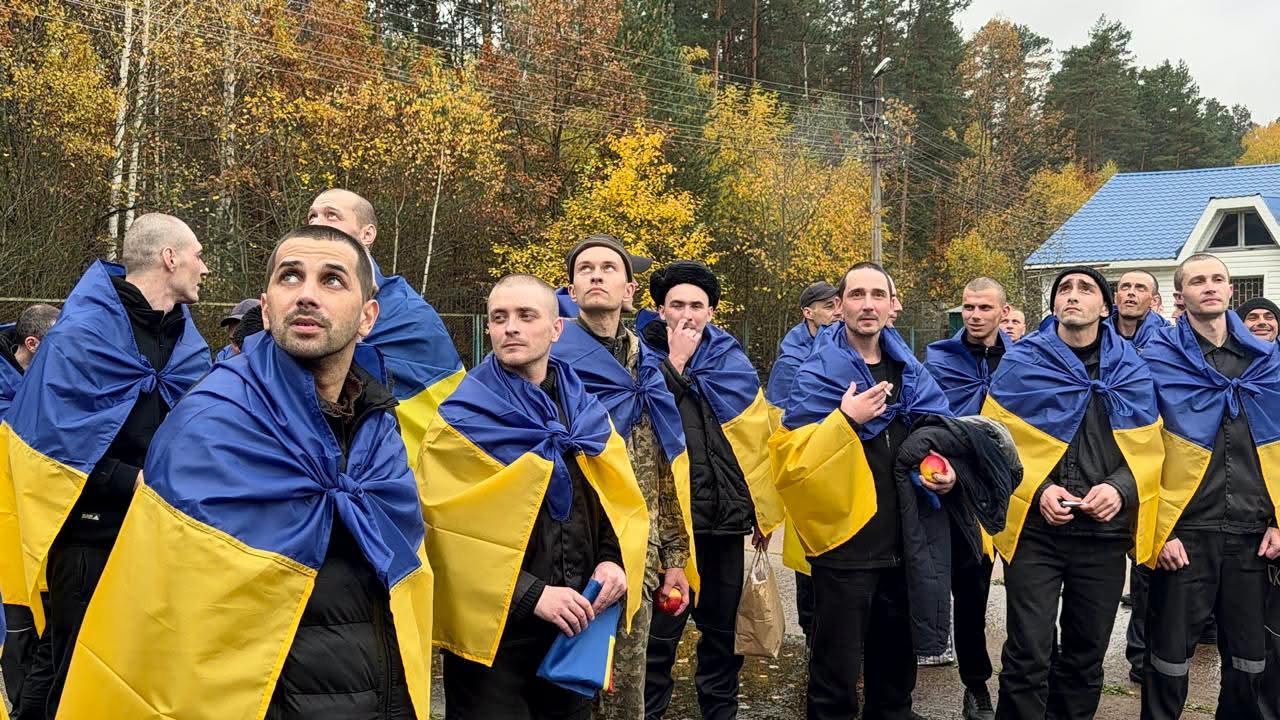
Ukraine brings home 270 Ukrainians from Russian captivity, including 35 Azov POWs
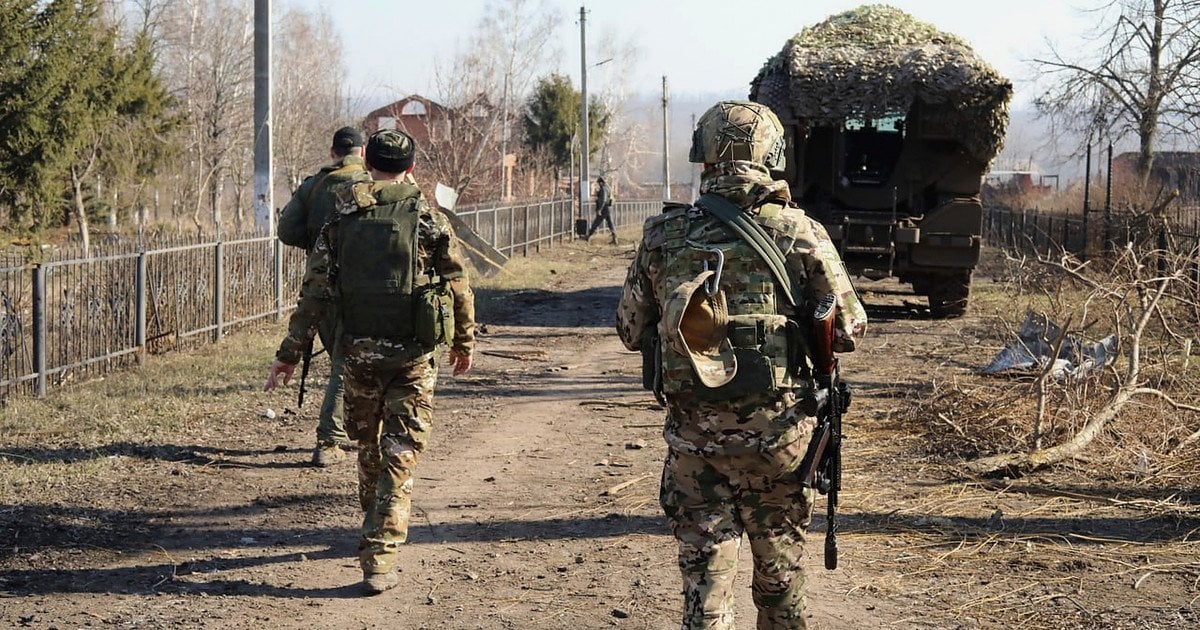
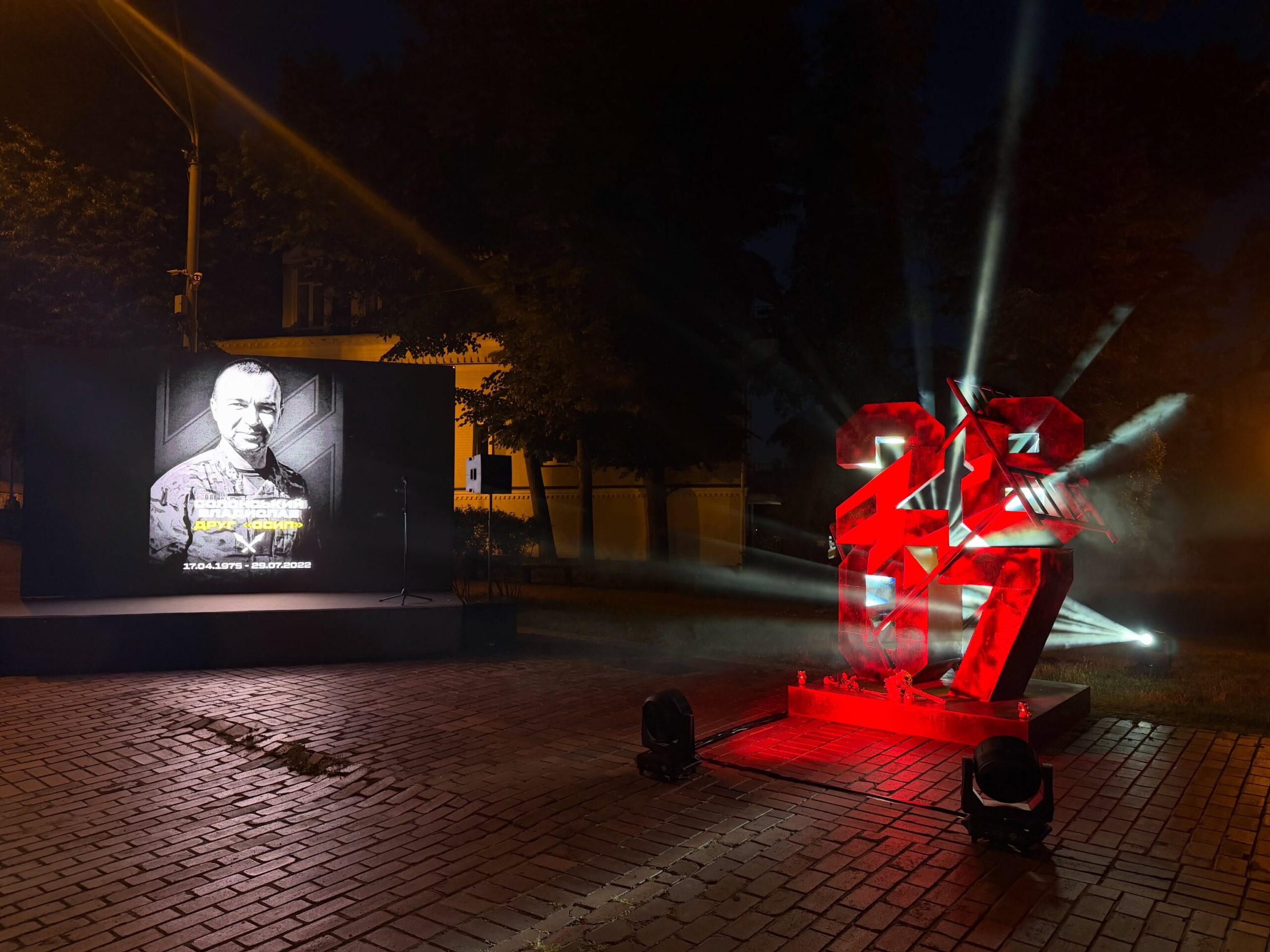
On 23 October, 270 Ukrainians were returned from Russian captivity: 261 servicemen and 9 civilians. Those released include members of the Navy, Land Forces, Air Assault Forces, State Special Transport Service, Territorial Defence Forces, Special Operations Forces and Military Law Enforcement Service, as well as the National Guard, the State Border Guard Service and a rescuer from the State Emergency Service.
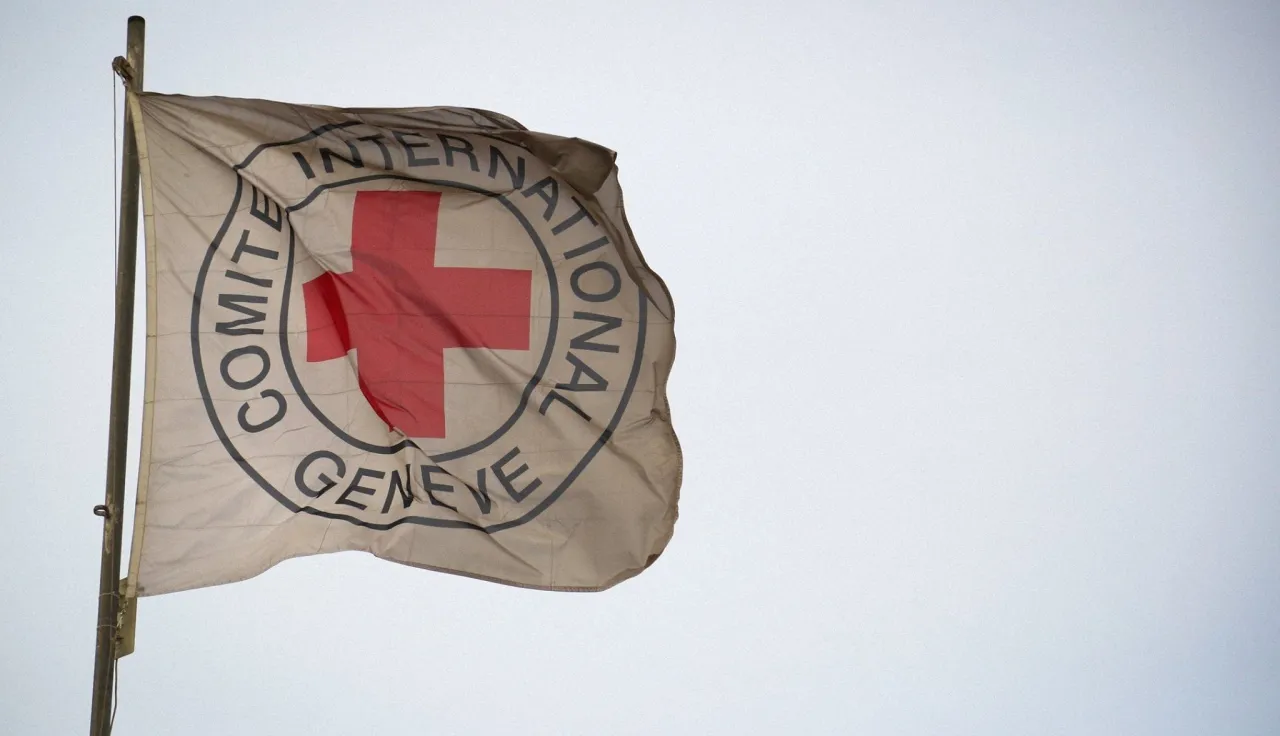
ICRC confirms it has had no access to Ukrainian POWs for two years
Russia has denied the International Committee of the Red Cross (ICRC) access to Ukrainian prisoners of war held in Russian detention since 2024. “We can confirm the lack of access to POWs in Russia since 2024,” an ICRC spokesperson told Reuters on September 18.
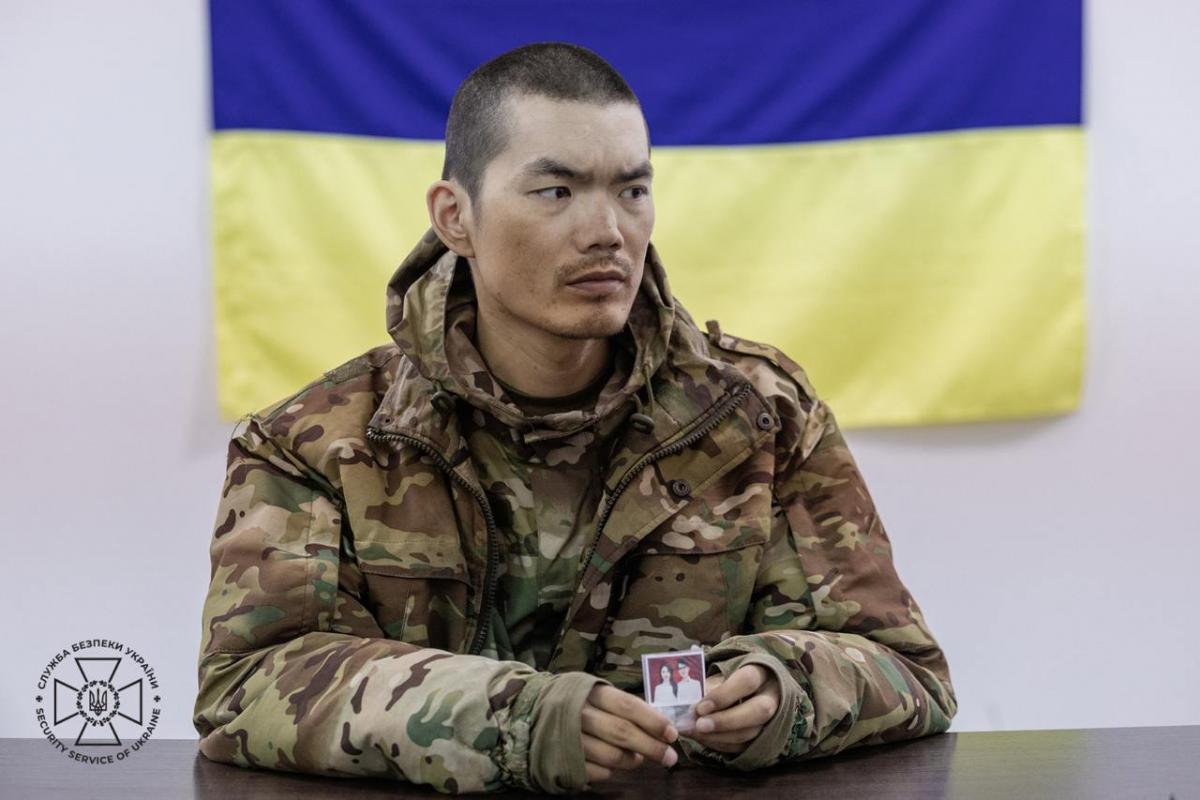
Citizens of 51 Countries Held as Prisoners of War in Ukraine
Ukraine’s Coordination Headquarters for the Treatment of Prisoners of War and the Ministry of Foreign Affairs of Ukraine have announced the launch of StopRussianRecruiters.org, an information platform documenting and exposing Russia’s deceptive recruitment of foreign nationals into its armed forces. The project also provides information about foreign prisoners of war held in Ukraine and calls on the governments of their respective countries to take diplomatic action to secure their return.
questions & answers
You can make a difference
Have a question, a message, or something important to share?
Whether it’s information, a concern, or a word of support, we want to hear from you.
Every voice matters.