
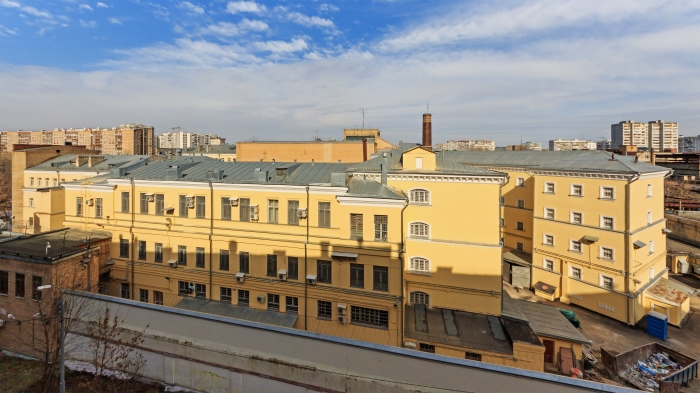
Lefortovo Prison
Moscow
Russia
Pre-Trial Detention Centre
Active
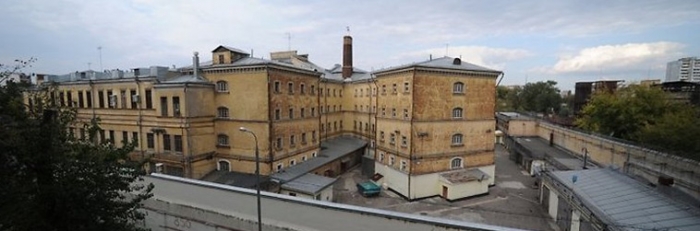
Lefortovo is one of Russia’s most notorious detention centres, operated by the FSB in Moscow. After being taken captive from Azovstal and spending several days in Olenivka, a group of Azov officers was transferred there. They were not informed of their destination, and only later realised they were being held in Lefortovo. It is also known that illegally detained Ukrainian civilians were held in this detention facility.
While physical violence was not systematic in Lefortovo itself, prisoners were kept in total silence, a lack of human contact, and a denial of any sensory or temporal orientation.
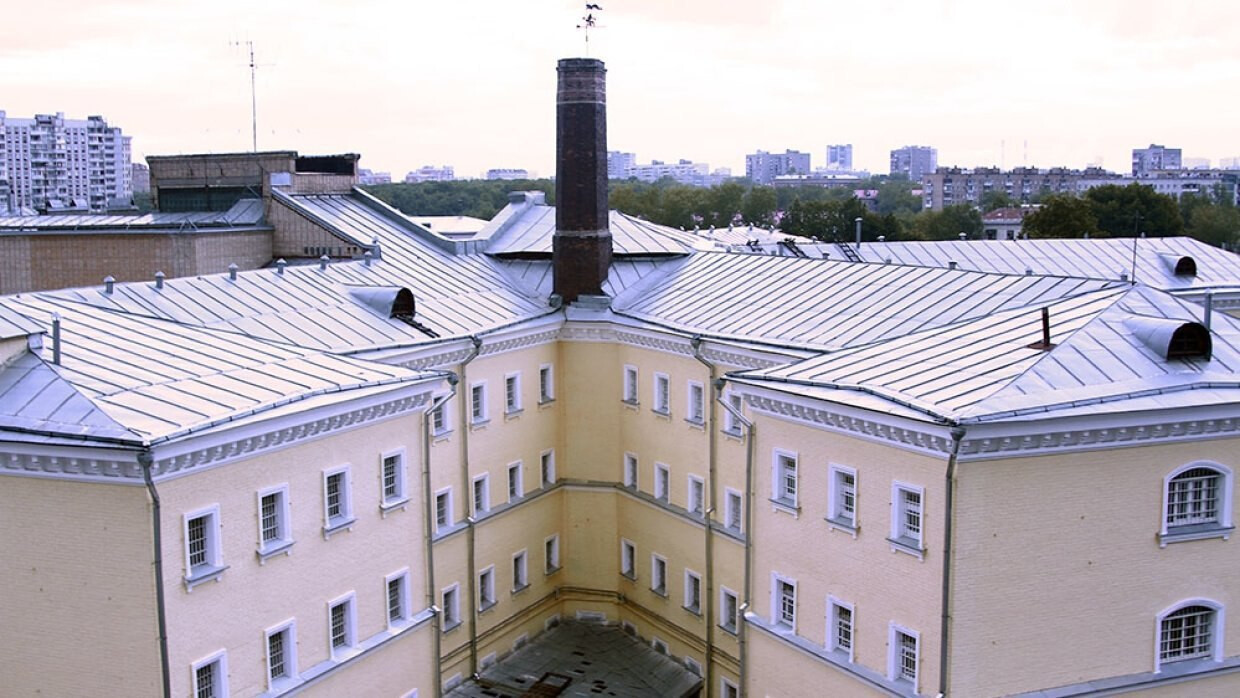
Azov’s then-chief of staff, Bohdan “Tavr” Krotevych, described his cell door never opening again after the initial interrogations, not even for a single walk for around four months. At the same time, Krotevych said that other POWs were tortured in Lefortovo prison.
Upon arrival at the Lefortovo prison, inmates undergo a medical examination, during which their tattoos and scars are documented, and their fingerprints and DNA samples are taken.
A medical assistant interviews the prisoners daily to check for any complaints. Specialized medication could be obtained only with the permission of the pre-trial detention center’s administration and through volunteers. There were several narrowly specialized doctors, including general practitioners, surgeons, and dentists. However, the doctors at Lefortovo did not have access to specialized medicines; only basic pills were available.
Food was passed silently through a small metal window in the cell door. Prisoners were fed three times a day. Meat and vegetables were absent from the diet.
The cold was extreme in May and September, with no heating or adequate clothing provided. Washing was limited to a basic sink in full view of surveillance cameras. No showers were available. Hygiene supplies were limited – inmates were given one roll of toilet paper for every two months.
Detainees were held in total isolation, with no communication between prisoners and no interaction with guards beyond basic commands. Interrogations involved psychological manipulation, such as claims that fellow Ukrainian soldiers were betraying Azov.
Overview
Lefortovo is one of Russia’s most notorious detention centres, operated by the FSB in Moscow. After being taken captive from Azovstal and spending several days in Olenivka, a group of Azov officers was transferred there. They were not informed of their destination, and only later realised they were being held in Lefortovo. It is also known that illegally detained Ukrainian civilians were held in this detention facility.
Torture & Abuse
While physical violence was not systematic in Lefortovo itself, prisoners were kept in total silence, a lack of human contact, and a denial of any sensory or temporal orientation.
Azov’s then-chief of staff, Bohdan “Tavr” Krotevych, described his cell door never opening again after the initial interrogations, not even for a single walk for around four months. At the same time, Krotevych said that other POWs were tortured in Lefortovo prison.
Medical Assistance
Upon arrival at the Lefortovo prison, inmates undergo a medical examination, during which their tattoos and scars are documented, and their fingerprints and DNA samples are taken.
A medical assistant interviews the prisoners daily to check for any complaints. Specialized medication could be obtained only with the permission of the pre-trial detention center’s administration and through volunteers. There were several narrowly specialized doctors, including general practitioners, surgeons, and dentists. However, the doctors at Lefortovo did not have access to specialized medicines; only basic pills were available.
Food & Sanitation
Food was passed silently through a small metal window in the cell door. Prisoners were fed three times a day. Meat and vegetables were absent from the diet.
The cold was extreme in May and September, with no heating or adequate clothing provided. Washing was limited to a basic sink in full view of surveillance cameras. No showers were available. Hygiene supplies were limited – inmates were given one roll of toilet paper for every two months.
Psychological Pressure
Detainees were held in total isolation, with no communication between prisoners and no interaction with guards beyond basic commands. Interrogations involved psychological manipulation, such as claims that fellow Ukrainian soldiers were betraying Azov.
News
see more
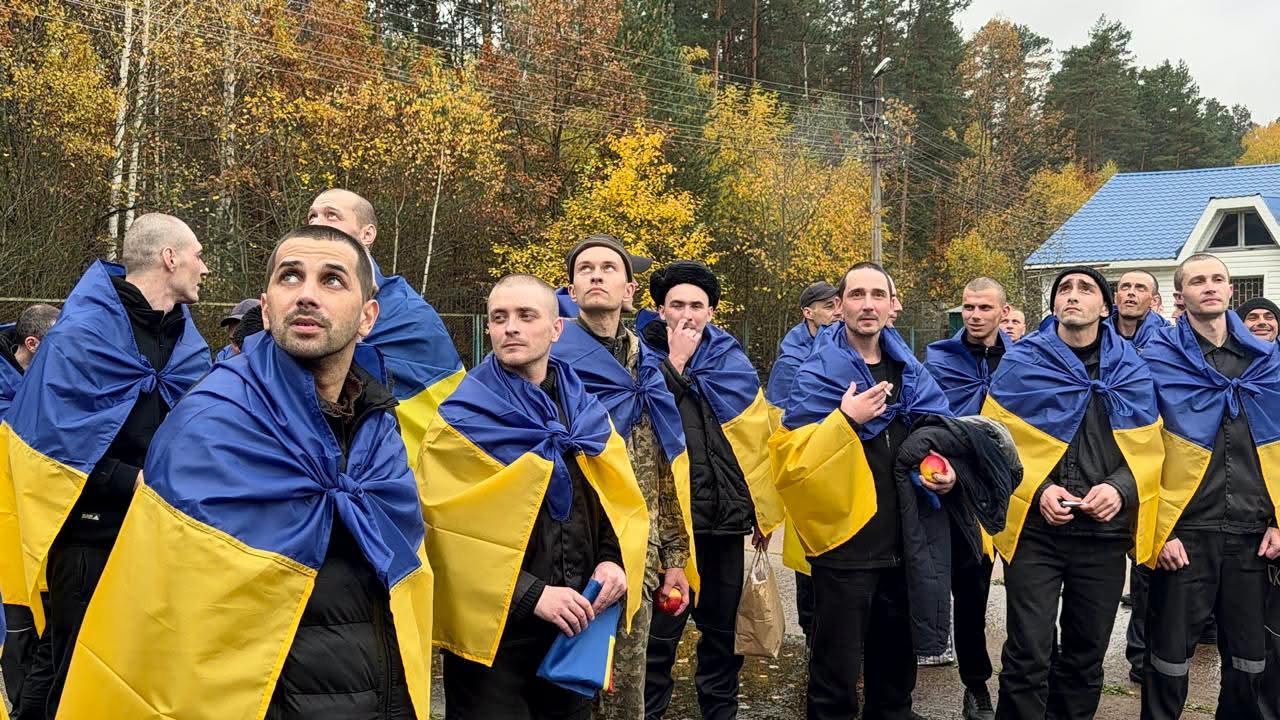
Ukraine brings home 270 Ukrainians from Russian captivity, including 35 Azov POWs
On 23 October, 270 Ukrainians were returned from Russian captivity: 261 servicemen and 9 civilians. Those released include members of the Navy, Land Forces, Air Assault Forces, State Special Transport Service, Territorial Defence Forces, Special Operations Forces and Military Law Enforcement Service, as well as the National Guard, the State Border Guard Service and a rescuer from the State Emergency Service.
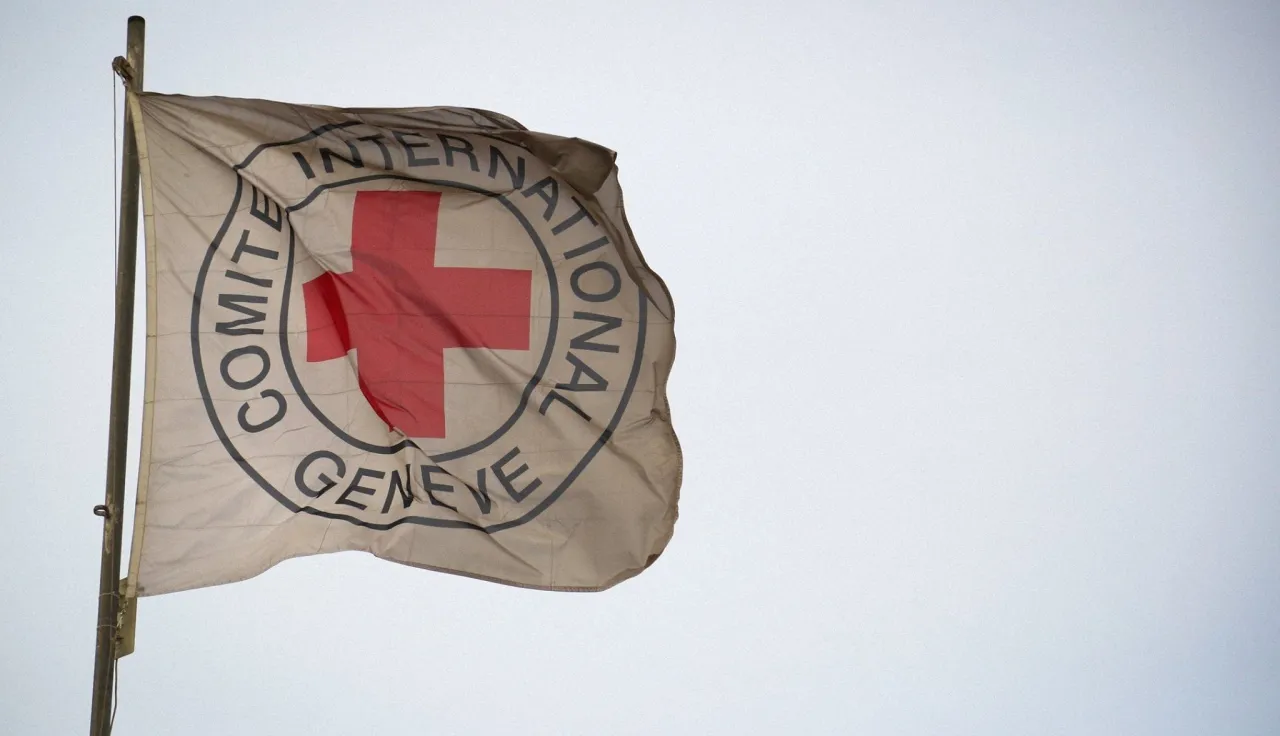
ICRC confirms it has had no access to Ukrainian POWs for two years
Russia has denied the International Committee of the Red Cross (ICRC) access to Ukrainian prisoners of war held in Russian detention since 2024. “We can confirm the lack of access to POWs in Russia since 2024,” an ICRC spokesperson told Reuters on September 18.
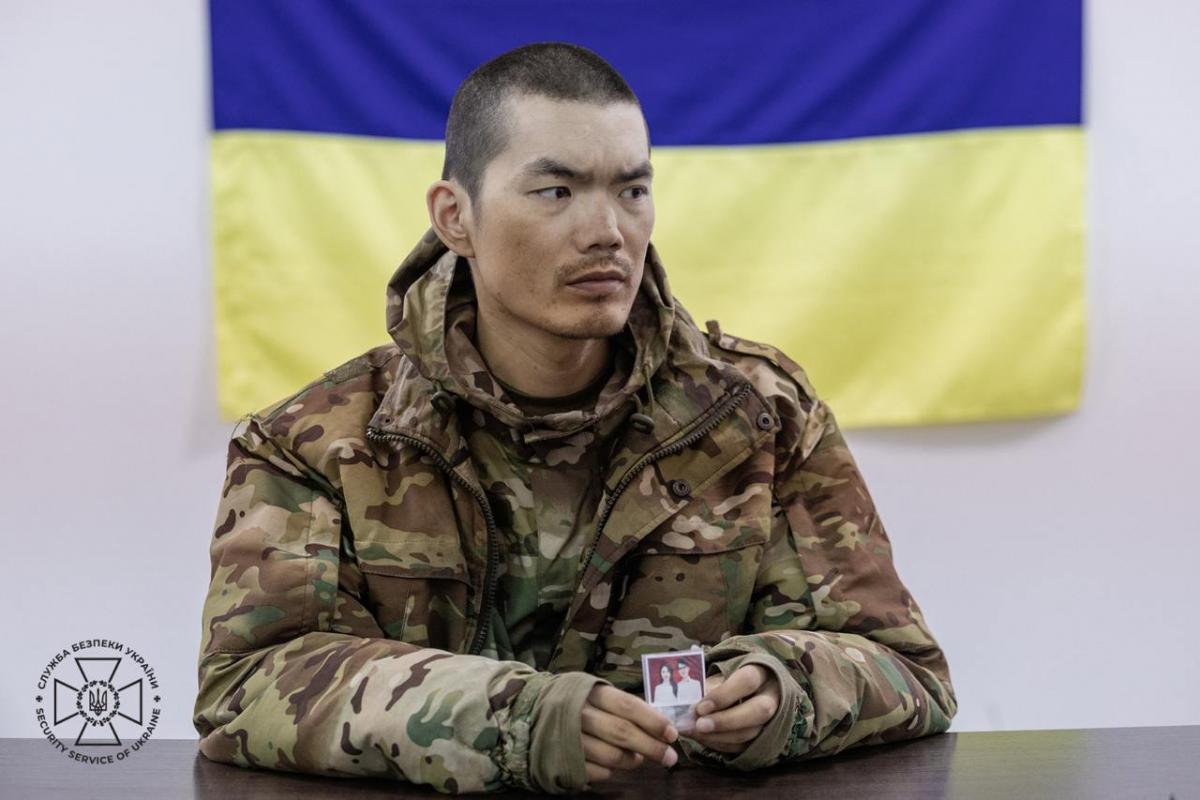
Citizens of 51 Countries Held as Prisoners of War in Ukraine
Ukraine’s Coordination Headquarters for the Treatment of Prisoners of War and the Ministry of Foreign Affairs of Ukraine have announced the launch of StopRussianRecruiters.org, an information platform documenting and exposing Russia’s deceptive recruitment of foreign nationals into its armed forces. The project also provides information about foreign prisoners of war held in Ukraine and calls on the governments of their respective countries to take diplomatic action to secure their return.
questions & answers
You can make a difference
Have a question, a message, or something important to share?
Whether it’s information, a concern, or a word of support, we want to hear from you.
Every voice matters.